Short Direct Answer
Calming exercises for dogs are simple activities that help reduce stress, anxiety, overexcitement, and nervous behavior. These exercises often include slow walks, sniffing games, gentle training sessions, licking activities, calming massage, and relaxation routines that teach dogs how to settle themselves. Many dogs become calmer when their physical energy, mental stimulation, and emotional needs are balanced consistently. Regular calming exercises can help improve focus, reduce destructive behavior, and create a stronger bond between you and your dog.
Why Calming Exercises Matter for Dogs
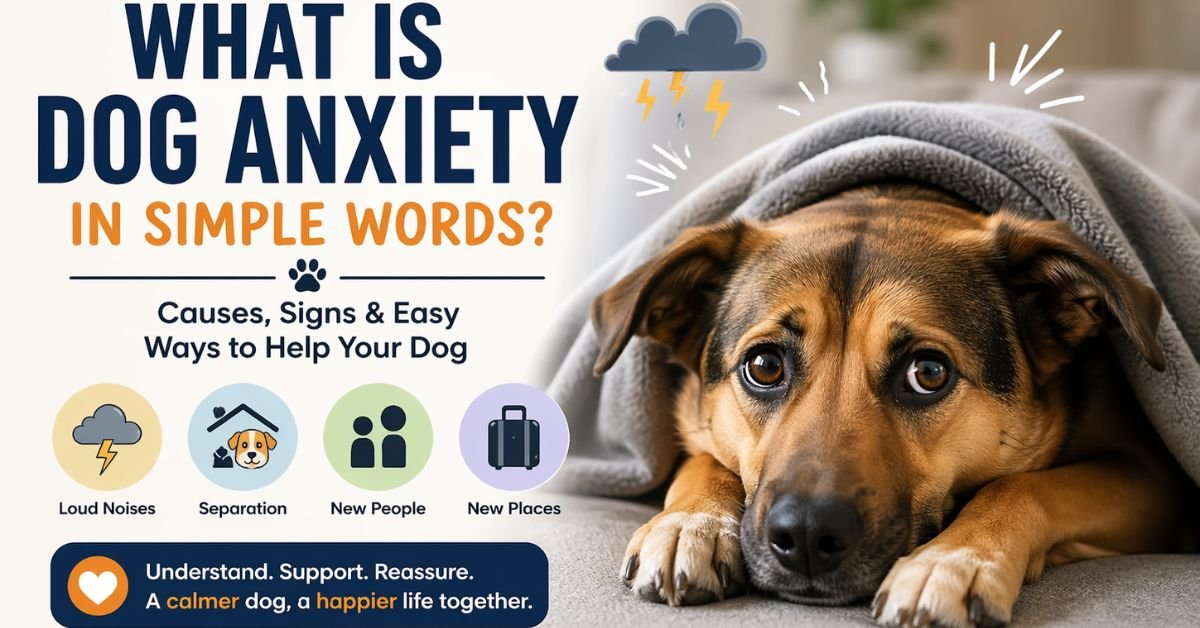
Some dogs seem relaxed no matter what happens around them. Others become overwhelmed by visitors, loud noises, separation, or even everyday excitement. If your dog paces, whines, jumps excessively, chews furniture, or struggles to settle down, you are not alone.
Modern dogs deal with more stimulation than many people realize. Busy homes, traffic sounds, limited exercise, changes in routine, and lack of mental enrichment can all contribute to stress. Even loving owners sometimes mistake anxious behavior for stubbornness or “bad behavior.”
The good news is that calming exercises can genuinely help many dogs feel safer and more emotionally balanced.
These exercises are not about forcing a dog to stay quiet. They teach healthy emotional regulation. Over time, many owners notice their dogs:
- Relax faster after excitement
- Bark less at triggers
- Sleep better
- Focus more during training
- Feel safer around people or noises
- Become less destructive indoors
Some calming activities work almost immediately, while others become more effective through daily repetition and routine.
Signs Your Dog May Need Calming Exercises
Not every energetic dog is anxious. Some breeds naturally have high energy levels. However, certain behaviors may suggest your dog is struggling to relax emotionally.
11 Common Stress and Anxiety Behaviors
Your dog may benefit from calming exercises if they frequently:
- Pace around the house
- Bark excessively
- Follow you constantly
- Jump on guests uncontrollably
- Chew furniture or objects
- Lick paws obsessively
- Pant heavily indoors
- Struggle to settle at night
- React strongly to sounds
- Pull hard during walks
- Shake during storms or fireworks
Some dogs also become hyperactive when overtired. Puppies especially can act “wild” when they actually need rest and decompression.
What Causes Dogs to Become Overstimulated or Anxious?
Understanding the cause helps you choose the right calming strategy.
Common Causes of Stress in Dogs
Lack of Mental Stimulation
A dog that never uses its brain often creates its own entertainment. That may include barking, digging, chewing, or zooming around the house.
Inconsistent Routine
Dogs feel safer when daily life is predictable. Sudden schedule changes can increase anxiety.
Fear and Noise Sensitivity
Thunderstorms, fireworks, vacuum cleaners, and crowded environments can overwhelm sensitive dogs.
Insufficient Rest
Many dogs do not know how to settle themselves naturally. Without enough sleep, stress hormones may stay elevated.
Separation Anxiety
Some dogs panic when left alone or separated from their owners.
Breed Tendencies
Working breeds like Border Collies, German Shepherds, and Australian Shepherds often need more structured calming routines than lower-energy breeds.
Past Experiences
Rescue dogs or poorly socialized dogs may stay alert because they learned the environment was unpredictable.
Best Calming Exercises for Dogs
Below are practical, beginner-friendly exercises many owners successfully use at home.
1. Sniff Walks
Why Sniffing Calms Dogs
Sniffing is mentally enriching and naturally soothing for dogs. Allowing your dog to explore smells can reduce frustration and lower arousal levels.
A calm sniff walk is very different from a fast-paced exercise walk.
How to Do It
- Use a longer leash when safe
- Slow your walking pace
- Let your dog investigate scents
- Avoid constant leash corrections
- Choose quiet areas when possible
Even 15–20 minutes of sniff-focused walking can leave many dogs calmer than a long, rushed walk.
Helpful Tip
Many anxious dogs improve when walks become less about “perfect obedience” and more about decompression.
2. Licking Activities
Licking releases calming chemicals in many dogs and helps them self-soothe.
Easy Licking Exercises
Try:
- Stuffed food toys
- Frozen yogurt treats
- Dog-safe peanut butter mats
- Slow feeders
- Frozen pumpkin puree
These activities can be especially useful:
- Before guests arrive
- During thunderstorms
- Before bedtime
- During crate training
Always supervise your dog and avoid ingredients that are unsafe for dogs.
3. Relaxation Mat Training
Teaching a dog to settle on a mat is one of the most useful calming exercises for everyday life.
How It Works
Your dog learns:
- The mat equals relaxation
- Calm behavior earns rewards
- Resting quietly is valuable
Step-by-Step Relaxation Training
- Place a soft mat on the floor
- Reward your dog for stepping onto it
- Reward calm sitting or lying down
- Speak softly and move slowly
- Gradually increase relaxation time
- Practice daily in quiet settings first
Over time, many dogs begin lying on the mat automatically when they need to relax.
This technique is often helpful for:
- Hyper puppies
- Dogs who bark at visitors
- Dogs who struggle to settle indoors
4. Slow Feeding Games
Fast eating can increase excitement and frustration in some dogs.
Calming Feeding Ideas
Use:
- Puzzle feeders
- Snuffle mats
- Scatter feeding in grass
- Food-dispensing toys
These activities encourage natural foraging behaviors that mentally tire dogs in a healthy way.
A ten-minute sniff-and-search feeding session may calm a dog more effectively than simply eating from a bowl in 30 seconds.
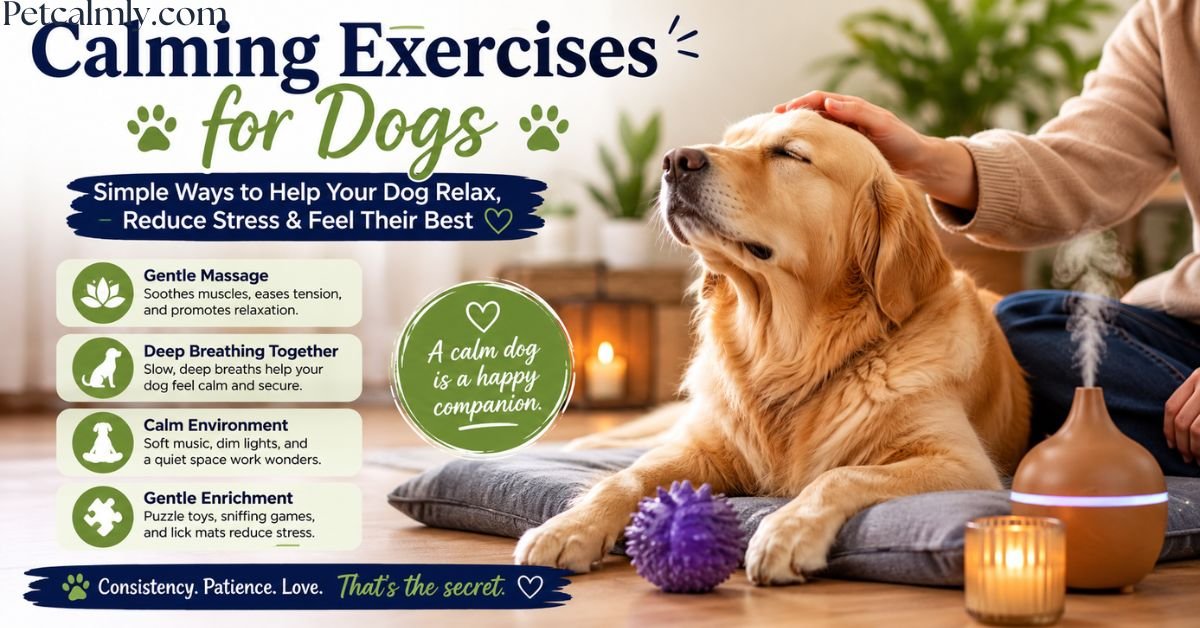
5. Gentle Massage for Dogs
Many dogs enjoy slow, calm physical touch when introduced properly.
Simple Canine Massage Techniques
Use slow strokes:
- Along the shoulders
- Down the chest
- Behind the ears
- Along the back muscles
Avoid rough rubbing or fast movements.
Signs Your Dog Enjoys It
Your dog may:
- Lean into your hand
- Blink slowly
- Sigh deeply
- Lie down
- Relax facial muscles
If your dog moves away, stop and give space.
Massage should never force interaction on a nervous dog.
6. “Find It” Scent Games
Scent games encourage focus and reduce nervous energy.
Simple Beginner Version
- Ask your dog to stay nearby
- Toss a treat a short distance away
- Say “Find it!”
- Let your dog sniff it out
Once your dog understands the game, you can hide treats around a room.
This exercise works especially well on rainy days when outdoor exercise is limited.
7. Capturing Calm Behavior
Many owners accidentally reward excitement while ignoring calmness.
Dogs quickly learn what gets attention.
How to Capture Calmness
Whenever your dog naturally relaxes:
- Quietly praise them
- Offer a calm treat
- Avoid overexcited reactions
This teaches dogs that calm behavior has value.
It sounds simple, but many trainers consider this one of the most powerful long-term calming strategies.
8. Structured Decompression Time
Some dogs stay overstimulated because their day never slows down.
What Decompression Looks Like
A calm decompression routine may include:
- Quiet music
- Dim lighting
- Low household activity
- Chewing or licking activities
- Rest in a crate or calm room
Dogs often need help learning how to transition from excitement to relaxation.
Daily Calming Routine for Dogs
Here is a simple example routine many owners find helpful.
| Time | Activity | Purpose |
|---|---|---|
| Morning | Sniff walk | Mental decompression |
| Midday | Puzzle feeder | Brain stimulation |
| Afternoon | Short training session | Focus and confidence |
| Evening | Relaxation mat practice | Calm settling |
| Night | Licking activity or massage | Wind-down routine |
Consistency matters more than perfection.
4 Common Mistakes Owners Make
Even caring owners sometimes unintentionally increase their dog’s stress.
Mistake 1: Too Much Physical Exercise Alone
Many people try exhausting a hyper dog physically. While exercise matters, nonstop stimulation can create a fitter but still anxious dog.
Mental enrichment and relaxation skills are equally important.
Mistake 2: Punishing Fearful Behavior
Yelling at a scared dog can increase anxiety.
Instead:
- Stay calm
- Create distance from triggers
- Reward calm responses
- Build confidence gradually
Mistake 3: Overstimulating Puppies
Puppies often need naps more than additional play sessions.
An overtired puppy may:
- Bite more
- Bark excessively
- Zoom around uncontrollably
Sometimes the best calming exercise is quiet rest.
Mistake 4: Inconsistent Rules
Dogs relax more when expectations stay predictable.
If jumping on guests is sometimes rewarded and sometimes punished, confusion increases excitement.
Calming Exercises for Different Types of Dogs
For Puppies
Focus on:
- Short training sessions
- Sniffing games
- Nap routines
- Gentle socialization
- Calm crate experiences
Avoid overwhelming environments.
For Senior Dogs
Older dogs may benefit from:
- Slow walks
- Gentle massage
- Soft puzzle toys
- Quiet routines
Always consider arthritis or medical discomfort.
For High-Energy Breeds
Working breeds often need:
- Structured mental challenges
- Scent work
- Obedience exercises
- Relaxation training
Simply running them harder is not always enough.
For Rescue Dogs
Rescue dogs may need extra patience.
Predictable routines help build trust:
- Same feeding times
- Calm introductions
- Quiet resting spaces
- Gradual exposure to new experiences
Progress can take weeks or months.
Natural Ways to Help Dogs Stay Calm
Calming exercises work best when paired with a healthy lifestyle.
Helpful Habits for Emotional Balance
Keep a Predictable Routine
Dogs thrive on consistency.
Provide Enough Sleep
Adult dogs often need 12–14 hours of rest daily.
Avoid Constant Chaos
Too much noise or excitement can keep dogs alert.
Use Positive Reinforcement
Reward-based training builds trust and confidence.
Create a Safe Space
Many dogs relax better when they have a quiet retreat area.
Do Calming Products Actually Help?
Some products may support relaxation, but they are not magic fixes.
Products Sometimes Used Alongside Calming Exercises
- Calming beds
- White noise machines
- Anxiety wraps
- Pheromone diffusers
- Slow feeders
- Chew toys
Results vary between dogs.
Behavior training and routine changes usually create the biggest long-term improvement.
When Should You Be Concerned?
Some anxiety behaviors require professional guidance.
Contact a Veterinarian If Your Dog:
- Suddenly changes behavior
- Stops eating
- Shows aggression
- Self-injures from stress
- Cannot settle at all
- Has panic reactions
- Seems disoriented or painful
- Experiences severe separation anxiety
Medical problems can sometimes appear as behavioral issues.
Pain, digestive discomfort, cognitive decline, or hormonal problems may contribute to anxiety-like behavior.
A veterinarian or certified dog behavior professional can help identify deeper causes.
What Should Pet Owners Do?
If your dog struggles to relax, start small.
Beginner-Friendly Action Plan
Step 1: Observe Patterns
Notice when your dog becomes overstimulated.
Step 2: Add Mental Enrichment
Use sniffing games, puzzle feeding, and scent activities.
Step 3: Build Calm Routines
Practice relaxation exercises daily.
Step 4: Reward Calmness
Quiet behavior deserves attention too.
Step 5: Reduce Overwhelming Situations
Too much stimulation can slow progress.
Step 6: Stay Consistent
Dogs learn best through repetition and predictability.
Quick Dos and Don’ts
Do
- Use calm body language
- Practice short daily sessions
- Reward relaxed behavior
- Allow decompression walks
- Create a safe resting area
Don’t
- Punish anxious reactions
- Force scary situations
- Expect instant results
- Overstimulate overtired dogs
- Ignore possible medical issues
How Long Do Calming Exercises Take to Work?
Some dogs relax immediately during licking or sniffing activities. Long-term emotional improvement usually takes consistent practice.
Many owners notice:
- Small improvements within days
- Better settling after 2–3 weeks
- Stronger emotional regulation after several months
Progress is rarely perfectly linear.
Some days will feel easier than others, especially during stressful life changes or environmental triggers.
Real-Life Example: Small Changes Can Matter
A young Labrador that constantly jumped on visitors may not actually be “bad.” In many cases, the dog is simply overstimulated.
Adding:
- Sniff walks
- Mat training
- Puzzle feeding
- Scheduled naps
can dramatically reduce excitement over time.
Owners are often surprised that calmer routines work better than trying to constantly “burn energy.”
Conclusion
Calming exercises for dogs are not just training tricks. They help dogs feel emotionally safer, more balanced, and better able to handle everyday life.
Simple activities like sniff walks, scent games, licking exercises, relaxation mat training, and structured quiet time can make a noticeable difference for many dogs. The key is consistency, patience, and understanding what your individual dog needs.
Some dogs improve quickly, while others need gradual support over time. That is completely normal.
If anxiety becomes severe or suddenly worsens, involve your veterinarian or a qualified behavior professional. But for many dogs, small daily calming routines can create a calmer home and a happier relationship between dog and owner.
More Information About Pets, Please Visit Our Website: 10 Calming Techniques for Dogs With Anxiety
Frequently Asked Questions
1: What is the best calming exercise for dogs?
Sniff walks are often one of the most effective calming activities because they combine mental stimulation, movement, and natural exploration in a low-pressure way.
2: Can calming exercises help anxious dogs?
Yes, many anxious dogs benefit from structured calming routines. Activities like licking games, scent work, and relaxation training may help reduce stress and improve emotional control over time.
3: How often should I do calming exercises with my dog?
Most dogs benefit from short daily sessions. Even 10–20 minutes of calming activities each day can help create better habits and emotional balance.
4: Are calming exercises good for puppies?
Absolutely. Puppies need help learning how to settle themselves. Gentle sniffing games, nap routines, and calm reward-based training can support healthy emotional development
5: Why does my dog seem more hyper after exercise?
Some dogs become overstimulated by intense physical activity alone. Without mental enrichment and relaxation practice, exercise can sometimes increase excitement instead of reducing it.
6: Should I use calming treats with calming exercises?
Some calming treats may help certain dogs, but they usually work best alongside behavior routines, training, and environmental management rather than as standalone solutions.