Short Direct Answer
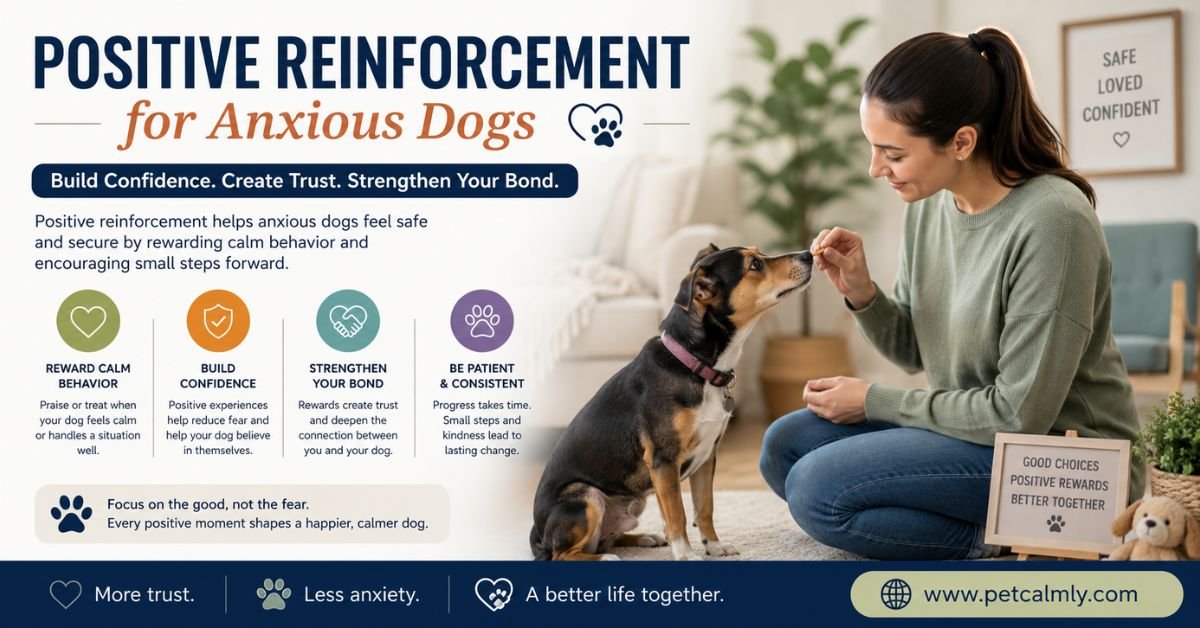
Positive reinforcement for an anxious dog means rewarding calm, brave, or desired behavior instead of punishing fear-based reactions. This training approach helps dogs feel safer, more confident, and more trusting over time. Using treats, praise, toys, and gentle encouragement can gradually reduce anxiety triggers like strangers, loud sounds, separation, or unfamiliar places. For many dogs, consistent positive reinforcement creates lasting emotional improvement while strengthening the bond with their owner.
Why Positive Reinforcement Works So Well for Anxious Dogs
Living with an anxious dog can feel emotionally exhausting. Some dogs shake during thunderstorms. Others bark at visitors, hide during walks, or panic when left alone. Many owners worry they are doing something wrong.
The good news is that fearful behavior usually improves with patient, reward-based training.
Anxious dogs are not being “stubborn” or “bad.” Most are reacting from fear, uncertainty, overstimulation, or past experiences. Harsh corrections often increase that fear. Positive reinforcement works differently. It teaches the dog that good things happen when they stay calm, focus, or try something new safely.
This method is trusted by professional trainers, behavior consultants, and many veterinarians because it supports emotional learning instead of intimidation.
In this guide, you’ll learn:
- How positive reinforcement helps anxious dogs
- Common anxiety triggers
- Mistakes that accidentally worsen fear
- Step-by-step training methods
- Daily routines that build confidence
- When professional or veterinary help may be necessary
What Is Positive Reinforcement in Dog Training?
Positive reinforcement means adding something rewarding after a desired behavior so the dog is more likely to repeat it.
For example:
- Your dog looks calmly at a stranger → you give a treat
- Your dog relaxes on their bed → you praise gently
- Your dog walks past another dog without panicking → reward immediately
The reward tells the dog:
“That behavior was safe and successful.”
Over time, the dog starts associating stressful situations with positive outcomes instead of fear.
Common Positive Reinforcement Rewards
Different dogs value different rewards. Some love food. Others prefer affection or play.
Popular rewards include:
- Small training treats
- Soft praise
- Favorite toys
- Gentle petting
- Play sessions
- Sniff walks
- Calm verbal encouragement
For anxious dogs, timing matters. Rewards should happen immediately after the desired behavior.
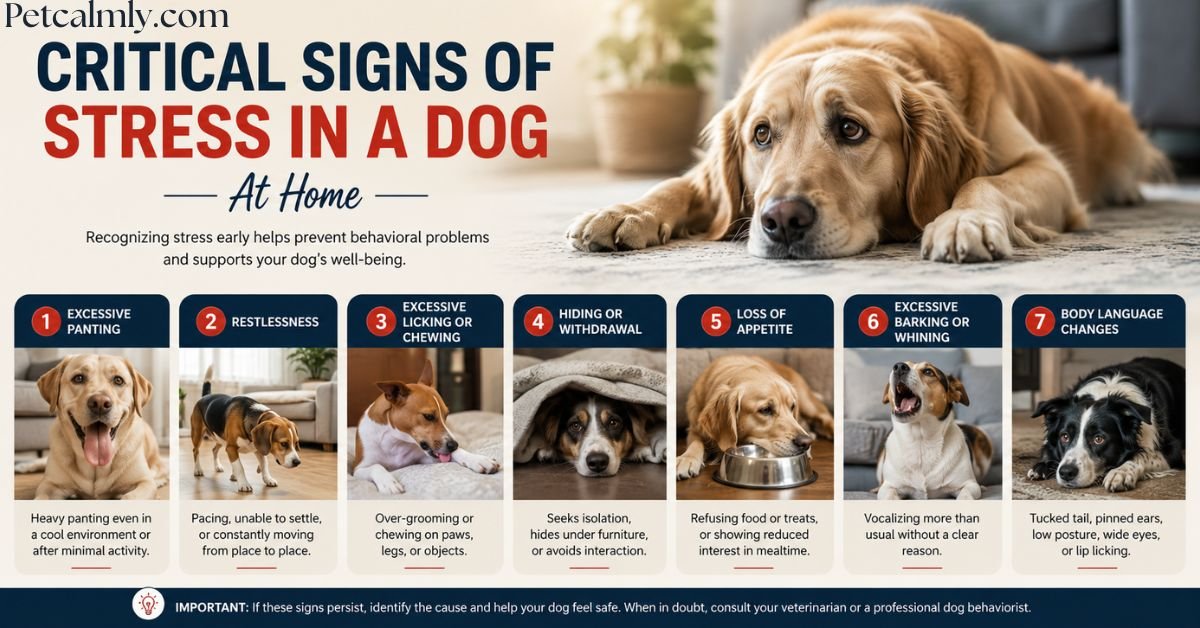
Signs Your Dog May Be Anxious
Some anxious dogs show obvious fear. Others display subtle stress signals owners easily miss.
Common Anxiety Symptoms in Dogs
Physical Signs
- Trembling
- Panting without exercise
- Excessive drooling
- Dilated pupils
- Pacing
- Tucked tail
- Shaking
Behavioral Signs
- Barking or whining excessively
- Hiding
- Avoiding eye contact
- Clinginess
- Destructive chewing
- Indoor accidents
- Refusing food during stress
- Lunging or reactive behavior
Emotional Patterns
Many anxious dogs appear “fine” one moment and overwhelmed the next. This often happens because stress builds gradually until the dog reaches their emotional limit.
Owners commonly notice this during:
- Vet visits
- Walks near traffic
- Meeting strangers
- Fireworks
- Separation from family members
- Busy environments
Why Punishment Often Makes Anxiety Worse
Many people unintentionally punish fearful behavior because they misunderstand it.
Yelling, leash jerks, shock collars, forced exposure, or harsh corrections can increase stress hormones in anxious dogs.
A fearful dog may stop reacting temporarily, but internally the fear often grows stronger.
What Happens Emotionally
Imagine a dog scared of strangers.
If the dog growls and gets punished, they may learn:
- Strangers are scary
- Warning signals are unsafe
- Their owner becomes unpredictable during stress
This can increase:
- Fear biting risk
- Shutdown behavior
- Avoidance
- Panic reactions
Positive reinforcement focuses on emotional safety instead of control through fear.
5 Common Causes of Anxiety in Dogs
Understanding the cause helps owners train more effectively.
1. Lack of Early Socialization
Dogs exposed to limited environments during puppyhood may fear:
- New people
- Sounds
- Surfaces
- Cars
- Other animals
2. Traumatic Experiences
Rescue dogs or previously neglected dogs may associate certain situations with danger.
Examples include:
- Loud yelling
- Rough handling
- Isolation
- Painful experiences
3. Genetics and Temperament
Some breeds and individual dogs naturally have more sensitive temperaments.
4. Separation Anxiety
Some dogs panic when left alone due to hyper-attachment or insecurity.
5. Medical Conditions
Pain, hearing loss, hormonal issues, or neurological conditions can sometimes contribute to anxiety-like behavior.
This is why sudden behavior changes should never be ignored.
How Positive Reinforcement Changes an Anxious Dog’s Mindset
Positive reinforcement does more than teach obedience.
It changes emotional associations.
Example: Fear of Visitors
An anxious dog may think:
“Visitors are dangerous.”
With careful training:
- Visitor appears
- Dog receives high-value treats
- Visitor stays calm and non-threatening
- Dog remains below panic level
Eventually the dog may think:
“Visitors predict good things.”
That emotional shift is the foundation of confidence-building.
Step-by-Step Positive Reinforcement Training for Anxious Dogs
Step 1: Identify Your Dog’s Triggers
Write down situations that cause stress.
Examples:
- Doorbell sounds
- Vacuum cleaners
- Crowds
- Men with hats
- Other dogs
- Being alone
Knowing triggers helps you avoid overwhelming your dog during training.
Step 2: Find High-Value Rewards
Regular kibble may not work during stressful situations.
Try:
- Chicken pieces
- Cheese
- Freeze-dried treats
- Peanut butter
- Favorite toys
The reward must feel more exciting than the environment.
Step 3: Start Below the Fear Threshold
This is one of the most important parts of anxiety training.
A dog that is already panicking cannot learn effectively.
Example
If your dog reacts to strangers at 10 feet away:
- Begin training at 40 feet
- Reward calm observation
- Slowly decrease distance over multiple sessions
This process is often called desensitization and counterconditioning.
Step 4: Reward Calm Choices
Don’t wait for “perfect” behavior.
Reward small wins like:
- Looking calmly
- Sniffing confidently
- Relaxed body posture
- Turning toward you
- Quiet behavior
Tiny improvements matter.
Step 5: Keep Sessions Short
Anxious dogs tire mentally very quickly.
Aim for:
- 5–10 minute sessions
- Calm environments
- One trigger at a time
Ending on a positive note helps build confidence.
Helpful Positive Reinforcement Exercises
“Look at Me” Focus Exercise
This teaches your dog to check in with you during stress.
How to Teach It
- Say your dog’s name
- Reward eye contact immediately
- Repeat in quiet spaces
- Gradually practice around mild distractions
This becomes extremely useful during walks or stressful encounters.
Reward Calm Relaxation
Many owners accidentally reward excitement more than calmness.
Instead:
- Quietly reward relaxed body language
- Toss treats onto a bed or mat
- Praise resting calmly
This teaches emotional self-regulation.
Confidence Walks
Allow your dog to:
- Sniff freely
- Explore slowly
- Choose pace
- Observe from safe distances
Constant leash tension can increase stress. Calm exploration often lowers anxiety naturally.
Common Mistakes Owners Make
Moving Too Fast
Owners often expose dogs to overwhelming situations too quickly.
Progress should feel gradual and manageable.
Accidentally Reinforcing Fear
Some people worry that comforting a fearful dog “rewards fear.”
In reality, calm reassurance usually does not create anxiety. However, frantic emotional responses from owners can increase tension.
Stay calm, predictable, and supportive.
Inconsistent Training
Anxious dogs thrive on predictable routines.
Mixed signals confuse them.
For example:
- Rewarding calmness one day
- Punishing fear the next
Consistency builds trust.
Flooding the Dog
Flooding means forcing a dog into an overwhelming situation until they “get used to it.”
Examples:
- Taking a fearful dog to a crowded park immediately
- Forcing interactions with strangers
- Trapping the dog near triggers
This can worsen fear dramatically.
Daily Habits That Help Reduce Anxiety
Training works best alongside a supportive lifestyle.
Create Predictable Routines
Dogs feel safer when life feels predictable.
Try consistent:
- Feeding times
- Walk schedules
- Bedtimes
- Quiet periods
Use Mental Enrichment
Mental stimulation can reduce stress-related behaviors.
Helpful activities include:
- Puzzle feeders
- Snuffle mats
- Scent games
- Frozen food toys
- Basic obedience games
Prioritize Sleep and Rest
Overtired dogs may become more reactive.
Many adult dogs need 12–14 hours of rest daily.
Avoid Constant Overstimulation
Some anxious dogs struggle in chaotic homes.
Reduce unnecessary stressors when possible:
- Loud TV volume
- Rough play
- Constant visitors
- Busy dog parks
Positive Reinforcement vs Punishment Training
| Positive Reinforcement | Punishment-Based Methods |
|---|---|
| Builds trust | Can increase fear |
| Encourages learning | May suppress warning signs |
| Improves emotional safety | Often increases stress |
| Strengthens owner bond | Can damage confidence |
| Encourages voluntary behavior | Relies on avoidance |
For anxious dogs especially, trust-based learning tends to create safer long-term results.
Best Rewards for Fearful Dogs
Food Rewards
These work best for many dogs.
Popular choices:
- Boiled chicken
- Turkey
- Cheese
- Soft training treats
Use tiny pieces to avoid overfeeding.
Toy Rewards
Some dogs respond better to:
- Tug toys
- Balls
- Squeaky toys
Especially useful for energetic dogs.
Life Rewards
Real-world rewards also matter.
Examples:
- Going outside
- Sniffing a tree
- Greeting a familiar person
- Playtime
A Realistic Example of Progress
Imagine a rescue dog terrified of men.
At first:
- The dog hides
- Refuses treats
- Trembles during walks
The owner starts slowly:
- Rewarding calm glances from far away
- Avoiding forced greetings
- Practicing daily confidence exercises
After several weeks:
- The dog walks calmly past people
- Accepts treats outdoors
- Recovers faster after stress
The dog may never become extremely social, but they become more secure and functional.
That is meaningful progress.
What Should Pet Owners Do?
If your dog struggles with anxiety, focus on creating emotional safety first.
Practical Action Plan
Start With These Steps
- Identify anxiety triggers
- Avoid overwhelming situations
- Use high-value rewards
- Reward calm behavior immediately
- Keep routines predictable
- Practice short training sessions daily
- Track progress in a notebook
Build Confidence Gradually
Think in small victories:
- One calm walk
- One successful visitor interaction
- One quiet afternoon alone
Confidence grows through repetition.
Use Management Tools
Helpful tools may include:
- Front-clip harnesses
- White noise machines
- Crates used positively
- Calming enrichment toys
- Baby gates for safe space separation
Work at Your Dog’s Pace
Some dogs improve quickly. Others need months of careful work.
Progress is rarely perfectly linear.
A stressful day does not erase previous success.
When Should You Be Concerned?
Some anxiety requires professional help.
Contact a Veterinarian If Your Dog:
- Suddenly becomes fearful
- Stops eating regularly
- Injures themselves during panic
- Shows aggression from fear
- Cannot settle even at home
- Has severe separation anxiety
- Experiences constant trembling or distress
A veterinarian can rule out medical problems and discuss additional support options if necessary.
Consider a Certified Dog Behavior Professional If:
- Training feels stalled
- Fear reactions are escalating
- You feel unsafe
- Your dog has bite history
- Anxiety severely affects daily life
A qualified behavior expert can create a personalized training plan.
Can Medication Help an Anxious Dog?
In some cases, yes.
Medication is not a “failure.” For severely anxious dogs, veterinary-prescribed medication may help lower panic levels enough for training to work effectively.
Behavior modification and positive reinforcement still remain essential.
Never give human anxiety medications unless specifically directed by a veterinarian.
Beginner Checklist for Positive Reinforcement Success
Do
- Reward calmness quickly
- Keep training sessions short
- Stay patient
- Use gentle encouragement
- Watch body language
- Allow safe distance from triggers
Don’t
- Punish fear responses
- Force social interaction
- Yell during anxious moments
- Rush progress
- Ignore warning signs
- Expect overnight transformation
Frequently Asked Questions
1: Does positive reinforcement really work for anxious dogs?
Yes. Reward-based training helps many anxious dogs build safer emotional associations and confidence over time. Consistency is important.
2: Can you accidentally reward fear in dogs?
Fear itself is an emotion, not deliberate misbehavior. Calm reassurance usually does not “teach” anxiety. However, staying calm yourself helps prevent additional stress.
3: How long does it take to help an anxious dog?
It varies widely. Some dogs improve within weeks, while others need several months of steady training and environmental management.
4: What treats work best for fearful dogs?
High-value treats such as chicken, cheese, or soft meat-based rewards often work best because they hold the dog’s attention during stressful situations.
5: Should I comfort my anxious dog during storms?
Yes, gentle comfort is generally fine if it helps your dog feel safer. Pairing storms with treats, toys, or calming activities can also help.
6: Is positive reinforcement better than punishment training?
For anxious dogs, positive reinforcement is usually safer and more effective because it builds trust instead of increasing fear or stress.
More Information About Pets, Please Visit Our Website: Advanced Dog Obedience Training
Conclusion
Helping an anxious dog takes patience, empathy, and realistic expectations. Some dogs gain confidence quickly. Others improve in small steps that only become obvious over time.
Positive reinforcement gives fearful dogs a chance to feel understood instead of pressured. That emotional safety matters more than many owners realize.
A calm glance instead of barking, a relaxed walk past a trigger, or a peaceful nap during a storm may seem small but those moments often represent major emotional progress.