Short direct answer
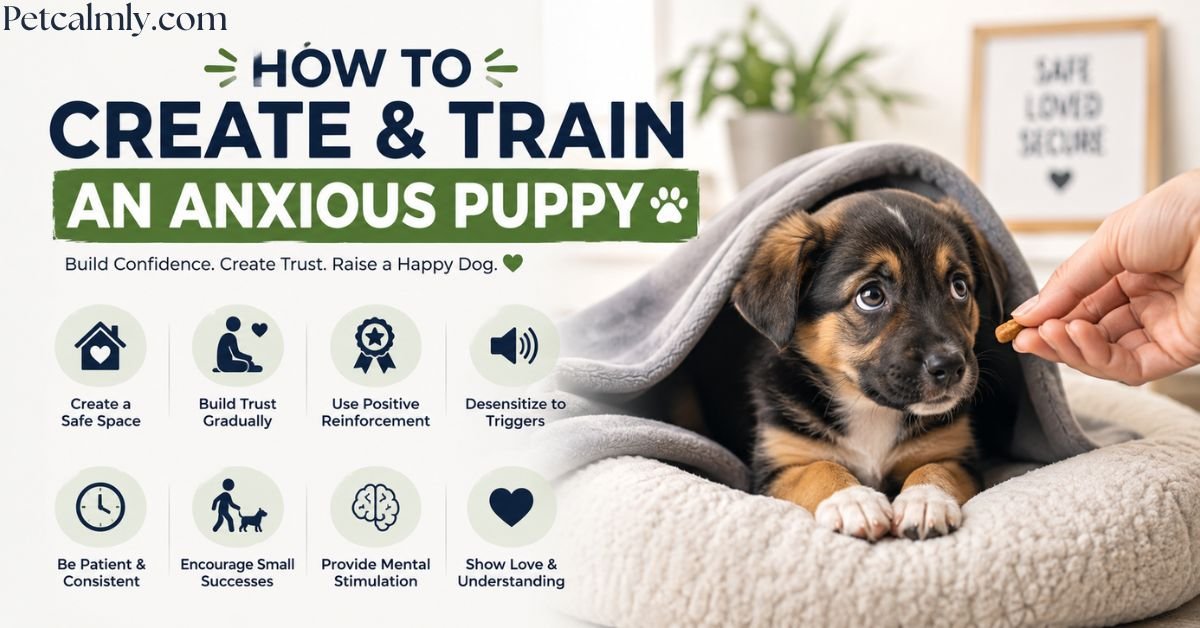
Crate training an anxious puppy means teaching your puppy to see their crate as a safe, comforting space instead of a place of fear or isolation. The key is to go slowly, use positive reinforcement, and never force your puppy inside. Start by making the crate cozy with soft bedding, toys, and treats, then gradually build positive associations through short, calm sessions. Over time, your puppy learns that the crate is a secure “den” where they can relax, especially when feeling overwhelmed or anxious.
Consistency, patience, and emotional reassurance are essential. Rushing the process can worsen anxiety, so progress should always match your puppy’s comfort level.
Why Crate Training an Anxious Puppy Matters
Bringing home an anxious puppy can feel both heartwarming and challenging. Some puppies struggle with separation, loud noises, new environments, or even simple alone time. In such cases, crate training can become one of the most valuable tools for emotional stability when done correctly.
A crate is not a punishment. When introduced properly, it becomes a personal safe space where your puppy can rest, decompress, and feel protected from overstimulation.
This guide will walk you through gentle, real-life methods to crate train an anxious puppy without increasing fear or stress. You’ll also learn what mistakes to avoid, how to read your puppy’s emotional signals, and when professional help might be needed.
Understanding Anxiety in Puppies
Before training begins, it’s important to understand what “anxious puppy behavior” actually looks like.
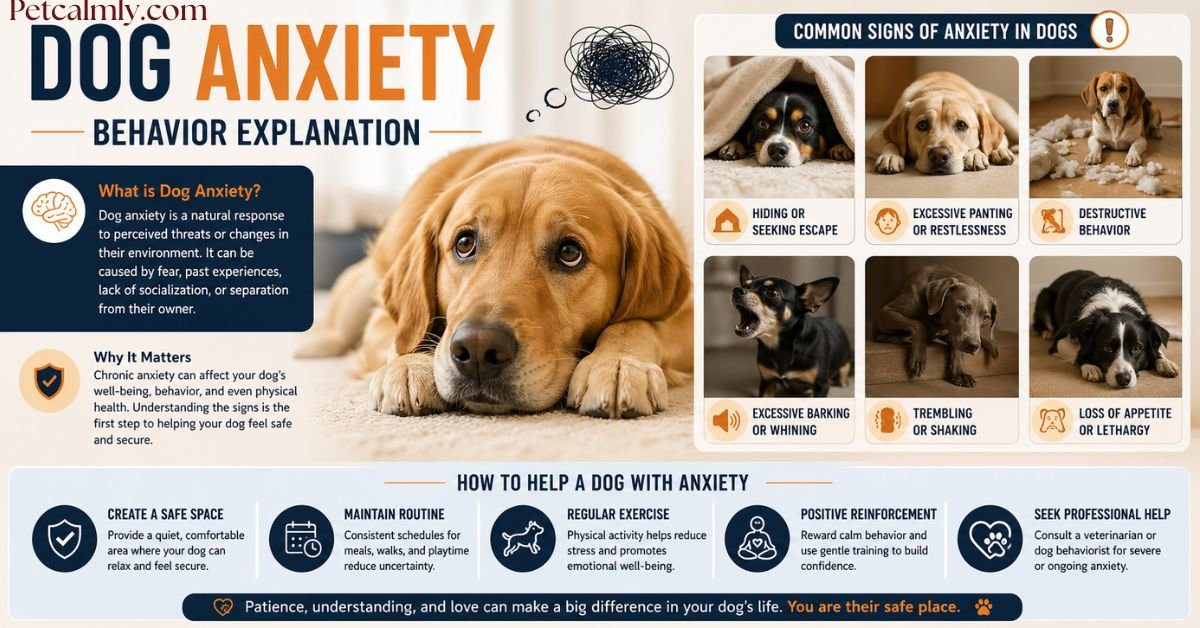
Common signs of anxiety in puppies:
- Whining or barking when left alone
- Pacing inside the crate or room
- Refusing to enter the crate
- Excessive panting or drooling
- Scratching at doors or crate bars
- Freezing or trembling when confined
- Following you constantly (separation stress)
Anxiety is not disobedience. It is often linked to lack of confidence, early life experiences, or sudden environmental changes.
For example, a puppy that was recently separated from its litter may feel unsafe when isolated even for a few minutes.
Preparing the Crate: Creating a Safe Emotional Space
The crate setup plays a huge role in success.
Make the crate inviting:
- Soft blanket or vet bed for comfort
- A safe chew toy (like rubber toys or puzzle toys)
- Light coverage over the crate (creates den-like feeling)
- Proper ventilation and comfortable temperature
Where to place the crate:
- In a calm but not isolated area
- Near family activity (living room works well)
- Avoid basements or noisy isolated corners
A common mistake is placing the crate far away from the family. An anxious puppy needs reassurance that they are still “part of the pack.”
5. Step-by-Step Guide: How to Crate Train an Anxious Puppy
Step 1: Let the puppy explore freely
Do not close the door. Allow your puppy to sniff, enter, and leave at will.
Step 2: Use food motivation
- Drop treats near the crate
- Place treats just inside the entrance
- Gradually move them deeper inside
This builds curiosity and positive association.
Step 3: Feed meals inside the crate
Start with the door open. Once comfortable, close it for just a few seconds while they eat.
Step 4: Short crate sessions
- Start with 1–2 minutes
- Sit nearby and stay calm
- Open door before anxiety builds
Step 5: Slowly increase duration
Increase time gradually:
- 5 minutes
- 10 minutes
- 20 minutes
- Longer periods only when calm
Step 6: Add “quiet exit” training
Never release your puppy when they are crying or panicking. Wait for a moment of calm before opening the crate.
This teaches emotional control, not panic behavior.
6 Common Mistakes That Increase Anxiety
Many pet owners unintentionally make crate anxiety worse.
Avoid these mistakes:
- Forcing the puppy into the crate
- Using crate as punishment
- Leaving puppy too long too soon
- Responding immediately to whining
- Ignoring early signs of stress
- Changing crate location frequently
One of the biggest errors is rushing progress. Puppies need emotional repetition, not pressure.
Helping an Anxious Puppy Feel Safe in the Crate
Use calm conditioning techniques:
- Sit near the crate and talk softly
- Offer treats randomly while they are inside
- Use a consistent phrase like “crate time”
- Stay relaxed your energy affects them
Try calming aids (optional):
- Soft classical music
- White noise machine
- A worn t-shirt with your scent
- Lick mats for distraction
These small details can significantly reduce stress levels.
Crate Training Timeline (Realistic Expectations)
Every puppy is different, but here is a general guide:
| Stage | Duration | Goal |
|---|---|---|
| Introduction | 1–3 days | Exploration without pressure |
| Early comfort | 3–7 days | Eating and resting inside crate |
| Short closure | 1–2 weeks | Door closed for short periods |
| Independent rest | 2–4 weeks | Calm crate relaxation |
Some anxious puppies may take longer, and that is completely normal.
When Should You Be Concerned?
While mild anxiety is common, certain signs require extra attention.
Seek veterinary or professional help if:
- Puppy panics violently in the crate
- Self-harming behavior (scratching, biting bars)
- Refuses food or water due to stress
- Extreme separation anxiety that worsens over time
- No improvement after consistent training
In some cases, a veterinarian or certified behaviorist may help rule out medical or deep behavioral issues.
What Should Pet Owners Do? (Practical Action Plan)
Here is a simple daily routine for success:
Morning routine:
- Short crate session after breakfast
- Calm release after quiet behavior
Daytime:
- Crate naps after play sessions
- Treat-based crate reinforcement
Evening:
- Longer relaxation period in crate
- Soft environment (lights low, calm voice)
Key rules:
- Always stay patient
- Never rush emotional progress
- Reward calm behavior only
- Keep sessions short and positive
Dos and Don’ts of Crate Training an Anxious Puppy
Do:
- Make crate a positive space
- Use treats and praise
- Increase time slowly
- Stay consistent
- Respect emotional limits
Don’t:
- Force entry
- Use crate for punishment
- Leave puppy too long early on
- Ignore stress signals
- Compare progress with other dogs
Real-Life Example: A Nervous Rescue Puppy
A common case is a rescue puppy who initially refuses the crate entirely. At first, even approaching the crate may trigger hesitation. But with gentle steps treat trails, open-door feeding, and short calm sessions the puppy slowly begins entering voluntarily.
Within a few weeks, many anxious puppies start choosing the crate on their own for naps. That shift from fear to choice is the real goal of crate training.
Long-Term Benefits of Proper Crate Training
When done correctly, crate training can:
- Reduce separation anxiety
- Improve sleep quality
- Create a safe travel space
- Support house training
- Build emotional stability
Most importantly, it gives your puppy a personal “safe zone” they can rely on throughout life.
Conclusion
Crate training an anxious puppy is not about control it’s about building trust. When your puppy learns that the crate is a calm and safe space, anxiety gradually decreases and confidence grows.
The process requires patience, consistency, and emotional awareness. Every small positive experience builds toward long-term comfort.
Take it slow, respect your puppy’s pace, and focus on calm reinforcement rather than pressure. Over time, your puppy will begin to see the crate not as confinement, but as comfort.
More Information About Pets, Please Visit Our Website: How to Train Your Dog to Help with Anxiety Attacks
Frequently Asked Questions
1. How long does it take to crate train an anxious puppy?
It usually takes 2 to 4 weeks, but anxious puppies may need more time depending on temperament and past experiences.
2. Should I let my puppy cry in the crate?
Mild whining can happen, but intense crying should not be ignored. Always check for stress levels and ensure training is gradual.
3. Is crate training good for separation anxiety?
Yes, when done correctly. It provides a structured safe space, but it must be introduced slowly to avoid worsening anxiety.
4. What if my puppy refuses to enter the crate?
Do not force them. Use treats, meals, and positive encouragement to build trust gradually.
5. Can I use toys in the crate for anxious puppies?
Yes, safe chew toys and lick mats can help reduce stress and make the crate more enjoyable.
6. When should I stop crate training?
You don’t need to stop. Once your puppy is comfortable, the crate becomes a lifelong safe resting space, not a training tool.