Short direct answer
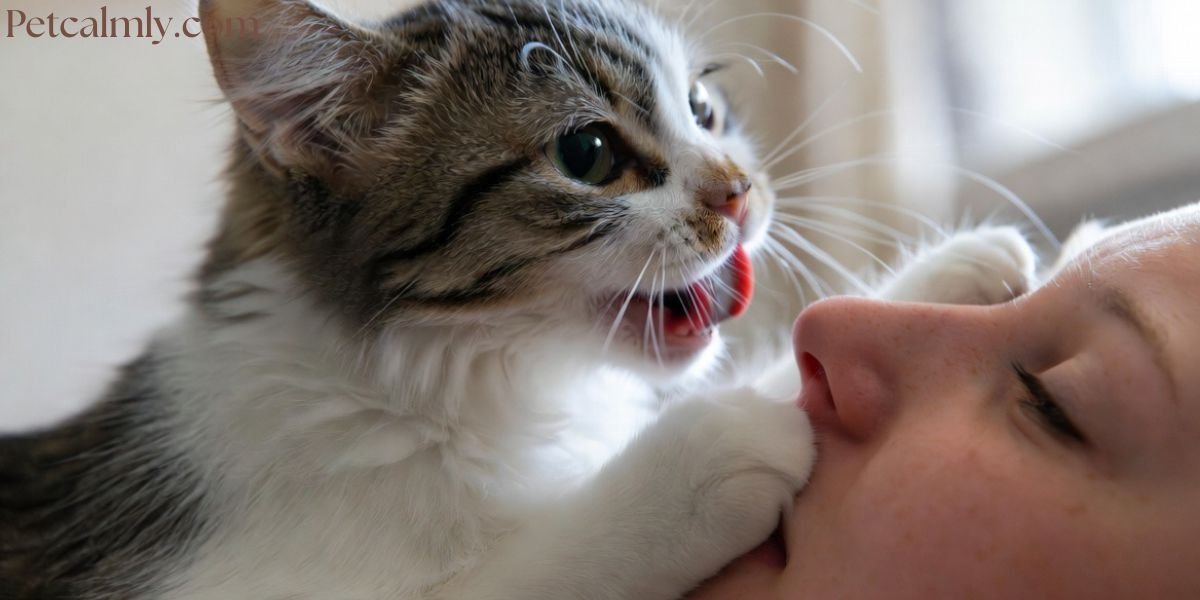
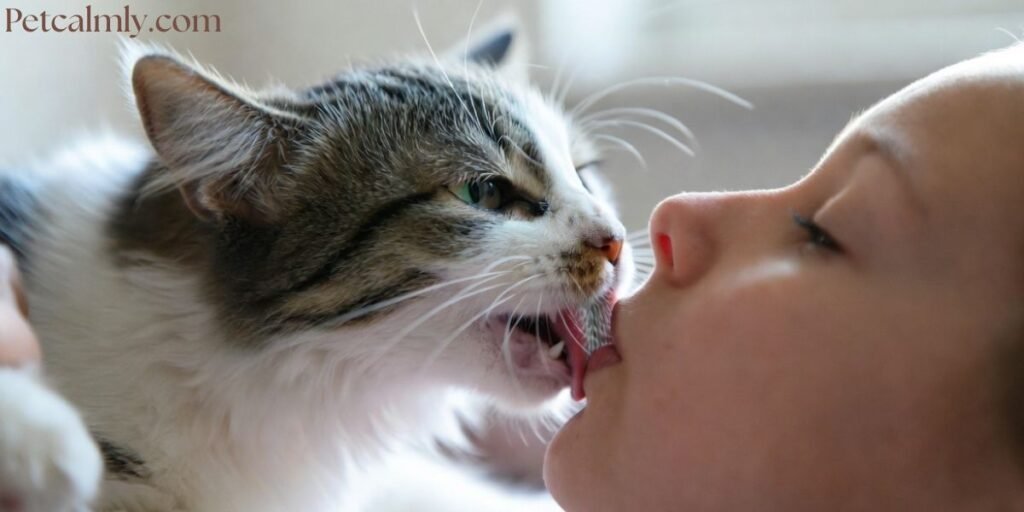
Your cat licking your nose and then biting it is usually a love bite combined with grooming behavior. Cats show affection by mimicking how they groom each other in a colony licking to bond, followed by a gentle nip. It often means “you’re family” or signals they’ve had enough petting. Most times it’s harmless and loving, though context like body language matters.
This quirky habit leaves many cat owners puzzled and sometimes startled. One moment your feline friend is sweetly licking your face, and the next there’s a quick bite on the nose. Understanding why cats lick and bite helps strengthen your bond and prevents misunderstandings. As a pet parent, knowing the difference between affection and discomfort keeps interactions positive for both of you.
Why Cats Lick Your Nose First
Licking is one of the purest ways cats express trust and care. Mother cats lick their kittens to clean them, comfort them, and mark them with their scent. When your adult cat licks your nose, they’re often treating you like part of their family group.
The nose is prominent, warm, and easy to reach when you’re close. Many cats focus there because it carries your unique scent. A slow, deliberate lick usually signals deep affection or a desire to groom you as they would a littermate.
Think of it like a friendly hello or a mini spa treatment from your cat. One owner shared how her tabby would climb onto her chest during quiet evenings, lick her nose softly, and purr loudly clear signs of contentment and bonding.
The Gentle Bite That Follows: Love Bites Explained
The bite after the lick is commonly called a love bite or inhibited bite. Cats use their teeth gently during social grooming to remove tiny bits of dirt or to communicate closeness. In the wild or with other cats, this mix of licking and light nipping helps maintain social bonds without causing real harm.
Your cat isn’t trying to hurt you. The bite is usually quick, soft, and without breaking skin. It often means “I love you” or “we’re connected.” Some experts compare it to how cats nibble each other’s ears or necks during relaxed moments.
In many cases, the sequence lick then bite mirrors natural feline play or affection rituals. Kittens especially do this while learning social skills. If your cat does it during cuddling sessions, it’s likely their way of saying you belong to them.
Overstimulation: When Affection Turns to a Gentle Warning
One of the most common reasons for the lick-bite combo is petting-induced overstimulation. Cats have sensitive nerve endings. What starts as enjoyable petting can quickly become too much, especially on the head, back, or belly.
Your cat may lick your nose happily at first, but as stimulation builds, they give a little bite to say “that’s enough for now.” It’s not aggression it’s their polite (or not-so-polite) way to set boundaries.
Watch for signs: flattened ears, twitching tail, dilated pupils, or sudden restlessness. If the bite happens after several minutes of interaction, overstimulation is probably the culprit.
A real-life example: Sarah’s Maine Coon loved face cuddles but would always lick her nose and then nip after about 30 seconds. Once she learned to stop petting at the first sign of tail swishing, the bites almost disappeared.
Playfulness and Attention-Seeking Behavior
Cats are natural hunters and playful creatures. The lick-then-bite can also be an invitation to play. Your nose is an interesting, moving target close to their level when you’re lying down or sitting nearby.
Some cats use this behavior to wake you up in the morning for breakfast or attention. It’s like a playful tap on the shoulder, feline-style. If your cat does it while you’re sleeping or relaxing, they might simply want interaction.
Younger cats and kittens show this more often as they practice hunting skills and social play. The lick softens the interaction, while the bite adds a fun, gentle challenge.
Other Possible 4 Reasons for Nose Licking and Biting
1: Scent marking and ownership: Cats have scent glands on their faces. Licking and nibbling helps them mix their scent with yours, claiming you as safe and familiar.
2: Exploration or curiosity: Kittens especially explore new textures and smells with their mouth. Your nose might just be fascinating up close.
3: Stress or anxiety relief: In rare cases, excessive licking and biting can signal discomfort. If the behavior is sudden or intense, check for changes in the home environment.
4: Medical issues: Though uncommon, dental pain, skin irritation, or allergies might cause unusual mouth behaviors. A vet visit rules these out.
Most times, the behavior stays gentle and affectionate. Harder bites or hissing alongside it point to a different message.
Reading Your Cat’s Body Language
Context is everything when decoding why your cat licks your nose then bites it. Positive signs include purring, slow blinking, relaxed body posture, and kneading paws. These mean the interaction is loving.
Warning signs of overstimulation or irritation include:
- Tail thumping or flicking
- Ears turning sideways or flattening
- Skin rippling along the back
- Sudden stillness or wide eyes
- Growling or hissing
If the bite draws blood or seems angry, it’s time to step back and reassess. Gentle love bites rarely break skin and are often followed by more purring or head-butting.
Real-Life Scenarios Pet Owners Encounter
Picture this: You’re lying in bed reading, and your cat jumps up, licks your nose affectionately, then gives a quick nip. For many, this is pure love mixed with “pay attention to me.”
Another common story: During evening lap time, the cat grooms your face happily until the bite signals “session over.” Learning to respect these cues prevents escalation.
One cat parent described her rescue kitten starting the habit during adoption week. The licks felt like trust-building, and the soft bites showed the kitten was comfortable enough to play. Over months, the behavior became their special greeting.
When Should You Be Concerned?
Most nose lick-bite episodes are normal and harmless. However, watch for red flags that suggest something more serious:
- The bite becomes harder and painful over time
- Your cat shows aggression like growling, swatting, or hiding afterward
- Sudden increase in frequency without clear triggers
- Accompanied by excessive grooming of themselves, bald patches, or changes in appetite
- Signs of illness such as lethargy, vomiting, or unusual vocalizations
If the behavior seems out of character, schedule a vet check-up. Dental problems, skin allergies, or even pain from arthritis can sometimes manifest in odd oral behaviors.
Trust your instincts as a pet owner. When in doubt, a quick call to your veterinarian brings peace of mind. Early attention keeps small issues from growing.
What Should Pet Owners Do? Practical Steps and Tips
1: Observe and note patterns — Keep a simple mental (or written) log of when the behavior happens. Is it during petting? At night? After meals? Patterns reveal whether it’s affection, overstimulation, or play.
2: Respect boundaries — When you notice early signs of overstimulation, gently stop petting and give your cat space. Many cats appreciate short, frequent interactions over long sessions.
3: Redirect gently — Offer a toy instead of your face when the licking starts turning into biting. This satisfies their need for play without involving your nose.
4: Reward calm behavior — Use positive reinforcement. Praise or treat your cat when they interact softly without nipping. Avoid punishing bites—it can increase anxiety or fear.
5: Provide enrichment — Bored cats show more attention-seeking or playful biting. Interactive toys, scratching posts, puzzle feeders, and window perches keep them mentally stimulated.
6: Train with consistency — If the bites bother you, calmly say “no” and move away for a few seconds. Consistency teaches that gentle behavior gets continued attention.
7: Consider your cat’s age and personality — Kittens outgrow some habits with time and proper socialization. Older cats may need more patience as their tolerance changes.
Small adjustments often solve the issue quickly. Many owners turn the behavior into a cherished ritual by responding with affection at the right moments.
Building a Stronger Bond Through Understanding
Learning your cat’s unique communication style deepens your relationship. The lick-bite sequence on your nose is rarely random it’s your cat’s personal way of connecting with you.
Some cats are more “mouthy” than others due to breed traits, early experiences, or personality. Siamese and other vocal breeds, for instance, often use their mouths expressively.
Embrace the behavior when it’s gentle and loving. For many families, these quirky moments become favorite memories of life with cats.
Conclusion
Your cat licking your nose and then biting it is typically a sign of affection, grooming instincts, or a gentle request to adjust the interaction. In most cases, it’s a loving “you’re mine” message wrapped in natural feline behavior.
Pay close attention to body language, respect their limits, and respond with patience. This approach turns a potentially confusing habit into an opportunity for closer connection.
If the bites ever feel aggressive or concerning, consult your vet. Otherwise, enjoy these special moments they show just how much your cat trusts and loves you.
With understanding and a few simple tweaks, you and your feline companion can continue sharing sweet (and slightly nippy) face time for years to come.
More Information About Pets, Please Visit Our Website: Why Does My Cat Lick My Nose So Much
Frequently Asked Questions
1: Why does my cat lick my face and then bite my nose?
This is often a grooming and affection ritual. Cats lick to show love and bond, then add a gentle bite as part of social interaction or to signal they’ve had enough stimulation.
2: Is it normal for cats to lick and bite their owners?
Yes, it’s very common and usually harmless. Gentle love bites mixed with licking are typical ways cats express closeness, especially during relaxed cuddling.
3: How do I stop my cat from biting my nose?
Redirect their attention to a toy when licking turns to biting. Respect overstimulation signs, end sessions early, and use positive reinforcement for calm behavior. Never punish.
4: Does my cat bite my nose because they are angry?
Rarely. Most nose bites after licking are affectionate or playful. True anger usually includes hissing, flattened ears, or swatting. Check body language carefully.
5: Why does my kitten lick my nose then bite it more than my older cat?
Kittens explore the world with their mouths and practice social skills. They often show more licking and biting while learning boundaries. The habit usually mellows with age and training.
6: Should I let my cat lick and bite my nose?
If the bites stay gentle and don’t break skin, it’s generally fine and a sign of trust. However, if it bothers you or becomes too rough, gently discourage it and offer alternatives like toys or head scratches instead. Always prioritize safety and comfort for both of you.