Short direct answer
Your cat keeps checking on you at night mostly because they see you as part of their family and want to make sure you’re safe. Cats are crepuscular naturally more active at dawn and dusk so they patrol the house while you’re sleeping. This gentle “check-in” is often a sign of love, bonding, and their protective instincts. It’s usually completely normal and harmless.
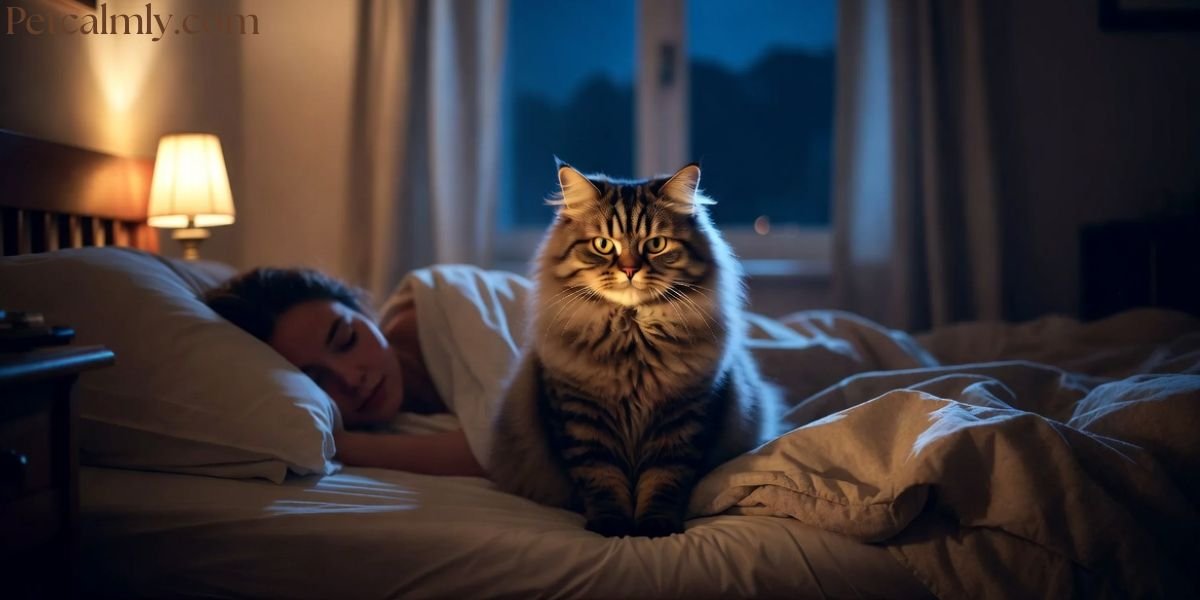
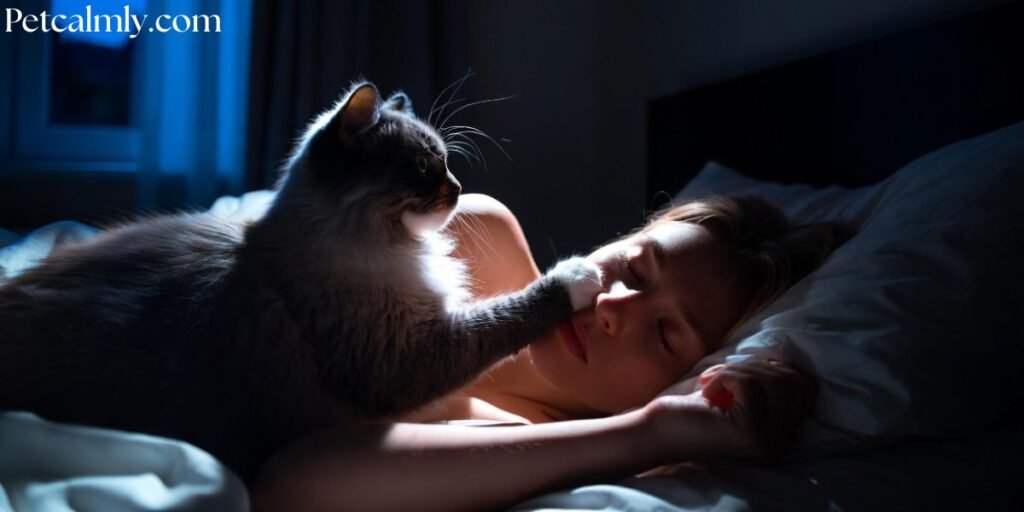
Many cat owners wake up to find their feline friend sitting quietly nearby, staring softly, or gently touching their face with a paw or nose. It can feel sweet or a bit startling at 3 a.m. but understanding the reasons helps you respond with patience and care.
Why This Behavior Matters to Cat Parents
If you’ve ever wondered “why does my cat keep checking on me at night,” you’re not alone. This common habit touches on the deep bond between cats and their humans. Cats don’t sleep like we do; they take many short naps throughout the day and become lively when the house is quiet.
For you, it might mean interrupted sleep. For your cat, it’s their way of staying connected. Recognizing this helps turn a potential frustration into a moment to appreciate how much your kitty trusts and cares for you.
6 Common Reasons Your Cat Checks on You at Night
Cats have several natural motivations for these nighttime visits. Here are the most frequent ones:
1. Affection and Social Bonding Your cat views you as a trusted companion in their “colony.” In the wild, felines check on family members to strengthen social ties. At night, when everything is still, they may come close to sniff your breath, listen to your breathing, or simply sit nearby because your presence makes them feel secure. It’s their version of saying, “I’m here, and you’re part of my group.”
One owner shared how her cat would quietly sit on the pillow and purr softly every night. It wasn’t about waking her it was pure companionship.
2. Crepuscular Instincts and Patrol Behavior Cats are wired to be most alert around twilight and early morning. While you sleep, they explore their territory, hunt imaginary prey (or real bugs), and make sure the home feels safe. Checking on you is part of that patrol. They treat you like an important territory member who needs occasional monitoring.
Think of it like a security guard doing rounds. Your cat isn’t trying to annoy you—they’re just following their internal clock.
3. Curiosity and Routine Cats thrive on routine. If they notice you moving at night (to use the bathroom or get water), they might start expecting interaction. Or they simply wonder what you’re up to during their active hours. A gentle nose boop or paw tap is their way of saying hello.
4. Seeking Warmth and Comfort Your body gives off heat, and many cats love curling up against you. Checking on you can quickly turn into a cozy snuggle session. This is especially true in cooler months or for cats who feel safest near their favorite person.
5. Hunger or Attention-Seeking Sometimes the “check” escalates because they’re hoping for a late-night snack or playtime. If you’ve ever given in and fed them or played at 2 a.m., they’ve learned that checking on you gets results. Boredom plays a big role too—cats left alone all day have energy to burn when you’re finally resting.
6. Protective Instincts Some experts note that cats may watch over sleeping humans because they see us as vulnerable. They might be “guarding” you in their own quiet way, especially if they sense any change in your breathing or movement.
Real-Life Examples of Nighttime Cat Behavior
Sarah from Karachi noticed her rescue cat, Luna, starting this habit after they moved to a new apartment. Luna would jump on the bed around midnight, stare for a minute, then settle at her feet. Once Sarah added evening play sessions with a feather wand, the intense staring reduced, but the occasional loving check-ins continued as a sign of growing trust.
Another common story: A senior cat begins visiting more frequently. In many cases, this reflects deeper attachment as the cat ages and seeks extra reassurance.
Signs It’s Normal vs. Something More
Most nighttime checking is quiet and brief: soft purring, slow blinking, or light kneading. Your cat may sniff your face, touch your hand, or simply sit and watch before wandering off again.
Pay attention to accompanying behaviors. Normal check-ins feel calm and affectionate. If your cat seems restless, vocalizes loudly, paces, or wakes you repeatedly with demanding meows, it could point to boredom, hunger, or another need.
When Should You Be Concerned?
While “why does my cat keep checking on me at night” is often innocent, certain changes deserve attention:
- Sudden increase in intensity or frequency, especially in older cats
- Excessive vocalizing, restlessness, or inability to settle
- Signs of distress like hiding, aggression, or changes in appetite
- Accompanying symptoms: weight loss, increased thirst, litter box issues, or disorientation
These could signal health concerns such as hyperthyroidism, pain, anxiety, cognitive changes in seniors, or even vision/hearing problems that make your cat more clingy at night.
If the behavior feels off or disrupts your sleep severely, schedule a vet visit. A quick check-up brings peace of mind for both of you.
What Should Pet Owners Do? Practical Tips to Manage Nighttime Checks
You don’t have to stop the behavior entirely many owners enjoy the sweet connection. But if it’s affecting your rest, try these simple, effective steps:
1: Adjust Your Cat’s Daily Schedule Increase playtime in the late afternoon and evening. Use interactive toys like laser pointers or wand toys to tire them out before bed. A good 15–20 minute session helps burn off crepuscular energy.
2: Feed Them Closer to Your Bedtime Offer a small meal or puzzle feeder with wet food in the evening. This satisfies hunger and promotes longer sleep stretches. Automatic feeders can help with early-morning demands.
3: Create a Cozy Independent Sleeping Spot Place a warm cat bed, heated pad, or familiar blanket near your bed (but not on it if you prefer). Add familiar scents or a piece of your clothing to make it appealing. Many cats prefer their own space once they feel secure.
4: Ignore Attention-Seeking Without Punishment If your cat wakes you for play or food, stay calm and avoid responding. Getting up reinforces the habit. It may take a few nights of consistency, but most cats adjust.
5: Enrich Their Environment Add vertical spaces, window perches, or safe nighttime toys. Puzzle toys that dispense kibble keep them mentally stimulated while you’re asleep.
6: Consider Calming Aids if Needed For anxious cats, pheromone diffusers (like Feliway) or vet-recommended calming supplements can help. Never use human medications without professional advice.
7: Routine and Consistency Win Stick to regular feeding, play, and bedtime habits. Cats feel safer with predictability, which often reduces unnecessary nighttime patrols.
One helpful analogy: Think of your cat’s checking as similar to a parent peeking into a child’s room at night. It’s caring, not controlling. With small adjustments, you can enjoy the bond while protecting your sleep.
Extra Tips for Better Nights with Your Cat
- Dim lights gradually in the evening to signal wind-down time.
- Avoid high-energy play right before bed.
- For multiple-cat homes, ensure each has their own resources to reduce competition.
- Track patterns for a week: note time, behavior, and what you did beforehand. This reveals what truly triggers the checks.
Most cats and owners find a happy balance. The goal isn’t to eliminate the affection it’s to make nighttime peaceful for everyone.
Conclusion
Your cat checking on you at night is usually a beautiful sign of trust, love, and their natural instincts. They patrol their territory, seek connection, and sometimes just want to confirm their favorite human is okay. By understanding crepuscular behavior, providing enough daytime stimulation, and maintaining consistent routines, you can reduce disruptions while cherishing the special bond.
If the habit ever worries you or affects your health, consult your veterinarian. With a little patience and the right adjustments, you and your cat can both enjoy restful nights filled with quiet affection when it feels right.
Sweet dreams to you and your furry guardian.
More Information About Pets, Please Visit Our Website: Why Does My Cat Stare at Me While I Sleep?”
How to Introduce New Cat to Home
Frequently Asked Questions
1: Is it normal for cats to watch you while you sleep?
Yes, it’s very common and often a positive sign of affection and vigilance. Many cats simply enjoy being near their trusted humans during quiet hours.
2: Why does my cat stare at me at night and then walk away?
This is typical territorial checking. They confirm everything (including you) is safe, then continue their rounds. No need for concern unless other symptoms appear.
3: How can I stop my cat from waking me up at night?
Focus on evening play, a late meal, and ignoring demands consistently. Enrich their day so they’re tired at your bedtime. Changes take time but work well.
4: Does my cat check on me because they’re worried about me?
Possibly. Cats can sense routines and may “guard” loved ones. It’s usually loving rather than anxious, but sudden changes warrant a vet check.
5: Should I let my cat sleep in my bed if they keep checking on me?
If it doesn’t disturb your sleep, yes many owners find it comforting. Otherwise, provide a nearby cozy alternative to satisfy their need for closeness.
6: Can health issues make cats more attentive at night?
Yes. Conditions like hyperthyroidism, pain, or senior cognitive changes can increase restlessness or clinginess. A veterinary exam rules out medical causes quickly.