Short direct answer
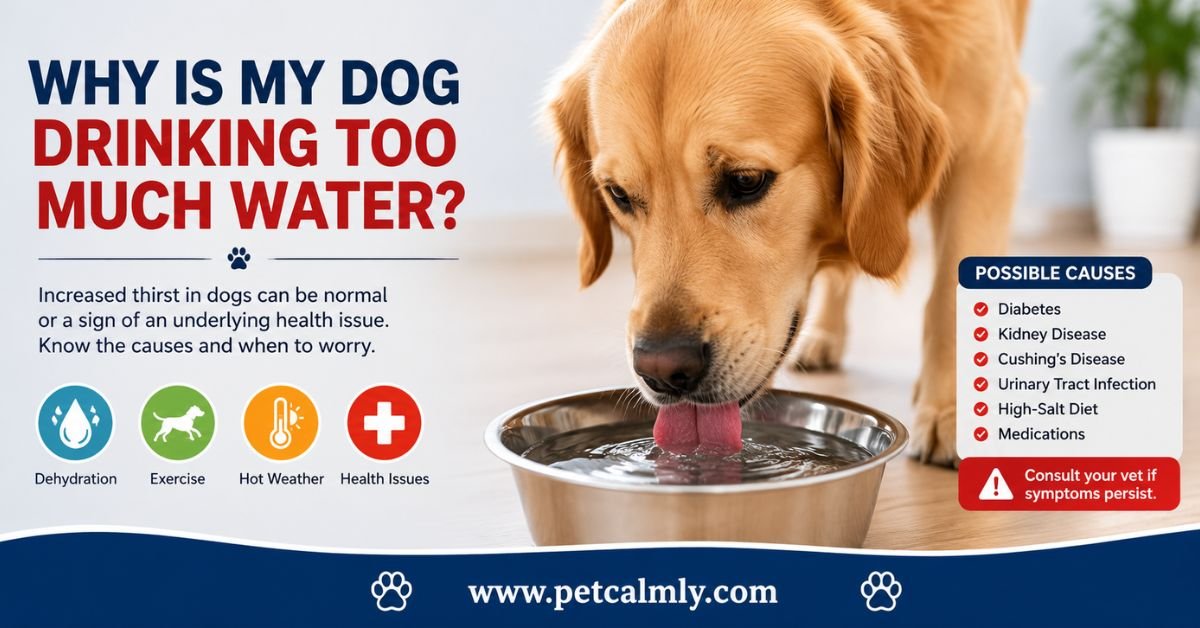
If your dog is drinking more water than usual, it could signal anything from a simple behavioral change to an underlying health condition that needs attention. The most common medical causes include diabetes, kidney disease, urinary tract infections, and Cushing’s disease. However, increased water intake can also result from hotter weather, more exercise, dietary changes, medications, or even just age-related shifts. The key is distinguishing between normal variation and something that warrants a veterinary visit.
Why Pet Owners Notice the Water Bowl Change
You’ve probably noticed it without quite realizing when it started. Your dog seems to be making more trips to the water bowl. Maybe it’s being refilled more often. Perhaps your pup is asking to go outside more frequently, or you’ve spotted some behavioral changes you can’t quite pin down.
This kind of observation is actually one of the most valuable things you can do as a pet owner. Dogs can’t tell us when something feels off, so we have to learn their patterns and notice when those patterns shift. And while increased water intake isn’t automatically a cause for alarm, it’s absolutely worth understanding.
Here’s what matters: you noticed something, and you’re looking for answers. That thoughtfulness is exactly what your dog needs from you right now. This guide will walk you through what causes excessive drinking in dogs, how to figure out if it’s actually a problem, and most importantly, when you should reach out to your veterinarian.
What’s Normal Dog Water Intake? Understanding Your Dog’s Baseline
Before you can determine if your dog is drinking too much, you need to understand what normal actually looks like.
A healthy adult dog typically drinks between 0.5 to 1 ounce of water per pound of body weight per day. For a 50-pound dog, that’s roughly 25 to 50 ounces daily or about 3 to 6 cups. To put that in practical terms, your dog should be visiting the water bowl several times throughout the day, but not constantly or obsessively.
Here’s what influences normal water intake:
- Age: Puppies and senior dogs often drink more than adult dogs in their prime
- Size: Smaller dogs may appear to drink more frequently simply because they need fewer total ounces
- Activity level: A dog who gets lots of exercise or plays intensely will naturally drink more
- Diet: Dogs eating dry kibble drink more than those eating wet food, which has high moisture content
- Climate: Hot weather and indoor heating both increase thirst
- Individual variation: Just like humans, some dogs are simply thirstier than others
- Stress: Anxious dogs sometimes increase water intake
You’re not necessarily measuring ounces every day (and most pet owners don’t), but you know your dog’s patterns. You recognize the rhythm of their day. When that rhythm changes noticeably when your dog seems glued to the water bowl, or you’re refilling it far more often than before that’s when you pay closer attention.
Common Medical Reasons for Excessive Drinking in Dogs
When your dog’s water consumption climbs beyond what’s normal for them, medical conditions are often responsible. Here are the most common culprits veterinarians see:
Diabetes Mellitus in Dogs
Diabetes is one of the leading causes of excessive drinking (a condition called polydipsia) in dogs, and it’s increasingly common, especially in older or overweight dogs.
Here’s what happens: In diabetic dogs, the pancreas doesn’t produce enough insulin, or the body can’t use insulin effectively. This causes blood sugar to rise, and the kidneys work overtime trying to filter out that excess glucose. As a result, dogs drink more water and urinate more frequently often a lot more.
Signs you might notice alongside increased drinking:
- Urinating more frequently and in larger volumes
- Weight loss despite normal or increased appetite
- Increased hunger
- Lethargy or loss of interest in activities
- Cloudy eyes (in advanced cases)
Diabetes is manageable with proper veterinary care, but it requires early detection. If you’re seeing the combination of increased drinking and increased urination, diabetes should be on your radar for a vet visit.
Kidney Disease
Chronic kidney disease is particularly common in senior dogs, and excessive drinking is often one of the earliest signs owners notice.
When a dog’s kidneys aren’t functioning optimally, they can’t concentrate urine as efficiently. So your dog’s body compensates by drinking more water to help flush out waste products. It’s actually a survival mechanism but it’s also a signal that something’s off.
What kidney disease looks like:
- Increased thirst and urination (often dramatic)
- Bad breath with a metallic or urine-like smell
- Loss of appetite
- Weight loss
- Vomiting or nausea
- Lethargy
- In advanced stages, confusion or stumbling
Kidney disease requires veterinary evaluation and ongoing management. The good news is that early detection can slow progression and help your dog live a comfortable life for years to come.
Urinary Tract Infections (UTIs)
UTIs are more common in female dogs, but they can happen to any dog regardless of sex. The frustrating part? UTIs often cause increased drinking and increased urination, which can look similar to more serious conditions.
The difference with UTIs:
- The increased urination might be accompanied by straining or difficulty
- You might notice blood or cloudiness in urine
- Accidents in the house (if your dog is typically housetrained)
- Behavioral changes like restlessness or constant repositioning
- Sometimes fever or lethargy
UTIs are usually straightforward to diagnose and treat with antibiotics, but they do need veterinary attention to confirm.
Cushing’s Disease (Hyperadrenocorticism)
Cushing’s disease occurs when a dog’s body produces too much cortisol (a stress hormone). It’s more common in middle-aged and senior dogs, and it can create a constellation of symptoms that might initially seem unrelated.
What Cushing’s looks like:
- Excessive drinking and urination (sometimes dramatic)
- Increased appetite
- Pot-bellied appearance
- Hair loss, especially on the back
- Thin, fragile skin
- Susceptibility to infections
- Panting or restlessness
- Muscle weakness
Cushing’s requires specialized testing to diagnose, but it’s manageable with proper veterinary care.
Other Medical Conditions That Cause Excessive Drinking
Several other conditions can increase a dog’s thirst. These include:
- Thyroid disorders: Hyperthyroidism (rare in dogs, more common in cats, but possible) can increase metabolism and thirst
- Liver disease: Affects the body’s ability to process water properly
- Pancreatitis: Inflammation of the pancreas can alter drinking behavior
- Certain medications: Some drugs—including diuretics, corticosteroids, and anticonvulsants—increase thirst as a side effect
- Fever or infection: Any infection process increases water needs
This is why context matters. When you visit your vet, the full picture of your dog’s health, medications, diet, and other symptoms helps them narrow down the possibilities.
Non-Medical Reasons Your Dog Might Be Drinking More
Not every increase in water intake signals a health problem. Sometimes it’s simply environmental or behavioral.
Heat and Weather Changes
This is probably the most straightforward explanation. Dogs drink more when it’s hot, just like you do. If you’ve recently moved, changed seasons, or your air conditioning settings have shifted, increased drinking might be perfectly normal.
Dogs also don’t have as many sweat glands as humans, so they rely on panting and increased water intake to regulate body temperature. A dog who spends more time outdoors during summer will naturally drink more.
Increased Activity or Exercise
A dog who’s started getting longer walks, more playtime, or has joined you for running or hiking will drink more water to replenish lost fluids and cool down. This is healthy adaptation, not a concern.
Dietary Changes
Switching from wet food to dry kibble will increase water intake. Dry food contains little moisture, so dogs compensate by drinking more. Similarly, certain ingredients—like higher salt content—can make dogs thirstier.
If you’ve recently changed your dog’s food, increased water consumption might just be a normal response to the new diet composition.
Age-Related Changes
Puppies and senior dogs often drink more than adult dogs in their prime. For puppies, it’s part of rapid growth and development. For senior dogs, metabolic changes and decreased kidney efficiency can increase thirst.
If your dog has been with you for years and you’ve gradually noticed their drinking pattern shift as they age, this might simply be a normal part of aging—though it’s still worth mentioning at regular veterinary checkups.
Stress or Anxiety
Some dogs drink excessively when they’re stressed, anxious, or bored. This is particularly common in dogs with separation anxiety. If your dog’s increased drinking coincides with a life change (new pet, moving, change in your schedule), stress might be the culprit.
Medication Side Effects
If your dog has recently started a new medication, check the side effects list. Corticosteroids (often prescribed for allergies or inflammation), diuretics, and certain other medications can increase thirst. This doesn’t mean the medication is wrong—just that it might explain the change, and your vet should know about it.
How to Monitor Your Dog’s Water Intake: A Practical Guide
You don’t need fancy equipment or obsessive tracking to monitor your dog’s drinking. But understanding what normal looks like for your dog is important.
Start with simple observation:
- Establish a baseline: For the next week, note approximately how often you’re refilling your dog’s water bowl and when. Is it twice a day? Three times? More? This is your baseline.
- Track changes: If you’re noticing increased drinking, start keeping rough notes. When did it start? Has it gotten progressively worse? Is it constant throughout the day, or are there specific times when it’s worse?
- Note other symptoms: Is your dog urinating more? Losing weight? Eating more? Showing any behavior changes? These details are gold for your veterinarian.
- Consider timing: Did the change correlate with anything else? New food? Warmer weather? Starting a new activity or medication? New stress in the household?
- Rule out the obvious: Before worrying, consider whether any lifestyle factors changed. More exercise? Warmer weather? New dry food? Sometimes the answer is simpler than it seems.
If you want to be more precise (which can be helpful for your vet), you can measure your dog’s water intake for a few days:
- Fill the bowl with a measured amount
- Record how much is left after 24 hours
- Do this for 3-5 consecutive days
- Average the daily consumption
But honestly, most pet owners and veterinarians can work effectively with careful observation and notes about changes you’ve noticed. Your awareness is what matters most.
Common Mistakes Pet Owners Make When Noticing Excessive Drinking
When you start worrying that something’s wrong with your dog, it’s easy to fall into some common patterns that might work against you:
1: Waiting too long to seek veterinary attention
The most significant mistake is assuming the increased drinking will go away on its own or that it’s definitely “just the heat.” While weather and activity changes explain many cases, medical conditions that cause excessive drinking benefit from early detection. If the change persists beyond what environmental factors might explain, don’t wait weeks. A vet visit is inexpensive insurance against a problem becoming serious.
2: Over-restricting water intake
If you’re worried about excessive drinking, the instinct might be to limit how much water your dog can access. Please don’t do this. Limiting water when your dog has increased physiological needs can actually be harmful. If your dog is drinking more because of diabetes or kidney disease, restricting water makes things worse, not better. Let your dog drink while you investigate the cause.
3: Assuming it’s always behavioral
Some pet owners convince themselves their dog is just “drinking out of boredom” or “being dramatic.” While stress-related drinking does happen, excessive drinking is far more likely to have a medical cause. Don’t dismiss your own observations. Your vet can help distinguish between behavioral and medical causes.
4: Forgetting to mention it at vet visits
This sounds obvious, but busy vet appointments move quickly. If you’ve noticed increased drinking but your dog is there for an ear infection or nail trim, don’t forget to mention the water bowl change. It might seem unrelated, but it could be an important clue.
5: Not documenting the timeline
“My dog drinks more” is less helpful than “My dog started drinking a lot more three weeks ago, and I’m refilling the bowl twice daily instead of once.” Specific observations help your vet narrow down possibilities faster.
6: Relying only on Google
The internet will convince you that literally any symptom means your dog has every possible disease. Use information to understand possibilities, but lean on your veterinarian to determine probability and next steps. Your dog’s full health picture matters.
When Should You Call Your Veterinarian? Clear Warning Signs
Not every increase in drinking requires an emergency vet visit, but some situations absolutely warrant prompt professional evaluation. Here’s how to think about it:
Call your veterinarian for a regular appointment if:
- Your dog’s drinking has noticeably increased and persisted for more than a few days
- The increase doesn’t align with obvious factors like heat or increased exercise
- Your dog is also urinating more frequently or in larger volumes
- You’ve noticed any weight loss despite normal or increased appetite
- Your dog seems less energetic or interested in activities they usually enjoy
- There’s been any change in appetite (increased or decreased)
- You’ve noticed changes in your dog’s breath or body odor
- There are any changes in your dog’s coat or skin
- Your dog was recently prescribed a new medication and started drinking more
Most of these warrant a vet appointment within days to a week not an emergency, but not something to put off for months either.
Seek emergency veterinary care if:
- Your dog is unable to urinate despite trying repeatedly
- Your dog is straining painfully to urinate
- There’s blood in the urine
- Your dog is vomiting repeatedly
- Your dog is unusually lethargic or disoriented
- Your dog has collapsed or seems in severe distress
- Your dog is panting heavily and seems in respiratory distress
- Your dog has a fever (elevated rectal temperature)
These situations need immediate professional evaluation, whether that’s your regular vet or an emergency clinic.
The bottom line: Trust your instincts. You know your dog. If something feels off, it’s worth checking out. A veterinary exam is the only way to definitively determine whether increased drinking is normal variation or signals something that needs attention.
What Should Pet Owners Do Now? Your Action Plan
You’ve noticed your dog is drinking more. Here’s what to do next:
Step 1: Gather Information
Before your vet appointment, compile the information that will help your veterinarian:
- Timeline: When did you first notice the increased drinking? Has it gotten progressively worse?
- Daily pattern: Is it all-day thirst, or specific times?
- Associated changes: Has urination increased? Appetite? Weight? Energy level?
- Recent changes: New food? New medication? Moving to a warmer climate? More exercise?
- Your dog’s age and breed: Certain breeds are predisposed to certain conditions
- Medical history: Previous health issues, ongoing medications, allergies
Write these down. Don’t rely on remembering in a busy vet office, details slip away.
Step 2: Don’t Change What Your Dog Eats or Drinks
Keep your dog’s routine as normal as possible while you investigate. Don’t restrict water access, switch foods dramatically, or change medications without veterinary guidance. These changes might mask symptoms or make diagnosis harder.
Step 3: Schedule a Veterinary Appointment
If the increased drinking persists and doesn’t seem to align with obvious environmental factors, call your vet. Don’t worry about whether you’re “overreacting”—veterinarians would rather evaluate something that turns out to be nothing than have a condition progress undiagnosed.
Step 4: Prepare for What the Vet Might Recommend
Your veterinarian will likely:
- Perform a physical examination and take your dog’s complete history
- Run diagnostic tests, which might include blood work and urinalysis (sometimes urine culture for suspected UTIs)
- Ask questions about your dog’s diet, medications, and recent changes
- Possibly recommend imaging like ultrasound or X-rays, depending on findings
These aren’t invasive or scary they’re straightforward ways to figure out what’s happening with your dog’s health.
Step 5: Follow Through on Recommendations
If your vet identifies a cause, there’s usually a clear management plan. Whether that’s medication for a UTI, dietary adjustments for kidney disease, insulin for diabetes, or simply monitoring if it’s behavioral drinking, following through is crucial.
Frequently Asked Questions
1: How much water should a dog drink per day?
A healthy dog typically drinks 0.5 to 1 ounce of water per pound of body weight daily. A 50-pound dog would normally drink around 25 to 50 ounces (3 to 6 cups) per day. However, this varies based on diet, activity level, age, and climate. The best benchmark is knowing your own dog’s normal pattern and noticing when it changes significantly.
2: Is it bad if my dog drinks too much water?
Drinking water itself isn’t harmful, but excessive drinking is often a sign that something needs attention. The drinking isn’t the problem—the underlying condition causing the excessive thirst is what needs investigation. That’s why noticing the change and getting it checked out is important.
3: Can anxiety cause my dog to drink more water?
Yes, stress and anxiety can increase water intake in some dogs. However, anxiety-related drinking is usually noticed alongside other behavioral signs of stress. Excessive drinking from anxiety is less common than drinking caused by medical conditions, so it shouldn’t be your first assumption. If your vet rules out medical causes and your dog experiences anxiety, behavioral modification and management might help.
4: Should I limit my dog’s water intake if they’re drinking too much?
No. Restricting water access when your dog has increased physiological thirst is harmful and can worsen underlying conditions. If your dog has diabetes or kidney disease, they need access to extra water. Let your dog drink freely while you work with your vet to identify the cause.
5: What does excessive drinking look like in puppies versus adult dogs?
Puppies naturally drink more than adult dogs as part of their rapid growth. It’s normal for puppies to visit the water bowl frequently. However, if a puppy seems to be drinking constantly and also showing signs of illness (lethargy, diarrhea, weight loss), that warrants vet attention. Adult dogs have more stable baseline consumption, so changes become more noticeable and notable.
5: Can my dog’s medication be causing excessive drinking?
Absolutely. Corticosteroids, diuretics, and some anticonvulsants can increase thirst. If your dog started drinking more after beginning a new medication, mention this to your veterinarian. They can determine if the medication is causing it and whether adjustments or alternatives might help, or if the increased thirst is just an expected side effect you’ll monitor.
More Information About Pets, Please Visit Our Website: Why Is My Dog Not Eating But Acting Normal?
How Do I Stop Dog Peeing in House?
How to Tell If Your Dog Has a Fever
How Long Can a Dog Hold its Pee
How Long Can a Dog Go Without Food
Why Does My Dog Keep Sneezing?
Why Is My Dog Scratching So Much?
Conclusion
Noticing that your dog is drinking more water than usual, and looking for answers, shows you’re a thoughtful pet owner who’s paying attention. That kind of awareness is one of the most important things you can offer your dog.
The truth is, excessive drinking could be something simple weather, activity changes, or a dietary shift. Or it could be a medical condition that, once identified, is very manageable. The point isn’t to panic. The point is to investigate.
Your veterinarian has the tools and expertise to figure out what’s happening with your dog. Your job is to notice the changes, document them, and bring them to professional attention. You’re already doing that by reading this and considering your next steps.
Whether this turns out to be nothing worth worrying about or a condition that needs management, you’re equipped to handle it. You know your dog better than anyone. Trust that knowledge. Keep watching. And when something seems off, reach out to your vet. That’s what they’re there for, and that’s exactly what your dog needs from you.