Short direct answer
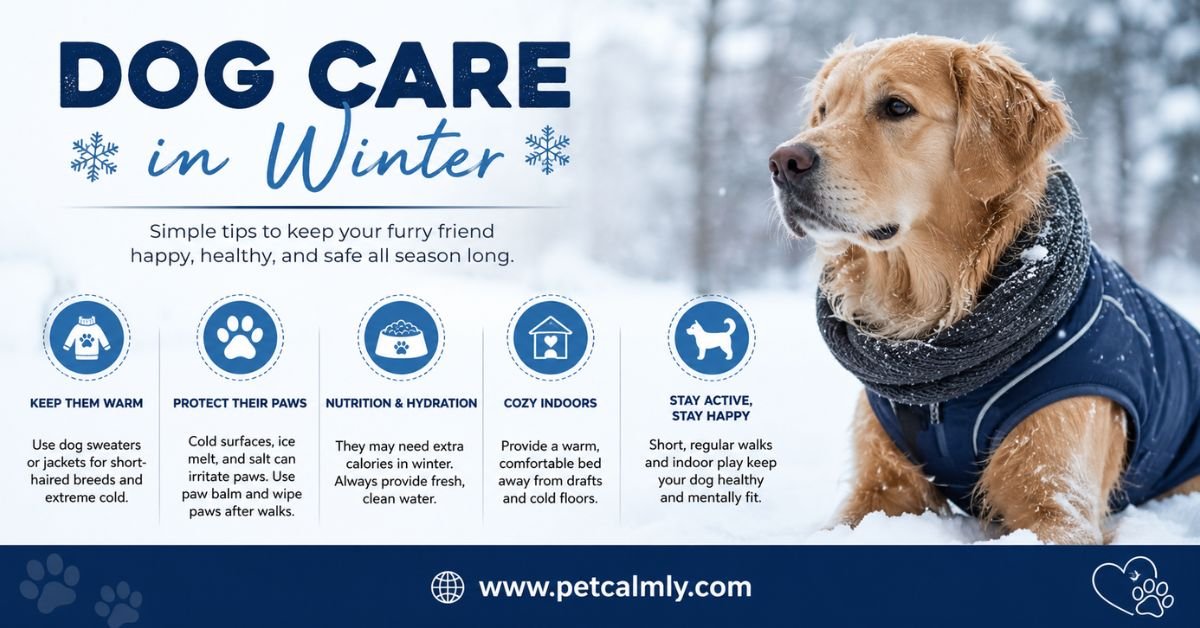
Dog care in winter means adjusting your dog’s daily routine, diet, exercise, and shelter to protect them from cold temperatures, dry air, and seasonal health risks. In short, dogs need extra warmth, consistent hydration, and shorter but regular outdoor walks during cold weather. Some breeds tolerate winter better than others, but all dogs can suffer from hypothermia, dry skin, or joint stiffness if not properly cared for. The main goal is to keep your dog warm, active, and healthy while avoiding overexposure to harsh weather conditions.
Introduction
When winter arrives, many pet owners assume dogs naturally “handle the cold.” That’s only partly true. While some dogs enjoy chilly weather, most still struggle with sudden temperature drops, icy winds, and dry indoor heating.
You might notice your dog hesitating to go outside, curling up more often, or even shaking slightly during walks. These small signs are easy to ignore but they often mean your dog is uncomfortable or struggling to regulate body temperature.
Winter is also the season when common issues like cracked paw pads, dry itchy skin, stiffness in joints, and reduced activity levels show up more frequently.
This guide is designed to help you understand exactly what your dog needs during cold months without confusion, guesswork, or unnecessary products. You’ll learn how to keep them warm, what mistakes to avoid, and how to recognize early warning signs before problems become serious.
Understanding How Winter Affects Dogs
Cold weather doesn’t affect all dogs the same way. Their comfort depends on:
- Breed type and coat thickness
- Age (puppies and senior dogs are more sensitive)
- Body size and fat levels
- Health conditions
- Time spent outdoors
Why cold weather feels different for dogs
A dog’s body naturally tries to maintain internal temperature, but extreme cold forces extra energy use. This means:
- More calories are burned just staying warm
- Muscles can stiffen faster
- Blood circulation slows in extremities like paws and ears
- Skin becomes dry due to low humidity
Even if your dog looks “fine,” they may still be uncomfortable.
Signs Your Dog Is Feeling Cold
Recognizing early signs is one of the most important parts of winter care. Dogs don’t always show discomfort clearly, so pay attention to subtle behavior changes.
Common cold-weather signs:
- Shivering or trembling
- Curling up tightly when resting
- Lifting paws off cold ground
- Reluctance to go outside
- Slower movement during walks
- Whining or seeking warmth
- Dry or flaky skin
- Increased sleepiness
Important observation
If your dog suddenly refuses walks they used to enjoy, don’t assume it’s behavioral. Cold discomfort is often the real cause.
Which Dogs Need Extra Winter Care?
Not all dogs are equally resistant to cold weather. Some need extra protection and monitoring.
More sensitive dogs include:
- Small breeds like Chihuahuas and Toy Poodles
- Short-haired dogs like Greyhounds and Dobermans
- Puppies (still developing temperature control)
- Senior dogs with joint issues
- Sick or underweight dogs
More cold-tolerant dogs:
- Huskies
- Malamutes
- Saint Bernards
- Newfoundlands
Even cold-tolerant breeds still need protection in extreme weather or long exposure.
Essential Dog Care in Winter (Core Practices)
Let’s break down what actually matters during winter care. These are the foundation steps every pet owner should follow.
1. Keep Your Dog Warm Indoors
Your home environment matters just as much as outdoor protection.
Practical tips:
- Provide a warm, draft-free sleeping area
- Use soft blankets or insulated dog beds
- Keep your dog away from cold floors at night
- Close windows during very cold nights
If your home gets chilly, consider a raised bed to avoid direct contact with cold surfaces.
2. Adjust Outdoor Walk Routine
Winter doesn’t mean skipping walks—it means adjusting them.
Best approach:
- Shorten walk duration
- Walk during warmer daylight hours
- Avoid early morning or late-night cold
- Watch for icy or salted roads
What to avoid:
- Long exposure during freezing wind
- Walking on sharp ice or salted pavements without protection
If your dog lifts their paws repeatedly, it’s time to head back home.
3. Protect Their Paws
Paws are one of the most vulnerable areas in winter.
Common winter paw problems:
- Cracks from dryness
- Irritation from road salt
- Ice buildup between toes
Simple paw protection steps:
- Wipe paws after every walk
- Apply pet-safe paw balm
- Use dog booties for long outdoor exposure
- Keep paw hair trimmed (to reduce ice buildup)
4. Nutrition Matters More in Winter
Dogs often need slightly more energy in cold weather.
Why food matters:
Your dog burns more calories staying warm, especially if they are active outdoors.
Winter nutrition tips:
- Slightly increase calorie intake (only if needed)
- Include healthy fats for energy
- Ensure high-quality protein for muscle warmth
- Keep fresh water available at all times
Avoid overfeeding—weight gain can lead to joint stress, especially in winter inactivity.
5. Hydration Is Often Overlooked
Many owners forget water intake drops in winter.
Dry air + heating systems = dehydration risk.
Keep your dog hydrated by:
- Refreshing water bowls regularly
- Offering lukewarm water if needed
- Monitoring reduced drinking habits
Dehydration can cause lethargy and dry skin even in cold weather.
6. Grooming in Winter (Yes, It Still Matters)
Some owners stop grooming in winter, which is a mistake.
Winter grooming basics:
- Brush coat regularly to remove dead hair
- Avoid shaving thick-coated dogs
- Keep fur clean but not over-washed
- Dry thoroughly after baths
A clean, well-maintained coat actually traps heat better.
Common Winter Care Mistakes Dog Owners Make
Even well-meaning owners often make small mistakes that affect their dog’s comfort.
Avoid these:
- Dressing dogs in wet or tight clothing
- Skipping walks completely
- Ignoring dry skin symptoms
- Leaving dogs in cold cars
- Over-bathing, causing skin dryness
- Assuming all breeds handle cold equally
Small adjustments can prevent big discomfort.
Emotional Side of Winter for Dogs
Winter doesn’t only affect the body it also affects behavior and mood.
Dogs may become:
- Less active
- More clingy
- Slightly anxious indoors
- Bored due to reduced outdoor time
Why this happens
Less sunlight, less exercise, and colder conditions naturally reduce stimulation. Some dogs simply feel “slower” in winter.
What helps:
- Indoor play sessions
- Mental stimulation toys
- Short training exercises
- Extra bonding time
Even 10–15 minutes of indoor activity can make a noticeable difference.
Step-by-Step Daily Winter Care Routine
Here’s a simple routine that works for most dogs.
Morning:
- Quick outdoor bathroom break
- Check paws for dryness or cracks
- Fresh water refill
Afternoon:
- Main walk (short but active)
- Light play or training
Evening:
- Final bathroom walk
- Wipe paws and belly
- Warm resting space prepared
Night:
- Cozy bedding setup
- Avoid cold drafts
- Calm environment for rest
Consistency matters more than intensity in winter care.
When Should You Worry About Your Dog?
Some signs require more attention than normal winter discomfort.
Warning signs include:
- Continuous shivering indoors
- Pale or cold ears and paws
- Extreme lethargy
- Loss of appetite
- Limping or refusal to walk
- Cracked bleeding paw pads
If you notice these, it’s best to consult a veterinarian. Cold weather can worsen underlying health issues like arthritis or respiratory problems.
What Should Pet Owners Do Immediately?
If you suspect your dog is struggling in winter:
- Move them to a warm indoor space
- Wrap them in a dry blanket
- Check paws and body temperature
- Offer fresh water
- Reduce outdoor exposure temporarily
- Monitor behavior for 24 hours
If symptoms persist, professional veterinary advice is important.
Winter Care Checklist for Dog Owners
Use this simple checklist:
- Warm sleeping area provided
- Daily short walks maintained
- Paw protection routine followed
- Hydration checked
- Coat brushed regularly
- Balanced diet maintained
- Indoor activity scheduled
- Warning signs monitored
This helps ensure nothing important is missed.
Conclusion
Winter care for dogs is not complicated, but it does require attention. The biggest difference comes from small daily habits keeping them warm, adjusting walks, protecting their paws, and staying alert to subtle behavior changes.
Your dog doesn’t need perfect conditions. They just need consistent care and a bit more comfort than usual during colder months.
When you understand how winter affects their body and mood, it becomes much easier to keep them happy, active, and healthy throughout the season.
A well-cared-for dog in winter isn’t just safe they’re relaxed, secure, and still enjoying life in their own way.
More Information About Pets, Please Visit Our Website: How to Dog Care in Winter Season Dog Care Tips
Frequently Asked Questions
1. Do dogs really need extra care in winter?
Yes, most dogs need adjustments in winter. Cold temperatures can affect their skin, joints, energy levels, and comfort, especially in small or short-haired breeds.
2. How cold is too cold for dogs?
It depends on the breed, but generally below 7°C can be uncomfortable for many dogs. Below 0°C requires extra protection and limited exposure.
3. Should I put clothes on my dog in winter?
Yes, for small, short-haired, or senior dogs. However, clothing should be dry, comfortable, and not restrict movement.
4. Can dogs get sick from cold weather?
Cold itself doesn’t directly cause illness, but it can weaken immunity or worsen conditions like arthritis or respiratory issues.
5. How often should I walk my dog in winter?
Daily walks are still important, but they should be shorter and scheduled during warmer parts of the day.
6. Why is my dog sleeping more in winter?
Reduced sunlight, lower activity levels, and colder temperatures naturally make dogs more relaxed and sleepy in winter months.