
Short direct answer
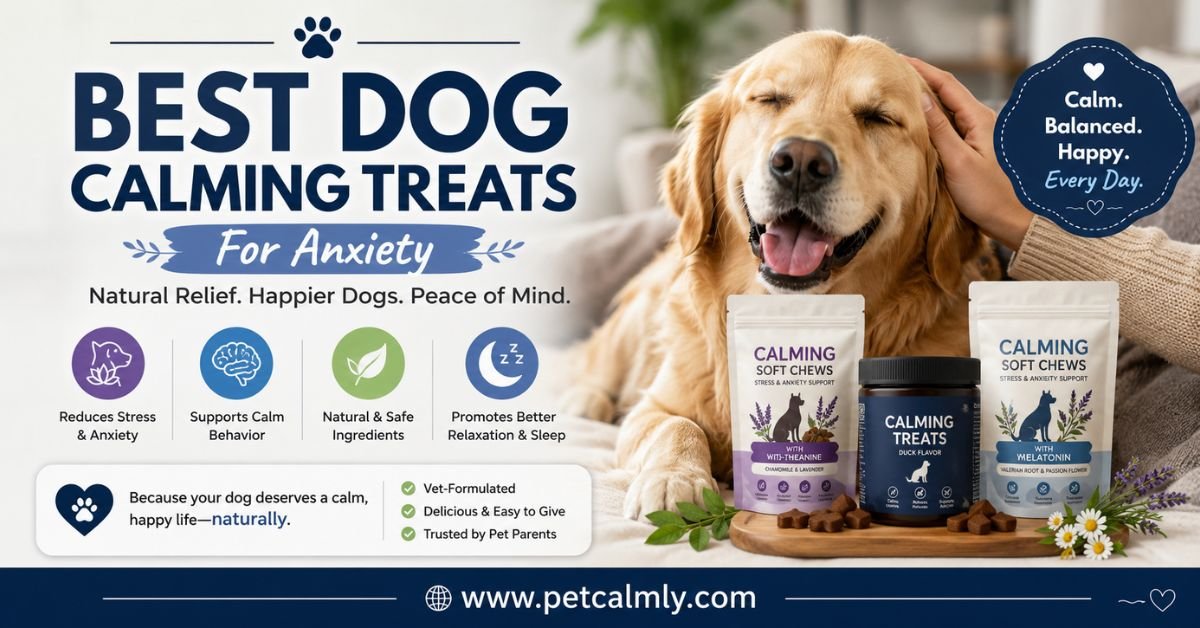
The best dog calming treats for anxiety are supplements formulated with natural soothing ingredients like L-theanine, chamomile, valerian root, hemp-derived compounds (where legal), and tryptophan. These treats help support a dog’s nervous system during stressful situations such as separation, fireworks, travel, or vet visits. The most effective options are those that match your dog’s specific trigger, body size, and sensitivity level, and are used consistently not just during panic moments. While calming treats can significantly reduce mild to moderate anxiety, they work best when combined with behavior training and a stable routine.
Introduction
If you’ve ever come home to chewed furniture, nonstop barking complaints from neighbors, or a dog shaking under the bed during fireworks, you already know dog anxiety isn’t just a “behavior issue.” It affects the whole household.
Many pet owners start searching for the best dog calming treats for anxiety after realizing their dog isn’t just being “naughty.” Something deeper is going on. It could be separation stress, fear of loud noises, travel discomfort, or even general nervousness that builds over time.
The tricky part is that anxiety in dogs doesn’t look the same in every pet. One dog may bark endlessly, while another quietly shuts down and hides. That’s why calming treats have become so popular they offer a gentle, non-invasive way to support emotional balance.
In this guide, you’ll learn:
- What actually causes anxiety in dogs
- How calming treats work (and when they don’t)
- What ingredients really matter
- How to choose safe and effective options
- Mistakes most owners make without realizing it
- And how to support your dog beyond just treats
Let’s break it down in a way that actually helps you and your dog.
Understanding Dog Anxiety: What’s Really Happening?
Before choosing calming treats, it helps to understand what anxiety actually means in dogs.
Anxiety is basically a stress response that doesn’t shut off properly. Instead of calming down after a trigger passes, the dog stays in a heightened emotional state.
Common triggers include:
- Being left alone (separation anxiety)
- Loud noises like fireworks or thunder
- New environments or travel
- Past trauma or rehoming history
- Lack of early socialization
- Sudden routine changes
- Overstimulation in busy homes
Some breeds, especially highly social or working dogs, are more sensitive. For example, Border Collies, German Shepherds, and Labrador Retrievers often bond deeply and may struggle when left alone too long.
But any dog regardless of breed can develop anxiety.
Signs Your Dog May Need Calming Support
Not all anxiety looks dramatic. Some signs are subtle and easy to miss until they become routine.
Behavioral signs:
- Excessive barking or whining when alone
- Pacing in circles or restlessness
- Destructive chewing (especially near exits)
- Scratching doors or windows
- Following you everywhere (clinginess)
Physical signs:
- Drooling or panting without heat
- Trembling or shaking
- Dilated pupils
- Loss of appetite during stress events
- Sudden digestive upset (in some cases)
Emotional signs:
- Hiding under furniture
- Freezing or “shutting down”
- Avoiding interaction
- Sudden sensitivity to sounds
If you’re noticing these patterns regularly, calming support like treats may be helpful—but they should be part of a bigger plan, not the only solution.
What Are Dog Calming Treats and How Do They Work?
Dog calming treats are supplement-based chews designed to support relaxation without sedating your dog.
They work by gently influencing neurotransmitters in the brain especially those linked to stress and relaxation, like serotonin and GABA.
Think of them as emotional support, not medication.
Most calming treats work through:
- Nervous system support (calming brain signals)
- Reduced stress hormone response
- Gentle relaxation without drowsiness
- Improved emotional balance over time
Unlike sedatives, they don’t “knock out” your dog. A good calming treat helps your dog feel more in control of their emotions.
Key Ingredients to Look for in the Best Dog Calming Treats for Anxiety
Not all calming treats are created equal. The ingredient list matters more than branding.
1. L-Theanine
Found naturally in green tea. Helps promote relaxation without sedation.
2. Chamomile
A mild herb known for soothing nervous tension.
3. Valerian Root
Often used for more intense stress responses. Has a stronger calming effect.
4. Tryptophan
Supports serotonin production (the “feel-good” hormone).
5. Hemp or CBD (where legal and vet-approved)
May support relaxation and reduce stress sensitivity.
6. Melatonin
Helps regulate sleep-wake cycles, useful for nighttime anxiety.
Important note:
Natural does not automatically mean safe for every dog. Dosage and formulation matter just as much.
When Calming Treats Help the Most (Real-Life Situations)
Calming treats are not a cure for severe behavioral disorders, but they can be extremely helpful in specific situations:
- Fireworks or storm anxiety
- Vet visits or grooming appointments
- Short-term separation periods
- Car travel or relocation
- Boarding or daycare adjustment
- Guests or new environments
Many owners notice the best results when treats are given 30–90 minutes before the stress trigger, depending on the product.
Consistency also matters more than people expect.
Choosing the Best Dog Calming Treats for Anxiety: What Actually Matters
When browsing options, it’s easy to get overwhelmed by packaging claims. Instead, focus on these real-world factors:
Ingredient transparency
Avoid vague “proprietary blends” with no breakdown.
Dog size and dosage clarity
A good product clearly explains weight-based dosing.
Safety testing
Look for third-party testing when available.
No unnecessary fillers
Artificial colors and heavy sugars don’t help anxious dogs.
Realistic expectations
Avoid products promising “instant cure” behavior changes.
Your dog’s specific trigger
Not all anxiety is the same. Separation anxiety may need different support than noise fear.
Comparison Table: Types of Calming Treat Approaches
| Type of Calming Treat | Best For | Strength Level | Notes |
|---|---|---|---|
| Herbal-based (chamomile, valerian) | Mild anxiety, daily stress | Mild to moderate | Good for beginners |
| Amino acid blends (L-theanine, tryptophan) | General nervousness | Moderate | Balanced, safe option |
| Melatonin-based | Sleep-related anxiety, nighttime stress | Moderate | Can cause drowsiness |
| Hemp/CBD-based | Strong situational anxiety | Moderate to strong | Check legality & vet advice |
| Multi-ingredient blends | Mixed anxiety triggers | Moderate | Most common commercial option |
5 Common Mistakes Dog Owners Make With Calming Treats
Even the best dog calming treats for anxiety won’t work well if used incorrectly.
Mistake 1: Expecting instant behavioral change
Calming treats reduce emotional intensity, not fix behavior overnight.
Mistake 2: Using them only during panic
They often work better when used proactively.
Mistake 3: Ignoring root causes
Separation anxiety, boredom, or lack of training still need attention.
Mistake 4: Overdosing “just in case”
More is not better—it can cause digestive upset or lethargy.
Mistake 5: Not pairing with training
Treats support calmness; training builds confidence.
What Else Helps Alongside Calming Treats?
If you want real improvement, calming treats should be part of a broader approach.
Practical support strategies:
- Create a predictable daily routine
- Add short separation training sessions
- Provide mental stimulation (puzzle toys, sniff games)
- Use calming background sounds
- Ensure regular exercise based on breed needs
- Avoid overstimulation before leaving the house
Even small changes can significantly reduce anxiety levels over time.
Step-by-Step: How to Use Calming Treats Effectively
Here’s a simple routine many pet owners find helpful:
- Identify trigger (fireworks, leaving home, travel)
- Give calming treat 30–90 minutes before event
- Keep environment calm (soft lighting, familiar items)
- Avoid emotional goodbye rituals
- Monitor response without overreacting
- Repeat consistently for predictable events
Dogs respond best when they can predict their environment.
When Should You Worry? (Important Safety Guidance)
Calming treats are helpful, but they are not a replacement for veterinary care in all cases.
You should consult a vet if:
- Anxiety is sudden and severe
- Your dog harms itself or destroys doors/windows
- Eating or drinking stops completely during stress
- Aggression appears unexpectedly
- Symptoms worsen despite training and support
In some cases, anxiety may require behavior therapy or medical support alongside calming supplements.
What Should Pet Owners Do Long-Term?
If your dog struggles with anxiety regularly, the goal is not just short-term relief it’s emotional stability.
Long-term approach:
- Use calming treats strategically, not constantly
- Build independence training slowly
- Reduce triggers where possible
- Strengthen confidence through positive reinforcement
- Track patterns (when, where, why anxiety happens)
Over time, many dogs improve significantly when consistency is maintained.
Conclusion
Finding the best dog calming treats for anxiety is really about more than buying a product. It’s about understanding what your dog is feeling and giving them tools to cope.
Calming treats can be a gentle, effective support system especially when anxiety is situational or mild to moderate. But the real transformation happens when you combine them with patience, structure, and emotional awareness.
Your dog isn’t trying to misbehave. They’re trying to feel safe.
And when safety becomes predictable, behavior naturally improves.
More Information About Pets, Please Visit Our Website: What Helps Anxiety in Cats Naturally?
Positive Reinforcement for Anxious Dog
Frequently Asked Questions
1. Do calming treats really work for dog anxiety?
Yes, for many dogs they help reduce stress responses and improve calm behavior. However, results depend on the dog’s anxiety level and consistency of use.
2. How long do calming treats take to work?
Most work within 30 to 90 minutes. Some daily-use formulas may take a few days of consistent use to show noticeable improvement.
3. Can I give calming treats every day?
Yes, many are designed for daily use. Always follow dosage instructions based on your dog’s weight and consult your vet for long-term use.
4. Are calming treats safe for puppies?
Some are safe for puppies over a certain age, but ingredients vary. Always check labeling and ask a vet before starting young dogs.
5. What is better for anxiety: treats or medication?
Calming treats are for mild to moderate anxiety. Severe anxiety may require veterinary-prescribed medication combined with behavior training.
6. What should I avoid in calming treats?
Avoid artificial additives, unclear ingredient blends, excessive sugars, and products that promise instant behavioral “cures.”