Short Direct Answer
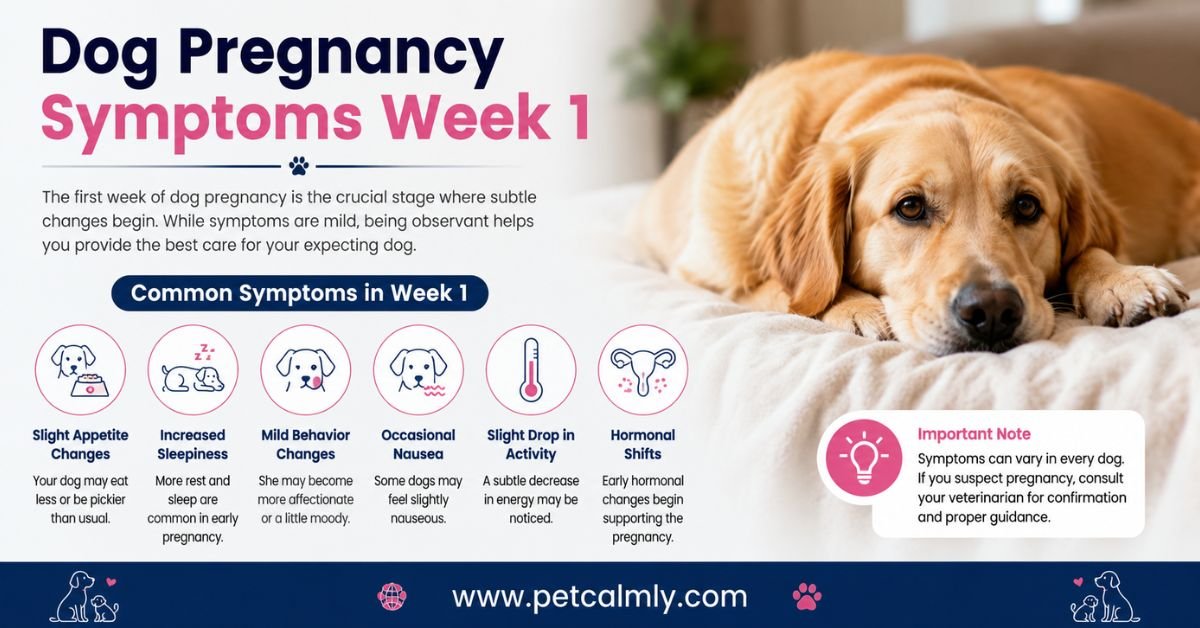
The first week of dog pregnancy is usually the hardest stage to recognize because most dogs show few or no obvious symptoms. During this time, fertilized eggs begin their journey to the uterus, and hormonal changes are just starting. Some dogs may become slightly more tired, affectionate, less interested in food, or experience mild behavioral changes, but these signs are subtle and can have other causes. The only reliable way to confirm pregnancy is through a veterinarian, usually after the first few weeks.
Understanding the Dog Pregnancy Timeline
Before delving into week 1 specifics, it’s essential to grasp the overall canine pregnancy timeline. Dog gestation periods typically range from 58 to 68 days, starting from the day of successful mating or ovulation. Week 1 encompasses days 1 through 7, a period where fertilization occurs if sperm meets the eggs in the fallopian tubes.
During this time, the embryos are just beginning their journey, traveling down to the uterus for implantation, which doesn’t happen until around week 3. This explains why visible dog pregnancy signs in week 1 are rare most changes are happening at a cellular level. Hormonal fluctuations start, with estrogen levels dropping and progesterone beginning to rise, setting the stage for the pregnancy to progress.
Veterinarians often emphasize that the first two weeks are crucial for monitoring, even if symptoms aren’t apparent. If your dog has recently mated, tracking her cycle and noting any deviations from normal behavior can provide early clues. Related terms like “canine gestation stages” or “first week dog pregnancy” often lead owners to resources highlighting this foundational phase.
What Happens Internally During Week 1 of Dog Pregnancy?
In the first week of dog pregnancy, the magic begins behind the scenes. After mating, sperm can survive in the female reproductive tract for up to a week, waiting for ovulation. Once fertilization occurs typically around days 2-5 the zygotes (fertilized eggs) start dividing rapidly.
These early embryos are microscopic and free-floating, not yet attached to the uterine wall. This means no major physical alterations are visible externally. However, the dog’s body is gearing up for the demands ahead. Progesterone, the key pregnancy hormone, starts to increase to maintain the uterine lining.
While owners might not notice much, some dogs experience subtle hormonal shifts that could mimic early morning sickness in humans. This is due to the rapid changes in hormone levels, which can affect the digestive system mildly. It’s important to note that not all dogs show these internal processes outwardly, and breed, age, and health can influence how pregnancy unfolds.
For breeds like Labrador Retrievers or smaller ones like Chihuahuas, the timeline remains similar, but larger litters might amplify subtle signs later on. If you’re researching “what happens in week 1 of dog pregnancy,” remember that this is the conception phase, where patience and observation are key.
Early Symptoms to Watch For in Week 1
Spotting dog pregnancy symptoms in week 1 can feel like searching for a needle in a haystack, as most dogs appear completely normal. However, a few subtle indicators might emerge, often tied to hormonal adjustments. Here’s a breakdown of potential early signs:
Behavioral Changes
One of the earliest clues could be a slight shift in your dog’s demeanor. She might seem a bit more reclusive or quieter than usual, preferring to rest rather than play energetically. This lethargy isn’t dramatic but could manifest as reduced interest in walks or interactions.
Some owners report restlessness or intermittent nesting behaviors, where the dog starts rearranging blankets or seeking cozy spots. Panting more than normal or displaying a change in disposition perhaps becoming more affectionate or irritable can also occur. These behavioral tweaks are linked to the initial surge in hormones preparing the body for pregnancy.
If your dog is typically high-energy, any dip in activity warrants noting. Keep a journal of these changes to discuss with your vet, as they could align with “early canine pregnancy behaviors.”
Physical Changes
Physically, week 1 symptoms are even scarcer. There might be no visible swelling or weight gain yet, as the embryos are tiny. However, a few dogs experience mild nausea, leading to a temporary refusal to eat or slight vomiting. This “morning sickness” is usually brief and resolves on its own.
Another subtle sign could be a clear vaginal discharge, which is normal but should be monitored for any foul odor or color changes indicating infection. Nipples might start to enlarge slightly or take on a pinker hue by the end of week 1, though this is more common in week 2.
Appetite changes are rare this early, but if present, they lean toward decreased rather than increased hunger. Overall, physical symptoms in week 1 of dog pregnancy are minimal, emphasizing the need for veterinary confirmation rather than relying solely on observation.
How to Confirm Pregnancy in the Early Stages
Suspecting dog pregnancy symptoms in week 1? Don’t rely on guesswork professional confirmation is vital. While home pregnancy tests for dogs exist (like relaxin-based kits available around day 28), they’re not accurate this early.
The most reliable method is a veterinary visit. Around day 21-25, an ultrasound can detect fetal heartbeats, confirming pregnancy without invasive procedures. Blood tests for progesterone levels can also indicate if mating was successful.
If you’re in the first week, your vet might recommend progesterone testing to track ovulation accurately, especially for planned breedings. X-rays are useful later (around day 45) to count puppies, but not in early stages due to radiation risks.
For those searching “how to tell if dog is pregnant week 1,” remember that definitive confirmation comes from pros. Early detection allows for better prenatal care, reducing complications.

Caring for Your Dog During Week 1 of Pregnancy
Even with minimal symptoms, week 1 is the perfect time to start prenatal care. Maintain her regular diet initially, but switch to a high-quality puppy food by week 4 for added nutrients. Avoid sudden changes to prevent digestive upset.
Exercise should remain moderate daily walks are fine, but skip high-impact activities like jumping or rough play to protect developing embryos. Provide a stress-free environment; minimize loud noises or new pets that could cause anxiety.
Supplements like folic acid might be recommended by your vet for certain breeds prone to defects, but never self-administer. Regular deworming and flea control are crucial, using pregnancy-safe products.
Hydration is key ensure fresh water is always available. If nausea appears, offer small, frequent meals. Monitoring weight weekly helps track progress, though gains won’t show yet.
By focusing on “caring for pregnant dog week 1,” you’re setting the foundation for a healthy gestation. Consult your vet for personalized advice based on your dog’s breed and history.
When to Consult a Veterinarian
While week 1 symptoms are subtle, certain red flags warrant immediate vet attention. Persistent vomiting, lethargy beyond mild tiredness, or bloody discharge could signal issues like infection or ectopic pregnancy.
If your dog shows no interest in food for over 24 hours or seems in pain, don’t wait. Early intervention can prevent complications. Vets can also rule out false pregnancies, which mimic symptoms without actual gestation.
Routine check-ups starting week 1 ensure everything’s on track. For high-risk breeds or older dogs, more frequent visits might be needed. Searching “vet advice for dog pregnancy week 1” often leads to recommendations for early ultrasounds.

Common Myths About Early Dog Pregnancy
Myths abound when it comes to canine pregnancy. One common misconception is that all dogs show immediate belly swelling false; this happens later. Another is that home remedies can confirm pregnancy; stick to vet methods.
Some believe small breeds show symptoms faster no, timelines are similar across sizes. Debunking these ensures you’re informed.

Frequently Asked Questions
1. Are there any noticeable dog pregnancy symptoms in week 1?
In most cases, no. Symptoms are subtle, like mild nausea or slight behavioral changes, but many dogs show nothing.
2. How soon can I confirm if my dog is pregnant after mating?
Reliable confirmation via ultrasound starts around day 21-25. Week 1 is too early for most tests.
3. What should I feed my dog during week 1 of pregnancy?
Stick to her regular diet, but prepare to transition to nutrient-rich puppy food later. Consult your vet for specifics.
4. Can stress affect dog pregnancy in the first week?
Yes, high stress can impact implantation. Keep her environment calm and routine.
5. Do all breeds show the same symptoms in week 1?
Symptoms vary by breed, but generally, they’re minimal across all. Larger breeds might have bigger litters, affecting later signs.
6. Is morning sickness common in dogs during early pregnancy?
Some experience it mildly in week 1-2, similar to humans, but it’s not universal and usually passes quickly.
More Information About Pets, Please Visit Our Website: Petcalmly.com
Conclusion
Navigating dog pregnancy symptoms in week 1 requires patience and keen observation, as signs are often elusive. By understanding the internal processes, watching for subtle behavioral and physical changes, and seeking veterinary guidance, you can support your dog’s journey toward motherhood. Remember, early care sets the tone for a successful pregnancy, leading to healthy puppies. If in doubt, always consult a professional your dog’s well-being depends on it. With this knowledge on canine gestation and early signs, you’re well-equipped to handle this exciting phase.