Short direct answer
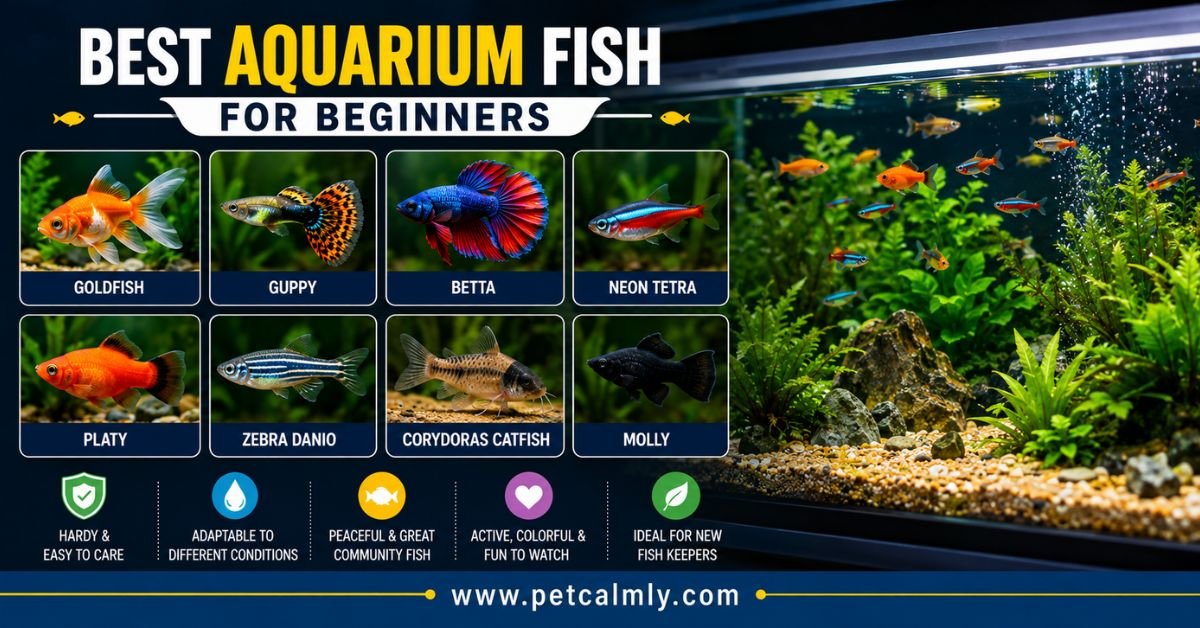
The best aquarium fish for beginners are hardy, forgiving species that tolerate small mistakes in water quality, temperature, and feeding while you learn the ropes. Top picks include neon tetras, guppies, platies, corydoras catfish, cherry barbs, betta fish (kept alone), and mollies. These fish adapt well to a properly cycled 10–20 gallon tank, don’t need specialized equipment, and give new owners room to make the small errors that come with learning fishkeeping without those errors turning fatal. The key isn’t just picking a “tough” fish; it’s matching the fish to a tank that’s actually ready for it.
Why Picking the Right First Fish Actually Matters
Most beginner aquariums don’t fail because someone picked the “wrong” pretty fish at the store. They fail because the tank wasn’t ready for any fish yet, and the owner didn’t know that.
If you’ve ever set up a tank, added fish the same day, and watched them die within a week, you’re not alone it’s one of the most common experiences in this hobby, and it’s rarely about bad luck. It’s almost always about a missing step called the nitrogen cycle, which we’ll walk through further down. Once you understand that piece, choosing the right fish becomes a lot less stressful, because you’re not relying on the fish to survive your mistakes you’re building an environment where mistakes are less likely in the first place.
This guide is built the way an experienced fishkeeper would actually explain it to a friend: which fish genuinely forgive beginner errors, which ones are marketed as “easy” but aren’t, and how to set up a tank so your first fish actually thrives instead of just surviving.
Beginner Search Intent: What You’re Really Asking
When people search for “best aquarium fish for beginners,” they’re usually not just asking which species look nice. Underneath that question are a handful of real, practical worries:
- Will this fish die easily, and will I feel guilty if it does?
- Do I need expensive equipment to keep it alive?
- Can two different fish live together peacefully?
- How much daily work is this going to be?
- What are the warning signs something is wrong?
This guide answers all of those, not just the surface-level “here’s a list of fish” question.
The 12 Best Aquarium Fish for Beginners
Each of these fish was chosen for the same reasons: tolerance for common beginner mistakes, easy availability, calm temperaments, and manageable care requirements. Tank sizes below are minimums for a small group, not a single fish.
1. Neon Tetra
Neon tetras are small, peaceful schooling fish that bring color and movement to a tank without demanding much in return. They should always be kept in groups of six or more a lone neon tetra tends to become stressed and hide constantly, which isn’t a personality quirk, it’s a schooling instinct being ignored.
- Tank size: 10 gallons minimum for a school of 6
- Temperament: Peaceful, great community fish
- Diet: Flakes or micro-pellets
- Why beginners like them: Inexpensive, widely available, and visually rewarding
2. Guppies
Guppies are often the first fish people ever keep, and for good reason they’re colorful, active, and adapt to a wide range of water conditions. One thing new owners aren’t always told at the store: guppies breed easily and often, so if you keep males and females together, expect baby guppies within weeks.
- Tank size: 10 gallons for a small group
- Temperament: Peaceful, active
- Diet: Omnivore flakes, occasional live or frozen food
- Watch for: Rapid population growth if both sexes are kept together
3. Platies
Platies are close cousins of guppies and mollies, sharing the same easygoing nature but with slightly calmer energy. They’re a solid choice if you want color without constant breeding chaos, though they can still reproduce readily.
- Tank size: 10 gallons
- Temperament: Peaceful, social
- Diet: Flake food plus occasional vegetables like blanched zucchini
4. Corydoras Catfish
Corydoras are bottom-dwelling scavengers that spend their day sifting through substrate, and they’re one of the best “cleanup crew” fish for a beginner tank. They’re social and should be kept in groups of at least four, five or six.
- Tank size: 10–20 gallons depending on species
- Temperament: Peaceful, shy but social
- Diet: Sinking pellets, algae wafers
- Why they help beginners: They reduce leftover food buildup, which lowers the chance of ammonia spikes
5. Cherry Barbs
Cherry barbs are a calmer, more beginner-friendly alternative to their more aggressive tiger barb cousins. Males develop a striking red color, especially when kept in a small school where they show off for each other.
- Tank size: 15–20 gallons for a group of 6+
- Temperament: Peaceful when kept in adequate numbers
- Diet: Omnivore flakes and small live foods
6. Betta Fish
Betta fish are often mishandled by first-time owners not because they’re delicate, but because they’re usually sold in tiny cups that give the wrong impression of their actual needs. A healthy betta needs at least 5 gallons of filtered, heated water, not a bowl.
Bettas are territorial and typically don’t do well with other bettas or fin-nipping species. Kept alone in a properly heated tank, they’re one of the most rewarding beginner fish because of their personality and interactivity.
- Tank size: 5 gallons minimum, filtered and heated
- Temperament: Territorial toward other bettas, generally calm with peaceful tankmates
- Diet: Betta-specific pellets
7. Mollies
Mollies are hardy, adaptable fish that tolerate a wider pH and hardness range than many species, making them forgiving for tanks that aren’t perfectly dialed in yet.
- Tank size: 10–20 gallons
- Temperament: Peaceful, occasionally boisterous
- Diet: Omnivore, benefits from some algae or vegetable matter
8. Zebra Danios
Zebra danios are fast, active swimmers that do well in slightly cooler water than many tropical fish, and they’re famously hardy — often recommended as one of the first fish to add during tank cycling because of their resilience.
- Tank size: 10 gallons for a group of 6
- Temperament: Peaceful but very active, needs calm tankmates that won’t be stressed by the energy
9. Harlequin Rasbora
Harlequin rasboras are a quieter, understated schooling fish that do well in slightly acidic, soft water, and they pair beautifully with neon tetras in a community setup.
- Tank size: 10–15 gallons
- Temperament: Peaceful, schooling
10. Kuhli Loach
Kuhli loaches are eel-like bottom dwellers that hide during the day and become active at night. They’re not a fish for someone who wants constant visible activity, but they’re hardy and add interesting behavior to a mature tank.
- Tank size: 15–20 gallons, needs hiding spots
- Temperament: Peaceful, nocturnal
11. White Cloud Mountain Minnow
Often overlooked, white clouds are one of the most cold-tolerant beginner fish available, meaning a heater isn’t strictly required in a moderately warm room though a stable, unfluctuating temperature still matters more than the exact number.
- Tank size: 10 gallons
- Temperament: Peaceful, schooling
12. Endler’s Livebearers
Similar to guppies but smaller and slightly less prone to genetic health issues from over-breeding in some commercial guppy lines, Endler’s are colorful, active, and easy to care for.
- Tank size: 10 gallons
- Temperament: Peaceful, active
Fish to Approach Carefully as a First-Time Owner
Not every fish sold as “beginner-friendly” in stores actually is. A few common ones deserve a second thought:
- Goldfish – often sold for small bowls, but they actually produce heavy waste and need 20+ gallons per fish, plus strong filtration. They’re not a “starter fish” in the way pet stores imply.
- Chinese Algae Eaters – marketed as cleanup fish, but they can become aggressive and territorial as adults.
- Tiger Barbs – attractive but prone to fin-nipping, which can stress out slower or long-finned tankmates.
- Angelfish – beautiful, but they grow large, need taller tanks, and can be territorial with smaller schooling fish.
None of these are “bad” fish. They’re just better suited to owners with a bit more experience under their belt.
Setting Up a Tank That Actually Supports a Beginner Fish
This is the part most “best fish” lists skip, and it’s the part that actually determines whether your fish survives.
Why the Nitrogen Cycle Comes Before the Fish
Fish waste breaks down into ammonia, which is toxic even in small amounts. In a healthy, established tank, beneficial bacteria convert ammonia into nitrite, then into much less harmful nitrate. This bacterial colony doesn’t exist on day one — it has to build up over several weeks, which is why adding fish to a brand-new tank immediately is the single most common reason beginner fish die within the first two weeks.
A simple, realistic approach:
- Set up the tank with substrate, filter, and dechlorinated water.
- Run the filter for several weeks while adding a source of ammonia (fish food or a bottled starter) to feed the bacteria.
- Test the water regularly until you see ammonia and nitrite readings drop to zero, with nitrate present.
- Add fish gradually, a few at a time, rather than stocking the whole tank at once.
This process, often called “fishless cycling,” takes patience, but it’s the difference between a tank that stresses you out and one that runs itself.
Basic Equipment That Actually Matters
- Filter rated for your tank size this drives the nitrogen cycle
- Heater for tropical species (most fish on this list need stable temps between 74–80°F)
- Thermometer so you’re not guessing
- Water conditioner to neutralize chlorine and chloramine from tap water
- Test kit (liquid-based kits tend to be more accurate than strips over time)
You don’t need elaborate lighting, CO2 systems, or expensive decor to keep any fish on this list healthy. Simple, functional, and stable beats fancy and inconsistent every time.
5 Common Beginner Mistakes That Quietly Kill Fish
- Overfeeding. Uneaten food breaks down and spikes ammonia. Most fish need far less food than owners assume a small pinch once or twice daily is plenty for most community fish.
- Overstocking too fast. Adding a full tank of fish on day one overwhelms a bacteria colony that hasn’t built up yet.
- Skipping water changes. Even a cycled tank benefits from regular partial water changes (roughly 10–20% weekly) to keep nitrate levels in check.
- Temperature swings. Fish are far more tolerant of a stable, slightly “wrong” temperature than a fluctuating one.
- Mixing incompatible temperaments. Fin-nippers with long-finned fish, or territorial species in tanks too small to establish space, are recipes for ongoing stress.
How to Tell If Your Fish Are Actually Doing Well
Healthy fish generally show:
- Steady, curious swimming not frantic darting or listless hovering
- Consistent appetite at feeding times
- Clear eyes and intact fins
- Normal coloration for the species (some color dimming at night is normal)
When Should You Worry: Signs of a Sick or Stressed Fish
It’s worth clearly separating everyday care from situations that need closer attention or professional input.
Watch for:
- Gasping at the water surface (often a sign of low oxygen or poor water quality)
- Clamped fins held tightly against the body
- White spots resembling salt grains (a common sign of ich, a treatable parasite)
- Sudden loss of appetite lasting more than a couple of days
- Visible sores, red streaking, or bloating
- One fish being relentlessly chased or hidden away from others
If you notice any of these, the first step is almost always to test your water ammonia, nitrite, and nitrate spikes are behind a large share of sudden fish illness. If water parameters check out and symptoms continue or worsen, consulting an aquatic veterinarian or a knowledgeable local fish store for species-specific treatment guidance is a reasonable next step, since some conditions (like advanced fungal or bacterial infections) need targeted treatment rather than guesswork.
What Should Pet Owners Do Before Bringing Fish Home
- Set up and cycle the tank before buying any fish
- Research the adult size and temperament of every species you’re considering, not just how they look as juveniles in the store tank
- Buy schooling fish in appropriate group sizes from day one, rather than “one now, more later”
- Have a basic test kit and water conditioner on hand before fish arrive
- Ask the store how long their fish have been in stock freshly imported fish are often more stressed and disease-prone than fish that have been quarantined for a couple of weeks
Beginner Fish Comparison Table
| Fish | Min. Tank Size | Temperament | Group Size | Beginner Difficulty |
|---|---|---|---|---|
| Neon Tetra | 10 gal | Peaceful | 6+ | Easy |
| Guppy | 10 gal | Peaceful | Any | Very Easy |
| Platy | 10 gal | Peaceful | Any | Very Easy |
| Corydoras | 10–20 gal | Peaceful | 4–6+ | Easy |
| Cherry Barb | 15–20 gal | Peaceful | 6+ | Easy |
| Betta | 5 gal | Territorial (alone) | 1 | Easy |
| Molly | 10–20 gal | Peaceful | Any | Easy |
| Zebra Danio | 10 gal | Peaceful/Active | 6+ | Very Easy |
| Harlequin Rasbora | 10–15 gal | Peaceful | 6+ | Easy |
| Kuhli Loach | 15–20 gal | Peaceful/Nocturnal | 3+ | Moderate |
| White Cloud Minnow | 10 gal | Peaceful | 6+ | Very Easy |
| Endler’s Livebearer | 10 gal | Peaceful | Any | Very Easy |
More Information About Pets, Please Visit Our Website: Best Freshwater Fish for Beginners
Best Fish for 10 Gallon Tank
Freshwater Aquarium Maintenance
Why Is My Fish Tank Water Cloudy?
How to Cycle a Fish Tank With Plants
Freshwater Aquarium Algae Control
Freshwater Fish Diseases
Ich Treatment for Freshwater Fish
Frequently Asked Questions
1: What is the easiest fish to keep alive for a first-time owner?
Guppies and white cloud mountain minnows are generally considered the most forgiving, since they tolerate a wider range of temperatures and water conditions than most tropical species. Even so, the tank still needs to be properly cycled first no fish is “easy” in ammonia-heavy water.
2: Can I put fish in a new tank right away?
It’s not recommended. A brand-new tank lacks the beneficial bacteria needed to process fish waste safely, which is why so many beginner fish die within the first one to two weeks. Cycling the tank first, even if it takes several weeks, dramatically improves survival odds.
3: How many fish can I put in a 10-gallon tank?
As a rough, commonly used guideline, one inch of adult fish length per gallon works for small community fish, though it’s a starting point rather than a hard rule schooling needs, waste output, and adult size all matter more than a flat formula. A 10-gallon tank comfortably suits a small school of neon tetras or a single betta, not a large mixed community.
4: Do beginner fish need a heater?
Most popular beginner fish, including guppies, tetras, and corydoras, are tropical and need stable water between roughly 74–80°F, so yes, a heater is usually necessary. Cold-tolerant exceptions like white cloud mountain minnows can sometimes go without one in a consistently warm room.
5: Can different beginner fish species live together?
Many can, as long as their temperaments, water needs, and adult sizes are compatible neon tetras, corydoras, and harlequin rasboras, for example, coexist well. Avoid mixing fin-nippers like tiger barbs with slow, long-finned species, and never house two male bettas together.
6: Why do my new fish keep dying even though I follow the care sheet?
This is almost always related to the tank not being fully cycled, sudden water parameter swings, or adding too many fish at once before the bacteria colony can catch up. Testing your water is the fastest way to rule this in or out before assuming it’s a species-specific problem.
Conclusion
Choosing the right beginner fish isn’t really about finding the single “easiest” species it’s about matching a hardy, well-suited fish to a tank that’s actually ready to support it. Neon tetras, guppies, corydoras, and bettas remain popular for good reason: they forgive the small mistakes every new fishkeeper makes while you’re still learning to read your tank.
Give the nitrogen cycle time to establish, introduce fish gradually, and keep an eye on the everyday signs of a healthy tank rather than waiting for a crisis. Fishkeeping gets significantly easier and a lot more enjoyable once that foundation is in place.