Short direct answer
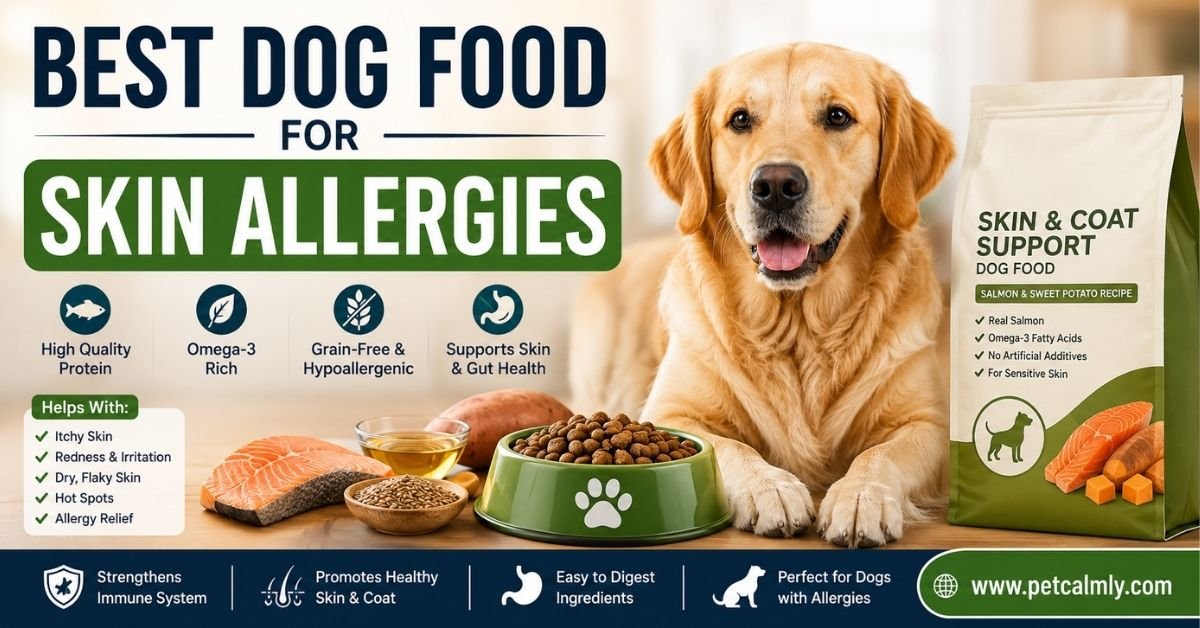
The best dog food for skin allergies is a limited-ingredient diet built around a single novel protein source (one your dog hasn’t eaten before, like duck, venison, or rabbit) or a veterinary hydrolyzed protein diet, free from common trigger ingredients such as chicken, beef, dairy, wheat, and corn. These diets reduce the immune reactions that cause itching, redness, ear infections, and hot spots. There’s no single “best brand” for every dog the right food depends on which specific ingredient is triggering your dog’s reaction, which is usually identified through an elimination diet trial guided by your veterinarian.
Why Food Even Matters for a Dog’s Skin
It’s easy to assume itchy skin means fleas or a bath is overdue. Sometimes that’s true. But for a meaningful number of dogs, the itching is coming from the inside out their immune system is overreacting to a specific protein or ingredient in their food, the same way a person might react to peanuts or shellfish.
When this happens, the dog’s body releases inflammatory compounds under the skin. The result isn’t just occasional scratching it’s chronic, low-grade irritation that can show up as ear infections, paw chewing, hair loss, or skin that feels hot and thickened. Choosing the right food doesn’t just stop the itch. It removes the actual trigger, which is why diet changes can succeed where medicated shampoos and antihistamines only offer temporary relief.
Food Allergies vs. Environmental Allergies: Know the Difference First
Before changing your dog’s food, it helps to understand what you’re actually dealing with because not all itchy skin is food-related.
- Food allergies tend to cause symptoms year-round, regardless of season, and often come with digestive signs like soft stool, gas, or occasional vomiting alongside the itching.
- Environmental allergies (pollen, dust mites, mold) usually flare seasonally and mainly affect the skin, paws, and ears without stomach upset.
- Flea allergy dermatitis causes intense itching concentrated at the base of the tail and lower back, even from a single flea bite.
Many dogs actually deal with a combination of these. According to the Cornell University College of Veterinary Medicine, true food allergies are less common than environmental allergies in dogs, but they’re frequently underdiagnosed because the symptoms look identical on the surface. This is one reason a proper elimination diet, not guesswork, is the gold standard for figuring out what’s really going on.
Common Signs Your Dog’s Skin Problem Might Be Food-Related
Every dog shows allergies a little differently, but these patterns are worth paying attention to:
- Constant licking or chewing at the paws, especially between the toes
- Recurring ear infections (head shaking, dark discharge, odor)
- Red, inflamed skin around the belly, armpits, or groin
- Hair loss in patches from excessive licking
- Hot spots that appear suddenly and spread
- Soft stool or occasional vomiting alongside skin symptoms
- Symptoms that don’t improve with flea prevention or seasonal changes
If your dog is dealing with several of these at once especially the combination of itching and digestive upset food sensitivity becomes a much stronger suspect.
What Actually Triggers Skin Allergies in Dog Food
Contrary to popular belief, grain isn’t usually the main culprit. The ingredients most frequently associated with allergic reactions in dogs are:
- Chicken by far the most common trigger, largely because it’s in almost everything
- Beef
- Dairy
- Wheat
- Egg
- Soy
- Lamb (less common, but still a factor for some dogs)
Notice that grain-free isn’t on this list as a blanket solution. Many “grain-free” foods still contain chicken or beef, meaning a dog can eat grain-free food for years and still react because the actual trigger was never the grain at all. This is a mistake we see constantly: owners switch to grain-free, see no improvement, and assume diet isn’t the issue, when really they just swapped one problem ingredient bag for another with the same allergen still inside.
How to Choose the Right Food: A Practical Framework
Rather than chasing trends like “grain-free” or “raw,” use this simple decision process:
Step 1: Identify What Your Dog Has Already Eaten
Read back through every food, treat, and table scrap your dog has had regularly over the past year. The goal is to find a protein and carbohydrate source they haven’t been exposed to, since a “novel” protein is far less likely to trigger a reaction.
Step 2: Choose Between Novel Protein and Hydrolyzed Protein Diets
Novel protein diets use a single uncommon protein (duck, venison, kangaroo, rabbit) that your dog’s immune system hasn’t encountered before. These work well for dogs with mild to moderate symptoms.
Hydrolyzed protein diets break proteins down into molecules so small the immune system can no longer recognize them as a threat, even if it’s a protein your dog has reacted to before. These are typically prescription-only and recommended for dogs with more severe or long-standing allergies. Veterinary lines like Hill’s Prescription Diet z/d, Royal Canin Hypoallergenic, and Purina Pro Plan HA fall into this category.
Step 3: Check the Ingredient List, Not the Marketing
Front-of-bag claims like “sensitive skin formula” aren’t regulated the way you’d hope. Flip the bag over and confirm:
- A single named animal protein source (not “meat meal” or “animal by-product”)
- No hidden dairy, egg, or soy in flavorings or binders
- Limited ingredient count overall — fewer ingredients means fewer chances for a reaction
- No artificial colors or preservatives, which can occasionally contribute to sensitivities
Step 4: Run a Proper Elimination Trial
This is the step most owners skip, and it’s the one that actually delivers answers. An elimination diet means feeding only the new food (no treats, no flavored medications, no table scraps) for 8 to 12 weeks, since it can take that long for old proteins to fully clear the dog’s system and for skin inflammation to settle. If symptoms improve, ingredients are reintroduced one at a time to confirm the exact trigger.
Ingredients to Avoid If Your Dog Has Skin Allergies
| Ingredient Category | Why It’s a Common Problem |
|---|---|
| Chicken and chicken by-products | Most frequently reported canine food allergen |
| Beef | Second most common trigger |
| Dairy products | Many dogs are lactose intolerant, which compounds skin issues |
| Wheat and corn gluten | Less common than protein allergies, but still relevant for some dogs |
| Artificial dyes and preservatives | Can aggravate sensitive systems in certain dogs |
| Soy | Hidden in many “chicken-free” formulas as a protein filler |
Ingredients That Support Healthy Skin
While removing triggers is the priority, certain nutrients actively help repair and protect the skin barrier:
- Omega-3 fatty acids (EPA and DHA) from fish oil, which support skin barrier function and reduce inflammation
- Zinc, important for skin healing and coat quality
- Vitamin E, which supports skin cell health
- Novel or hydrolyzed protein, as the foundation of the diet itself
- Limited, whole-food carbohydrate sources like sweet potato or peas, which are less likely to be allergenic than wheat or corn
Talk to your vet before adding any supplement on top of a therapeutic diet some prescription foods are already balanced for these nutrients, and doubling up can throw off the formulation.
How to Transition Your Dog to a New Food Without Upsetting Their Stomach
Switching foods too quickly is one of the most common mistakes owners make, and it can trigger digestive symptoms that get mistakenly blamed on the new food itself. Use this gradual transition over 7 to 10 days:
- Days 1–2: 75% old food, 25% new food
- Days 3–4: 50% old food, 50% new food
- Days 5–6: 25% old food, 75% new food
- Days 7 onward: 100% new food
If you’re running a true elimination trial, your vet may recommend a faster or more controlled switch follow their specific guidance over this general timeline.
Common Mistakes Pet Owners Make When Managing Food Allergies
- Switching foods too often. Every switch resets the clock on an elimination trial, since it takes weeks for old ingredients to clear the system.
- Giving treats “just this once.” A single treat with the wrong protein can undo weeks of progress and make it impossible to tell what’s actually working.
- Assuming grain-free means allergy-safe. As covered above, grain is rarely the real trigger.
- Not checking flavored medications or supplements. Chewable heartworm preventatives and joint supplements are often chicken-flavored, which can quietly sabotage a trial.
- Giving up too early. Skin inflammation takes time to resolve even after the trigger is removed often several weeks so a lack of overnight improvement doesn’t mean the food isn’t working.
When Should You Worry? Signs That Need Veterinary Attention
General dietary changes can meaningfully help many dogs with mild to moderate skin irritation, but certain symptoms go beyond what diet alone can fix. Contact your veterinarian promptly if you notice:
- Open sores, bleeding, or oozing skin
- A strong odor coming from the skin or ears
- Swelling of the face, lips, or eyes
- Sudden hair loss in large patches
- Signs of pain when touched
- Symptoms that don’t improve after a full 8–12 week elimination trial
- Vomiting, diarrhea, or lethargy alongside the skin symptoms
These can indicate a secondary infection, a more complex allergy involving both food and environment, or a condition unrelated to allergies altogether such as mange or a thyroid issue that requires diagnostic testing rather than a food change. According to the American Veterinary Medical Association (AVMA), persistent or worsening skin conditions should always be evaluated by a veterinarian rather than managed through diet alone, since skin symptoms can overlap across very different underlying causes.
What Should Pet Owners Do Right Now?
If you’re standing in the pet food aisle overwhelmed, here’s a simple starting checklist:
- Write down everything your dog has eaten in the last 12 months, including treats.
- Choose one novel protein your dog hasn’t had, or ask your vet about a prescription hydrolyzed diet.
- Eliminate all treats, table scraps, and flavored chews during the trial.
- Commit to at least 8–12 weeks before judging results.
- Keep a simple symptom log (a notes app works fine) to track scratching, ear issues, and stool quality week to week.
- Book a vet visit if there’s no improvement, or sooner if symptoms are severe.
This structured approach takes the guesswork out of what can otherwise feel like an endless cycle of trial and error.
A Realistic Example: What This Looks Like Day to Day
Picture a dog who’s been chewing his paws raw for months, cycling through ear infections every few weeks. His owner had already tried an oatmeal shampoo and a grain-free food with no real change because that food still contained chicken. Once the switch is made to a single novel protein like venison, with zero treats or flavored chews during the trial, the paw chewing typically starts easing within the first few weeks, and ear infections become noticeably less frequent by week eight. This is a common, realistic pattern not a guaranteed timeline for every dog, but an example of how removing the actual trigger, rather than just treating symptoms, tends to play out.
Frequently Asked Questions
1: What is the best dog food for dogs with severe skin allergies?
For severe or long-standing cases, a veterinary-prescribed hydrolyzed protein diet is usually recommended, since the proteins are broken down small enough that the immune system typically can’t react to them. This is a stronger option than an over-the-counter novel protein food and generally requires veterinary guidance.
2: How long does it take to see improvement after switching dog food for allergies?
Most dogs need 8 to 12 weeks on a strict elimination diet before real improvement shows up, since it takes time for old allergens to clear the body and for inflamed skin to heal. Some owners notice small changes within the first two to three weeks, but full results take the full trial period.
3: Is grain-free dog food good for skin allergies?
Not necessarily. Grain is a much less common allergy trigger than proteins like chicken or beef. Many grain-free foods still contain these common allergens, so grain-free alone doesn’t guarantee relief.
4: Can I give treats during a food allergy trial?
No — even a small treat with the wrong ingredient can restart the reaction and make it impossible to know whether the diet is actually working. If treats are needed for training, use small pieces of the same food or a treat made from the identical novel protein.
5: Do I need a vet to diagnose a dog food allergy?
A veterinarian isn’t strictly required to try an elimination diet at home, but professional guidance is strongly recommended, especially to rule out other causes like environmental allergies, mange, or thyroid conditions that can look identical to a food allergy on the surface.
6: What’s the difference between a food allergy and food intolerance in dogs?
A true food allergy involves the immune system reacting to a protein, often causing skin symptoms. A food intolerance is a digestive sensitivity, like lactose intolerance, that typically causes stomach upset without the same skin involvement. Both can improve with dietary changes, but they’re managed slightly differently.
More Information About Pets, Please Visit Our Website: What Human Food Can Dogs Eat Safely?
Dog Allergy Symptoms Eyes
Homemade Food for Dogs With Allergies
How to Clean Dog Eyes Crust at Home
Why Is My Dog Drinking Too Much Water?
Healthy Homemade Dog Treat Recipes
Conclusion
Watching your dog scratch, chew, and struggle with uncomfortable skin is genuinely hard, especially after trying shampoo after shampoo with no lasting change. The good news is that food-related skin allergies are one of the more manageable causes of chronic itching once you approach it with a real plan: a single novel or hydrolyzed protein, a strict elimination trial, and patience through the full 8–12 week window. Pair that with your veterinarian’s guidance for anything that doesn’t improve, and you’re giving your dog the best realistic shot at comfortable, healthy skin.