Short direct answer
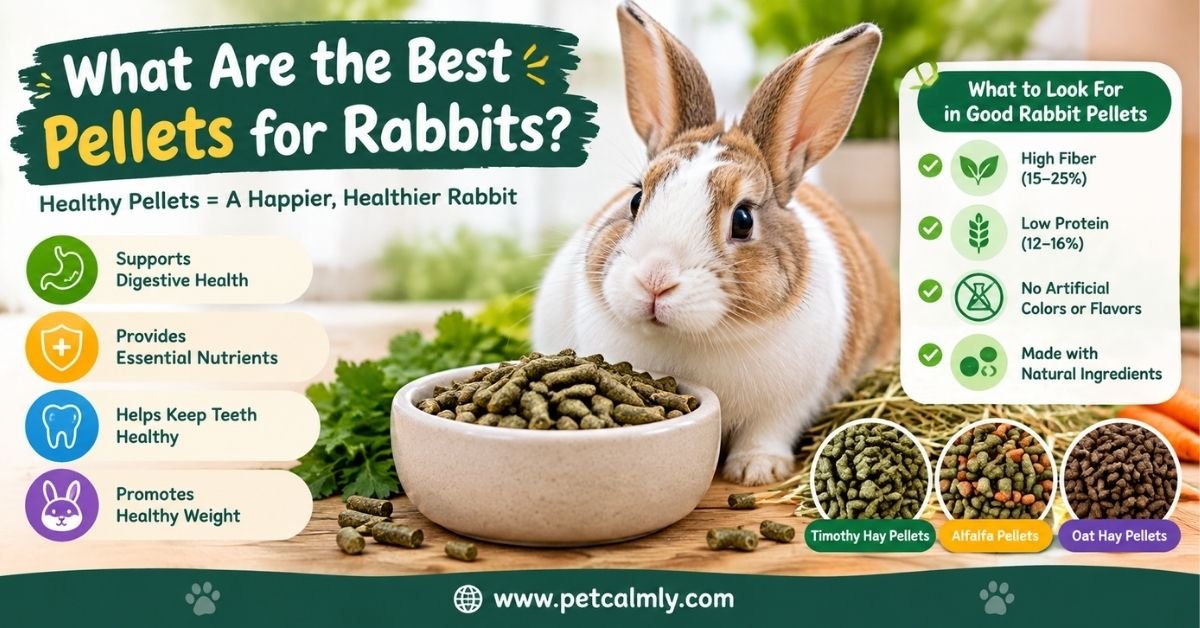
The best pellets for rabbits are high-fiber varieties (minimum 18% fiber) with low protein (12-14% for adults), low fat (2-4%), and no artificial additives such as timothy hay-based pellets from brands like Oxbow, Sherwood, or Martin Mills. However, pellets should never be your rabbit’s main diet; they work best as a supplement to unlimited timothy hay, fresh vegetables, and water. Most rabbits thrive on just 1/4 cup of pellets daily, combined with a diet heavy in hay.
Why Pellets Matter, But Not How Most Owners Think
If you just brought a rabbit home, or you’ve had one for years, you’ve probably felt that familiar sense of confusion standing in the pet store aisle surrounded by colorful pellet bags. “Are these good for my rabbit? Will my bunny actually like them? Am I making a mistake?”
That feeling is completely normal and honestly, it shows you care about getting this right.
Here’s the thing about rabbit pellets that many pet owners don’t realize: they’re not the foundation of your rabbit’s diet. They’re more like a vitamin supplement. A really tasty vitamin supplement that your rabbit might prefer to literally everything else in their food bowl, sure. But still just a supplement.
This matters because it changes everything about which pellets you should buy and how much your rabbit should eat. And that’s what this guide is really about helping you understand not just which pellets are best, but why, and how to use them to keep your rabbit genuinely healthy.
We’ve worked with rabbit owners who’ve switched pellets, dealt with picky eaters, navigated digestive issues, and tried to figure out what their rabbits actually needed. That real experience is what shapes this guide.
What Do Rabbits Actually Need in Their Diet?
Before we talk about pellets, we need to talk about what rabbits are actually built to eat. Because the answer might surprise you.
Rabbits are grazing herbivores. In the wild, they eat grasses and plants for most of their day sometimes up to 6-8 hours of continuous browsing. Their digestive system evolved for this specific job: processing huge amounts of fiber.
This is why diet composition matters so much for rabbits. Their health depends on it in ways that might be different from other pets you’ve owned.
The core diet your rabbit needs includes:
Unlimited timothy hay (or another grass hay) – This is the foundation. Your rabbit should eat a volume of hay roughly equal to their body size each day. If your rabbit is the size of a football, they should eat roughly a football-sized amount of hay daily. This continuous hay consumption keeps their digestive system moving, maintains proper gut bacteria, wears down their ever-growing teeth, and provides the bulk of their nutrition.
Fresh vegetables – About one packed cup daily for a 5-pound rabbit. Think leafy greens like romaine, parsley, cilantro, kale, and spinach. Some rabbits also enjoy carrots, bell peppers, and other vegetables in moderation.
Water – Fresh water available 24/7, either in a bowl or bottle.
Pellets – A measured amount, typically 1/4 to 1/2 cup daily depending on your rabbit’s size and metabolism, combined with everything above.
Pellets exist to fill in nutritional gaps and provide concentrated nutrition. They’re convenient. They’re shelf-stable. And yes, most rabbits love them. But they should never replace hay as the primary food.
A diet that’s pellet-heavy leads to obesity, dental disease, and digestive problems that send rabbits to emergency clinics far too often. When a vet tells a rabbit owner their bunny is overweight or has GI stasis, it’s usually because the pellet portion has gotten way too large.
Why Pellets Alone Aren’t Enough And What Happens When Owners Try
You might have heard someone say, “My rabbit only eats pellets and they’re fine.” It’s a common comment, and it usually comes from someone whose rabbit is probably not as fine as they think.
Here’s what happens when rabbits don’t get enough hay:
Dental problems develop silently. Rabbit teeth grow throughout their entire life. Hay grinding keeps teeth naturally worn down and healthy. Without this constant wear, teeth become overgrown, angles become misaligned, and spurs form inside the mouth. This causes pain, prevents eating, requires expensive veterinary extractions, and can lead to serious infections.
Digestive health suffers. The fiber from hay is essential for healthy gut motility. Without it, pellet-heavy diets slow digestion, alter gut bacteria in unhealthy ways, and create conditions where serious conditions like GI stasis can develop. GI stasis where the digestive system essentially stops moving is one of the most common emergencies rabbit owners face, and diet is a major factor.
Obesity becomes almost inevitable. Pellets are calorie-dense. A rabbit eating unlimited pellets while ignoring hay will gain weight quickly. Overweight rabbits develop joint problems, have difficulty grooming themselves, and face increased surgical and anesthetic risks if they ever need veterinary care.
Behavioral problems emerge. Bored rabbits (which often happens when they’re eating from a bowl rather than foraging through hay) develop destructive behaviors, excessive chewing, and aggressive tendencies.
This isn’t theoretical. This is what rabbit rescue centers see constantly rabbits whose owners gave them primarily pellets, with the best intentions, but ended up creating health problems that took months to reverse through diet changes.
Pellets have a role. But that role is as a supplement, not a staple.
The Best Pellet Brands for Rabbits: What Actually Matters
When you’re looking at pellet brands, several specific things matter for rabbit health.
Fiber content is your primary metric. Rabbits need a minimum of 18% crude fiber in pellets. This is non-negotiable. Lower fiber pellets don’t provide the digestive benefits your rabbit needs and often indicate the pellets contain too many seeds, treats, or fillers. Look at the guaranteed analysis on the bag it should clearly list fiber content.
Protein should be moderate. Adult rabbits thrive on 12-14% protein. Young rabbits growing to adulthood can handle up to 16% protein, but adult rabbits don’t need more. High-protein pellets don’t provide benefits and can contribute to kidney stress over time. (Growing rabbits, senior rabbits, and rabbits with certain health conditions may have different needs this is where your vet’s input helps.)
Fat should be low. Look for pellets with 2-4% fat. High-fat pellets contribute to obesity and digestive issues.
Ingredients should be simple. The first ingredient should be timothy hay or another grass hay. You should recognize most ingredients on the list. Avoid pellets with lots of added treats, seeds, dried fruits, or colored pieces—these are marketing appeals to owners, not nutritional necessities. Rabbits don’t need variety in the same way other pets do, and these additions often contribute to selective eating (your rabbit picks out the treats and leaves the nutritious parts).
No artificial colors or additives. Some pellet brands include dyes and artificial flavors. Rabbits don’t benefit from these, and they sometimes contribute to digestive upset.
Top brands that consistently meet these standards:
Oxbow Essentials Timothy Hay Pellets – This is the gold standard many rabbit veterinarians recommend. It’s timothy hay-based, has 18% fiber, 14% protein, and 2.5% fat. The ingredient list is straightforward: timothy hay, timothy grass meal, and minimal additives. It’s widely available, reasonably priced, and generally well-tolerated.
Sherwood Premium Rabbit Diet – Another timothy-based option with 18% fiber and 14% protein. It’s slightly less widely available than Oxbow but equally nutritious and sometimes preferred by pickier rabbits.
Martin Mills Science Selective Rabbit – This option has 17% fiber and 12% protein, making it slightly lower in protein than Oxbow. Some rabbit owners prefer it for senior rabbits or those with kidney concerns, though this should be discussed with your vet.
Oxbow Garden Select Timothy – A timothy and orchard grass blend with 18% fiber. Some rabbits find this more palatable than straight timothy, and it provides variety without compromising nutrition.
For rabbits with specific needs:
If your rabbit is overweight, your vet might recommend reducing pellets to 1/8 cup daily (or even less) while increasing hay. The Oxbow varieties work well here because they’re not calorie-dense relative to their nutrition.
If your rabbit is recovering from GI stasis or has ongoing digestive sensitivity, plain timothy pellets with no added ingredients (like Oxbow Essentials) are usually the safest choice.
If your senior rabbit (over 7 years old) has kidney concerns, your vet might recommend the lower-protein Martin Mills option or suggest a specific veterinary diet.
Pellet brands to approach with caution:
Pet store “rainbow” mixes with colored pieces and seeds might look appealing, but they encourage selective eating (rabbits pick out the treats and leave the plain pellets), contain too many added ingredients, and often don’t have adequate fiber levels listed clearly on the packaging.
Alfalfa-based pellets are too high in protein and calcium for adult rabbits. They’re appropriate only for young rabbits under 6-7 months old during their growth phase.
Pellets marketed with granola, yogurt drops, or treat pieces sound healthy to humans but don’t provide benefits to rabbits and often contribute to digestive issues. Skip these.
How to Choose the Right Pellets for Your Specific Rabbit
Choosing pellets isn’t a one-size-fits-all decision. Your rabbit’s age, health status, and individual needs all matter.
For young rabbits (under 7 months):
Babies can eat alfalfa-based pellets during their growth phase because they need the higher protein and calcium. After 7 months, transition them to timothy-based pellets. Oxbow makes an Oxbow Essentials Young Rabbit formula specifically for this age group 18% fiber, 16% protein that makes the transition easier. By 8 months, they should be eating the adult timothy pellets mentioned above.
For adult rabbits (1-6 years):
This is when timothy-based pellets become your standard. A healthy adult rabbit thrives on Oxbow Essentials Timothy, Sherwood, or similar brands. The key is consistency—pick one brand and stick with it to avoid digestive upset from constant switching.
For senior rabbits (7+ years):
Monitor dental health carefully, as overgrown teeth become more common. Watch for signs of kidney disease (increased thirst, more frequent urination, weight loss). If your vet suspects kidney issues, they might recommend lower-protein pellets. Martin Mills Science Selective has 12% protein, which some vets recommend for seniors. Have your rabbit’s bloodwork checked annually after age 7—kidney problems can develop silently.
For rabbits with medical conditions:
If your rabbit has been diagnosed with GI stasis, kidney disease, dental disease, or obesity, your vet might recommend specific pellets or pellet amounts. Always follow your vet’s recommendations over general guidance. Some vets recommend specific veterinary diets (like Emerald Integrative Veterinary Care’s prescription pellets) for certain health conditions.
For picky eaters:
Some rabbits are particular about pellet preferences. If your rabbit consistently refuses one brand, it’s okay to switch though you should do it gradually to avoid digestive upset. Try Sherwood or Martin Mills if your rabbit rejects Oxbow. Some rabbits also prefer crunchier vs. softer pellets; pellet texture varies slightly between brands.
Switching Your Rabbit to New Pellets: A Safe Guide
If you need to change your rabbit’s pellets whether you’re trying a new brand, adjusting portions, or switching from alfalfa to timothy the transition process matters. Rabbit digestive systems are sensitive to sudden changes.
Here’s the safe switching protocol:
Week 1: Mix 75% of your rabbit’s current pellets with 25% of the new pellets. Observe your rabbit’s stool for any changes. Healthy rabbit droppings should be round, firm, and consistent. If you notice softness, diarrhea, or mucus, slow the transition even more.
Week 2: Move to a 50/50 mix of old and new pellets. Again, monitor stool consistency closely.
Week 3: Transition to 25% old pellets, 75% new pellets.
Week 4: Switch completely to the new pellets.
If at any point your rabbit develops loose stools or seems to stop eating normally, slow the transition by an additional week at the previous ratio before moving forward. Some rabbits need a 4-5 week transition instead of 4 weeks, and that’s fine.
Important note: If your rabbit stops eating pellets entirely during the transition, or if you notice signs of GI stasis (lethargy, no droppings, hunched posture, teeth grinding), contact your vet. This isn’t common with a gradual transition, but it can happen in rabbits with pre-existing digestive sensitivity.
The most common mistake owners make is switching pellets too quickly because they want to see results (for weight loss, for example) or because they didn’t realize the transition mattered. It always matters. Patience here prevents digestive emergencies.
6 Common Pellet Mistakes Rabbit Owners Make
Over years of rabbit ownership and learning from rabbit communities, certain patterns emerge—mistakes that well-intentioned owners make repeatedly.
Mistake #1: Feeding pellets as the main diet.
This is the biggest one. Owners think they’re doing well by providing pellets, forgetting that hay should be the dietary foundation. The result: overweight rabbits with dental and digestive problems. If your rabbit’s pellet bowl is larger than their hay serving, it’s backwards. Flip that ratio immediately.
Mistake #2: Using pellets to correct weight problems without reducing portions first.
When a rabbit becomes overweight, the instinct is often to switch to a “diet” pellet or a different brand. But switching brands doesn’t change calories; reducing portions does. A rabbit that’s overweight usually needs their pellet portion cut significantly (sometimes to 1/8 cup or less) while increasing hay. Work with your vet on a specific reduction plan, especially if your rabbit has been overweight for a long time.
Mistake #3: Treating pellets like treats.
Hand-feeding pellets or using them as rewards during training often leads to rabbits expecting pellets as frequent snacks. This increases calorie intake without an owner realizing it. Pellets should be part of a measured daily amount, not ad hoc rewards.
Mistake #4: Not reading the ingredient label.
Many owners buy whatever pellets are cheapest or most available without checking fiber content, protein levels, or ingredients. This is the decision point that determines long-term health. Spend two minutes reading the label. It matters.
Mistake #5: Constantly switching brands because your rabbit gets bored.
Rabbits don’t get bored with food in the way humans do. They actually prefer consistency and thrive on routine. Constantly switching pellets confuses their digestive system and prevents you from ever knowing which pellets work best for your specific rabbit. Pick a good brand and stick with it.
Mistake #6: Ignoring early signs that pellets aren’t working.
If your rabbit’s stool becomes slightly soft, seems lethargic, or stops eating well after a pellet switch, that’s important information. Don’t assume it will pass. Slow the transition or switch back. Digestive issues in rabbits can escalate quickly.
When Should You Worry? Red Flags About Rabbit Pellets and Diet
Most rabbits do fine with the pellet brands and amounts we’ve discussed. But certain situations warrant immediate veterinary attention.
Contact your vet if:
Your rabbit stops eating pellets entirely. A rabbit who suddenly refuses to eat—including pellets they’ve always enjoyed—often signals illness. This is especially concerning if they’re also less active, quieter than usual, or have stopped producing droppings. GI stasis is an emergency.
Your rabbit develops loose stools, diarrhea, or mucus in their stool after a pellet change. A gradual transition should prevent this, but if it happens, stop the transition and switch back to the previous pellets. Contact your vet if the loose stools continue.
Your rabbit is gaining weight despite normal pellet portions. Unexplained weight gain can signal metabolic issues or underlying health problems. Your vet should evaluate this.
Your rabbit’s teeth seem overgrown or you notice decreased interest in hay. This often signals dental disease, which is urgent. Teeth problems get worse quickly and require veterinary intervention.
Your rabbit is drinking much more water than usual or you notice changes in urination. These signs can indicate kidney disease, diabetes, or other serious conditions. Veterinary evaluation is needed.
Your rabbit seems to have pain when eating (dragging food, dropping it, favoring one side). This is usually dental disease and requires immediate vet attention.
Your senior rabbit (7+ years) has lost weight or seems lethargic. Age-related health changes happen, but they should always be evaluated by your vet.
Your rabbit is vomiting or gagging (different from normal rabbit jaw movements). This is abnormal and warrants urgent vet care.
These situations aren’t about pellet brands specifically they’re about rabbit health in general. Pellets are part of the picture, but they’re not the whole picture. A good rabbit veterinarian will evaluate the entire diet and lifestyle when addressing these concerns.
What Should Rabbit Owners Do Right Now: Action Steps
If you’re reading this, you’re probably asking: “So what do I actually do?” Here’s the practical starting point.
Step 1: Evaluate what your rabbit is currently eating.
Look at your rabbit’s food bowls right now. How much pellets? How much hay? Is the hay fresh and accessible 24/7, or is the pellet bowl larger? If pellets are taking up more than 25% of your rabbit’s diet by volume, they need to be reduced.
Step 2: Check your current pellet brand against our standards.
Pull the bag off the shelf and look at the guaranteed analysis. Is fiber at least 18%? Is protein between 12-14% (for adults)? Is fat between 2-4%? Is the first ingredient a grass hay or hay meal? If your answer to all these is yes, you can probably stick with what you have. If not, mark it for switching.
Step 3: Plan a gradual transition if you’re changing brands.
Using the 4-week protocol above, plan when you’ll switch. Make a calendar reminder. Small steps prevent digestive problems.
Step 4: Stock up on quality hay.
This is where the real diet work happens. Make sure your rabbit has unlimited access to fresh timothy hay, orchard grass, or another grass hay. If hay seems expensive or hard to find, consider ordering online—the cost is usually lower than pet stores, and bulk buying saves money.
Step 5: Measure your rabbit’s current portion size.
Use a measuring cup and note exactly how many cups or ounces of pellets your rabbit eats daily. Compare this against recommendations for their weight. Most 5-pound rabbits should get roughly 1/4 cup daily. Much larger or much smaller rabbits need adjustments. If your rabbit is overweight, reduce portions by 25% and see changes over the next month.
Step 6: Plan fresh vegetables.
If you’re not already providing fresh vegetables, add one packed cup of mixed greens daily for a medium-sized rabbit. Start with romaine, parsley, and cilantro most rabbits love these and they’re nutritionally excellent.
Step 7: Schedule a vet check if you haven’t had one recently.
Rabbit vet visits often happen less frequently than they should. If your rabbit hasn’t seen a vet in over a year, schedule a wellness exam. This is especially important for rabbits over 7 years old (annual checks) or rabbits with any health concerns. Your vet can assess your rabbit’s weight, dental health, and overall condition, and give specific guidance on diet for your individual rabbit.
Frequently Asked Questions
1: Can rabbits live on just pellets?
A: Technically, some rabbits might survive on high-quality pellets alone, but they won’t thrive. They’ll likely develop dental disease, digestive problems, and obesity. Pellets are formulated to be nutritionally complete, but they don’t provide the digestive benefits, jaw wear, or behavioral enrichment that hay provides. Rabbits need hay as the foundation of their diet.
2: How much should my rabbit actually eat?
A: For pellets specifically: approximately 1/4 cup to 1/2 cup daily, depending on your rabbit’s size and metabolism. A good rule of thumb is roughly 1/4 cup per 5 pounds of body weight. But combined with unlimited hay and fresh vegetables, this should be the smaller portion of their total diet think 25-30% of their food by volume. The hay should make up 70-75%.
3: My rabbit won’t eat hay. Is it okay to just feed pellets?
A: This is actually a common problem that rabbit owners sometimes accept as inevitable, but it’s not. Rabbits who prefer pellets to hay usually got that preference because they’ve been given pellets as the primary food. The solution is to reduce pellet availability significantly while offering fresh, high-quality hay consistently. Some rabbits also prefer certain types of hay—timothy, orchard grass, and meadow grass are worth trying. It may take weeks for your rabbit to start eating hay regularly again, but it’s worth the effort. If your rabbit is refusing all hay and you’re concerned about nutrition, contact your vet—sometimes this signals dental problems that make hay painful to eat.
4: Are expensive pellets better than budget brands?
A: Price doesn’t always equal quality, but extremely cheap pellets are usually cheap for a reason—lower fiber content, more filler ingredients, or less stringent quality control. A mid-range brand like Oxbow ($20-30 per bag) provides excellent value. Premium brands might offer specialty ingredients but don’t necessarily provide better nutrition than the core recommendations above. Focus on fiber content and ingredient quality rather than price or marketing.
5: Can I make my own rabbit pellets?
A: This is technically possible but extremely difficult to do properly. Homemade diets for rabbits often lack essential nutrients or have wrong nutrient ratios. Nutritional analysis for rabbits is complex. For almost all rabbit owners, using a quality commercial pellet is easier and safer than attempting to formulate pellets at home. If you’re interested in supplementing with homemade treats (like dried hay or vegetable scraps), that’s fine—but the main pellet should be commercial.
6: How do I know if my rabbit is overweight?
A: Gently feel your rabbit’s sides and spine while they’re sitting. You should be able to feel their ribs and spine without pressing hard they should be noticeable but not prominently jutting out. From above, your rabbit should have a visible waist. If you can’t feel bones when you gently palpate, or if your rabbit has lost their waist definition, they’re overweight. Your vet can also assess body condition during an exam. Overweight rabbits are at higher risk for arthritis, heart disease, and digestive problems, so it’s worth addressing through diet.
More Information About Pets, Please Visit Our Website: Can Rabbits Eat Strawberries?
How to Take Good Care of Pets
How Often Should I Clean My Rabbit Cage?
Can Rabbits Eat Bananas?
Rabbit Behavior Meanings
How Long Do Pet Rabbits Live Indoors?
Why Is My Rabbit Suddenly Biting Me?
References
For the health and nutrition recommendations in this article, I’ve drawn from these authoritative sources:
Organizations:
- Association of Exotic Mammal Veterinarians (AEMV) – Rabbit nutrition and care guidelines
- House Rabbit Society – Rabbit diet recommendations and behavioral care
- American Veterinary Medical Association (AVMA) – Pet nutrition standards
Veterinary Resources:
- Merck Veterinary Manual – Small animal nutrition and rabbit-specific health conditions
- Cornell University College of Veterinary Medicine – Rabbit nutrition and healthcare
- VCA Animal Hospitals – Rabbit diet and digestive health protocols
- AAHA Guidelines for Companion Animal Preventive Care
Pellet Brands & Nutritional Standards: The recommendations for fiber (minimum 18%), protein (12-14% for adults), and fat (2-4%) content align with guidelines from the Association of Exotic Mammal Veterinarians and are consistently recommended in peer-reviewed veterinary literature on rabbit nutrition.
Additional Resources:
- Veterinary clinics specializing in exotic pets regularly publish nutrition guides and dietary recommendations
- Peer-reviewed journals on exotic animal medicine contain studies on rabbit digestive health and pellet formulations
Conclusion
If you’ve read this far, you’re clearly someone who cares about getting rabbit nutrition right. That matters. Your rabbit is lucky to have someone thinking this carefully about their health.
The beautiful thing about rabbit care is that it doesn’t require expensive equipment or complicated procedures. It requires consistency, good information, and willingness to adjust when something isn’t working. Those are things every rabbit owner can provide.
Start with a quality timothy-based pellet, measure portions appropriately, prioritize hay, add fresh vegetables, and monitor your rabbit’s health through regular vet visits and daily observation. That’s the foundation. Everything else is fine-tuning.
Your rabbit won’t need exotic pellets or complicated rotations or treats. They need simple, consistent, high-quality food and someone who pays attention to how they’re doing. You can absolutely provide that.