Short direct answer
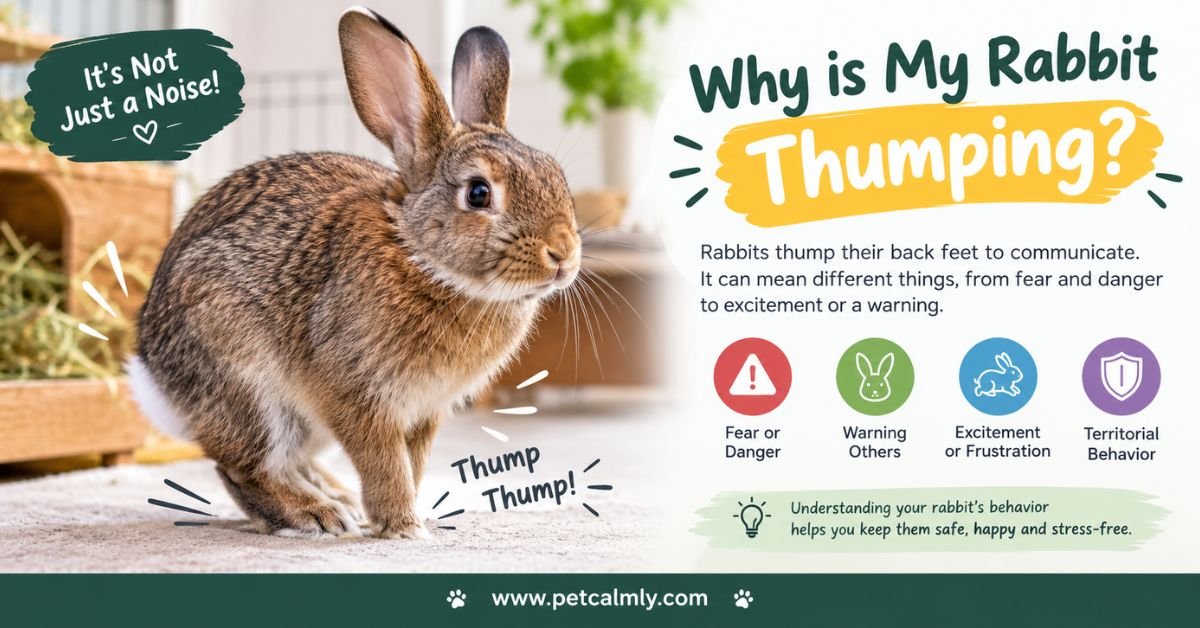
Rabbit thumping where your rabbit rapidly strikes their hind legs on the ground is a natural communication behavior that usually signals fear, stress, or a warning to perceived threats. Sometimes it can mean territorial marking or even excitement, but persistent thumping often indicates your rabbit is anxious, startled, or uncomfortable in their environment. Understanding why your rabbit thumps helps you respond appropriately and strengthen your bond.
What That Thumping Sound Really Means
If you’ve recently heard your rabbit making rapid thumping sounds with their back legs, you’re probably wondering if something is wrong. That distinctive thump-thump-thump can be alarming if you don’t know what it means, and it’s easy to worry that your rabbit is injured, sick, or distressed.
Here’s what you need to know right away: rabbit thumping is almost always normal behavior. It’s how rabbits communicate. In the wild, thumping is a warning signal—a way for one rabbit to alert others to danger. In your home, it usually means something has startled or worried your rabbit, and they’re either warning you or processing stress.
This article will help you decode your rabbit’s thumping, understand what’s causing it, and learn how to respond in ways that build trust and reduce anxiety. You’ll discover when thumping is just normal rabbit behavior and when it might signal something that needs attention.
What Is Rabbit Thumping? Understanding the Behavior
Rabbit thumping is when a rabbit rapidly stamps or strikes the ground with their hind legs, creating a loud, rhythmic thumping sound. The speed and intensity can vary sometimes it’s a quick double-thump, and other times it’s a sustained, frantic series of strikes.
Why rabbits have this behavior:
In wild rabbit colonies, this thumping serves as an alarm signal. When one rabbit senses danger—a predator approaching, unfamiliar movement, or an unfamiliar scent they thump to warn the rest of the warren. Other rabbits pick up on this signal and either hide, freeze, or prepare to escape.
Your domestic rabbit has the same instincts, even though they live in a safe home without actual predators. Their nervous system is still wired to respond to unexpected events by thumping it’s an automatic response that’s hardwired into rabbit behavior.
Thumping is a form of rabbit communication, similar to how a dog barks or growls. It’s not aggression (though some owners worry it is). It’s your rabbit telling you they’re experiencing strong emotions usually fear or concern.
5 Common Reasons Why Rabbits Thump
Understanding what triggers your rabbit’s thumping is the first step toward helping them feel calmer and more secure. Most thumping has one of several straightforward causes.
1: Rabbit Thumping from Fear or Startle Response
The most common reason rabbits thump is because something has frightened them. Rabbits are prey animals, and they’re naturally cautious. Their instinct is to remain alert to potential threats.
What triggers fear thumping:
- Sudden loud noises (vacuum cleaner, doorbell, dropped objects)
- Unexpected movement in their peripheral vision
- Unfamiliar people visiting your home
- Sudden changes in their environment
- Rough or unpredictable handling
- New pets entering the room
- Shadows or quick movements they perceive as threatening
Even things that seem minor to us a door slamming or someone running past their enclosure—can genuinely startle a rabbit. When they thump after a startle, they’re essentially saying, “Did you see that? Something unexpected just happened!”
How to recognize startle thumping:
- It happens immediately after a sudden event
- Your rabbit’s ears are up and alert
- Their body might be rigid or ready to flee
- The thumping usually stops within seconds to a minute after the trigger passes
2: Territorial Thumping in Rabbits
Some rabbits thump as a way of asserting territory, especially if they’re unneutered or unspayed. While this is less common than fear-based thumping, it does happen particularly in multi-rabbit households.
When territorial thumping occurs:
- When another rabbit approaches their space
- If a new rabbit is introduced to the home
- Sometimes when an owner reaches into their enclosure
- During breeding season (in unneutered rabbits)
Rabbits can be surprisingly territorial animals. They establish home ranges and become attached to specific areas. Thumping is sometimes their way of saying, “This is my space.”
A note on behavior: If you’re seeing territorial thumping, spaying or neutering is usually the first step. Unfixed rabbits are more prone to territorial aggression and stress-related behaviors.
3: Attention-Seeking and Demanding Behavior
Some rabbits learn that thumping gets a response from their owners. If your rabbit has discovered that thumping leads to treats, attention, or playtime, they might thump deliberately to communicate, “Hey, I want something.”
Signs of attention-seeking thumping:
- Your rabbit thumps in specific situations (when you sit down, at feeding time, when they see their favorite treat)
- The thumping seems intentional and controlled rather than panicked
- Your rabbit makes eye contact or approaches you after thumping
- The behavior has increased over time (because they’ve learned it works)
This type of thumping isn’t distressing for your rabbit they’re just being communicative (and a bit demanding, honestly). However, it’s important not to reward this behavior by immediately giving them what they want, as it can become a learned pattern.
4: Pain, Discomfort, or Illness
While thumping is usually behavioral, sometimes it can indicate physical discomfort. If your rabbit is experiencing pain from injury, arthritis, digestive issues, or illness, they might thump more frequently.
Physical causes of thumping:
- Injury to the hind legs or back
- Arthritis or joint pain (especially in older rabbits)
- Gastrointestinal distress or digestive blockage (which causes significant discomfort)
- Dental disease (which causes pain and stress)
- Infection or inflammation
Important warning signs to watch for:
If thumping is accompanied by any of these symptoms, contact a rabbit-savvy veterinarian:
- Lethargy or lack of movement
- Loss of appetite or eating less than normal
- Hunched posture (indicating pain)
- Grinding teeth
- Eyes partially closed
- Not grooming themselves normally
- Dragging their hind legs
When pain is the cause, thumping is usually just one sign among several other behavioral or physical changes. Your rabbit won’t just thump they’ll also show other signs of distress or discomfort.
5: Excitement and Happiness (Less Common)
Though it’s rare, some rabbits do thump when they’re genuinely happy or excited. This type of thumping is usually softer, less frantic, and happens during playtime or when they’re about to do something enjoyable.
How to recognize happy thumping:
- It’s gentle and rhythmic, not frantic
- Your rabbit’s body language is relaxed and playful
- Their ears are in a natural position
- They might be doing other “happy” behaviors like binkying (jumping and twisting in the air)
- It occurs during positive interactions or playtime
Happy thumping is still relatively rare compared to fear-based thumping, so don’t assume every thump is joyful. Pay attention to the full picture of your rabbit’s body language.
Understanding Rabbit Body Language: What to Look for Beyond the Thump
Thumping doesn’t happen in isolation. To really understand what your rabbit is communicating, you need to read the full context of their body language.
Ears Tell the Story
A rabbit’s ears are incredibly expressive. They use them to regulate temperature, but also to communicate emotions.
What rabbit ears tell you:
- Ears up and alert: Your rabbit is paying attention to something. If combined with thumping, they’re saying, “I’m watching this carefully.”
- Ears back or flattened: Often a sign of fear, stress, or aggression. Combined with thumping, this usually means genuine fear.
- Ears relaxed in a natural position: Your rabbit feels calm. If they’re thumping with relaxed ears, it might be attention-seeking rather than fear.
- Ears twitching: Your rabbit is anxious or irritated about something.
Eye Position and Pupil Changes
Rabbits’ eyes are positioned on the sides of their heads, giving them a wide field of vision. Pay attention to how their eyes look when they’re thumping.
- Wide, round eyes: Often indicates fear or alertness
- Partially closed or glazed: Usually a sign of pain or illness
- Normal, bright eyes: Your rabbit is calm even if they’re thumping
Body Posture Matters
The way your rabbit holds their body reveals a lot about their emotional state.
- Stiff, rigid posture: Fear or high alert
- Relaxed, lounging position: Calm, even if thumping
- Crouched or tucked position: Frightened or in pain
- Hopping, moving freely: Comfortable and playful
Types of Rabbit Thumps: Decoding the Different Patterns
Not all thumps are created equal. The pattern, speed, and intensity of thumping can give you clues about what’s happening.
Rapid, Frantic Thumping
What it sounds like: Fast, continuous, almost panicked thumping.
What it usually means: Your rabbit has been genuinely startled or is experiencing acute fear. This is an emergency signal in rabbit communication the equivalent of a panic response.
What to do: Give your rabbit space, speak in calm, quiet tones, and wait for them to settle. Remove the source of fear if possible.
Slow, Rhythmic Thumping
What it sounds like: Deliberate, measured thumps, often just one or two.
What it usually means: This could be attention-seeking, mild concern, or territorial marking. It’s less panicked than rapid thumping.
What to do: Don’t immediately reward the behavior with treats or attention. Ignore it if it’s learned behavior, or investigate if something in their environment has changed.
Thumping That Happens Right Before or After Certain Events
What it means: Contextual thumping. Your rabbit is communicating about a specific situation you reaching for the nail clippers, the sound of another pet, feeding time, etc.
What to do: Understand the context and address what’s triggering the thumping rather than the thumping itself.
When Should You Be Concerned About Rabbit Thumping?
Most rabbit thumping is harmless and normal. However, there are situations when excessive or sudden thumping might indicate a problem that needs attention.
Signs That Thumping Might Signal a Problem
Thumping combined with these changes should prompt veterinary attention:
- Sudden increase in thumping frequency (especially if it’s new behavior)
- Loss of appetite
- Dramatic changes in activity level
- Signs of injury to the legs or back
- Hunched posture or reluctance to move
- Teeth grinding
- Diarrhea or constipation (changes in bathroom habits)
- Discharge from eyes or nose
- Fur loss or signs of over-grooming
- Sudden behavioral changes (going from calm to extremely anxious)
When to contact your veterinarian:
If your rabbit is showing any combination of these symptoms along with persistent thumping, contact a vet who has experience with rabbits. Regular veterinarians may not be familiar with rabbit-specific issues, so if possible, find a vet who specifically treats rabbits or exotic animals.
Emergency situations:
Seek immediate veterinary care if your rabbit:
- Is unable to move their hind legs
- Is in obvious pain
- Has stopped eating completely
- Appears lethargic or unresponsive
The Difference Between Normal Stress Thumping and Chronic Anxiety
Some thumping is a one-time response to a specific event. That’s normal. But if your rabbit is thumping constantly, multiple times per day, for no obvious reason, they might be dealing with chronic anxiety or an undiagnosed health issue.
Chronic thumping can actually increase your rabbit’s stress levels further, creating a cycle where stress leads to more thumping, which causes more stress.
How to Respond When Your Rabbit Thumps
Your response to thumping matters. How you react either helps your rabbit feel safer or can accidentally reinforce anxious behavior.
The Right Way to Respond to Fear-Based Thumping
Step 1: Stay calm yourself. Rabbits are sensitive to human emotions. If you panic when your rabbit thumps, they’ll perceive that you’re also scared—which confirms that something IS wrong.
Step 2: Speak in quiet, calm tones. Use a soothing voice. Avoid sudden movements or reaching toward your rabbit.
Step 3: Give them space. Resist the urge to comfort them by picking them up or petting them. Most rabbits find this more stressful when they’re already frightened. Let them process the event.
Step 4: Identify and remove the trigger if possible. If the vacuum cleaner scared them, turn it off. If it was a sudden loud noise, quiet the environment.
Step 5: Maintain normal routines. Once your rabbit has calmed down, continue with your regular activities. This shows them that the scary thing isn’t actually dangerous and that life goes on normally.
How to Handle Attention-Seeking Thumping
Don’t reward it immediately. If your rabbit has learned that thumping gets attention or treats, rewarding the behavior reinforces it. Instead:
- Ignore intentional thumping. Don’t give treats, don’t pick them up, don’t make a big fuss.
- Wait for quiet behavior to reward. When your rabbit is calm and quiet, that’s when you offer treats or attention.
- Redirect their energy. Provide toys, enrichment, and interaction on your terms, not in response to thumping.
This takes consistency: If you reward thumping sometimes and ignore it other times, you’ll actually make the behavior worse by creating an unpredictable pattern. Your rabbit will thump more, hoping it will eventually work.
Building a Calmer Environment
Preventing excessive thumping is easier than trying to stop it after it’s become a habit.
Environmental changes that help:
- Reduce startling events: Keep loud appliances away from your rabbit’s space, establish a quiet time during the day, warn visitors to approach slowly
- Create a secure space: Rabbits need an area where they feel safe—a hiding spot, enclosed hutch, or quiet corner where they can retreat
- Establish predictable routines: Rabbits feel more secure when they know what to expect. Consistent feeding times, play schedules, and handling routines reduce anxiety
- Provide enrichment: Bored rabbits become anxious rabbits. Toys, tunnels, digging boxes, and safe spaces to explore keep their minds engaged
- Control lighting: Darkness helps rabbits feel secure. Having darkened areas in their environment can reduce stress
- Minimize household chaos: Unexpected visitors, loud television, or erratic schedules all increase rabbit stress
Is Your Rabbit’s Thumping Normal? The Complete Checklist
Use this checklist to determine whether your rabbit’s thumping is normal behavior or something to be concerned about.
Normal Thumping ✓
- Happens occasionally, triggered by specific events (unexpected noises, visitors, changes)
- Your rabbit’s overall health is good (eating well, using the bathroom normally, alert and active)
- Other body language is consistent with the trigger (ears back if scared, relaxed if playful)
- The thumping stops within a few minutes after the trigger passes
- Your rabbit continues normal activities like eating, playing, and grooming
- There are no other behavioral changes
Potentially Concerning Thumping
- Happens frequently throughout the day without obvious triggers
- New behavior that started suddenly
- Accompanied by other signs of illness or injury
- Your rabbit’s appetite has changed
- They seem lethargic or aren’t moving much
- Combined with teeth grinding or hunched posture
- Your rabbit has become unusually aggressive or withdrawn
- The thumping seems compulsive or obsessive
If you’re seeing multiple items from the second list, contact a rabbit-savvy veterinarian.
6 Common Mistakes Rabbit Owners Make With Thumping
Even well-meaning owners sometimes respond to thumping in ways that accidentally make the behavior worse.
Mistake #1: Picking Up Your Frightened Rabbit
When your rabbit thumps in fear, your instinct might be to pick them up and comfort them. But most rabbits find being picked up more stressful, not less. Instead, sit quietly nearby and let them calm down on their own.
Mistake #2: Immediately Rewarding Thumping
If your rabbit has learned that thumping gets treats or attention, you’re reinforcing that thumping works. Break this cycle by rewarding calm behavior instead.
Mistake #3: Punishing Your Rabbit for Thumping
Some owners react to thumping with anger or punishment. This backfires completely—it increases fear and stress, leading to more thumping. Punishment never helps fearful behavior.
Mistake #4: Ignoring Persistent Thumping
If your rabbit is thumping excessively and it’s a new behavior, don’t assume they’ll adjust on their own. Persistent thumping can indicate pain, illness, or chronic anxiety that needs addressing.
Mistake #5: Not Investigating Environmental Causes
Sometimes owners assume thumping is just “how their rabbit is” without looking at environmental factors. Stress, noise, lack of enrichment, or changes in the home can all trigger thumping. These are fixable.
Mistake #6: Skipping Veterinary Care for Behavioral Issues
If your rabbit’s behavior changes suddenly or dramatically, a vet visit isn’t just for physical injury. Behavioral changes can indicate illness, pain, or stress that needs professional evaluation.
Building Trust and Reducing Thumping Long-Term
The best way to reduce excessive thumping is to build a trusting relationship with your rabbit where they feel genuinely safe.
Create a Secure Bonding Foundation
Spend quiet time together: Sit near your rabbit’s space without trying to pick them up or play. Just presence matters. Over time, they’ll associate you with calm and safety.
Move predictably: Avoid sudden movements. Slow, deliberate movements are less startling than quick gestures.
Respect their boundaries: If your rabbit doesn’t want to be held, don’t force it. Some rabbits are naturally more independent, and that’s okay.
Learn to give treats properly: Let your rabbit take treats from your hand. This is a positive interaction that builds trust without the stress of handling.
Provide Real Enrichment and Stimulation
Bored, understimulated rabbits are more anxious rabbits.
Good enrichment options:
- Digging boxes filled with hay or shredded paper
- Tunnels and hideouts
- Toys they can push around
- Chew toys (apple wood, willow branches, untreated cardboard)
- Foraging opportunities (hiding treats in hay)
- Safe space to hop and run
- Bunny-proofed room time for supervised free roaming
Rotate toys: Introducing the same toy after a break makes it feel new again without needing to buy constantly.
Establish Consistent Routines
Predictability is calming for rabbits. When your rabbit knows:
- When they’ll be fed
- When they’ll have playtime
- When loud activities happen (or don’t)
- What to expect from their environment
…they feel more in control and less anxious.
Frequently Asked Questions
1: Why does my rabbit thump at night more than during the day?
Rabbits are crepuscular animals, meaning they’re naturally more active during dawn and dusk. Nighttime is when wild rabbits are most active, so thumping (and all their other behaviors) tend to increase during these times. If the nighttime thumping is sudden or excessive, there might be environmental factors sounds the owner doesn’t notice, predators outside, or changes in lighting. However, some nighttime thumping is just normal rabbit activity.
2: Can I train my rabbit to stop thumping?
You can’t eliminate thumping entirely it’s a natural behavior but you can reduce excessive thumping by addressing the underlying causes. By reducing stress, providing enrichment, establishing routines, and not rewarding attention-seeking thumping, you’ll see less thumping naturally. The goal isn’t elimination; it’s balance.
3: Is thumping a sign that my rabbit doesn’t like me?
No. Thumping isn’t personal. Even rabbits that are bonded to their owners will thump when they’re scared or stressed. However, if your rabbit is thumping constantly and never seems relaxed around you, there might be a trust issue. Spend time building a calmer relationship, respect their boundaries, and avoid stressful interactions like rough handling.
4: Why does my rabbit thump and then run away?
This is the classic fear response. Your rabbit is thumping to communicate alarm and then physically removing themselves from the scary situation. They’re not playing or being affectionate they’re reacting to perceived danger. Give them space and let them calm down.
5: Should I call the vet if my rabbit thumps?
Not every instance of thumping requires a vet call. However, if thumping is new, persistent, or accompanied by other changes in behavior or health, absolutely call a vet. A single thump in response to a specific startle? That’s fine. Daily thumping for no apparent reason? That deserves professional attention.
6: Can stress cause my rabbit to thump more, and what’s causing the stress?
Yes, absolutely. Stress directly increases thumping behavior. Common sources of rabbit stress include: sudden loud noises, unfamiliar people or pets, changes to their environment, lack of hiding spaces, inadequate enrichment, irregular routines, and overhandling. Start by identifying what changed recently new pet, different schedule, environmental changes and address that first.
More Information About Pets, Please Visit Our Website: Rabbit Bonding Tips
How Much Does a Rabbit Cost
Can Rabbits Eat Carrots Daily?
Why Does My Rabbit Chew on Everything?
Indoor Rabbit Setup Ideas
Signs of a Happy Rabbit
Rabbit Teeth Trimming Cost
Rabbit Poop Normal vs Unhealthy
Conclusion
Rabbit thumping might sound scary or strange at first, but it’s actually just your rabbit communicating usually saying, “I’m startled” or “Something feels wrong.” Understanding what your rabbit is telling you is one of the best ways to strengthen your bond and help them feel safer.