Short direct answer
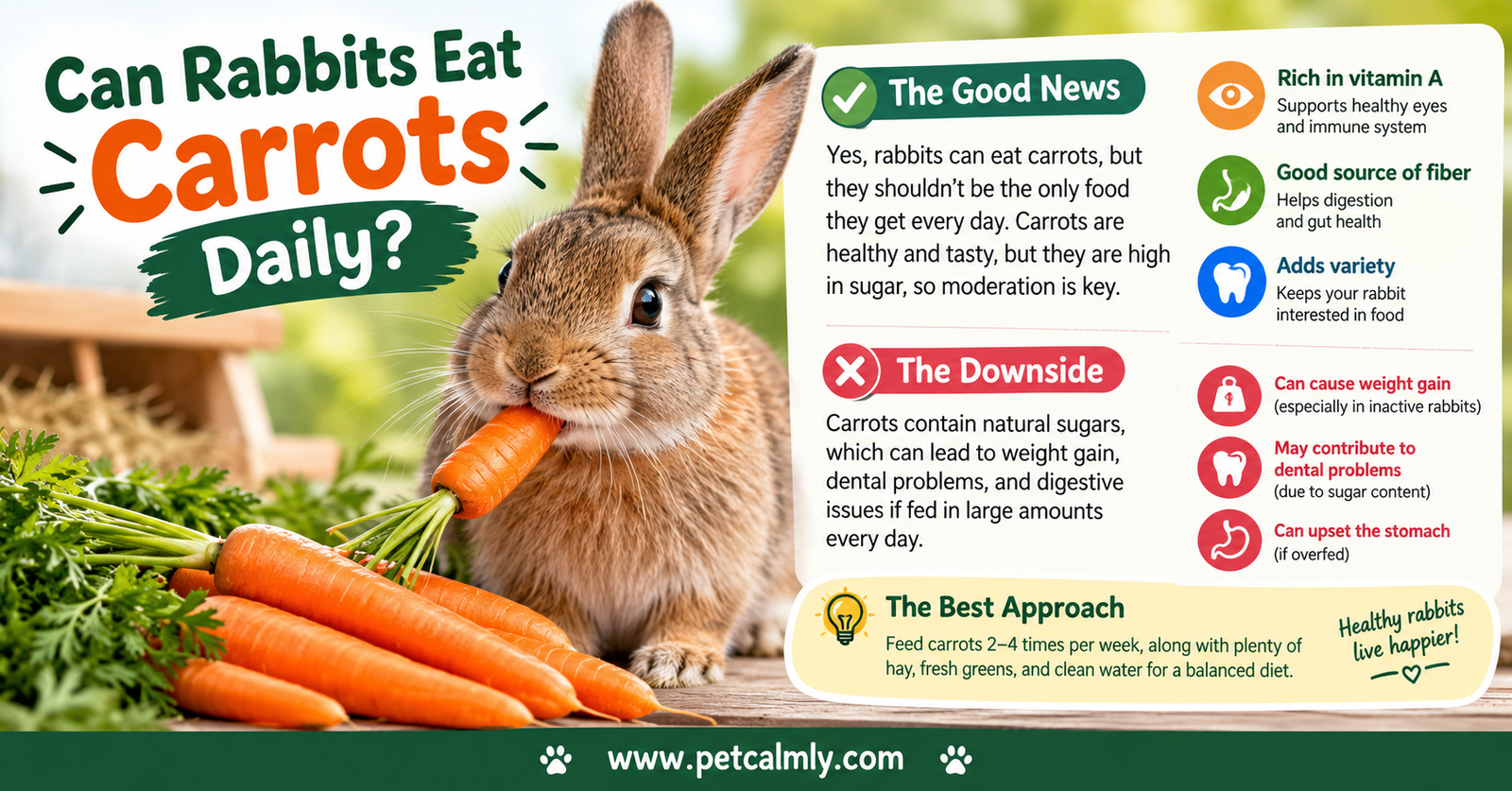
No, rabbits should not eat carrots every single day as a large part of their diet. A carrot or two a few times a week is fine as an occasional treat, but carrots are surprisingly high in sugar for a rabbit’s digestive system, and daily feeding can crowd out the hay your rabbit actually needs and contribute to weight gain, dental issues, or loose stool over time. The cartoon image of a rabbit munching a whole carrot every day doesn’t match what a rabbit’s gut is built for.
If you’ve ever watched your rabbit go absolutely wild for a piece of carrot, it’s easy to assume more must be better. That reaction is real rabbits genuinely do love carrots but enthusiasm at snack time isn’t the same thing as dietary need. This article breaks down exactly why that instinct can backfire, how much carrot is actually safe, what a smarter weekly routine looks like, and when carrot-related symptoms mean it’s time to call your vet.
Understanding a Rabbit’s Digestive System (Why This Even Matters)
Before getting into portion sizes and schedules, it helps to understand why rabbits react so differently to carrots than, say, a dog would react to a carrot stick.
Rabbits are hindgut fermenters. That means most of their digestion happens in a large section of the gut called the cecum, where beneficial bacteria break down fiber into nutrients the rabbit can absorb. This system depends on a steady, predictable stream of high-fiber, low-sugar material moving through it which is exactly what hay provides.
When a rabbit eats something dense in sugar, like carrot, in large or frequent amounts, it can shift the bacterial balance in the cecum. Some of those bacteria thrive on sugar and multiply quickly, sometimes at the expense of the fiber-digesting bacteria the rabbit actually needs. That shift is part of why sugary treats affect rabbits so much more noticeably than they’d affect an omnivore’s digestive system.
This isn’t unique to carrots the same logic applies to fruit, and even to too many pellets. Carrots just tend to come up more often because owners assume, understandably, that a vegetable must be automatically “healthy” in any quantity.
Why Carrots Feel Like the “Perfect” Rabbit Treat (But Aren’t)
Carrots earned their reputation mostly from cartoons, not biology. Bugs Bunny didn’t do rabbit owners any favors. In real life, a rabbit’s digestive system is built around one thing above all else: constant access to fibrous hay.
Carrots are a root vegetable, which means they carry more natural sugar and starch than the leafy greens rabbits are actually designed to eat in bulk. A little sugar isn’t dangerous on its own the problem shows up when carrots become a daily habit instead of an occasional extra.
I’ve talked with owners who noticed their rabbit started leaving hay untouched once carrots became a daily ritual. That’s the real risk: not that one carrot is toxic, but that a rabbit filling up on something sweet and tasty will naturally eat less of the plain hay that keeps its gut moving properly.
How Much Carrot Is Actually Safe for a Rabbit?
For an average adult rabbit, most rabbit-savvy vets and rescue organizations recommend treating carrots the way you’d treat dessert for a person small, occasional, and not the main event.
A reasonable guideline looks like this:
- 1–2 tablespoons of chopped carrot, 2–3 times per week for an average-sized adult rabbit
- Carrot tops (the leafy green part) can be offered slightly more often than the root itself, since they’re lower in sugar
- Baby rabbits under 12 weeks old shouldn’t have carrot at all their digestive systems are still adjusting to solid food
- Rabbits with a history of soft stool, obesity, or dental problems may need even less, or none, depending on your vet’s advice
This isn’t a strict formula so much as a starting point. Every rabbit’s tolerance is a little different, and body size, activity level, and existing health conditions all play a role.
What Should Make Up the Rest of a Rabbit’s Diet?
Since carrots are a treat rather than a staple, it helps to know what should actually fill your rabbit’s bowl day to day:
- Unlimited grass hay (timothy, orchard, or meadow hay) — roughly 80% of the diet
- Fresh leafy greens daily, such as romaine, cilantro, or bok choy — a handful per 2 lbs of body weight
- A measured portion of plain pellets — usually 1/8 to 1/4 cup per day depending on size
- Fresh water, always available
- Occasional treats like carrot, apple, or berries — a tablespoon or two, a few times a week at most
If you picture a plate, hay should look like the biggest slice by far, with everything else filling in around the edges.
What Happens If a Rabbit Eats Carrots Every Day?
This is the part most articles gloss over, so let’s actually walk through what tends to happen in real households when carrots become a daily thing.
Weight Gain and Reduced Hay Intake
Rabbits are creatures of habit, and they’re smart enough to hold out for the tastier option. Once a rabbit learns that carrot shows up daily, it may start picking at hay less enthusiastically, especially if the carrot portion is generous. Over weeks, this shift in eating patterns can lead to gradual weight gain, since hay is high in fiber and low in calories, while carrot is calorie-dense by comparison.
Digestive Upset
A rabbit’s gut relies on a delicate balance of bacteria to break down fiber. Too much sugar from daily carrots can throw that balance off, sometimes showing up as softer stool, gas, or intermittent diarrhea. This doesn’t happen to every rabbit, but it’s common enough that vets frequently ask about treat habits when a rabbit comes in with loose stool.
Dental Wear Patterns
Rabbit teeth grow continuously and need the grinding motion of chewing tough hay to stay worn down properly. Carrot is much softer than hay, so a rabbit substituting daily carrot for hay chewing may not be wearing its teeth down the way it should. Over months, this can contribute to overgrown or uneven teeth, which is a genuinely painful problem for rabbits.
Selective Eating Becomes a Habit
Owners often describe this as their rabbit “getting picky.” In reality, the rabbit isn’t being difficult — it’s responding rationally to whatever food is most rewarding. If carrot is available daily, hay understandably loses its appeal by comparison. Breaking this pattern later is possible, but it’s much easier to avoid it from the start.
5 Common Mistakes Owners Make With Carrots
Most owners aren’t overfeeding carrots out of carelessness it usually comes from a handful of understandable habits that quietly add up.
Treating carrot like a “safe” filler food. Because carrot feels healthier than a processed treat, it’s easy to hand it out more freely than something labeled explicitly as a snack. The result is the same either way: extra sugar the gut has to process.
Using carrot as a training reward too often. Carrot works well for bonding and litter training because rabbits respond to it so enthusiastically. The trouble comes when training sessions happen daily and each one includes a carrot piece, quietly turning a training tool into a daily habit without anyone deciding that on purpose.
Not accounting for cumulative amounts. A few small pieces handed out throughout the day can add up to more than a single “official” serving would suggest. It’s easy to lose track when it’s happening in small moments rather than one measured feeding.
Assuming bigger pieces are more generous, not more risky. A big chunk of carrot feels like a kind gesture, but portion size matters just as much as frequency.
Skipping the transition period when introducing carrot to a new rabbit. Jumping straight into regular carrot feeding without a settling-in period makes it harder to tell whether a new digestive symptom is diet-related or something else entirely.
A Real-World Example
One pattern that comes up often in rabbit-owner communities: a family adopts a rabbit, falls in love with how excited it gets over carrot, and starts offering a piece every morning as part of the daily routine often without realizing it’s become an everyday thing rather than an occasional treat. A few months later, the rabbit is pickier about hay, has put on some weight, and its stool looks slightly different than it used to. Once the family cuts back to a few times a week and prioritizes hay first thing in the morning, the rabbit’s appetite for hay and stool consistency typically returns to normal within a couple of weeks. This kind of gradual drift — not a single bad decision, but a habit that built up slowly is far more common than sudden carrot-related emergencies.
Signs Your Rabbit Is Getting Too Much Carrot
You don’t need to guess in the dark. A few practical signs tend to show up before things become a real problem:
- Leaving hay untouched or eating noticeably less of it
- Softer or less formed stool than usual
- Gradual weight gain you can feel when picking your rabbit up
- Becoming fussy about other foods, especially greens
- Slightly sticky or matted fur near the bottom, sometimes linked to diet-related digestive changes
None of these symptoms are exclusive to carrot overfeeding, but if they show up around the same time you’ve been feeding carrots daily, that overlap is worth paying attention to.
A Simple, Sustainable Weekly Carrot Routine
If you want a routine that keeps carrot in the picture without it becoming a daily habit, something like this tends to work well for most healthy adult rabbits:
| Day | Treat Plan |
|---|---|
| Monday | Small carrot piece (1 tbsp) |
| Tuesday | No carrot — leafy greens only |
| Wednesday | Carrot tops instead of root |
| Thursday | No carrot |
| Friday | Small carrot piece (1 tbsp) |
| Saturday | No carrot — try a different treat like apple slice |
| Sunday | No carrot |
This kind of rotation keeps carrot as something exciting rather than routine, and it also gives you a natural opportunity to introduce other rabbit-safe treats in moderation, like a small piece of apple, banana, or strawberry.
Practical Guide: Introducing or Adjusting Carrot Portions Safely
If your rabbit has been eating carrot daily and you want to scale back, doing it gradually tends to go more smoothly than stopping all at once.
- Start by cutting the portion size in half for about a week, rather than removing carrot entirely.
- Replace the missing amount with a leafy green your rabbit already enjoys, so they don’t feel like something was simply taken away.
- Move to every-other-day feeding once the smaller portion feels normal.
- Watch hay intake during this transition an increase in hay eating is usually a good sign the adjustment is working.
- Settle into 2–3 times per week as your new baseline once your rabbit has adjusted.
If your rabbit is a new addition to the household and has never had carrot before, introduce it slowly too — a small piece the first time, then wait a day to check for any digestive changes before making it a regular treat.
When Should You Worry?
Most carrot-related issues are mild and reversible once the diet is adjusted. That said, there are situations where a vet visit isn’t optional.
Contact your veterinarian if you notice:
- No stool, or very little stool, for more than 12 hours this can signal a serious blockage (GI stasis), which is an emergency in rabbits
- Diarrhea that lasts more than a day, rather than just slightly soft stool
- Sudden loss of appetite, especially refusing hay entirely
- Noticeable lethargy or hiding more than usual
- Rapid weight loss or weight gain over a short period
- Signs of bloating or a hard, swollen belly
Rabbits are known for hiding illness well, and their digestive systems can decline quickly once something goes wrong. GI stasis in particular can become life-threatening within a day or two, so when in doubt, a same-day call to your vet is always the safer choice over waiting to see if things improve on their own.
What Should Pet Owners Do Going Forward?
If there’s one takeaway to carry forward, it’s this: carrots aren’t the enemy, but they were never meant to be the backbone of a rabbit’s diet. Hay is the unglamorous hero here, even though it doesn’t get the same cartoon spotlight.
A few habits make this easy to manage long-term:
- Keep a mental (or written) note of how often you’re actually giving carrot it’s easy to lose track when it happens in small pieces throughout the week
- Prioritize refilling the hay rack before reaching for treats
- Rotate treats instead of relying on carrot as the default
- Check in with your vet at routine visits about your rabbit’s weight and dental health, especially if treat habits have shifted
Small, consistent choices like these tend to matter more than any single feeding decision.
How Carrot Needs Differ by Life Stage and Health Status
Not every rabbit should follow the exact same carrot routine. A few common situations change the picture:
Senior rabbits. Older rabbits often move less and burn fewer calories, which means the same carrot portion that was fine at age two can contribute to weight gain at age seven. Senior rabbits also tend to be more prone to dental and digestive issues, so many vets recommend leaning more heavily on leafy greens and offering carrot even less frequently.
Overweight rabbits. If your vet has flagged your rabbit as overweight, carrot is usually one of the first treats to cut back on, simply because of its calorie density compared to hay and greens. This doesn’t mean cutting out treats entirely — it usually means shifting toward lower-calorie options like herbs or a small piece of bell pepper.
Rabbits with a history of GI issues. If your rabbit has had gut motility problems, bloating, or repeated soft stool in the past, it’s worth asking your vet directly whether carrot should be part of the routine at all, and if so, how much.
Pregnant or nursing rabbits. Energy needs go up during pregnancy and nursing, but that extra energy should mostly come from increased hay and a slightly higher pellet allowance rather than sugary treats, which can still disrupt digestion at a time when the rabbit’s body is already under extra strain.
If any of these apply to your rabbit, it’s worth treating the guidelines in this article as a general starting point and adjusting based on your vet’s specific recommendation for your rabbit’s situation.
Frequently Asked Questions
1: Can baby rabbits eat carrots?
No, not until they’re at least 12 weeks old. Baby rabbits have delicate digestive systems that are still adjusting to solid food, and introducing sugary vegetables too early can lead to digestive upset.
2: Are carrot greens safer than the carrot itself?
Generally, yes. Carrot tops are lower in sugar than the root and can be offered a bit more frequently, though they should still be given in moderation alongside a hay-based diet.
3: Can rabbits eat carrots every day if they’re very active?
Activity level can affect how many calories a rabbit burns, but it doesn’t change how a rabbit’s gut processes sugar and fiber. Even active rabbits do better with carrot as an occasional treat rather than a daily food.
4: Is it true that carrots are bad for rabbits’ teeth?
Carrots themselves aren’t harmful to teeth, but relying on carrot instead of hay means less of the tough chewing motion rabbits need to wear their continuously growing teeth down properly.
5: What vegetables can replace daily carrots for rabbits?
Leafy greens like romaine lettuce, cilantro, bok choy, and parsley make a better daily staple than carrot, since they’re lower in sugar and closer to what wild rabbits naturally graze on.
6: My rabbit refuses hay unless I give up on carrots what do I do?
This usually means the carrot habit has become too rewarding compared to hay. Try reducing the carrot portion gradually rather than stopping abruptly, and offer hay first before any treats each day so your rabbit associates it with mealtime.
7: Do wild rabbits eat carrots in nature?
Not really, or at least not the roots. Wild rabbits mostly graze on grasses, weeds, clover, and bark, which is part of why their digestive systems are so finely tuned to high-fiber, low-sugar food. Carrot roots aren’t a natural staple for them at all the association comes almost entirely from pop culture rather than how wild rabbits actually eat.
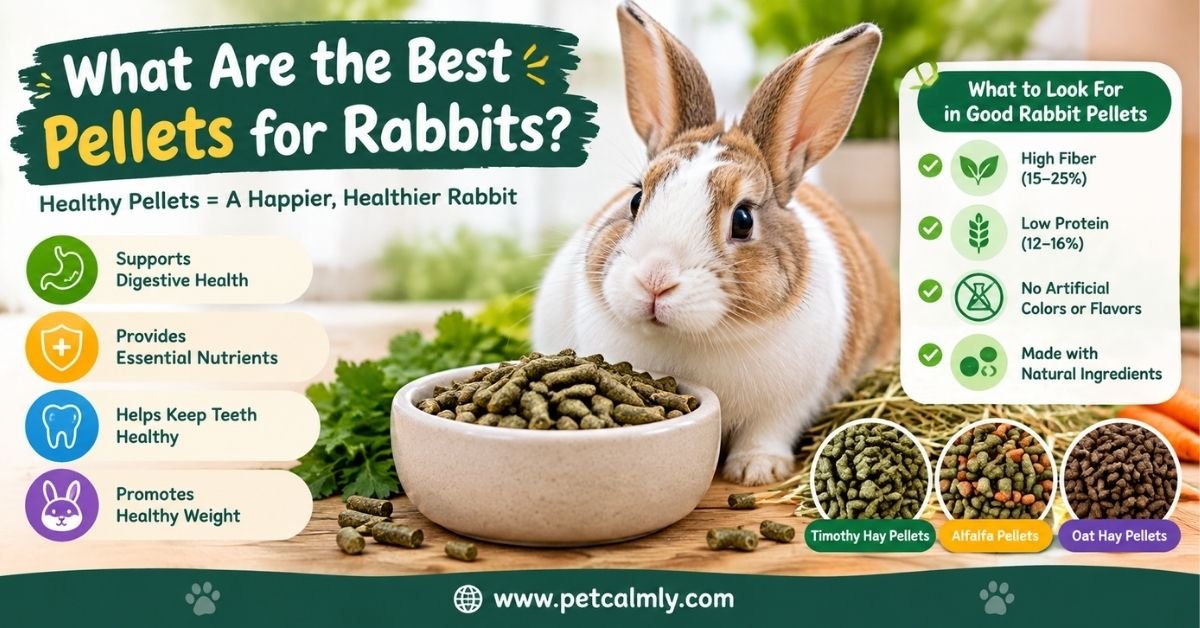
More Information About Pets, Please Visit Our Website: What Are the Best Pellets for Rabbits
Can Rabbits Eat Bananas?
Rabbit Safe Vegetables List
How to Take Good Care of Pets
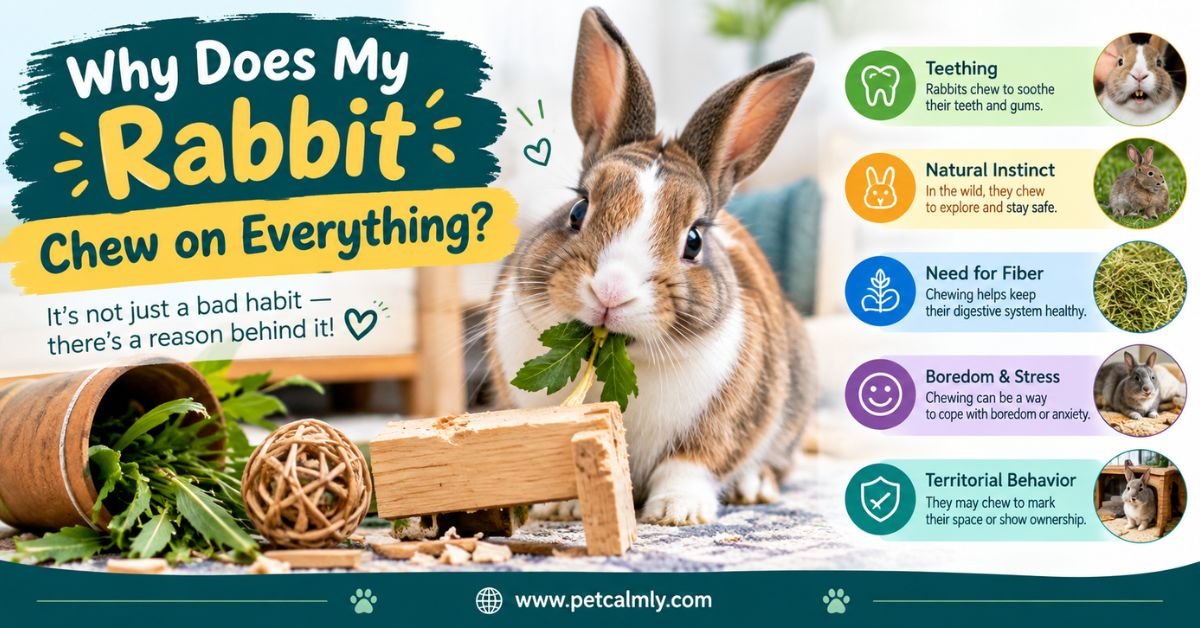
Why Does My Rabbit Chew on Everything?
Indoor Rabbit Setup Ideas
Signs of a Happy Rabbit
How to Trim Rabbit Nails
Rabbit Poop Normal vs Unhealthy
Can Rabbits Eat Lettuce?
Conclusion
Carrots aren’t dangerous in moderation, and there’s nothing wrong with your rabbit enjoying one now and then. The real issue is daily habit, not occasional indulgence. Keep hay as the foundation, treat carrot as the special extra it was always meant to be, and pay attention to how your rabbit’s stool, appetite, and weight respond over time. That kind of steady attention does more for your rabbit’s long-term health than any single feeding rule ever could.
If you’re ever unsure whether your rabbit’s current diet is on track, a quick check-in with a rabbit-savvy vet is far more useful than guessing based on general advice online your rabbit’s age, weight, and health history all factor into what “moderate” really looks like for them specifically.