Short direct answer
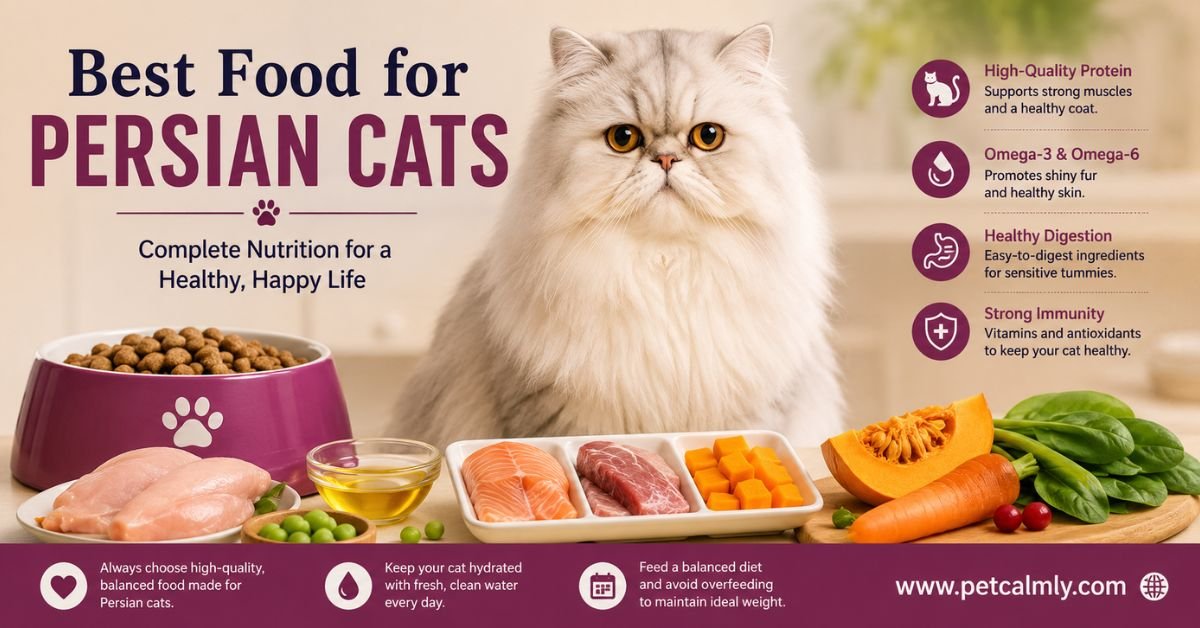
The best food for Persian cats is a high-protein, moisture-rich diet that supports their long coat, prevents hairballs, and protects their kidney health. Look for premium wet foods with at least 30% protein, limited by-products, and added fiber or high-quality dry food designed specifically for long-haired cats, supplemented with wet food or bone broth to increase hydration. Brands like Royal Canin Persian, Hill’s Science Diet Long-Haired Cat, and Purina Pro Plan focus on the breed’s specific needs: managing respiratory health, preventing obesity, and maintaining coat quality through targeted nutrition.
Why Persian Cats Need Different Nutrition Than Other Breeds
Persian cats aren’t just cats with extra-long fur. Their breed-specific anatomy and health predispositions create unique nutritional demands that standard cat food often doesn’t address.
The Persian Breed Profile: Health and Nutrition
Persians have flat faces, smaller airway passages, and a genetic predisposition toward kidney disease. They’re also prone to weight gain if their calorie intake isn’t carefully managed. On top of that, their luxurious coat—which many owners fall in love with—requires sustained nutritional support to stay healthy. If a Persian’s diet lacks essential amino acids, omega fatty acids, and proper protein levels, their coat becomes dull, matted, and prone to excessive shedding. This isn’t just a cosmetic issue; poor coat health can indicate nutritional deficiencies that affect their overall wellness.
Persians also have smaller, more delicate digestive systems compared to other breeds. They can be sensitive to sudden food changes, ingredient fillers, and poor-quality proteins. This sensitivity isn’t a behavior problem—it’s physical. Their bodies are simply different, and nutrition designed for a generic tabby may not work.
Respiratory Sensitivity and Nutrition
Because Persians have brachycephalic (flat) faces, they naturally struggle with breathing. You’ll notice your Persian breathing heavily after playtime or when they’re warm. While this is partly structural, nutrition plays a supporting role. Excess weight dramatically worsens breathing issues. A diet that keeps your Persian lean and energized reduces the strain on their respiratory system.
Additionally, some ingredients particularly low-quality grains and heavy fillers can trigger inflammation that worsens breathing problems. High-protein, moisture-rich foods reduce inflammatory responses and support optimal body weight.
Key Nutrients Every Persian Cat Needs
Understanding what your Persian actually needs at the nutritional level helps you evaluate food quality beyond marketing claims.
Protein: The Foundation of Feline Nutrition
Cats are obligate carnivores. They need animal-based protein, not plant-based alternatives. For Persian cats, aim for foods with at least 30-40% protein content. This high protein level serves multiple purposes:
- Maintains lean muscle mass (which keeps metabolism active and prevents obesity)
- Supports coat health and growth
- Preserves kidney function as cats age
- Provides sustained energy without blood sugar spikes
Look at the ingredient label’s first three items. If they’re meat sources (chicken, turkey, fish, beef), you’re on the right track. If they’re grains or by-products, move on.
Fat and Omega Fatty Acids for Coat Excellence
Your Persian’s gorgeous coat depends on balanced fat intake. Omega-3 and omega-6 fatty acids reduce inflammation, prevent dry skin, and keep their fur silky and resilient. Many low-quality cat foods skimp on fat content, assuming it causes weight gain. The truth is more nuanced: healthy fats don’t cause obesity excess calories do.
Look for foods that include fish oil, flaxseed, or chicken fat. Salmon-based foods are particularly beneficial for Persians because they’re rich in omega-3s without excessive calories.
Fiber for Hairball Prevention
This is where most generic cat foods fail Persian owners. Persians shed constantly, and because they groom meticulously, they swallow significant amounts of loose hair. That hair creates blockages in their digestive tract these become hairballs, which cause vomiting and discomfort.
Quality fiber in their food helps move hair through their system before it accumulates. Look for foods that include natural fiber sources like pumpkin, psyllium husk, or beet pulp. Some premium brands formulate specifically for long-haired cats with enhanced fiber content.
Taurine: Essential for Heart and Eye Health
Taurine is an amino acid that cats cannot synthesize on their own—they must get it from food. A taurine deficiency can lead to dilated cardiomyopathy (heart disease) and vision problems. All quality commercial cat foods include taurine, but it’s worth checking the label to confirm it’s listed, especially if you’re considering homemade diets.
Hydration and Kidney Support
Persian cats are at higher risk for chronic kidney disease as they age. Adequate hydration is preventative. Wet food is inherently more hydrating than dry kibble because it contains 70-80% moisture compared to 10-12% in dry food.
Additionally, foods with moderate phosphorus and sodium levels support kidney function. As your Persian ages, discussing phosphorus levels with your veterinarian becomes increasingly important, especially if kidney values shift during bloodwork.
Wet Food vs. Dry Food: What Actually Works Better for Persians
This is where opinions diverge, but for Persian cats specifically, the answer is clearer than for other breeds.
The Case for Wet Food
Wet food has several advantages for Persians:
Hydration: Most Persians aren’t enthusiastic drinkers. Wet food delivers water directly through their meals, reducing the risk of urinary issues and supporting kidney function.
Digestibility: Wet food is closer to the natural prey diet cats evolved eating. It’s easier to digest and creates less gastrointestinal stress. For Persians with sensitive stomachs, this matters.
Portion control: It’s easier to measure appropriate portions with wet food, which helps prevent obesity—a serious concern for this breed.
Dental consideration: While dry food is sometimes recommended for dental health, most Persians don’t chew kibble thoroughly enough for it to have a real impact. They tend to gulp, which defeats the purpose.
The Reality of Dry Food
Quality dry food isn’t bad, but it shouldn’t be your Persian’s only food source. That said, some advantages exist:
- Convenient for busy owners
- Supports some dental cleaning through chewing action (though minimal for Persians)
- Can be less expensive
- Helps keep teeth somewhat cleaner over time
The compromise: Many Persian owners find success with a combination approach—primary meals of wet food supplemented with small portions of dry food, or wet food as the main diet with dry food available throughout the day for grazing. This gives you the hydration benefits of wet food with some practical convenience.
A Note on Dry-Food-Only Diets
If your Persian eats only dry food, monitor them closely for urinary issues, kidney markers during bloodwork, and excessive thirst. Their natural drinking instinct is lower than other cat breeds, so they’re at higher risk for dehydration-related problems.
Best Commercial Foods for Persian Cats
When evaluating brands, look for AAFCO certification (Association of American Feed Control Officials), quality protein sources, and formulations designed for long-haired cats when available.
Premium Wet Foods Worth Considering
Royal Canin Persian Cat Food: Specifically formulated for Persian mouth and coat structure. High in protein, supports hair structure, and includes specific fiber blends for hairball management. It’s expensive, but many Persian owners find the results justify the cost.
Hill’s Science Diet Long-Haired Cat: Developed with veterinary nutritionists, this formula supports coat quality and addresses digestive sensitivity. It’s widely available and trusted by many vets.
Purina Pro Plan Focus Long Hair: Offers excellent protein levels with omega-3 and 6 fatty acids for coat health. More moderately priced than Royal Canin.
Fancy Feast Classic Paté: While not a complete sole diet, high-quality versions of this line are palatable for picky Persians and can be mixed with premium dry food for a budget-friendly approach.
Quality Dry Foods for Supplementation
Royal Canin Persian Adult: The dry counterpart to their wet formula, maintaining similar nutritional philosophy.
Hill’s Science Diet Indoor Adult Long Hair: Balanced nutrition for indoor Persians with weight management in mind.
Taste of the Wild High Prairie: Grain-free option with high protein content, though some veterinarians recommend avoiding grain-free unless medically necessary.
What to Avoid
- Foods listing corn, soy, or wheat as primary ingredients
- Products with vague protein sources (“meat by-products” instead of named meats)
- Foods with artificial colors or flavors
- Brands with histories of recalls
- Complete dry-food-only diets as the sole nutrition source for your Persian
Persian Cats and Common Nutritional Mistakes Owners Make
Years of working with Persian cat owners reveals patterns in what goes wrong often unintentionally.
Overfeeding and Weight Gain
Persians love food. Their food motivation makes them seem perpetually hungry. But obesity in this breed is dangerous it worsens breathing problems, stresses joints, and increases the risk of diabetes.
Many owners free-feed (leaving food out all day), thinking their cat will self-regulate. Persians rarely do. Instead, measure daily portions based on your cat’s weight and activity level. Your vet can provide specific calorie recommendations.
What to do instead: Feed measured portions at set times. This gives you control and helps you notice appetite changes that might indicate illness.
Sudden Food Switches
Persians have sensitive digestive systems. Changing foods abruptly causes vomiting or diarrhea, which terrifies owners. But many owners interpret this as the food being wrong, when really it’s the speed of change.
What to do instead: Transition over 7-10 days. Mix increasing amounts of new food with old food. A slow transition gives their digestive system time to adjust.
Ignoring Hydration Needs
Owners who feed dry food exclusively often don’t realize their Persian isn’t drinking enough water. They assume the cat will drink from the water bowl, but many Persians are naturally low-drive drinkers.
What to do instead: Add wet food to daily meals, provide a cat water fountain to encourage drinking, and monitor urine output. Healthy cats should urinate once or twice daily with adequate volume.
Choosing by Price Alone
It’s tempting to buy budget cat food to save money. But low-quality foods create problems that cost far more in vet bills—urinary blockages, kidney issues, digestive problems. The investment in quality nutrition is genuinely preventative.
What to do instead: View premium food as preventative healthcare, not a luxury. A quality diet costs $30-50 monthly; a urinary blockage costs $1,500-3,000 to treat.
Ignoring Individual Preferences and Tolerances
Your Persian might hate the food every expert recommends. Some Persians are picky. Some develop sensitivities to specific ingredients. Others have preferences for texture some cats prefer chunky gravy, others want smooth paté.
What to do instead: Find quality food your individual cat will consistently eat. The best food in the world doesn’t help if your Persian refuses to eat it.
How to Transition Your Persian to New Food
Since Persians have sensitive digestive systems, a proper transition matters more with this breed than others.
The 7-10 Day Transition Plan
Days 1-2: Mix 25% new food with 75% old food Days 3-4: Mix 50% new food with 50% old food Days 5-6: Mix 75% new food with 25% old food Days 7-10: Transition to 100% new food
Monitor your Persian’s stool consistency, energy level, and appetite throughout. If vomiting or diarrhea occurs, slow the transition further—some Persians need 14 days.
Troubleshooting a Picky Eater During Transition
If your Persian refuses the new food:
- Try warming wet food to body temperature—it releases aromas and is more appealing
- Mix the new food with a small amount of low-sodium chicken or fish broth
- Offer food at various times to find when your cat is most interested
- Give them time; taste preferences can take 2-3 weeks to shift
If your Persian refuses after 2-3 weeks despite proper transition, they might genuinely be intolerant to an ingredient. Consider alternatives before assuming the brand is wrong.
Reading Cat Food Labels: A Persian Owner’s Guide
Marketing on cat food packages is often misleading. Here’s how to cut through it.
The Ingredient List Matters Most
Ingredients are listed by weight in descending order. Look at the first five ingredients:
- First ingredient should be a named meat: Chicken, fish, turkey, beef—not “meat meal” or “by-products”
- Second and third should be quality proteins: More meat sources are ideal
- Fourth and fifth can include vegetables/grains: But not as primary ingredients
If the first ingredient is corn or wheat, the food is grain-heavy, not meat-based. This is common in budget brands.
Protein Percentages
Look for guaranteed analysis section showing:
- Protein: 30-40% minimum for Persian cats
- Fat: 10-15% (not too high, not too low)
- Fiber: 3-5% (especially for hairball management)
- Ash: Under 6% (lower ash means less mineral content, which is easier on kidneys)
Recognizing Marketing Fluff
- “Natural” means nothing it’s legally unregulated
- “Holistic” is marketing language, not a nutritional standard
- “Premium” has no legal definition
- “Human grade” sounds appealing but doesn’t guarantee better nutrition
What matters: AAFCO certification, named meat sources, and proven formulation.
Recognizing Signs Your Persian Needs Food Changes
Your Persian’s body tells you if their current food is working.
Signs Your Persian’s Food Is Working
- Shiny, soft coat without excessive matting
- Healthy weight (you can feel ribs without seeing them)
- Normal energy levels
- Regular, well-formed stools
- No excessive vomiting or hairballs
- Healthy kidney values during annual bloodwork
- Good appetite and interest in food
Red Flags Indicating Dietary Problems
- Dull, thin, or excessively matted coat: Nutritional deficiency (often protein or fat)
- Weight gain despite normal portions: Possible food quality issue or calorie miscalculation
- Chronic vomiting or hairballs: Inadequate fiber or hydration
- Urinary issues or increased thirst: Dehydration from insufficient wet food
- Digestive upset (diarrhea/constipation): Food intolerance or sudden change
- Loss of appetite: Sometimes indicates illness rather than food issues; see your vet
- Elevated kidney values during bloodwork: Possible phosphorus or sodium levels too high
When to Consult Your Veterinarian About Food
Your vet is your partner in your Persian’s nutrition. Knowing when to reach out matters.
Situations Requiring Veterinary Guidance
If your Persian has existing health conditions: Kidney disease, diabetes, urinary issues, and digestive problems often require prescription or therapeutic diets. Your vet will recommend specific brands formulated for these conditions.
If your Persian is overweight or underweight: A vet can calculate ideal calorie intake and recommend portion sizes for your specific cat.
If your Persian has food allergies: This is rare in cats, but it happens. Your vet can help identify trigger ingredients and recommend elimination diets.
If digestive issues persist despite good food: Chronic vomiting, diarrhea, or constipation might indicate food intolerance, but could also signal underlying illness. Bloodwork and possibly imaging helps determine the cause.
If your senior Persian shows appetite changes or weight loss: As cats age, their nutritional needs shift. Senior-specific formulas exist for a reason, and your vet can recommend adjustments.
If you’re considering homemade or raw diets: Homemade diets for cats are tricky and often nutritionally incomplete. If you’re considering this route, work with a veterinary nutritionist not just a veterinarian to ensure your cat gets complete, balanced nutrition.
Persian Cat Nutrition at Different Life Stages
Your Persian’s nutritional needs change as they age.
Kittens (8 Weeks to 12 Months)
Kitten-specific formulas have higher protein and calorie content to support growth. Feed kitten food until your Persian reaches full adult size (around 12 months). Many premium brands offer both kitten and adult versions with similar quality.
Adults (1-7 Years)
This is the stable period. Adult formulas maintain muscle and coat health. Portions and food type (wet vs. dry) should be based on individual preference and activity level.
Senior Cats (7+ Years)
Senior cats have changing nutritional needs. Kidney function typically declines, making phosphorus levels more important. Some seniors benefit from slightly lower protein to reduce kidney workload, though quality still matters. Other seniors need higher quality protein to prevent muscle wasting.
Discuss senior nutrition with your vet during annual exams. Senior-specific formulas exist, but they’re not automatically better—it depends on your individual cat’s health markers.
Budget-Conscious Feeding Without Sacrificing Quality
Quality nutrition doesn’t require unlimited spending, though it requires more than the cheapest options.
Cost-Effective Strategies
Buy in bulk when possible: Premium brands often offer discounts for large orders through veterinary websites or Amazon.
Mix high-quality wet and dry food: Instead of premium wet food for every meal, use it as half the daily diet and supplement with quality dry food.
Rotate brands within quality tier: If your Persian will eat multiple brands at similar quality levels, buying whatever’s on sale keeps costs down.
Buy veterinary prescription diets at online pharmacies: If your Persian needs therapeutic food (for kidney or urinary issues), online veterinary pharmacies are often cheaper than vet clinics.
Watch for sales during off-seasons: Pet food goes on sale regularly; buying during sales and storing properly (in airtight containers) builds a supply.
The Real Cost Analysis
A $40/month premium food investment costs $480 yearly. A single urinary blockage costs $1,500-3,000. A kidney disease diagnosis means prescription diet ($50-60/month) for life, plus frequent vet visits and bloodwork. Premium food isn’t a luxury; it’s preventative medicine.
Frequently Asked Questions
1: Is grain-free food better for Persian cats?
Grain-free diets became popular based on the assumption that grains cause health problems. However, grains themselves aren’t the issue for most cats. Many veterinarians now recommend against grain-free unless medically necessary (like true grain allergies, which are rare). Some grain-free foods were associated with heart disease in cats. Unless your Persian has a specific grain allergy, quality foods with grains are perfectly fine sometimes preferable. A good grain-inclusive food from a quality brand beats a poor grain-free option.
2: How much should I feed my Persian cat daily?
This depends on your cat’s age, activity level, and metabolic rate. As a general guideline, adult Persians need 200-300 calories daily. If feeding wet food exclusively, that’s roughly 1-1.5 cans (5.5 oz) daily, divided into two meals. If mixing wet and dry, adjust portions so total daily calories hit your target. Your veterinarian can provide specific calorie recommendations based on your cat’s weight and health status. Many Persian owners overfeed because their cats seem constantly hungry resist this. Measure portions consistently.
3: Can I feed my Persian a raw or homemade diet?
Raw and homemade diets are trendy, but they’re risky for cats without professional guidance. Cats have specific nutritional requirements particularly taurine, calcium, and phosphorus balance that are easy to get wrong in homemade diets. Deficiencies develop slowly and might not show symptoms until significant damage occurs. If you’re interested in this approach, consult a board-certified veterinary nutritionist (not just a veterinarian) to formulate a complete, balanced diet. This typically costs $200-400 for nutritional planning, but it ensures your Persian gets everything they need.
4: How often should I switch my Persian’s food?
There’s no magical number. If your Persian is thriving on current food good coat, healthy weight, normal digestion there’s no reason to switch. However, some owners rotate between quality brands (staying within the same quality tier) to prevent food boredom and reduce the risk of developing sensitivities from eating identical food for years. If you do rotate, choose only premium brands and transition slowly as always.
5: Why is my Persian vomiting after eating?
Occasional vomiting after eating can be normal (Persians sometimes eat too fast), but frequent vomiting isn’t. Common causes include:
- Eating too quickly: Try slower-feeder bowls or feeding smaller portions more frequently
- Inadequate hydration: Increase wet food; dehydration causes digestive issues
- Food sensitivity: Try eliminating one ingredient at a time
- Hairballs: Increase fiber and ensure your Persian is groomed regularly
- Underlying illness: If vomiting persists or worsens, see your vet for bloodwork and imaging
Chronic vomiting isn’t something to manage with food changes alone; it needs veterinary evaluation.
6: Should I feed my Persian wet food only?
Wet food is ideal for hydration, but feeding only wet food isn’t necessary if your Persian drinks adequate water and eats quality food. However, for Persians with kidney issues, low water intake, or urinary problems, wet food as the primary diet is strongly recommended. The additional hydration supports kidney and urinary health. Many Persian owners find a mix works best most meals as wet food with some dry food available, or vice versa. What matters is that your individual Persian thrives on the diet you choose.
More Information About Pets, Please Visit Our Website: Best Cat Brushes for Shedding
Chronic Kidney Disease Cats Symptoms
Cat Eye Infection Home Treatment
Cat Breathing Fast While Sleeping
How Often Should I Brush My Cat Teeth?
Pet News 2026
Practical Checklist: Setting Up Your Persian’s Ideal Diet
Use this as a reference when evaluating or switching your Persian’s food:
Ingredient Quality
- First ingredient is a named meat source
- No vague terms like “meat by-products” or “animal by-products”
- Limited corn, wheat, or soy as primary ingredients
- AAFCO certification listed
Nutritional Profile
- Protein content 30-40%
- Fat content 10-15%
- Fiber 3-5% (for hairball management)
- Contains named taurine source
- Phosphorus levels appropriate (especially for senior cats)
Practical Fit
- Your Persian actually eats it consistently
- Affordable for your budget
- Accessible (easy to purchase regularly)
- Appropriate moisture content (mix of wet and dry, or primarily wet)
Health Monitoring
- Your Persian maintains healthy weight
- Coat is shiny and soft
- Energy levels are normal
- No excessive vomiting or digestive issues
- Annual bloodwork shows normal kidney values
- Your vet approves the current diet
Making the Transition Smooth: A Persian Owner’s Real-World Example
Here’s how a typical successful transition looks:
Your Persian, Misha, has been eating budget grocery-store food. She’s gained weight, her coat is dull, and she vomits about twice monthly. You’ve decided to switch to high-quality wet food. Here’s your 10-day plan:
Day 1: Mix one tablespoon of new food with three tablespoons of old food. Misha sniffs it but mostly eats it. Good sign.
Days 2-3: Same ratio. No digestive issues. Gradually increase frequency of new food meals to once daily; keep old food for second meal.
Days 4-5: Mix 50-50. Both meals now use the new food at this ratio. Misha seems to be enjoying it more; she licks her bowl clean.
Days 6-7: Mix 75% new, 25% old. Only one meal daily uses old food. No vomiting so far.
Days 8-10: Transition to 100% new food. By day 10, Misha is eating exclusively the new food. Her energy seems higher. Her coat is already looking shinier.
Two weeks in: Misha’s weight is stable. Vomiting has stopped completely. Her coat is visibly healthier.
One month in: At her monthly weigh-in, Misha has lost half a pound (healthy for her frame). Bloodwork shows normal kidney values. Her vet comments on coat improvement.
Why This Matters: The Bigger Picture of Persian Cat Health
Nutrition isn’t just about what’s on the ingredient label. It’s about supporting your Persian’s quality of life, preventing painful health problems, and extending their years with you.
Persians live 12-17 years on average. The nutrition you provide during those years either builds resilience or creates vulnerability. A cat eating quality food might have normal kidney values at age 12; the same cat on poor nutrition might show concerning decline at 9. A well-fed Persian maintains muscle mass and energy that supports breathing; an overweight Persian struggles.
The financial investment in premium food is genuinely preventative. The emotional investment researching, transitioning carefully, monitoring your cat’s response shows your Persian they matter to you. And when your vet says at their senior exam, “Your cat’s bloodwork is excellent; whatever you’re doing nutritionally, keep it up,” you’ll know it was worth it.
Conclusion
The best food for your Persian cat is high-quality, protein-rich, appropriately moist, and formulated with their specific breed needs in mind. It should include named meat sources, appropriate fiber for hairball management, and omega fatty acids for coat health. Most importantly, it should be food your individual Persian will actually eat consistently.
Whether you choose Royal Canin’s breed-specific formula, Hill’s Science Diet, Purina Pro Plan, or another premium option, the fundamentals are the same: quality matters, hydration matters, appropriate portions matter, and slow transitions matter.
Start by assessing your Persian’s current diet against the guidelines in this article. If changes are needed, choose one quality option and transition slowly. Monitor your cat for positive changes better coat quality, stable weight, reduced vomiting, improved energy. If you have any concerns about your Persian’s health or if existing conditions complicate nutrition, consult your veterinarian.
Your Persian depends on you to make thoughtful feeding decisions. The effort you invest now in understanding nutrition and choosing carefully is care in its most tangible form.