
Short direct answer
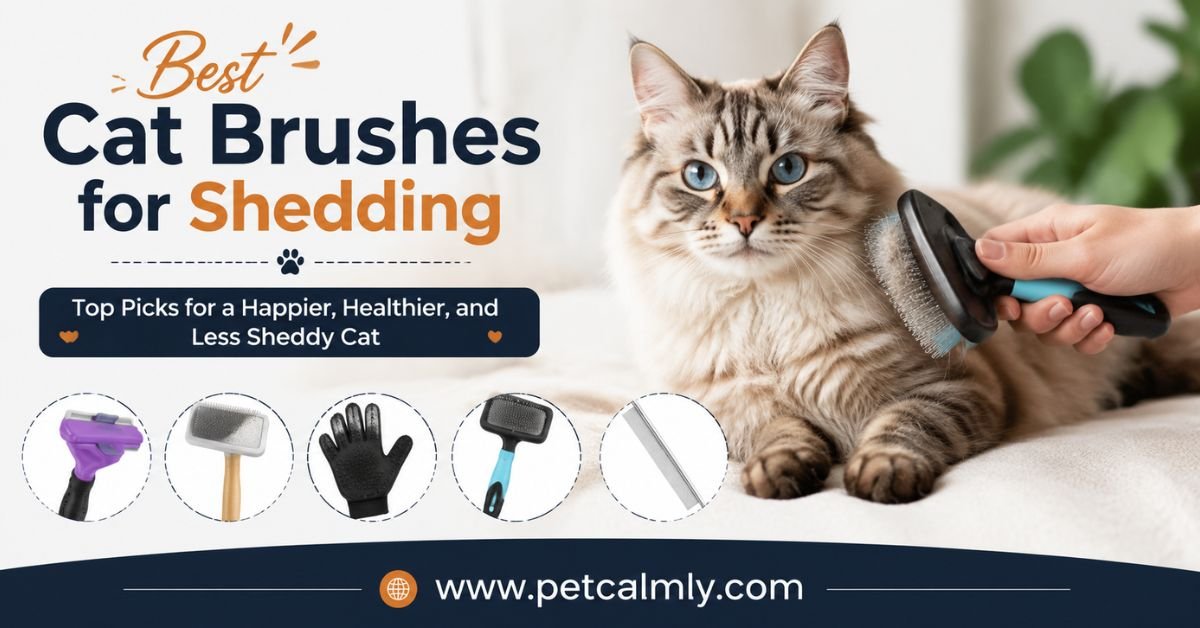
The best cat brushes for shedding remove loose undercoat without irritating your cat’s skin, helping reduce hair around your home while supporting a healthier coat. The right brush depends on your cat’s coat type. Slicker brushes work well for medium and long-haired cats, grooming gloves help nervous cats, rubber brushes suit short-haired breeds, and undercoat deshedding tools can remove large amounts of loose fur during seasonal shedding. Regular brushing usually two to four times per week keeps your cat comfortable, minimizes hairballs, and makes grooming a positive experience.
Introduction
If it feels like your cat leaves a trail of fur on every blanket, couch cushion, and black shirt you own, you’re not alone. Shedding is a completely natural part of a cat’s life, but the amount of loose hair can sometimes become frustrating for pet owners.
The good news is that shedding usually isn’t something you need to stop it’s something you can manage. Choosing one of the best cat brushes for shedding can dramatically reduce loose fur, prevent painful mats, lower the number of hairballs your cat swallows, and even strengthen the bond between you and your feline companion.
Many owners assume all cat brushes are basically the same. In reality, different brushes are designed for different coat lengths, fur textures, and grooming needs. Using the wrong tool may leave loose hair behind or make your cat dislike grooming sessions altogether.
In this guide, you’ll learn:
- How cat shedding works
- Which brush works best for different coat types
- How to brush your cat correctly
- Common grooming mistakes to avoid
- Signs that excessive shedding may indicate a health problem
- Tips for making grooming easier for both you and your cat
Whether you share your home with a fluffy long-haired companion or a sleek short-haired explorer, this guide will help you choose the right grooming routine with confidence.
Why Do Cats Shed So Much?
Before shopping for grooming tools, it helps to understand why shedding happens in the first place.
Cats naturally replace old or damaged hair with new growth throughout the year. This continuous cycle keeps their coat healthy and protects their skin.
Several factors influence how much your cat sheds.
Seasonal Changes
Many cats shed more heavily during spring and fall as their coat adjusts to changing temperatures. Indoor cats may shed year-round because artificial lighting and climate-controlled homes affect their natural coat cycle.
Breed
Some breeds naturally produce far more loose fur than others.
Heavy shedders often include:
- Maine Coon
- Persian
- Siberian
- Norwegian Forest Cat
- Ragdoll
Moderate shedders include:
- British Shorthair
- American Shorthair
- Scottish Fold
Lower-shedding breeds may include:
- Russian Blue
- Bengal
- Cornish Rex
- Devon Rex
- Sphynx (requires skin care instead of brushing)
Age
Kittens generally require less grooming than adults, while senior cats may struggle to groom themselves effectively due to arthritis, obesity, or reduced flexibility.
Diet
Healthy skin produces healthy fur. Poor nutrition may lead to:
- Increased shedding
- Dry coat
- Brittle fur
- Dull appearance
Cats eating balanced, high-quality diets often maintain stronger coats.
Stress
Changes like moving house, introducing another pet, loud construction, or unfamiliar visitors can temporarily increase shedding.
Stress-related shedding usually improves once your cat feels secure again.
Can Brushing Really Reduce Shedding?
Yes—but not because brushing stops hair from falling out.
Instead, brushing removes loose hairs before they land on your furniture, carpet, or clothing.
Regular grooming also helps:
- Spread natural skin oils
- Reduce hairballs
- Prevent painful mats
- Improve coat shine
- Stimulate healthy circulation
- Let you notice lumps, parasites, or skin irritation early
Many owners notice a visible reduction in loose fur around the home after only a few weeks of consistent grooming.
How to Choose the Best Cat Brush for Shedding
The ideal brush depends more on your cat than on the brand.
Consider these important factors.
Coat Length
Short-haired cats need different tools than long-haired breeds.
Short coats usually benefit from:
- Rubber brushes
- Grooming gloves
- Soft bristle brushes
Medium coats often respond well to:
- Slicker brushes
- Pin brushes
Long-haired cats may require:
- Slicker brushes
- Stainless-steel combs
- Undercoat deshedding tools
Using the wrong brush may leave the undercoat untouched or pull uncomfortably on healthy hair.
Undercoat Thickness
Some cats have thick double coats that trap loose fur underneath the outer layer.
These breeds often benefit from deshedding tools designed to reach the dense undercoat without cutting healthy guard hairs.
Cats with single coats generally don’t require aggressive undercoat tools.
Skin Sensitivity
Cats with delicate skin appreciate brushes that have:
- Rounded pins
- Flexible heads
- Soft rubber tips
- Gentle bristles
Avoid overly sharp metal teeth or excessive pressure during brushing.
Your Cat’s Personality
Not every cat enjoys grooming.
If your cat:
- Runs away from brushes
- Becomes anxious
- Dislikes restraint
Start with:
- Grooming gloves
- Soft rubber brushes
- Very short sessions
- Positive rewards
Confident cats often tolerate slicker brushes or combs once they’re comfortable with handling.
Types of Cat Brushes for Shedding
Understanding each type makes shopping much easier.
Slicker Brush
A slicker brush has many fine wire pins that gently lift loose fur while smoothing the outer coat.
Best for:
- Medium-haired cats
- Long-haired cats
- Removing loose surface hair
- Preventing mats
Pros:
- Excellent for everyday grooming
- Removes loose fur efficiently
- Helps prevent tangles
Cons:
- Can irritate skin if used aggressively
- May overwhelm very sensitive cats
Rubber Grooming Brush
Rubber brushes attract loose hair through gentle friction.
Best for:
- Short-haired cats
- Nervous cats
- Daily brushing
Pros:
- Very gentle
- Comfortable massage effect
- Encourages nervous cats to relax
Cons:
- Doesn’t reach deep undercoats
Grooming Gloves
Some cats dislike brushes but happily accept petting.
Grooming gloves combine both experiences.
They’re excellent for:
- First-time grooming
- Senior cats
- Timid cats
- Building positive associations
Many owners find grooming gloves especially helpful for kittens learning to enjoy brushing.
Stainless Steel Comb
Combs reach areas many brushes miss.
They’re particularly useful around:
- Neck
- Tail
- Behind ears
- Legs
- Armpits
They also help locate small tangles before they become painful mats.
Undercoat Deshedding Tool
These tools remove loose undercoat hair that ordinary brushes often leave behind.
Best for:
- Thick-coated breeds
- Seasonal shedding
- Double-coated cats
Use them carefully.
Overusing an undercoat tool may remove healthy protective fur or irritate sensitive skin.
For many cats, once every one to two weeks is enough outside peak shedding seasons.
Best Cat Brushes for Shedding by Coat Type
Choosing a brush based on coat type is often more effective than simply buying the most expensive option.
| Coat Type | Recommended Brush | Why It Works |
|---|---|---|
| Short Hair | Rubber brush | Removes loose surface hair gently |
| Short Dense Coat | Grooming glove | Comfortable and beginner-friendly |
| Medium Hair | Slicker brush | Prevents tangles while removing shedding fur |
| Long Hair | Slicker brush plus steel comb | Controls mats and reaches deeper fur |
| Thick Double Coat | Undercoat deshedding tool | Removes loose undercoat efficiently |
| Senior Cats | Soft grooming glove | Gentle on aging joints and sensitive skin |
| Sensitive Cats | Rubber grooming brush | Less intimidating and soothing |
How Often Should You Brush a Shedding Cat?
The ideal schedule depends on your cat’s coat and the time of year.
Short-Haired Cats
Brush about two to three times each week.
This usually keeps loose hair under control.
Medium-Haired Cats
Brush three to four times weekly.
Increase frequency during seasonal shedding.
Long-Haired Cats
Daily brushing is often the best way to prevent tangles, mats, and excess shedding.
Heavy Seasonal Shedding
During spring and fall, many cats benefit from brief daily grooming sessions instead of occasional long ones.
Short sessions are often easier for both the cat and the owner.
Signs You’re Using the Wrong Brush
Your cat’s behavior often tells you whether a grooming tool is suitable.
Watch for these warning signs:
- Pulling away constantly
- Flattened ears
- Tail flicking
- Growling or swatting
- Red skin after brushing
- Hair breaking instead of coming loose
- Increased fear of grooming sessions
If you notice these behaviors, stop and reassess the tool, your technique, or the length of each grooming session.
Sometimes switching to a softer brush or grooming glove makes a dramatic difference.
How to Brush a Cat for Shedding Without Causing Stress
Even the best cat brushes for shedding won’t help much if they’re used incorrectly. Cats are sensitive to both handling and routine, so a calm approach often works better than trying to remove every loose hair in one session.
Think of grooming as a series of short, positive experiences rather than a chore.
Step 1: Pick the Right Time
Choose a moment when your cat is naturally relaxed, such as:
- After a meal
- Following a play session
- During a favorite nap spot
- While sitting beside you on the couch
Avoid brushing when your cat is:
- Overexcited
- Scared
- Hiding
- Watching birds or wildlife through the window
- Recovering from illness or injury
A calm cat is far more likely to accept grooming.
Step 2: Let Your Cat Investigate the Brush
Cats rely heavily on scent. Before brushing, place the brush on the floor or hold it near your cat so they can sniff and inspect it.
This simple step helps reduce fear of unfamiliar objects.
Reward curiosity with gentle praise or a small treat.
Step 3: Begin with Gentle Strokes
Start brushing along areas many cats already enjoy being petted:
- Shoulders
- Neck
- Back
Leave more sensitive areas such as the belly, legs, and tail until your cat becomes comfortable.
Brush in the direction of hair growth using slow, even strokes. Pulling against the coat can be uncomfortable and may damage healthy fur.
Step 4: Watch Your Cat’s Body Language
Your cat will usually tell you when they’ve had enough.
Positive signs include:
- Relaxed ears
- Slow blinking
- Purring
- Leaning into the brush
- Stretching comfortably
Signs it’s time to stop include:
- Tail whipping
- Flattened ears
- Tense muscles
- Growling
- Swatting
- Walking away
Ending the session before your cat becomes upset helps build trust for future grooming.
Step 5: Keep Sessions Short
Five to ten minutes is enough for most cats.
Long-haired breeds may eventually enjoy longer grooming sessions, but it’s better to brush frequently than to force one long session.
Consistency matters more than duration.
Step 6: Finish on a Positive Note
Offer something your cat enjoys after brushing, such as:
- A favorite treat
- Playtime
- Gentle petting
- Quiet cuddle time
Positive reinforcement helps your cat associate grooming with good experiences.
5 Common Grooming Mistakes Cat Owners Make
Many owners accidentally make shedding worse by using poor grooming techniques.
Avoid these common mistakes.
Brushing Too Hard
Applying extra pressure doesn’t remove more hair.
Instead, it may:
- Irritate the skin
- Break healthy hairs
- Make grooming unpleasant
Use light, controlled strokes instead.
Using the Wrong Brush
A slicker brush designed for long-haired cats isn’t always suitable for a short-haired kitten.
Likewise, a soft grooming glove won’t remove enough loose undercoat from a thick-coated cat.
Matching the brush to your cat’s coat type is more important than choosing the most expensive tool.
Waiting Until Mats Form
Mats become tighter over time.
Small tangles are easy to remove.
Large mats may:
- Pull painfully on the skin
- Trap moisture
- Hide skin infections
- Require professional grooming
Routine brushing is much easier than dealing with severe matting later.
Brushing Too Often
More grooming isn’t always better.
Excessive brushing may:
- Irritate skin
- Remove healthy oils
- Cause coat damage
Follow a schedule based on your cat’s coat rather than brushing every day without reason.
Ignoring Skin Problems
Brushing gives you an opportunity to notice changes beneath the fur.
Watch for:
- Redness
- Scabs
- Fleas
- Ticks
- Bald patches
- Lumps
- Unusual odors
If you notice persistent skin issues, schedule a veterinary examination instead of assuming shedding is the only problem.
How to Reduce Cat Shedding Naturally
Brushing is only one part of good coat care.
Healthy habits support healthy skin and stronger fur.
Feed a Balanced Diet
Hair is made largely of protein.
Cats eating complete, balanced diets generally develop healthier coats.
Look for foods that provide:
- High-quality animal protein
- Essential fatty acids
- Vitamins and minerals
- Appropriate calories for your cat’s age and lifestyle
If you’re considering supplements, consult your veterinarian first to ensure they’re appropriate for your cat.
Encourage Hydration
Dehydrated skin may contribute to a dull, brittle coat.
Help your cat drink more by offering:
- Fresh water daily
- Multiple water bowls
- A pet water fountain
- Wet food if recommended by your veterinarian
Good hydration benefits both skin and overall health.
Reduce Stress
Stress can trigger temporary increases in shedding.
Common stressors include:
- Moving home
- New pets
- Loud noises
- Major routine changes
- Home renovations
Providing predictable routines, safe hiding places, and interactive play can help your cat feel more secure.
Maintain a Healthy Weight
Overweight cats often struggle to groom hard-to-reach areas.
Regular grooming becomes even more important if your cat cannot comfortably clean their:
- Lower back
- Hindquarters
- Belly
A healthy weight supports both mobility and self-grooming.
Control Fleas and Parasites
Flea bites often cause intense itching, scratching, and excessive hair loss.
Follow your veterinarian’s advice for year-round parasite prevention based on your location and your cat’s lifestyle.
Seasonal Shedding: What to Expect
Many owners worry when they suddenly notice more fur around the house.
Often, it’s simply seasonal shedding.
Spring
As temperatures rise, cats lose much of their heavier winter coat.
Expect:
- More loose fur
- More brushing
- Increased hairballs if not groomed regularly
Fall
Many cats begin replacing lighter summer fur with a thicker winter coat.
Although usually less dramatic than spring shedding, you’ll still notice extra loose hair.
Indoor Cats
Indoor cats don’t always follow seasonal patterns.
Because they live in climate-controlled homes with artificial lighting, they may shed moderately throughout the year instead of in distinct seasons.
Hairballs and Shedding
Loose fur doesn’t just end up on furniture.
Cats swallow a surprising amount of hair while grooming themselves.
Most of it passes safely through the digestive system.
Sometimes, however, hair collects in the stomach and forms a hairball.
Signs include:
- Coughing
- Gagging
- Retching
- Vomiting a tube-shaped hairball
Regular brushing removes loose fur before your cat can swallow it, making hairballs less frequent.
Long-haired cats usually benefit the most from consistent grooming.
Long-Haired vs. Short-Haired Cats
Understanding your cat’s coat type helps you build the right grooming routine.
| Feature | Long-Haired Cats | Short-Haired Cats |
|---|---|---|
| Shedding | Moderate to heavy | Light to moderate |
| Hairballs | More common | Less common |
| Matting Risk | High | Low |
| Grooming Frequency | Daily | 2–3 times weekly |
| Best Brush | Slicker brush and steel comb | Rubber brush or grooming glove |
Neither coat type is “better.” They simply require different grooming strategies.
Signs Your Grooming Routine Is Working
You probably won’t eliminate shedding completely but you should notice gradual improvements.
Positive signs include:
- Less fur on furniture
- Fewer hairballs
- Softer coat
- Reduced matting
- Shinier fur
- Happier grooming sessions
- Less vacuuming around the home
Consistency over several weeks usually produces the best results.
Grooming Tips for Kittens
Introducing brushing early makes lifelong grooming much easier.
Keep sessions:
- Short
- Gentle
- Fun
- Reward-based
Use soft grooming gloves or rubber brushes before introducing slicker brushes as your kitten grows.
Avoid forcing grooming if your kitten becomes frightened.
Instead, build confidence gradually.
Grooming Tips for Senior Cats
Older cats often need extra grooming support because they may have arthritis or reduced flexibility.
Pay special attention to:
- Lower back
- Tail base
- Belly
- Hind legs
Use slow, gentle strokes and allow breaks whenever needed.
If your senior cat suddenly stops grooming altogether, it’s worth discussing with your veterinarian, as pain or illness may be contributing.
Helpful Grooming Checklist
Use this quick checklist to keep your cat’s coat in great condition:
- ✔ Choose a brush suited to your cat’s coat type.
- ✔ Brush on a regular schedule.
- ✔ Keep sessions calm and positive.
- ✔ Check for mats, fleas, or skin changes.
- ✔ Feed a balanced, nutritious diet.
- ✔ Encourage good hydration.
- ✔ Watch for excessive shedding or bald patches.
- ✔ Reward your cat after each grooming session.
When Should You Worry About Excessive Cat Shedding?
Shedding is a normal part of being a cat owner, but sometimes increased hair loss can signal that something more than seasonal shedding is happening.
The key difference is normal shedding versus abnormal hair loss.
Normal shedding usually means:
- Loose fur coming out evenly across the coat
- No visible skin irritation
- No bald areas
- Your cat behaving normally
- Coat remaining soft and healthy
Excessive shedding may require attention when it happens suddenly or comes with other changes.
Signs Your Cat’s Shedding May Need Veterinary Attention
Contact your veterinarian if you notice any of the following:
Sudden Increase in Hair Loss
If your cat suddenly starts losing large amounts of fur without an obvious seasonal reason, it is worth investigating.
Possible causes may include:
- Skin irritation
- Allergies
- Parasites
- Stress
- Nutritional problems
- Underlying health conditions
A sudden change is often more important than the total amount of fur being shed.
Bald Spots or Thinning Fur
Healthy shedding should not create visible patches of missing hair.
Look for:
- Round bald areas
- Thinning fur near the ears
- Hair loss around the face
- Missing fur on the belly or legs
Some cats over-groom itchy areas, which can lead to noticeable hair loss.
Excessive Licking or Scratching
A cat that constantly grooms one area may be trying to relieve discomfort.
Pay attention if your cat:
- Licks one spot repeatedly
- Bites at their fur
- Scratches frequently
- Seems restless during grooming
These behaviors may indicate irritation, allergies, fleas, or pain.
Skin Changes Under the Fur
While brushing your cat, check for:
- Redness
- Scabs
- Flaky skin
- Swelling
- Unusual bumps
- Bad odor
Early detection allows problems to be addressed before they become more serious.
What Should Pet Owners Do About Excessive Shedding?
If your cat seems to be shedding more than usual, follow a simple evaluation process.
1. Review Recent Changes
Think about anything different in your cat’s environment:
- New food
- Moving house
- New pets
- Different litter
- Changes in routine
- Increased stress
Temporary shedding increases may happen after stressful events.
2. Improve Your Grooming Routine
If your cat is healthy but shedding heavily, focus on consistent grooming.
A practical routine:
Short-Haired Cats
- Brush 2–3 times weekly
- Use a rubber brush or grooming glove
- Increase brushing during seasonal shedding
Long-Haired Cats
- Brush daily when possible
- Use a slicker brush and comb combination
- Check frequently for tangles
3. Examine Your Cat’s Overall Health
A healthy coat reflects overall wellness.
Look at:
- Energy level
- Appetite
- Drinking habits
- Weight changes
- Litter box habits
- Grooming behavior
A coat problem is sometimes the first visible sign of a larger issue.
4. Avoid Quick Fixes Without Advice
Many products claim to instantly stop shedding.
Be cautious with:
- Unnecessary supplements
- Harsh grooming tools
- Strong skin products
- Human hair-care products
Cats have different skin needs than humans. Products not designed for cats may cause irritation.
Best Cat Brushes for Shedding: Quick Comparison Guide
Choosing the right grooming tool becomes easier when you compare the main options.
| Brush Type | Best For | Main Benefit | Use Frequency |
|---|---|---|---|
| Rubber Brush | Short-haired cats | Gentle loose hair removal | Several times weekly |
| Grooming Glove | Nervous cats | Feels like normal petting | Regular use |
| Slicker Brush | Medium and long coats | Removes loose fur and prevents tangles | Several times weekly |
| Stainless Steel Comb | Long-haired cats | Finds knots and hidden mats | Regular checks |
| Undercoat Tool | Thick double coats | Removes excess undercoat | Occasionally |
The best choice is not always the tool that removes the most hair. A brush your cat comfortably accepts is usually the one you will use consistently.
Frequently Asked Questions
1. What is the best cat brush for shedding?
The best cat brush for shedding depends on your cat’s coat type. Rubber brushes and grooming gloves work well for short-haired cats, while slicker brushes and combs are usually better for long-haired cats with more frequent shedding.
2. How often should I brush my cat to reduce shedding?
Most cats benefit from brushing two to four times per week. Long-haired cats may need daily grooming, especially during heavy shedding seasons.
Regular brushing removes loose fur before it spreads around your home or forms hairballs.
3. Can brushing my cat stop shedding completely?
No. Shedding is a natural process that keeps your cat’s coat healthy. Brushing cannot stop shedding completely, but it can significantly reduce loose fur and help manage it more effectively.
4. Why does my cat shed so much even after brushing?
Some cats naturally shed more because of their breed, coat thickness, season, age, or environment. If shedding is sudden, uneven, or accompanied by itching or bald spots, a veterinary check is recommended.
5. How do I get my cat to like being brushed?
Start slowly and make grooming rewarding. Let your cat sniff the brush, begin with short sessions, brush areas they already enjoy being touched, and offer praise or treats afterward.
Never force brushing if your cat becomes frightened or aggressive.
6. Are deshedding tools safe for cats?
Deshedding tools can be safe when used correctly, especially for cats with thick undercoats. However, excessive use or pressing too hard may irritate the skin or remove healthy fur. Follow gentle techniques and avoid overusing these tools.
More Information About Pets, Please Visit Our Website: Cat Nail Care Products
Conclusion
Finding the best cat brushes for shedding is less about buying the most popular tool and more about understanding your cat’s individual needs.
A short-haired cat may thrive with a simple rubber brush, while a fluffy long-haired cat may need a combination of a slicker brush and comb. The right grooming tool should make the process comfortable, stress-free, and beneficial for both you and your cat.
Remember:
- Shedding is normal, but sudden changes deserve attention.
- Regular brushing reduces loose fur and supports coat health.
- Gentle techniques build trust.
- The best brush is the one your cat accepts consistently.
- Veterinary advice is important when shedding comes with skin problems, bald patches, or behavior changes.
With the right approach, grooming becomes more than a way to control fur around your home it becomes a quiet moment of care that helps your cat stay comfortable, healthy, and connected with you.