Short direct answer
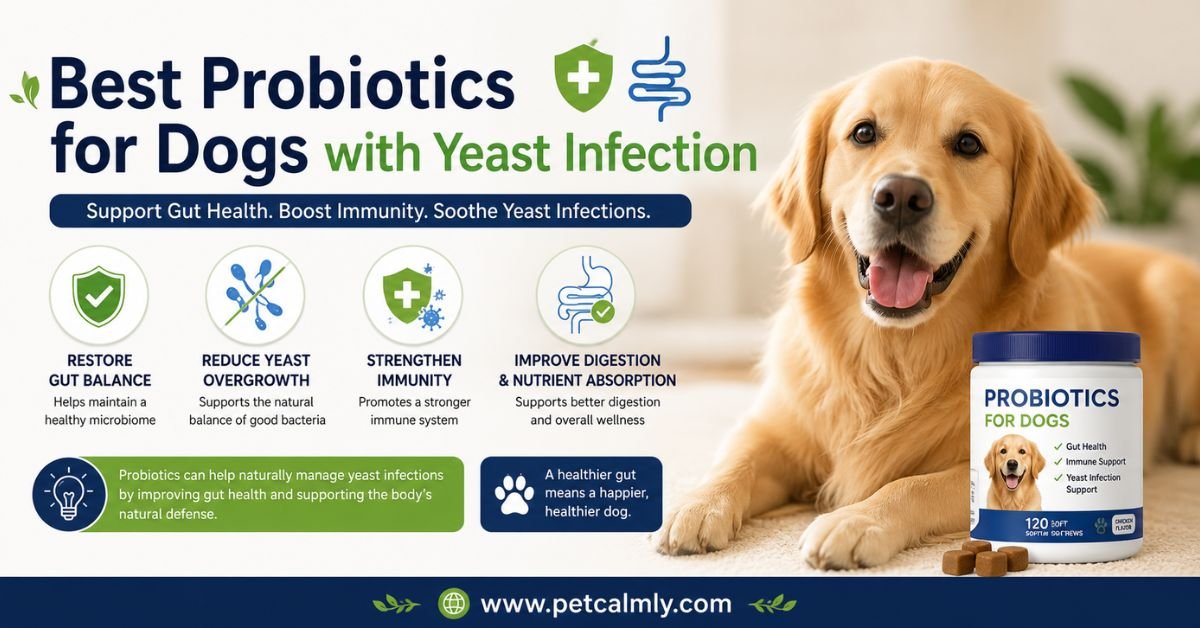
If your dog has a yeast infection, the best probiotics for dogs with yeast infection are those that contain multiple beneficial bacterial strains, provide billions of live CFUs, and are specifically formulated for canine digestive health. While probiotics don’t kill yeast directly, they help restore a healthy balance of gut bacteria, support the immune system, improve digestion, and may reduce the conditions that allow yeast to overgrow. For the best results, combine probiotics with veterinary treatment, proper hygiene, and a balanced diet.
Introduction
A dog that constantly scratches, licks its paws, shakes its head, or has a lingering musty odor can make any pet owner worry. These are common signs of a yeast infection, and while medications often help clear the immediate problem, many owners discover the infection returns weeks or months later.
That’s where probiotics enter the conversation.
Healthy bacteria naturally live in your dog’s digestive system and play an important role in digestion, immune function, and overall health. When that balance is disrupted whether from antibiotics, illness, allergies, stress, or poor nutrition yeast can sometimes gain the upper hand.
Adding the right probiotic may help restore balance inside the body, making it more difficult for harmful yeast to thrive. However, not every probiotic is equally effective, and choosing the wrong product can waste money without improving your dog’s condition.
This guide explains how probiotics support dogs with yeast infections, which ingredients matter most, how to choose a quality supplement, and what other steps can help prevent recurring yeast problems.
Understanding the Search Intent
If you’re searching for the best probiotics for dogs with yeast infection, you’re probably asking several questions at once:
- Which probiotic actually works?
- Can probiotics cure a yeast infection?
- Are natural supplements enough?
- Which ingredients should I look for?
- How long before I notice improvement?
- Should probiotics be used with antifungal medication?
- What foods help or worsen yeast overgrowth?
We’ll answer all of these questions in a practical, evidence-informed way while helping you understand what probiotics can—and cannot—do.
What Is a Yeast Infection in Dogs?
A yeast infection happens when naturally occurring yeast on a dog’s skin or inside the ears grows out of control. The most common culprit is Malassezia, a type of yeast that normally lives harmlessly on healthy skin.
When the skin’s natural defenses are weakened, yeast multiplies rapidly and causes irritation and inflammation.
Common areas affected include:
- Ears
- Paws
- Skin folds
- Belly
- Armpits
- Around the tail
- Groin
- Mouth (less common)
Some dogs experience only occasional flare-ups, while others struggle with chronic yeast infections that require long-term management.
Common Signs of a Dog Yeast Infection
Recognizing the symptoms early can prevent a mild infection from becoming more severe.
Skin Symptoms
Many dogs develop noticeable skin changes such as:
- Constant scratching
- Red or inflamed skin
- Thickened skin
- Greasy coat
- Brown staining
- Hair loss
- Darkened skin
- Musty or “corn chip” smell
Ear Symptoms
Yeast commonly affects the ears and may cause:
- Head shaking
- Ear scratching
- Brown discharge
- Red ear canals
- Bad odor
- Pain when touched
Paw Symptoms
Dogs often show signs by:
- Excessive paw licking
- Red between the toes
- Brown saliva stains
- Swollen feet
- Chewing nails
Why Do Dogs Develop Yeast Infections?
Understanding the root cause is just as important as treating the infection itself.
Yeast usually overgrows because something has disrupted the body’s normal balance.
Some of the most common causes include:
Allergies
Environmental allergies and food allergies are among the biggest contributors.
Inflamed skin becomes an ideal environment for yeast to multiply.
Antibiotic Use
Antibiotics eliminate harmful bacteria, but they can also reduce beneficial bacteria that help keep yeast under control.
This imbalance is one reason veterinarians often recommend probiotics after a course of antibiotics.
Weakened Immune Function
Dogs with weakened immune systems may have more difficulty controlling naturally occurring yeast.
Hormonal Disorders
Conditions like hypothyroidism or Cushing’s disease can increase the risk of recurring skin infections.
Moisture
Warm, damp environments encourage yeast growth.
Dogs that swim frequently or have skin folds may be especially prone.
Poor Nutrition
Highly processed diets may not directly cause yeast infections, but poor nutrition can contribute to unhealthy skin and a weakened immune response.
Can Probiotics Help Dogs with Yeast Infections?
Yes—but it’s important to understand their role.
Probiotics do not directly kill yeast.
Instead, they help improve the environment inside your dog’s body.
Healthy gut bacteria support:
- Digestive balance
- Immune function
- Nutrient absorption
- Healthy inflammatory responses
- Normal bacterial populations
Since much of the immune system is connected to the digestive tract, supporting gut health may also improve skin health over time.
For dogs with recurring yeast infections, probiotics are often part of a broader management plan rather than a standalone cure.
How Probiotics Work Against Yeast Overgrowth
Think of your dog’s gut as a balanced ecosystem.
When beneficial bacteria thrive, harmful microbes including excessive yeast have fewer opportunities to dominate.
Quality probiotics may help by:
Restoring Healthy Gut Flora
Beneficial bacteria compete with undesirable organisms for nutrients and space.
Supporting Immune Health
A healthy microbiome helps the immune system respond appropriately to infections without excessive inflammation.
Improving Digestion
Better digestion means nutrients important for healthy skin such as vitamins and minerals are absorbed more effectively.
Helping After Antibiotics
Many dogs experience digestive imbalance after antibiotic treatment.
Probiotics help replenish beneficial bacteria that antibiotics may have reduced.
What Makes the Best Probiotics for Dogs with Yeast Infection?
Not all supplements are created equally.
Choosing a probiotic involves looking beyond marketing claims.
Here are the most important qualities to consider.
Multiple Probiotic Strains
Different bacterial strains perform different functions.
Products containing several strains often provide broader digestive support than single-strain formulas.
Look for supplements containing various beneficial bacteria rather than only one type.
High CFU Count
CFU stands for Colony Forming Units.
This measures how many live bacteria are present.
Higher isn’t always better, but products with several billion CFUs generally provide stronger probiotic support than those with very low counts.
Dog-Specific Formulation
Dogs have a different digestive system than humans.
A probiotic made specifically for canine health is generally a better choice than using human supplements without veterinary guidance.
Added Prebiotics
Prebiotics act as food for beneficial bacteria.
They help probiotics survive and multiply.
Common prebiotic ingredients include:
- Inulin
- Chicory root fiber
- Fructooligosaccharides (FOS)
Stable Manufacturing
Live bacteria are sensitive to heat and moisture.
Quality products should be manufactured with stability in mind and stored according to label directions.
Clear Ingredient List
Avoid products with excessive fillers, artificial colors, or unnecessary additives.
Simple, transparent formulations are often preferable.
Ingredients That May Support Dogs with Yeast Problems
Many high-quality canine probiotic supplements include additional ingredients that support overall health.
| Ingredient | Why It May Help |
|---|---|
| Probiotic strains | Support healthy gut bacteria |
| Prebiotics | Feed beneficial microbes |
| Digestive enzymes | Improve nutrient digestion |
| Pumpkin | Supports digestive regularity |
| Fiber | Encourages balanced digestion |
| Omega-3 fatty acids | Promote healthy skin barrier |
| Zinc | Supports skin repair |
| Vitamin E | Helps maintain healthy skin |
While these ingredients don’t replace medical treatment, they may complement an overall wellness plan.
Signs a Probiotic May Be Helping Your Dog
Improvements are often gradual rather than immediate.
Some owners notice positive changes within a few weeks, while others see slower progress depending on the underlying cause.
Possible signs include:
- Less paw licking
- Reduced scratching
- Improved stool quality
- Better digestion
- Less body odor
- Healthier skin
- Improved coat shine
- More consistent energy levels
If symptoms continue to worsen despite treatment, consult your veterinarian instead of relying on supplements alone.
How Long Does It Take for Probiotics to Work?
Patience is important.
Many dogs begin showing digestive improvements within 2 to 4 weeks, but skin health often takes longer because the body needs time to reduce inflammation and repair damaged skin.
Factors that affect recovery include:
- Severity of the yeast infection
- Underlying allergies
- Diet quality
- Consistency of probiotic use
- Veterinary treatment
- Overall immune health
For chronic yeast infections, probiotics may be recommended as part of a long-term management strategy rather than a short-term solution.
How to Choose the Best Probiotics for Dogs with Yeast Infection
Walking into a pet store or browsing online can feel overwhelming. Dozens of products promise better digestion, healthier skin, and stronger immunity, but not all probiotics are backed by quality ingredients or careful manufacturing.
Instead of focusing on marketing claims, evaluate a probiotic based on what it actually contains.
Check the List of Probiotic Strains
Different bacterial strains perform different jobs inside the digestive system. A quality supplement usually includes several strains rather than relying on just one.
Some commonly used probiotic strains for dogs include:
- Lactobacillus acidophilus
- Lactobacillus casei
- Lactobacillus plantarum
- Bifidobacterium animalis
- Enterococcus faecium
A multi-strain formula may provide broader digestive support because each strain contributes in a slightly different way.
Choose an Appropriate CFU Count
CFU stands for Colony Forming Units, which measures the number of live beneficial bacteria.
For many healthy adult dogs, products containing several billion CFUs are commonly recommended. However, the ideal amount depends on:
- Your dog’s size
- Age
- Health condition
- Veterinary advice
- Manufacturer’s dosing instructions
More CFUs do not always mean a better product. Stability and strain quality are just as important.
Look for Third-Party Quality Standards
Trustworthy manufacturers often provide information about:
- Quality testing
- Manufacturing standards
- Expiration dates
- Guaranteed live cultures through expiration
- Proper storage recommendations
Transparency helps you feel more confident about the supplement you’re buying.
Consider Your Dog’s Individual Needs
A probiotic that works well for one dog may not be the best choice for another.
Think about:
- Puppy or senior age
- Food allergies
- Sensitive stomach
- Current medications
- Existing medical conditions
- History of chronic yeast infections
If your dog has multiple health concerns, ask your veterinarian before starting any new supplement.
Can Probiotics Replace Yeast Infection Medication?
No.
This is one of the biggest misconceptions among pet owners.
A probiotic supports the body’s natural balance but does not eliminate an active yeast infection on its own.
Depending on the location and severity of the infection, your veterinarian may recommend:
- Antifungal medication
- Medicated shampoo
- Ear cleaners
- Prescription wipes
- Topical creams
- Allergy management
- Dietary adjustments
Think of probiotics as part of a complete treatment plan rather than the only solution.
Best Diet to Support a Dog with a Yeast Infection
Nutrition plays an important role in overall skin and digestive health.
While no diet can “starve” yeast completely, feeding a balanced, high-quality diet may help support the body’s natural defenses.
Focus on High-Quality Protein
Dogs benefit from diets made with identifiable animal protein sources.
Examples include:
- Chicken
- Turkey
- Beef
- Lamb
- Salmon
- Whitefish
Quality protein supports skin repair and immune function.
Include Healthy Fats
Healthy fats nourish the skin and coat.
Look for sources such as:
- Fish oil
- Salmon oil
- Flaxseed (where appropriate)
- Marine omega-3 supplements recommended by your veterinarian
Omega-3 fatty acids may help support a healthy inflammatory response.
Add Fiber for Digestive Health
Fiber helps nourish beneficial gut bacteria.
Good sources include:
- Pumpkin
- Sweet potato
- Carrots
- Green beans
Introduce fiber gradually to avoid digestive upset.
Foods That May Trigger Problems in Sensitive Dogs
Every dog is different, but some dogs with allergies or digestive sensitivities may react to certain ingredients.
Depending on your veterinarian’s recommendations, you may need to evaluate:
- Food allergies
- Artificial preservatives
- Artificial colors
- Low-quality fillers
- Frequent diet changes
If allergies are suspected, an elimination diet supervised by your veterinarian is often the most reliable way to identify food triggers.
Is Yogurt a Good Probiotic for Dogs?
Many owners wonder whether plain yogurt is enough.
The answer is: sometimes, but usually not as a primary probiotic supplement.
Plain, unsweetened yogurt contains beneficial bacteria, but there are limitations.
Benefits
- Contains live cultures
- Easy to find
- Can be used occasionally for some dogs
Drawbacks
- Lower probiotic concentration than many canine supplements
- Some dogs cannot digest dairy well
- Added sugars or artificial sweeteners are unsafe
- Not formulated specifically for dogs
If you offer yogurt, choose plain, unsweetened varieties and ask your veterinarian if it is appropriate for your dog’s diet.
How to Give Probiotics to Your Dog
Consistency is more important than occasional large doses.
Most probiotics come as:
- Powders
- Soft chews
- Capsules
- Tablets
- Sachets
Some owners mix powder into meals, while others prefer flavored chews that dogs accept as treats.
Always follow the manufacturer’s instructions unless your veterinarian recommends otherwise.
Tips for Better Results
You can improve your dog’s chances of success by following a few simple habits.
Give the Supplement Daily
Skipping doses may reduce the benefits.
Store It Properly
Some probiotics require refrigeration, while others remain stable at room temperature.
Always follow storage instructions.
Feed a Balanced Diet
A nutritious diet supports the beneficial bacteria you’re introducing.
Monitor Progress
Keep track of:
- Itching
- Ear infections
- Paw licking
- Stool quality
- Coat condition
- Appetite
Small improvements over time are often easier to notice when written down.
Common Mistakes Dog Owners Make
Managing recurring yeast infections can be frustrating. These common mistakes may slow recovery.
1: Expecting Overnight Results
Healthy gut bacteria need time to become established.
Most dogs improve gradually rather than immediately.
2: Stopping Treatment Too Soon
Owners sometimes discontinue probiotics once symptoms improve.
If your veterinarian recommends long-term use, stopping early may allow digestive imbalance to return.
3: Ignoring the Underlying Cause
Recurring yeast infections often have an underlying trigger such as:
- Allergies
- Hormonal disease
- Skin irritation
- Chronic ear problems
Unless that root cause is addressed, infections may continue to return.
4: Choosing Supplements Based Only on Price
The least expensive product is not always the best value.
Poor-quality probiotics may contain fewer live bacteria than advertised or lack meaningful strain diversity.
5: Overbathing Your Dog
Frequent bathing with inappropriate shampoos can dry the skin and damage its natural protective barrier.
Only use medicated shampoos as directed by your veterinarian.
Can Puppies Take Probiotics?
Many puppies can safely take probiotics that are formulated for their age and size.
Your veterinarian may recommend probiotics for puppies experiencing:
- Digestive upset
- Stress from rehoming
- Antibiotic treatment
- Mild diarrhea
- Diet transitions
Avoid giving adult supplements unless the product label specifically states they are suitable for puppies.
Can Dogs Take Human Probiotics?
Some human probiotic strains may not survive or function the same way in a dog’s digestive system.
Human supplements may also contain ingredients that are unnecessary or unsuitable for dogs.
Whenever possible, choose a product specifically designed for canine health and discuss it with your veterinarian if your dog has an existing medical condition.
When Should You Contact a Veterinarian?
A mild yeast infection may seem manageable at home, but some situations require professional care.
Contact your veterinarian if your dog has:
- Persistent itching
- Bleeding skin
- Open sores
- Swollen ears
- Strong odor that continues despite cleaning
- Yellow or green discharge
- Loss of appetite
- Fever
- Lethargy
- Frequent recurring infections
Repeated yeast infections are often a sign of an underlying health issue that needs investigation.
What Should Pet Owners Do?
If you suspect your dog has a yeast infection, a step-by-step approach is usually more effective than relying on a single product.
Use this checklist as a guide:
✔ Schedule a veterinary examination if symptoms are severe or recurring.
✔ Follow prescribed antifungal treatments exactly as directed.
✔ Add a high-quality canine probiotic if recommended.
✔ Feed a balanced, nutritionally complete diet.
✔ Keep ears and skin folds clean and dry.
✔ Dry your dog thoroughly after swimming or bathing.
✔ Watch for signs of food or environmental allergies.
✔ Keep up with routine veterinary checkups.
Preventing Future Yeast Infections
While not every yeast infection can be prevented, healthy daily habits can lower the risk of recurrence.
Maintain Healthy Skin
Regular brushing helps remove dirt, moisture, and loose hair while allowing you to spot skin changes early.
Manage Allergies
Because allergies are a common trigger, work with your veterinarian to identify and manage environmental or food-related allergies.
Support Gut Health
A balanced diet, appropriate probiotics, and consistent feeding routines can help maintain a healthy digestive microbiome.
Keep Moist Areas Dry
After swimming, rainy walks, or baths, gently dry:
- Between the toes
- Inside skin folds
- Around the ears
- Under the collar
Reducing excess moisture helps create an environment that is less favorable for yeast overgrowth.
Frequently Asked Questions
1. What is the best probiotic for dogs with a yeast infection?
The best probiotics for dogs with yeast infection are canine-specific supplements that contain multiple beneficial bacterial strains, an appropriate CFU count, and quality ingredients. They should support digestive health and the immune system rather than simply claiming to treat yeast. Since every dog has different health needs, your veterinarian can help you choose the most suitable option.
2. How long does it take for probiotics to help a dog with a yeast infection?
Some dogs show digestive improvements within 2 to 4 weeks, while skin and coat changes may take several weeks to a few months. Recovery depends on factors such as the severity of the infection, diet, allergy management, and whether the underlying cause has been treated.
3. Can probiotics cure a yeast infection in dogs?
No. Probiotics do not cure an active yeast infection. Instead, they help maintain a healthy gut microbiome, support immune function, and may reduce the risk of future yeast overgrowth when used as part of a treatment plan. Dogs with active infections often need veterinary-prescribed antifungal medication or other targeted treatments.
4. Are probiotics safe for dogs to take every day?
Many canine probiotics are designed for daily use when given according to the manufacturer’s directions or your veterinarian’s advice. Some dogs may experience mild digestive changes, such as temporary gas or softer stools, when first starting a probiotic, but these effects often resolve as the digestive system adjusts.
5. Can antibiotics cause yeast infections in dogs?
Yes. Antibiotics can reduce beneficial bacteria along with harmful bacteria, which may disrupt the normal balance of microorganisms in the body. This imbalance can create conditions that allow yeast to overgrow. Your veterinarian may recommend a probiotic during or after antibiotic treatment to help restore healthy gut bacteria.
6. What else can I do besides giving probiotics?
Probiotics work best as part of a complete care plan. You can also:
- Feed a balanced, high-quality diet.
- Keep your dog’s ears and skin folds clean and dry.
- Manage food or environmental allergies.
- Maintain a healthy weight.
- Use prescribed medications as directed.
- Schedule regular veterinary checkups, especially if infections keep returning.
Addressing the underlying cause is often the key to preventing recurring yeast infections.
More Information About Pets, Please Visit Our Website: Signs Your Dog Is Dehydrated
Conclusion
Finding the best probiotics for dogs with yeast infection isn’t about choosing the product with the biggest marketing claims it’s about supporting your dog’s overall health from the inside out.
A healthy gut microbiome plays an important role in digestion, nutrient absorption, immune function, and skin health. While probiotics cannot eliminate an active yeast infection on their own, they can help restore microbial balance and complement veterinary treatment, especially for dogs prone to recurring issues.
It’s also important to remember that yeast infections often signal an underlying problem, such as allergies, hormonal disorders, or skin barrier damage. Simply treating the symptoms without addressing the cause may lead to repeated flare-ups.
The most effective approach combines:
- Veterinary diagnosis and treatment
- A high-quality, balanced diet
- Appropriate probiotic supplementation
- Good skin and ear hygiene
- Allergy management when needed
- Ongoing observation of your dog’s health
By taking a comprehensive approach and acting early when symptoms appear, you can help your dog stay more comfortable, reduce the risk of future infections, and support a happier, healthier life.