Short direct answer
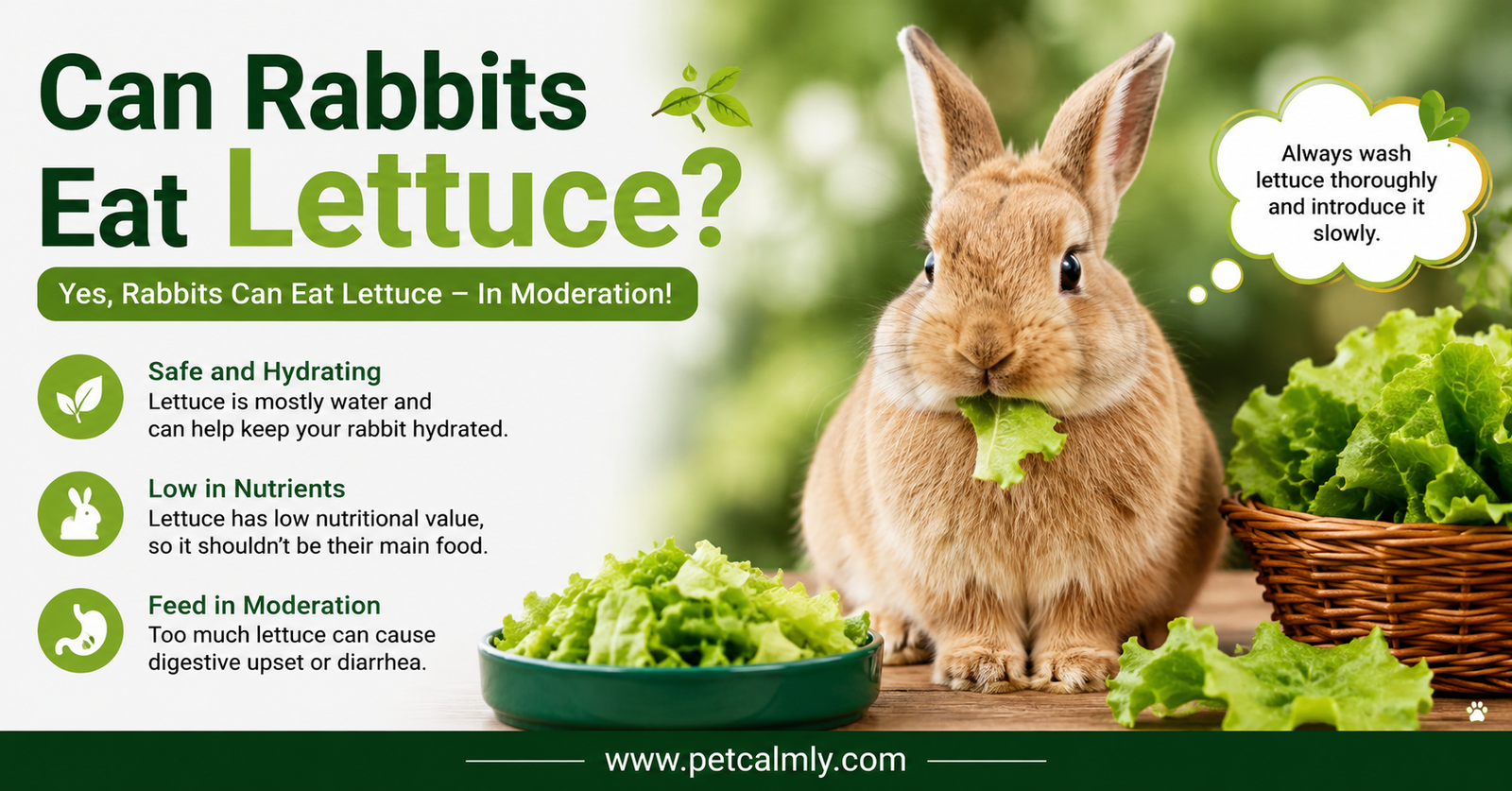
Yes, rabbits can eat lettuce, but not every type is safe, and the amount matters more than most owners realize. Romaine, butterhead, red leaf, and green leaf lettuce are generally safe in moderate amounts and offer hydration and fiber. Iceberg lettuce, however, should be avoided or given only in tiny amounts because it’s mostly water with very little nutritional value and can occasionally cause digestive upset in sensitive rabbits. The safest approach is to introduce lettuce slowly, rotate leafy greens, and watch how your rabbit’s stool responds over the next 24 hours.
If you’ve ever stood in your kitchen holding a piece of lettuce, wondering whether it’s a healthy treat or a hidden risk, you’re not alone. It’s one of the most searched rabbit-care questions out there, and honestly, the confusion makes sense. Lettuce isn’t one single food. It’s a whole category, and the differences between varieties matter a lot more than most pet blogs let on.
This guide walks through exactly which lettuces are safe, which ones to skip, how much is too much, how to introduce it without upsetting your rabbit’s stomach, and what warning signs actually deserve a call to your vet. No fluff, no scare tactics, just the kind of practical detail you’d want before feeding anything new to an animal with a notoriously sensitive digestive system.
Why Rabbit Owners Get Confused About Lettuce
Rabbits have a reputation for being able to eat “any greens,” which leads a lot of new owners to assume all lettuce is created equal. It isn’t. The lettuce family includes leafy, nutrient-dense varieties like romaine right alongside pale, watery varieties like iceberg that offer almost nothing in the way of vitamins or fiber.
On top of that, there’s an old myth still floating around forums that lettuce contains a toxic compound called lactucarium that can harm rabbits the way it supposedly affects humans in large quantities. In reality, the amount of lactucarium in store-bought lettuce is negligible, and it’s not considered a meaningful toxicity concern for rabbits. The real issue with lettuce isn’t toxicity. It’s balance, water content, and portion size.
Which Lettuces Are Safe for Rabbits?
Romaine Lettuce
Romaine is one of the better lettuce choices for rabbits. It has more fiber and nutrients than pale lettuce varieties and a firmer leaf structure that many rabbits enjoy chewing. It still has high water content, so it should be one part of a varied diet rather than a daily staple on its own.
Butterhead and Bibb Lettuce
These softer, looser-leaf lettuces are safe in moderate amounts. They’re gentler on digestion than tougher greens, which can make them a good option when you’re first introducing lettuce to a rabbit that hasn’t had much variety before.
Red Leaf and Green Leaf Lettuce
Both are safe and offer a bit more nutritional density than iceberg. Their loose, ruffled leaves also make them easy to mix into a hay-based salad without overwhelming a small rabbit’s stomach.
Arugula (Technically Not Lettuce, But Often Grouped With It)
Arugula is peppery and nutrient-rich, and most rabbits tolerate it well in small amounts. It’s worth mentioning here because owners often lump it in with lettuce when building leafy green rotations.
Iceberg Lettuce: Why It’s the One to Watch
Iceberg lettuce isn’t dangerous in the way many owners fear, but it’s not a good primary food either. It’s mostly water, with very little fiber or nutritional value compared to darker, leafier greens. Because rabbits rely so heavily on fiber for healthy gut motility, filling up on a food that offers almost none of it can crowd out better options in their diet.
Some rabbits also seem more prone to soft stool or mild digestive upset after eating a lot of iceberg lettuce, likely due to its high water content shifting the balance of their gut. This isn’t universal, and plenty of rabbits handle small amounts fine. But if you’re choosing between lettuce varieties, iceberg should sit at the bottom of the list, used sparingly rather than as a go-to green.
What Makes Lettuce a Good (or Limited) Choice Nutritionally
Leafy lettuces like romaine and leaf lettuce contain modest amounts of vitamin A, vitamin K, and fiber, along with a high water content that can help with hydration, especially in warmer months or for rabbits that don’t drink much water on their own.
That said, lettuce should never replace hay as the foundation of a rabbit’s diet. According to general veterinary nutrition guidance, hay should make up the majority of a rabbit’s daily intake, with fresh leafy greens serving as a supporting, not central, food group. Lettuce fits into that supporting role well when it’s varied and portioned correctly.
How Much Lettuce Can a Rabbit Eat Safely?
A helpful general guideline used by many rabbit-savvy vets is about one cup of leafy greens per two pounds of body weight per day, and that cup should ideally include two to three different types of greens rather than lettuce alone.
| Rabbit Weight | Approx. Daily Leafy Greens | Suggested Lettuce Portion |
|---|---|---|
| Under 2 lbs (dwarf breeds) | ½ cup mixed greens | 1–2 small leaves |
| 2–4 lbs | ½–1 cup mixed greens | 2–3 leaves |
| 4–8 lbs | 1–2 cups mixed greens | 3–4 leaves |
| Over 8 lbs (giant breeds) | 2+ cups mixed greens | 4–5 leaves |
These numbers are starting points, not rigid rules. Every rabbit’s tolerance is a little different, and body condition, activity level, and existing diet all play a role. If you’re ever unsure how much is appropriate for your specific rabbit, a quick check-in with an exotic or rabbit-savvy vet is worth it.
How to Introduce Lettuce to a Rabbit’s Diet
Rabbits have delicate gut flora, and sudden diet changes are one of the most common triggers for digestive upset. A slow, deliberate introduction protects against that.
- Start with one small leaf. Offer a single leaf of romaine or leaf lettuce, torn into a few pieces, alongside your rabbit’s normal hay and pellets.
- Wait 24 hours before adding anything new. Watch stool consistency, appetite, and energy level during this window.
- Increase gradually if all looks normal. Add a bit more over the next few days rather than jumping straight to a full portion.
- Rotate varieties once your rabbit tolerates lettuce well. Mix in romaine, leaf lettuce, and other rabbit-safe greens like cilantro or basil rather than feeding the same lettuce every day.
- Always pair with hay. Lettuce should show up next to hay, not instead of it.
This slow approach applies to any new vegetable, not just lettuce, and it’s genuinely one of the most protective habits a rabbit owner can build.
5 Common Mistakes Owners Make When Feeding Lettuce
- Feeding iceberg lettuce as a daily staple. Its low nutrient density means a rabbit filling up on it may be getting fewer nutrients overall, even if the meal looks generous.
- Introducing lettuce too quickly, in large amounts. This is one of the most common causes of soft stool or mild GI upset in rabbits new to fresh greens.
- Feeding the same single green every day. Rotation isn’t just about variety for its own sake. Different greens offer different nutrients, and rotating also reduces the risk of a rabbit developing a sensitivity to any one food.
- Skipping the hay-first rule. Some owners let lettuce and treats crowd out hay, which is a problem since hay is what keeps a rabbit’s digestive tract and teeth healthy long-term.
- Assuming wilted or old lettuce is still fine. Rabbits can be sensitive to spoiled produce, and wilted lettuce is more likely to harbor bacteria.
Signs Your Rabbit Isn’t Tolerating Lettuce Well
Not every rabbit reacts to lettuce the same way. If you’ve recently introduced it, keep an eye out for:
- Softer stool than usual, or stool that’s noticeably smaller or misshapen
- Reduced appetite or picking at hay less than normal
- Bloating or a visibly tense, rounded belly
- Lower energy or reluctance to move around
- Skipping meals entirely for more than a few hours
Mild, temporary soft stool after a diet change is fairly common and often resolves once you pull back the new food and stick to hay for a day or two. Persistent changes are a different story.
When Should You Worry?
This is the part that matters most, and it’s where general pet-care advice needs to hand off to professional guidance.
Contact a veterinarian promptly if your rabbit shows any of the following:
- No stool produced for more than 12 hours
- Refusal to eat or drink for more than several hours, especially combined with lethargy
- Visible signs of pain, such as teeth grinding, hunching, or reluctance to move
- Diarrhea (distinct from mildly soft stool) that continues for more than a day
- A bloated, hard abdomen
Rabbits are prey animals, which means they instinctively hide signs of illness until a problem is fairly advanced. Digestive slowdown, sometimes called GI stasis, can become serious quickly in rabbits, so any sudden drop in appetite or stool output deserves same-day veterinary attention rather than a wait-and-see approach. This isn’t meant to cause alarm about lettuce specifically. It’s a general rule for any rabbit showing these signs, regardless of what triggered them.
What Should Pet Owners Do? A Practical Checklist
- Keep hay as the largest part of your rabbit’s daily diet, always
- Introduce lettuce and any new vegetable slowly, one at a time
- Favor romaine, leaf lettuce, and butterhead over iceberg
- Rotate two to three leafy greens rather than repeating the same one daily
- Wash lettuce thoroughly to remove pesticide residue and dirt
- Watch stool and appetite closely for the first few days after any dietary change
- Keep a mental note (or a written log) of which foods your rabbit tolerates well
- Reach out to a rabbit-savvy vet if anything looks off, rather than waiting to see if it resolves on its own
Other Leafy Greens Worth Rotating In
Lettuce works best as one piece of a varied leafy green rotation rather than a standalone food. Other rabbit-safe greens commonly recommended alongside lettuce include cilantro, basil, parsley, bok choy, and small amounts of arugula. Rotating between these, along with romaine or leaf lettuce, helps prevent nutrient gaps and keeps mealtime more enriching for your rabbit, who genuinely benefits from variety and foraging-style feeding.
Conclusion
Lettuce isn’t something to fear, but it’s also not a food to hand over without a little thought. Romaine, leaf, and butterhead lettuce can be a safe, hydrating addition to a rabbit’s diet when introduced slowly and paired with plenty of hay. Iceberg lettuce isn’t toxic, but its low nutritional value means it shouldn’t be a daily habit. The real key to feeding lettuce well isn’t memorizing a strict rule. It’s paying attention to your individual rabbit, watching how their body responds, and adjusting from there. When in doubt, a quick check-in with a rabbit-savvy vet will always beat guesswork.
More Information About Pets, Please Visit Our Website: Rabbit Heat Stroke Signs Rapid Breathing Lethargy
Rabbit Safe Vegetables List
Rabbit Water Bottle vs Bowl
How Much Does a Rabbit Vaccination Cost?
How to Calm a Scared Rabbit
Rabbit Safe Vegetables List
How to Pick Up a Rabbit Properly
What Are the Best Pellets for Rabbits
Frequently Asked Questions
1: Can baby rabbits eat lettuce?
Baby rabbits shouldn’t be given lettuce or other fresh vegetables until they’re around 12 weeks old. Their digestive systems are still developing, and introducing fresh produce too early raises the risk of serious digestive upset. Until then, unlimited hay, pellets appropriate for their age, and their mother’s milk (if still nursing) should make up their diet.
2: Is romaine lettuce better than iceberg for rabbits?
Yes. Romaine has more fiber and nutritional value than iceberg, which is mostly water. If you’re choosing between the two, romaine, leaf, or butterhead lettuce is the better everyday option.
3: Can rabbits eat lettuce every day?
Small amounts of rotated leafy greens, including lettuce, can be part of a daily routine, but lettuce shouldn’t be the only green offered day after day. Rotating between two or three safe greens is healthier than repeating one variety constantly.
4: Why does my rabbit have soft stool after eating lettuce?
This can happen when lettuce is introduced too quickly or in too large a portion, especially with high-water varieties like iceberg. Pull back to hay for a day, reintroduce more slowly, and monitor. If soft stool continues beyond a day or two, contact your vet.
5: Can rabbits eat lettuce stems and cores?
Yes, the stems and inner core of romaine and leaf lettuce are generally safe, though they’re tougher and more fibrous than the leaves. Some rabbits enjoy the extra chewing, which can also help wear down their continuously growing teeth.
6: How do I know if my rabbit likes lettuce?
Most rabbits show clear interest by eating offered lettuce promptly and returning to it. If your rabbit sniffs it, walks away, or leaves it untouched after 15–20 minutes, they may simply prefer a different green, and that’s completely normal. Not every rabbit likes every vegetable.