Short direct answer
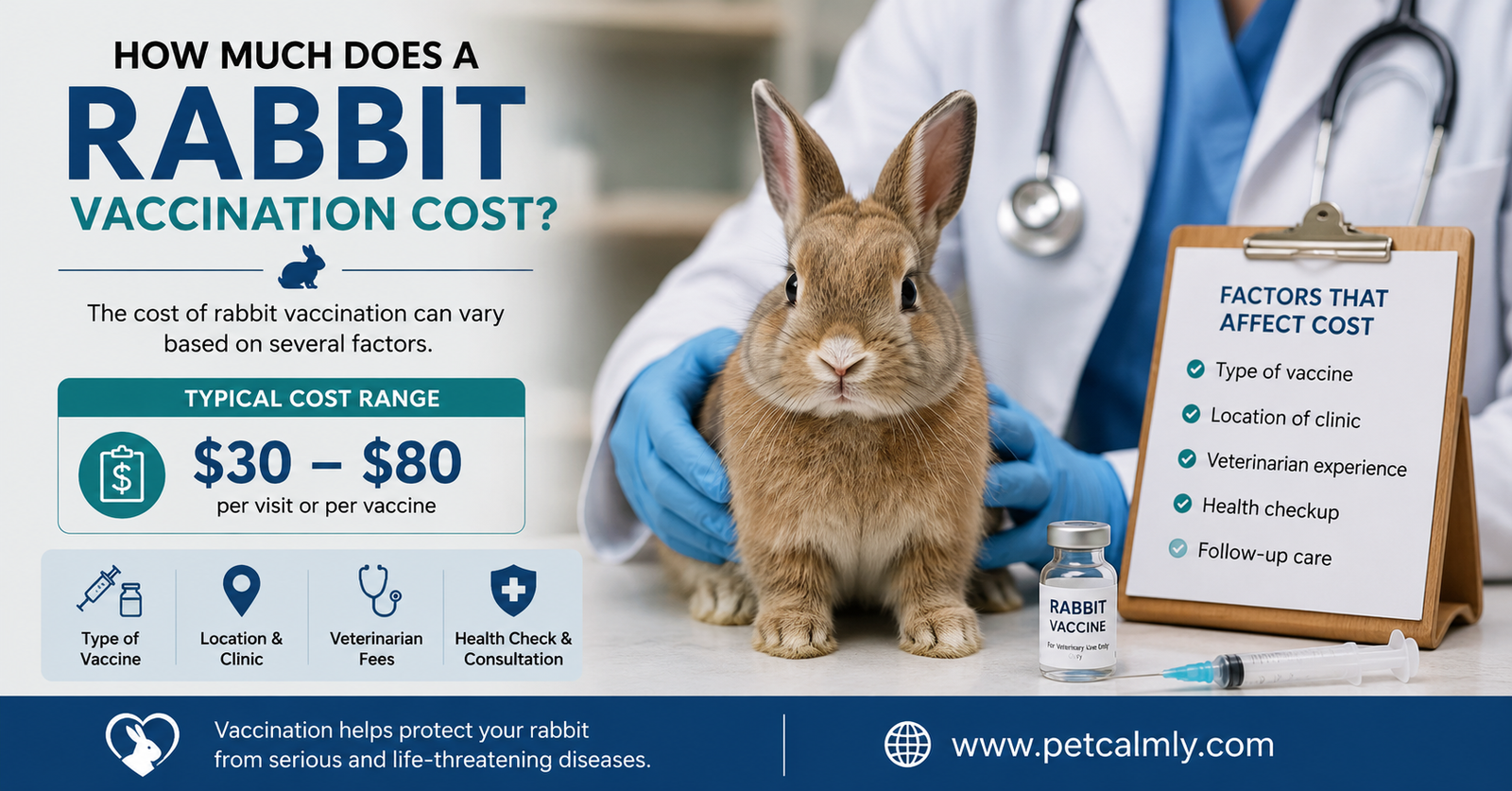
A rabbit vaccination typically costs between $30 and $125 per visit in the United States, or £20 to £60 per rabbit in the UK, depending on the type of vaccine, your location, and whether you visit a general vet or an exotic-animal specialist. A first-time vaccination series (which usually involves two doses) can run higher, often landing between $60–$200 in the US or £50–£125 in the UK, since it includes a health exam alongside the injections. Annual boosters are usually cheaper than the initial course.
If you’ve just brought home a rabbit or you’re thinking about it vaccination costs are probably one of the first “hidden” expenses nobody warned you about. Rabbits aren’t like cats and dogs, where every vet in town runs a standard puppy or kitten vaccine package. Rabbit vaccine availability, pricing, and even which diseases they protect against change depending on where you live. That’s exactly why this guide breaks the cost down by country, by vaccine type, and by real scenarios so you’re not caught off guard at the vet’s front desk.
Why Rabbit Vaccination Costs Vary So Much
Unlike dog and cat vaccines, which are fairly standardized worldwide, rabbit vaccines are regional. In the UK and much of Europe, rabbits are routinely vaccinated against myxomatosis and rabbit viral haemorrhagic disease (RVHD1 and RVHD2), usually through one combined injection. In the United States, myxomatosis vaccines aren’t approved at all, and the main vaccine available protects against rabbit hemorrhagic disease virus type 2 (RHDV2) a newer, highly fatal disease that has been spreading through wild and domestic rabbit populations in recent years.
That single difference explains a lot of the price confusion you’ll see online. An article written for a UK audience will quote you £40–£60 for a “rabbit jab.” A US-based source might quote $150 for a two-dose RHDV2 series. Neither number is wrong they’re just answering different questions.
What Actually Determines the Price You’ll Pay
Your Location and Local Vet Market
City clinics, especially in high cost-of-living areas, tend to charge more than rural practices. In the UK, independent vet practices are, on average, noticeably cheaper than corporate-owned chains. In the US, exotic-animal specialty hospitals usually charge more per visit than general practices or community vaccine clinics, simply because they carry more overhead and specialized equipment.
Which Vaccine Your Rabbit Needs
A single-disease vaccine costs less than a combined one. In the UK, older two-vaccine protocols (a separate myxomatosis/RVHD1 shot plus a distinct RVHD2 shot) tend to add up to more than the newer combined three-in-one injection now offered by many practices. In the US, RHDV2 is typically sold as a two-dose starter series, so you’re paying for two separate appointments the first year.
Whether It’s a First-Time Series or an Annual Booster
Your rabbit’s very first vaccination round costs more because it usually requires two visits three weeks apart, plus a full physical exam each time. Annual boosters are simpler one visit, one shot so they’re almost always priced lower than the initial series.
General Practice vs. Exotic Specialist
Rabbits are considered “exotic” pets in most veterinary classification systems, even though they’re common household companions. A general small-animal vet who also treats rabbits will usually charge less than a dedicated exotics or avian-and-exotics specialty hospital. The trade-off is experience specialists tend to have deeper hands-on knowledge of rabbit-specific health issues.
Bundled Services
Many clinics include a physical exam, weight check, teeth check, and sometimes a nail trim in the vaccination visit fee. That’s not padding it’s genuinely useful, since dental problems and subtle weight loss are two of the most common issues that go unnoticed in rabbits until they become serious. If a clinic quotes a suspiciously low price, ask whether an exam is included.
Rabbit Vaccination Costs by Country: A Side-by-Side Breakdown
| Region | Vaccine(s) Given | Typical Cost per Visit | First-Time Series Cost |
|---|---|---|---|
| United States | RHDV2 (two doses, three weeks apart) | $30–$60 at vaccine clinics; $50–$125 at full-service or exotic practices | $60–$200+ total |
| United Kingdom | Combined Myxomatosis + RVHD1 + RVHD2 | £20–£60 per rabbit | £50–£125 (including initial health check) |
| Rest of Europe | Varies by country; similar combined vaccines to the UK | Roughly €25–€70 | Varies by clinic and national vaccine availability |
These numbers are general ranges gathered from vet clinic pricing pages and rabbit welfare resources, not fixed rates — always confirm current pricing with your own vet, since it changes by region and even by branch within the same clinic chain.
What Vaccines Do Rabbits Actually Need?
In the United States: RHDV2
Rabbit hemorrhagic disease virus type 2 is the vaccine most US rabbit owners will encounter. It’s a serious concern because RHDV2 spreads easily through direct contact, contaminated bedding, shoes, insects, and even food and it can kill a rabbit within days, sometimes with very few warning signs beforehand. According to the Merck Veterinary Manual, the disease can be fatal in a large percentage of infected rabbits, which is why many exotic vets now recommend the vaccine even for rabbits that live entirely indoors.
The standard protocol is two doses given about three weeks apart, with full protection developing roughly two weeks after the second dose. After that, most vets recommend an annual booster, though your own vet may adjust the schedule based on your rabbit’s risk level and where you live, since RHDV2 vaccine availability differs by state.
In the UK and Europe: Myxomatosis and RVHD (Combined Vaccine)
UK rabbits are typically protected with a single combined injection covering myxomatosis, RVHD1, and RVHD2. This is a major improvement over the older system, which required two separate vaccines. Myxomatosis, spread by biting insects like fleas and mosquitoes, is almost always fatal in unvaccinated rabbits and has no effective treatment once symptoms appear. RVHD spreads similarly to its US counterpart, through contact, contaminated objects, and even airborne transmission over short distances.
Vets across the UK generally recommend starting this vaccine from around five to seven weeks of age, with a yearly booster afterward to maintain protection.
How Often Do Rabbits Need to Be Vaccinated?
Here’s a simple breakdown so you’re not guessing at scheduling:
- First vaccination: As early as 5–7 weeks old, depending on the vaccine brand and country.
- Second dose (if required): Typically 2–3 weeks after the first, especially for RHDV2 in the US.
- Full immunity develops: Roughly 2 weeks after the final dose in the initial series.
- Booster shots: Once a year, in most cases — though your vet may recommend a different interval depending on local disease risk and the specific vaccine brand used.
If you’re not sure whether your rabbit is up to date, it’s genuinely worth checking rather than guessing. A quick call to your vet’s front desk with your rabbit’s vaccination record (or adoption paperwork) will clear it up in minutes.
Why Vaccinating Your Rabbit Is Worth the Cost
It’s easy to look at a $75 or £50 vaccine bill and wonder if it’s really necessary, especially for a rabbit that never leaves the house. Here’s the thing though indoor rabbits aren’t automatically safe. Both RHDV2 and myxomatosis can hitch a ride into your home on shoes, clothing, hay, or even through a window screen via insects. Vets frequently see cases in rabbits described by their owners as “strictly indoor.”
Treatment options for these diseases are extremely limited once symptoms appear, and mortality rates are high. That reality is part of why prevention through vaccination is so heavily emphasized by veterinary professionals rather than treatment after the fact. Compared to emergency vet bills, hospitalization, or the emotional cost of losing a rabbit to a preventable illness, an annual vaccine fee is a relatively small and predictable expense.
Hidden Costs Owners Often Forget to Budget For
Vaccination is rarely the only line item on your vet bill that day. Here’s what else commonly shows up:
- Exam or consultation fee, sometimes billed separately from the vaccine itself
- Microchipping, if your rabbit doesn’t already have one
- Nail trims or basic grooming, often bundled but sometimes extra
- Fecal or parasite screening, especially for rabbits adopted from shelters
- Travel carrier or car adjustment costs, if this is your rabbit’s first vet visit and you don’t already own one
- A second rabbit’s vaccination, if you keep a bonded pair and most rescues strongly recommend rabbits live in pairs, so double the vaccine cost is common
None of these are scams or upselling they’re simply part of responsible preventive care. But it’s worth asking for a full cost breakdown when you book the appointment so there are no surprises at checkout.
How to Save Money on Rabbit Vaccinations Without Cutting Corners
- Call around before booking. Prices genuinely vary between clinics in the same city, sometimes by double. A quick phone comparison can save real money.
- Ask about wellness or health plans. Some UK practices offer monthly plans that bundle vaccinations, checkups, and parasite prevention for a lower combined rate.
- Look for rabbit-specific vaccine clinics or rescue-run events. Rabbit welfare organizations occasionally host discounted vaccine clinics, particularly in areas where RHDV2 outbreaks have been reported.
- Book both rabbits together if you have a bonded pair. Some clinics offer a small discount for multiple pets vaccinated in the same visit.
- Avoid skipping boosters to “save money.” A lapsed vaccination often means starting the entire initial series over again, which usually costs more than staying on schedule.
What you shouldn’t do is skip vaccination entirely to cut costs, or try to source and administer vaccines yourself. Rabbit vaccines typically require careful cold-chain handling and precise dosing, and an improperly stored or administered vaccine may not actually protect your rabbit at all.
When Should You Worry? Signs That Need a Vet, Not a Guessing Game
General vaccine soreness or mild sleepiness for a day or two afterward is normal and not usually cause for concern. What isn’t normal, and does need prompt veterinary attention, includes:
- Facial or leg swelling that develops soon after a vaccine
- Difficulty breathing, drooling, or sudden collapse (possible allergic reaction)
- Refusal to eat for more than 12 hours, at any time rabbits can develop life-threatening gut stasis quickly
- Lethargy that lasts more than a day or two, or worsens
- Sudden bleeding from the nose or mouth, or sudden death of another rabbit in the household (a classic RHD warning sign)
If you notice any of these, don’t wait to “see if it passes.” Rabbits are prey animals and instinctively hide illness until it’s advanced, so by the time visible symptoms show up, the situation can already be serious. When in doubt, call your vet the same day.
What Should Pet Owners Do? A Practical Checklist
- Confirm which vaccine your rabbit actually needs based on where you live don’t assume it’s the same everywhere
- Ask your vet’s office for a full price breakdown before the appointment, including exam fees
- Keep a written or digital vaccination record, including dates and vaccine batch numbers if provided
- Set a calendar reminder a few weeks before the annual booster is due
- Budget for vaccination as a recurring yearly cost, not a one-time expense
- If you have a bonded pair or group, budget for all of them, not just one
A Realistic Example: What One Owner Actually Paid
A first-time rabbit owner in Ohio adopting a young rescue rabbit might expect to pay around $150 for the initial two-dose RHDV2 series, which typically includes a comprehensive exam at each visit. The following year, the booster alone often costs significantly less commonly in the $70–$80 range since it’s a single dose with one straightforward checkup. Meanwhile, a UK-based owner with two bonded rabbits might pay somewhere between £70 and £120 total for their combined myxomatosis-RVHD vaccine, covering both rabbits in one visit. The exact figures will always depend on your specific clinic, but this gives a realistic sense of what “vaccinating a rabbit” looks like in practice, rather than in theory.
Conclusion
Rabbit vaccination costs aren’t one-size-fits-all, and that’s honestly the biggest source of confusion for new owners. The real answer to “how much does a rabbit vaccination cost” depends heavily on where you live, which disease your region prioritizes protecting against, and whether you’re paying for a first-time series or a routine annual booster. What stays consistent, though, is this: vaccination is one of the most cost-effective things you can do for your rabbit’s long-term health, especially given how limited treatment options are once these diseases take hold. Budgeting for it as a predictable yearly expense rather than an unexpected surprise makes the whole process a lot less stressful for both you and your rabbit.
More Information About Pets, Please Visit Our Website: How to Calm a Scared Rabbit
Rabbit Safe Vegetables List
How to Pick Up a Rabbit Properly
Rabbit Heat Stroke Signs Rapid Breathing Lethargy
Why Is My Rabbit Not Eating?
Rabbit Water Bottle vs Bowl
What Are the Best Pellets for Rabbits
Frequently Asked Questions
1: Do indoor rabbits really need to be vaccinated?
Yes. Both RHDV2 and myxomatosis can be carried indoors on shoes, clothing, hay, or through insects like fleas and mosquitoes that get inside. Being an indoor rabbit lowers risk somewhat, but it doesn’t eliminate it, which is why most vets still recommend vaccination regardless of lifestyle.
2: Is rabbit vaccination covered by pet insurance?
Routine vaccinations are typically classified as preventive care, which many standard pet insurance policies don’t cover — though some UK wellness or health plans bundle vaccine costs into a monthly fee. It’s worth checking your specific policy or plan details, since coverage varies significantly between providers.
3: What happens if I miss my rabbit’s booster shot?
A missed booster generally means reduced or lapsed immunity, and depending on how much time has passed, your vet may recommend restarting the full initial vaccine series rather than simply resuming boosters. This is part of why staying on schedule tends to be more cost-effective long term.
4: Can I vaccinate my rabbit myself to save money?
This isn’t recommended. Rabbit vaccines usually require precise storage temperatures and accurate dosing, and administering them without proper training risks both ineffective protection and injury to your rabbit. A licensed vet or vet technician should handle this.
5: Are rabbit vaccines painful or risky for my pet?
Most rabbits tolerate vaccination well, with mild, short-lived side effects like slight swelling at the injection site, a bit of lethargy, or a low-grade fever for a day or so. Serious allergic reactions are uncommon but possible, which is why many clinics recommend a brief observation period after the injection.
6: Why do rabbits in the US and UK get different vaccines?
It comes down to vaccine approval and regional disease prevalence. Myxomatosis vaccines aren’t approved for use in the US, while RHDV2 vaccines have historically had more limited availability in parts of the UK compared to the combined myxomatosis-RVHD vaccine used there. Your local vet will know which vaccines are currently approved and recommended in your specific area.