Short direct answer
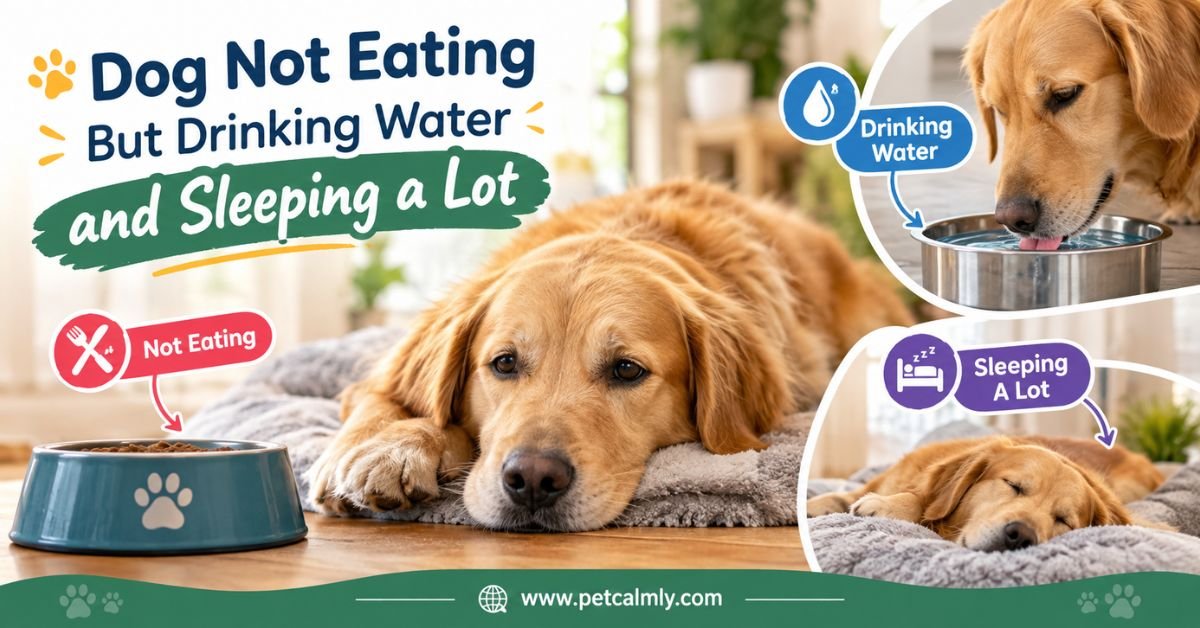
A dog not eating but drinking water and sleeping a lot is often dealing with nausea, an upset stomach, pain, a mild infection, or stress. Sometimes it signals something more serious, like kidney disease, diabetes, or a blockage. One skipped meal in an otherwise bright adult dog can be watched at home. If the lethargy and appetite loss last more than 24 hours, or your dog is a puppy, a senior, or has a health condition, call your vet.
Introduction
You put the bowl down and your dog walks right past it. Then you notice the water bowl is getting emptied, and your usually busy dog has been curled up on the couch most of the day.
That combination feels scary. It also feels confusing, because drinking water seems like a good sign.
Sometimes it is. Sometimes it isn’t. The trick is knowing which signs mean “watch and wait” and which mean “call the vet today.”
This guide walks you through both. You’ll learn why this combination happens, how to do a quick check at home, what safely helps, and what to avoid. You’ll also see the red flags that should never wait until tomorrow.
One note before we start. This article is general pet-care education. It can’t diagnose your dog. When you’re unsure, a phone call to your vet is always a reasonable step.
Why Is My Dog Not Eating but Drinking Water and Sleeping a Lot?
Appetite loss and extra sleep are not diseases. They are signals. Your dog’s body is telling you that something is off, and it is conserving energy while it deals with it.
Dogs hide discomfort well. Many of them keep their routines going until they feel truly unwell. So when a dog stops eating and starts sleeping more, the problem has usually been building for a bit.
The water part matters too. A dog that is drinking is at least staying hydrated, which is good. But the amount matters. A dog sipping normally is different from a dog gulping huge amounts of water, and we’ll cover that difference below.
Mild and Short-Term Causes
These are the common, usually less serious reasons. They often pass within a day or two.
- Upset stomach. A dog that ate something odd, like garbage, grass, or table scraps, may feel queasy and turn down food.
- Recent vaccination. Some dogs feel tired and skip a meal for a day after shots. This is common and usually short-lived.
- Heat. Hot weather lowers appetite and makes dogs sleepy. They drink more and eat less.
- Stress or change. Moving, new pets, house guests, fireworks, or travel can all shut down a dog’s appetite.
- Fussiness or food change. A new brand, a stale bag, or a changed recipe can make a dog refuse the bowl.
- Heat cycle or hormonal shifts. Some unspayed females eat less around their cycle.
In these cases, your dog usually still perks up for things they love, like a walk, a treat, or your arrival at the door.
Medical Causes That Need a Vet
These are the reasons to take the pattern seriously, especially if it lasts.
- Gastrointestinal illness, including gastritis, pancreatitis, and infections
- Foreign body or blockage, when your dog swallowed a toy, sock, bone, or corn cob
- Kidney disease, which often causes increased thirst, nausea, and tiredness
- Diabetes, which often causes heavy thirst, urination, and fatigue
- Liver disease
- Dental pain, such as a broken tooth or an abscess
- Pyometra (a uterine infection in unspayed females), which is an emergency
- Tick-borne and other infections
- Toxin exposure, from foods like xylitol, grapes, and chocolate, or from medications and plants
- Pain, from arthritis, injury, or internal problems
- Heart or respiratory disease
- Cancer, more often in older dogs
You don’t need to memorize this list. What matters is the lesson inside it: many serious conditions begin with the same quiet pattern of low appetite and low energy.
Common Causes of a Dog Not Eating but Drinking Water and Sleeping a Lot at a Glance
This table helps you match what you see to how urgent it might be. It is a guide, not a diagnosis.
| Possible cause | Clues you may notice | How urgent? |
|---|---|---|
| Mild stomach upset | Skipped meal, some drooling, maybe one episode of loose stool | Low. Watch for 24 hours |
| Post-vaccine tiredness | Sleepy and low appetite within a day of shots | Low. Call if it lasts past a day or two |
| Heat or stress | Panting, hiding, normal behavior after rest | Low to moderate |
| Dental pain | Dropping food, chewing on one side, bad breath | Moderate. Book a vet visit |
| Pancreatitis | Hunched posture, vomiting, belly pain | High. Same-day vet care |
| Kidney disease | Increased thirst, more urination, weight loss | Moderate to high. Vet visit soon |
| Diabetes | Heavy drinking, frequent urination, weight loss | Moderate to high. Vet visit soon |
| Blockage | Repeated vomiting, no stool, belly pain | Emergency |
| Toxin exposure | Sudden illness after a known or possible ingestion | Emergency |
| Pyometra | Unspayed female, discharge, extreme lethargy | Emergency |
Normal Sleepiness vs. Real Lethargy in Dogs
Adult dogs sleep a lot. Many sleep 12 to 14 hours a day, and puppies and seniors often sleep even more. So extra naps alone aren’t alarming.
The difference is in how your dog is sleeping and how they act when awake.
What Normal Rest Looks Like
A healthy resting dog usually:
- Wakes up when you call or when the door opens
- Shows interest in their favorite treat or toy
- Moves around comfortably once they’re up
- Greets you in their usual way
What Lethargy Looks Like
Lethargy is more than sleepiness. It looks like a dog who has switched off.
- They don’t respond to their name or are slow to react
- They ignore things they usually love
- They seem weak or wobbly when they walk
- They lie in odd places, like hiding in a bathroom or under a bed
- They sleep through events that would normally excite them, like dinner or a walk
If your dog’s tiredness looks more like the second list, take it more seriously.
Is It Normal for a Dog Not Eating but Drinking Water and Sleeping a Lot? Age and Size Matter
Whether this is “just a bad day” depends heavily on who your dog is. The same behavior carries different risk in different dogs.
Puppies
Puppies burn through energy quickly and have small reserves. A puppy that refuses food and sleeps too much can develop dangerously low blood sugar. Puppies are also vulnerable to parvovirus and other infections.
For a puppy, don’t wait it out. Call your vet the same day.
Small and Toy Breeds
Tiny dogs, like Chihuahuas and Yorkies, can also run into low blood sugar when they skip meals. A day without eating is a bigger deal for a five-pound dog than for a seventy-pound one.
Senior Dogs
Older dogs are more prone to kidney disease, dental trouble, arthritis, and other age-related conditions. A senior who is suddenly sleepy and picky deserves a vet check, even if they seem otherwise okay.
Dogs With Existing Conditions
Dogs with diabetes, kidney disease, heart disease, or Cushing’s disease can decline faster. Dogs on medication that must be taken with food also need attention. If your dog has a known condition, call your vet early.
Healthy Adult Dogs
A healthy adult dog may skip a meal or two without major harm, especially during stress or hot weather. This is the group where careful watching at home can be reasonable. The key phrase is otherwise acting normal.
When to Worry About a Dog Not Eating but Drinking Water and Sleeping a Lot
Here is the part you came for. Some signs mean you should not wait.
Go to an Emergency Vet Right Away If You See
- Repeated vomiting, or vomiting that contains blood
- Unproductive retching, especially with a swollen or hard belly (this can signal bloat, which is life-threatening)
- Pale, white, blue, or yellow gums
- Trouble breathing or very rapid breathing at rest
- Collapse, extreme weakness, or inability to stand
- Seizures
- Known or possible ingestion of a toxin, such as xylitol, grapes or raisins, chocolate, rat poison, or human medication
- A swallowed object, like a sock, toy, or corn cob
- Black, tarry stool or bloody diarrhea
- Straining to urinate or no urine at all
- An unspayed female with discharge and extreme lethargy
- Severe belly pain, such as crying out, hunching, or the “prayer position”
Call Your Vet the Same Day If
- Your dog is a puppy, a toy breed, or a senior
- Your dog has a known medical condition
- The behavior has lasted more than 24 hours
- Your dog is drinking noticeably more than usual
- Your dog is urinating much more than usual
- You see weight loss, bad breath, or swelling in the face
- Your dog has a fever, or feels hot or unusually cold
Increased Thirst Deserves Special Attention
Many owners assume heavy drinking is a good sign because the dog is “at least staying hydrated.” But a big jump in thirst, called polydipsia, can point to diabetes, kidney disease, Cushing’s disease, or infection.
A simple trick is to measure. Fill the bowl with a known amount of water in the morning, then check how much is gone at night. Share that number with your vet. It is a useful detail that most owners forget to track.
What to Do When Your Dog Is Not Eating but Drinking Water and Sleeping a Lot
If nothing on the red-flag list matches, a calm home check is a sensible first step. Stay organized and take notes. Your vet will thank you.
Step 1: Do a Quick Home Check
Spend two minutes on this.
- Look at the gums. Healthy gums are usually moist and pink. Pale, white, blue, yellow, or very dark red gums need urgent care.
- Check hydration. Gums should feel slick, not sticky or dry.
- Feel the belly gently. Notice if your dog flinches, tenses, or tries to pull away.
- Watch the breathing. Resting breaths should look calm and steady.
- Check the mouth. Look for a broken tooth, swelling, or a bad smell.
- Look at the stool and urine. Note color, frequency, and anything unusual.
- Think back. Did your dog chew something, get into the trash, or eat something new? Did anything stressful happen?
Write down what you find, along with when your dog last ate, drank, peed, and pooped.
Step 2: Offer Food in Gentle Ways
You can try to make food easier to accept. Keep it simple.
- Warm the food slightly. Warmth boosts aroma, which can tempt a nauseated dog.
- Offer small portions. A few bites feel less overwhelming than a full bowl.
- Try the usual food first. Switching to something new may add to the stomach upset.
- Hand-feed a little. Some dogs eat better with company.
- Add a spoonful of plain wet food or a splash of low-sodium, onion-free broth for flavor.
- Try a quiet, calm spot. Remove noise and competition from other pets.
Some vets suggest a short-term bland meal, like plain boiled chicken with plain rice, for mild stomach upset. This isn’t right for every dog, especially puppies, tiny dogs, or dogs with diabetes or pancreatitis. Ask your vet first if you aren’t sure.
Step 3: Keep Water Available and Rest Easy
Let your dog drink freely, but don’t push extra water on them. Offer fresh water in a clean bowl. Provide a quiet, comfortable place to rest and keep walks short and gentle.
Step 4: Set a Time Limit
Decide in advance when you’ll call the vet. A practical guide:
- A healthy adult dog who is otherwise bright: watch for up to 24 hours.
- Puppies, small dogs, seniors, or dogs with conditions: call the same day.
- Anyone with red-flag symptoms: go now.
Having a deadline stops the “maybe it’ll get better” loop that costs owners valuable time.
What Not to Do
Good intentions can cause harm. Please avoid these.
- Don’t give human pain relievers. Ibuprofen, naproxen, and acetaminophen can be toxic to dogs.
- Don’t force-feed or syringe-feed without veterinary guidance. A nauseated dog can inhale food into the lungs.
- Don’t offer fatty, greasy, or seasoned foods. These can trigger pancreatitis.
- Don’t give leftover medications from another pet or person.
- Don’t try to induce vomiting unless a vet or poison control tells you to.
- Don’t keep switching foods every few hours.
What to Expect at the Vet
Knowing what happens can make the visit less stressful for you.
Your vet will usually start with questions. Expect to be asked about your dog’s diet, recent changes, water intake, bathroom habits, medications, and anything they might have swallowed.
Then comes a physical exam. The vet checks gum color, hydration, temperature, heart and lungs, belly, and mouth.
Depending on what they find, they might recommend:
- Blood work to check organs, blood sugar, and signs of infection
- A urine test
- X-rays or ultrasound to look for blockages or other problems
- Fluids to treat dehydration
- Anti-nausea medication
- Appetite support or a prescription diet
Many dogs go home the same day with a plan. Others need monitoring or hospital care. Either way, finding out early gives your dog the best chance.
Bring your notes. A short list of symptoms, the timeline, and your water-intake measurement can speed up the diagnosis.
Mistakes Owners Often Make
Most of these come from love, not carelessness. They are still worth knowing.
Waiting too long because the dog “is still drinking.” Drinking doesn’t guarantee your dog is okay. Many sick dogs drink, and some drink too much.
Offering treat after treat to get them to eat. It can feel like progress, but it may hide how serious the appetite loss really is. It can also delay a vet call.
Assuming it’s just old age. Slowing down is part of aging. Refusing food and sleeping through the day is not. Don’t let “he’s getting older” become a reason to skip an exam.
Switching foods repeatedly. This can make stomach trouble worse and teach some dogs to hold out for something better.
Not tracking anything. Without notes, it’s hard to remember when your dog last ate or how much they drank.
Using internet remedies without checking. Not every home remedy suits every dog. A tip that works for one dog can harm another.
Ignoring the dental check. Dental pain is common and often missed. A dog that wants to eat but can’t chew comfortably may act exactly like a dog that has no appetite.
How to Help Prevent Appetite Loss and Low Energy
You can’t prevent every illness, but you can lower the odds and spot problems sooner.
- Keep up with regular vet checkups. Annual exams, or twice a year for seniors, catch problems early.
- Stay on top of dental care. Brushing, dental chews recommended by your vet, and cleanings help prevent hidden mouth pain.
- Dog-proof your home. Keep trash, small objects, medications, and toxic foods out of reach.
- Feed a consistent, quality diet. Change foods slowly over about a week.
- Keep vaccines and parasite prevention current. This includes tick and flea control.
- Know your dog’s normal. Learn their usual appetite, thirst, energy, and bathroom habits. Small changes are easier to spot when you know the baseline.
- Manage stress. Keep routines steady and introduce changes gradually.
- Keep an emergency plan. Save your vet’s number, the closest 24-hour clinic, and a poison control hotline in your phone.
Conclusion
Seeing your dog turn away from food and sleep the day away is worrying. That worry shows how closely you pay attention to them.
Here’s the short version. A single skipped meal in a healthy, otherwise happy adult dog is often manageable at home. A dog who is also very sleepy, drinking far more than usual, or showing any red-flag sign needs a vet. Puppies, small dogs, seniors, and dogs with medical conditions should be seen sooner rather than later.
Trust your instincts. You know your dog better than anyone. If something feels wrong, making the call costs little, and it could make a big difference.
More Information About Pets, Please Visit Our Website: 12 Signs Your Cat Is Happy
Why Is My Cat Breathing With Its Mouth Open?
Why Is My Cat Eating Too Fast?
Why Is My Cat Sleeping in the Litter Box?
Why Is My Cat Refusing Wet Food?
Why Is My Cat Sleeping in the Sink?
How Long Can a Cat Go Without Food?
Frequently Asked Questions
1: How long can a dog go without eating but still drink water?
Many healthy adult dogs can go a day or so without serious harm, but this isn’t a safe rule for everyone. Puppies, toy breeds, seniors, and dogs with health conditions should be seen much sooner. If your dog hasn’t eaten for 24 hours and seems tired, call your vet.
2: Why is my dog sleeping all day and not eating?
Common reasons include an upset stomach, pain, stress, heat, or a mild infection. It can also point to more serious problems like kidney disease, pancreatitis, or a blockage. If it lasts more than a day, or your dog seems weak, a vet visit is the safest next step.
3: Should I be worried if my dog is drinking a lot of water but not eating?
Yes, it deserves attention. A big increase in thirst can be linked to diabetes, kidney disease, Cushing’s disease, or infection. Try measuring how much water your dog drinks in 24 hours and share that with your vet.
4: Is it okay to give my dog chicken and rice when they won’t eat?
For a mild stomach upset in an otherwise healthy adult dog, some vets suggest short-term plain chicken and rice. It isn’t suitable for every dog. Puppies, tiny dogs, and dogs with diabetes or pancreatitis may need something different, so check with your vet first.
5: Can stress make my dog stop eating and sleep more?
Yes. Moving, a new pet, travel, loud noises, or changes in routine can all reduce appetite and cause withdrawal. Stress-related changes usually ease as your dog settles. If they last more than a day or two, rule out a medical cause.
6: When should I take my dog to the emergency vet for not eating?
Go right away for repeated vomiting, a swollen belly, pale gums, trouble breathing, collapse, seizures, a possible toxin or swallowed object, or severe pain. Puppies and seniors should be seen sooner. When in doubt, call an emergency clinic and describe what you’re seeing.