Short direct answer
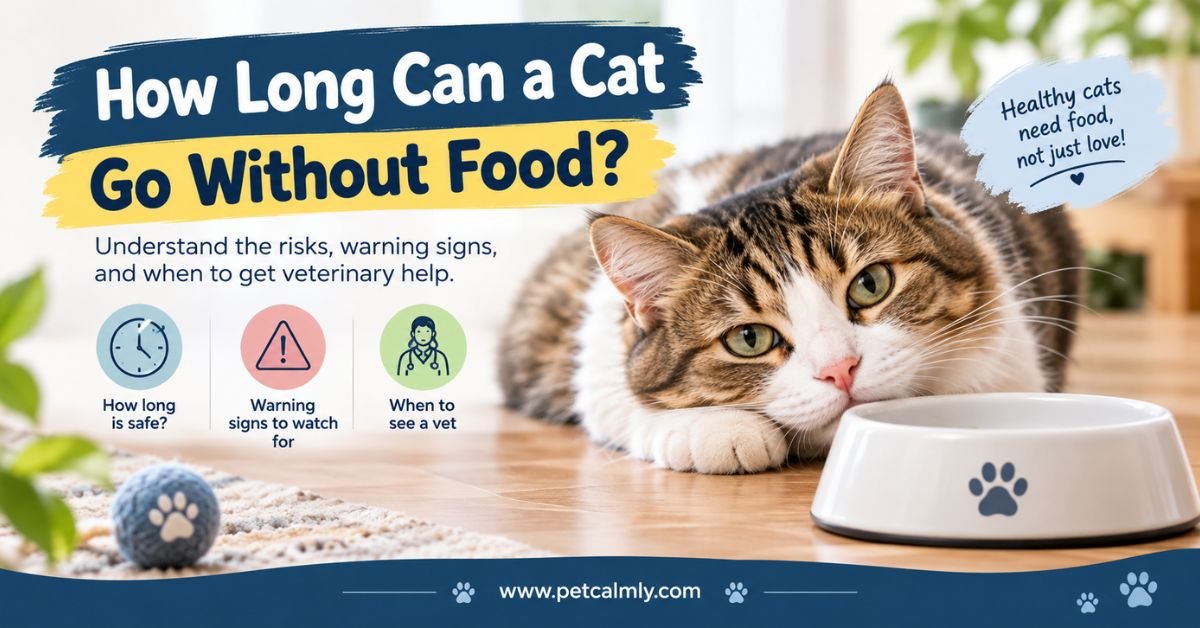
How long can a cat go without food? A healthy adult cat should not go more than 24 to 48 hours without eating. Kittens, seniors, overweight cats, and cats with health conditions need help much sooner. Some cats can survive a week or more without food. That does not mean it is safe, because going without eating can trigger a serious liver problem called hepatic lipidosis. If your cat has skipped a full day of meals, call your vet.
If you’re reading this, your cat probably isn’t eating, and you’re feeling worried. That’s a reasonable reaction. Cats are good at hiding illness, and a lost appetite is often the first thing owners notice.
Take a breath. Not every skipped meal is an emergency. A cat who turns her nose up at one bowl of food and then eats normally an hour later is usually fine. A cat who refuses food for a full day is different. That situation deserves attention, even if she still seems like herself.
This guide walks you through the safe time limits for different cats and explains why cats can’t fast like some other animals. It also covers the common reasons cats stop eating, the signs that mean “go to the vet now,” and what you can safely try at home.
How Long Can a Cat Go Without Food Before It Becomes Dangerous?
The honest answer depends on the cat. Age, weight, and health all change the timeline. A chubby, healthy adult has more of a buffer than a tiny kitten or a senior cat with kidney trouble.
Here is the general picture before we break it down. Most veterinary sources agree that a cat who has refused food for 24 hours needs a phone call to the clinic. Waiting longer rarely helps. It often makes treatment harder.
Healthy Adult Cats
A healthy adult cat can technically get through a day or two without eating and not collapse. But “technically fine” is not the same as “safe.” After about 24 hours of no food, most vets want to hear about it. By 48 hours, the risk of liver complications climbs, and the cat needs to be examined.
The reason is simple. Cats are built to eat small meals often. Their bodies don’t handle long gaps well.
Kittens
Kittens are the most fragile. They have almost no energy reserves, and their blood sugar can drop quickly. A young kitten who refuses food for even a few hours may need urgent help, especially if she is under eight weeks old.
If you have a kitten who is limp, cold, or not interested in milk or food, don’t wait. Call a vet or an emergency clinic right away.
Senior Cats
Older cats often have hidden conditions such as kidney disease, hyperthyroidism, dental pain, or arthritis. Any of these can reduce appetite. Seniors also tend to have less muscle and fewer reserves. A senior who skips food for more than a day should be seen soon.
Overweight Cats
This one surprises many owners. You might assume a cat with extra weight can safely go without food for longer. In reality, overweight cats are at higher risk of fatty liver disease when they stop eating. Extra body fat gives the liver more to process, and that is exactly what causes trouble. We’ll explain how that works below.
Cats With Medical Conditions
Cats with diabetes, kidney disease, or inflammatory bowel disease can get sick quickly when they skip meals. A diabetic cat who stops eating also faces a problem with insulin. Never give insulin to a cat who isn’t eating without checking with your vet first.
Quick Reference: How Long Can Cats Go Without Eating?
This table gives general guidance only. It is not a substitute for a vet’s advice, and when in doubt, call sooner.
| Cat type | When to call your vet | Why they’re at higher risk |
|---|---|---|
| Young kitten (under 8 weeks) | Within a few hours of refusing food | Very small energy reserves, fast drops in blood sugar |
| Older kitten (2 to 6 months) | Within 12 to 24 hours | Growing bodies need steady fuel |
| Healthy adult cat | After about 24 hours | Risk of liver problems rises over days |
| Overweight adult | After 24 hours, sooner if lethargic | Higher risk of hepatic lipidosis |
| Senior cat | After 24 hours | Often has underlying illness |
| Cat with diabetes or kidney disease | As soon as a meal is missed | Fasting can worsen the condition |
Notice that almost every row says “call.” That’s intentional. With cats, an early phone call is cheap and calming. A late one can be stressful and costly.
Why Cats Can’t Safely Go Without Eating
Many people have heard that cats can last a week or two without food. That may be true in a survival sense. But survival and safety are very different things. The real danger is not starvation itself. It’s what happens inside the body in the first few days.
What Is Hepatic Lipidosis (Fatty Liver Disease)?
Hepatic lipidosis is a condition in which fat builds up in the liver and stops it from working properly. When a cat stops eating, her body starts breaking down fat for energy. In cats, the liver can become overwhelmed by all that fat. It can’t process it quickly enough, so the fat piles up inside liver cells.
The result can be vomiting, weakness, yellowing of the skin and gums (jaundice), and a cat who looks very sick. It can develop within days of not eating. The good news is that it is treatable when caught early. Cats who get prompt nutritional support often recover well.
Why Cats Are Different From Other Pets
Cats are obligate carnivores. Their bodies are designed to run on animal protein and fat, and their metabolism doesn’t adapt to fasting the way a human or even a dog might. This is one reason you can’t treat a cat’s missed meals the same way you’d treat your own.
Think of it like this. A person can skip lunch, feel hungry, and be fine. A cat’s system is more like a machine that needs a steady trickle of fuel. When the supply stops, things go wrong faster than you’d expect.
How Long Can a Cat Go Without Food and Water?
Water changes the equation a lot. A cat who isn’t eating but is still drinking is in a somewhat better position than a cat who refuses both. A cat who has stopped drinking too is in much greater danger.
Dehydration can set in quickly. Cats without any water may only survive around three days, and they can become seriously ill well before that. Kidney problems are common in cats, and dehydration makes them much worse.
If your cat has refused both food and water for a day, treat it as urgent. Call your vet or an emergency clinic.
A Simple Hydration Check at Home
You can do a quick check with your cat’s gums. Healthy gums are pink and slightly moist. Pale, dry, or sticky gums can be a sign of dehydration. The old “skin tent” test, where you gently lift the skin over the shoulders, isn’t very reliable in cats. Skin elasticity varies with age and body condition, so don’t rely on it alone.
If you’re unsure, trust your instincts and call.
Why Is My Cat Not Eating? Common Causes
A cat who won’t eat is giving you a message. Sometimes it’s simple, and sometimes it’s serious. Understanding the usual suspects can help you decide what to do next.
Medical Causes
Illness is the most important cause to rule out. Many conditions reduce appetite, including:
- Kidney disease
- Liver disease
- Diabetes
- Hyperthyroidism (though this often increases appetite at first)
- Gastrointestinal upset or blockages
- Pancreatitis
- Upper respiratory infections
- Cancer
- Parasites
Cats with a stuffy nose often stop eating because they can’t smell their food. Smell drives a cat’s appetite, so a cat with a cold may truly not feel interested in a meal.
Dental Pain and Mouth Problems
Dental disease is one of the most overlooked reasons cats stop eating. A sore tooth, inflamed gums, or a mouth ulcer can make chewing painful. Typical clues include dropping food, chewing on one side, drooling, bad breath, or approaching the bowl eagerly and then walking away.
Stress and Environmental Changes
Cats are creatures of routine. A move, a new baby, a new pet, construction noise, or even rearranged furniture can upset them. Some cats stop eating when they feel unsafe.
Here’s a common scenario. An owner brings home a new puppy, and within two days the resident cat is hiding under the bed and ignoring her bowl. The cat isn’t being stubborn. She’s stressed. But even stress-related appetite loss still shouldn’t go on for more than a day without a vet’s input, because the liver risk is the same.
Food-Related Reasons
Sometimes the problem really is the food. Common examples include:
- A new brand or flavor
- Food that has gone stale or been left out too long
- A dirty bowl, or a bowl that’s too deep and bumps her whiskers
- Food placed too close to the litter box
- A change in recipe by the manufacturer
Cats can be quite particular. Even so, a healthy cat who is just picky will usually eat something else you offer. A cat who refuses everything is more likely unwell.
After Vaccines, Medications, or Travel
Some cats feel tired or off their food for a day after vaccines. Certain medications can also upset the stomach. Travel and boarding can dampen appetite as well. If the loss of appetite lasts more than 24 hours after any of these, check in with your vet.
When Should You Worry? Signs Your Cat Needs a Vet
Not every situation is equally urgent. It helps to separate “go now” from “call today.”
Emergency Signs: Go to the Vet Right Away
Seek urgent care if your cat isn’t eating and also shows any of these:
- Repeated vomiting or vomiting after drinking
- Yellow tint to the gums, eyes, or skin
- Labored or open-mouth breathing
- Collapse, extreme weakness, or inability to stand
- Straining to urinate or producing little to no urine (especially in male cats)
- Pale or very cold gums
- Suspected ingestion of a toxin, string, or foreign object
- Seizures or confusion
A male cat who is straining in the litter box and also refusing food can have a urinary blockage. This is a life-threatening emergency that can become fatal within a day or two.
Call Your Vet the Same Day
Make an appointment promptly if your cat has:
- Gone 24 hours without eating
- Eaten much less than usual for two or more days
- Started hiding more than usual
- Lost weight
- Developed diarrhea
- Shown drooling or mouth pain
- Become lethargic or less playful
You don’t need to wait until your cat looks terrible. In fact, an early visit is usually simpler and kinder for everyone.
What Should You Do When Your Cat Stops Eating?
Once you’ve ruled out emergency signs, here is a calm, practical plan. You’re gathering information and giving your cat the best chance to eat on her own, while keeping an eye on the clock.
A Step-by-Step Plan
- Note the time. Write down when she last ate a full meal. This helps your vet.
- Check for emergency signs. Look at her breathing, gums, energy, and litter box activity.
- Look at the food. Is it fresh? Is the bowl clean? Has anything changed?
- Offer a favorite. Try a small amount of a food she usually loves.
- Make mealtime calm. Reduce noise, keep other pets away, and give her space.
- Watch her water and litter box. Track how much she drinks and whether she is peeing and pooping normally.
- Call your vet if 24 hours pass. Sooner for kittens, seniors, or cats with health conditions.
Safe Things to Try at Home
These gentle tricks can encourage a cat who is willing to eat but needs a nudge:
- Warm the food slightly. A few seconds in the microwave (stir well and test it) releases more aroma.
- Offer strongly scented wet food. Fish-based or meaty pâtés often tempt cats.
- Try a different texture. Some cats prefer chunks, others prefer smooth pâté.
- Use a shallow plate. This helps if whisker discomfort is part of the issue.
- Hand-offer a little. A bit of food on your finger can feel reassuring to a stressed cat.
- Stay nearby. Some cats eat better with their person present.
If she eats, that’s encouraging. But still let your vet know about the earlier loss of appetite, especially if it lasted most of a day.
What Not to Do
Good intentions can cause problems here. Please avoid these:
- Don’t force-feed. Pushing food into a cat’s mouth can cause choking, aspiration, and a lasting food aversion.
- Don’t give human medicines. Many common drugs, including acetaminophen and ibuprofen, are toxic to cats.
- Don’t try to “wait her out” on a new food. Starving a cat into accepting a new diet is risky. It can lead to the very liver problem you want to avoid.
- Don’t give large amounts of milk or random human food. It can upset her stomach and doesn’t solve the underlying problem.
- Don’t use appetite stimulants without a vet. Some are prescribed safely, but they need a diagnosis first.
Common Mistakes Cat Owners Make
Even attentive owners slip up here, usually because they’re worried or hopeful. A few patterns come up again and again.
Waiting too long. “She’ll eat tomorrow” is the most common thought, and it’s understandable. But for a cat, each extra day raises the risk. A quick call costs little.
Assuming a chubby cat can handle it. As we covered earlier, extra weight does not protect a cat from fasting. It can make things worse.
Switching foods too fast. A sudden diet change can cause a cat to refuse food altogether. Transition gradually over seven to ten days by mixing the new food into the old one.
Ignoring subtle signs. A cat who still comes to greet you but only sniffs her food is often showing early illness. Don’t let normal-looking behavior fool you.
Leaving food out for too long. Wet food left out for hours can spoil or lose its smell. Offer fresh portions, and throw away what isn’t eaten after a reasonable time.
Scolding or pressuring. Stress makes appetite worse. Stay patient and gentle.
What Happens at the Vet When a Cat Won’t Eat?
Knowing what to expect can ease your nerves. Your vet will start by asking questions. When did she last eat? Has she vomited? Has anything changed at home?
Then comes a physical exam. The vet will check her weight, temperature, gums, belly, and mouth. Bloodwork, a urine test, and sometimes X-rays or an ultrasound may follow. These tests help find the cause, whether that’s kidney disease, a liver problem, an infection, or something stuck in her digestive tract.
Treatment depends on the cause. It may include fluids for dehydration, anti-nausea medication, appetite stimulants, pain relief, or treatment for the underlying condition. Cats who haven’t eaten for several days sometimes need a feeding tube for a while. That sounds scary, but it is a common and effective way to get nutrition into a cat safely. Many cats go home and recover well.
Real-Life Examples of Cats Who Stopped Eating
These are typical situations that vets and owners often describe. They aren’t individual case reports, but they show how this problem tends to look in everyday life.
The cat who lost her sense of smell. An indoor cat catches a cold. Her nose is blocked, and she ignores dinner. Her owner warms the food and offers a smelly wet variety, and she eats a little. A vet visit confirms a respiratory infection and gets her on the right treatment before the loss of appetite drags on.
The senior cat with quiet kidney disease. An older cat starts eating less over a week. She still grooms and purrs, so her owner isn’t alarmed. Bloodwork later shows early kidney disease. Catching it early gives her more good years.
The overweight cat on a “diet.” A well-meaning owner cuts food sharply to help her cat slim down. The cat gets picky and then refuses food entirely for two days. This is the kind of situation that can lead to fatty liver disease. Weight loss in cats should always be slow and guided by a vet.
The stressed cat after a move. A cat hides for a day and a half after relocating to a new apartment. Her owner sets up a quiet room with her bed, litter box, water, and familiar blanket. She starts nibbling by evening. If she hadn’t, a vet call would have been the next step.
Can I Leave My Cat Alone Without Food While I Travel?
This is a question many owners quietly wonder about. Can you leave for a weekend with a big bowl of dry food and call it done?
For a healthy adult cat, a short trip is often fine if you plan well, but you should never rely on a single bowl. Bowls can get knocked over, food can go stale, and water can get dirty. A cat who is stressed by your absence may also skip meals.
Safer options include:
- A trusted friend or pet sitter who visits daily
- An automatic feeder with a timer (test it first)
- A water fountain or multiple water bowls
- Boarding at a reputable cattery for longer trips
Avoid leaving a cat alone for more than a day or two without someone checking in. Kittens, seniors, and cats with medical needs should never be left unattended.
Fasting Before Surgery: A Different Situation
Sometimes a vet will ask you to withhold food, such as before anesthesia. This is planned, short, and supervised. Follow your vet’s exact instructions for timing. Don’t extend the fast on your own, and don’t apply that rule to other situations.
How to Keep Your Cat Eating Well: Prevention Tips
Prevention is mostly about routine and observation. These habits make a real difference.
- Feed on a consistent schedule. Cats like predictability.
- Keep water fresh and accessible. Some cats prefer fountains or wide, shallow bowls.
- Know her normal appetite. If you know how much she usually eats, you’ll spot changes sooner.
- Schedule regular check-ups. Yearly exams, or twice a year for seniors, catch problems early.
- Look after her teeth. Ask your vet about dental care.
- Change food gradually. Never swap diets overnight.
- Reduce household stress. Offer hiding spots, vertical space, and quiet feeding areas.
- Separate feeding stations in multi-cat homes. Competition can quietly suppress a shy cat’s appetite.
A simple weekly habit can help too. Weigh your cat once a month, or at least feel her ribs and spine. Gradual weight loss is easy to miss when you see her every day.
Frequently Asked Questions
1: How long can a cat go without eating before it dies?
Some cats can survive one to two weeks without food if they have water, but this is not safe, and serious organ damage can happen long before that. Fatty liver disease can develop within days. Don’t wait to see how long your cat can last. Contact a vet after about 24 hours.
2: How long can a kitten go without eating?
Very little time. Young kittens, especially those under eight weeks, can become dangerously weak within hours because they have almost no energy reserves. Older kittens should see a vet if they refuse food for 12 to 24 hours. If your kitten seems limp or cold, treat it as an emergency.
3: Is it normal for a cat to skip a meal?
Occasionally, yes. A cat may skip a meal because of hot weather, a change in routine, or simple pickiness. If she eats normally at the next meal and acts like herself, there’s usually no cause for worry. Skipping meals repeatedly, or going a full day, is a reason to call your vet.
4: My cat is drinking water but not eating. Should I worry?
Yes, it still deserves attention. Drinking water is a good sign, since hydration protects her body. But the liver risk comes from not eating, so the clock keeps ticking. Call your vet if she hasn’t eaten for 24 hours.
5: Can I force-feed my cat at home?
It’s best not to. Force-feeding can cause choking or aspiration and can make a cat fear food. If your cat needs assisted feeding, your vet can show you safe methods, such as syringe feeding the right food in the right amounts, or arrange a feeding tube.
6: What can I give my cat to eat if she has no appetite?
Try warmed, strong-smelling wet cat food in a small portion. Some cats respond to a different flavor or texture. Avoid dumping random human foods or large amounts of milk into her diet. If she refuses everything, she needs a vet, not more experiments.
More Information About Pets, Please Visit Our Website: Why Does My Cat Lick My Hair After a Shower?
Early Signs of Cat Diabetes
How to Help a Cat With Separation Anxiety
Kitten Feeding Schedule
What Are the Signs of Dehydration in Cats
Do Cats Need More Food in Winter?
How to Stop Cat from Biting When Petting
Homemade Cat Treats Recipes Vet Approved
Conclusion
So, how long can a cat go without food? Technically, a while. Safely, not long. For most cats, 24 hours without eating is the point to pick up the phone, and kittens, seniors, and cats with health problems need help sooner.
You know your cat better than anyone. If something feels off, even when you can’t explain why, that feeling is worth listening to. Cats hide pain well, and an owner’s quiet “she’s just not herself” is often the first and best clue.