Short Direct Answer
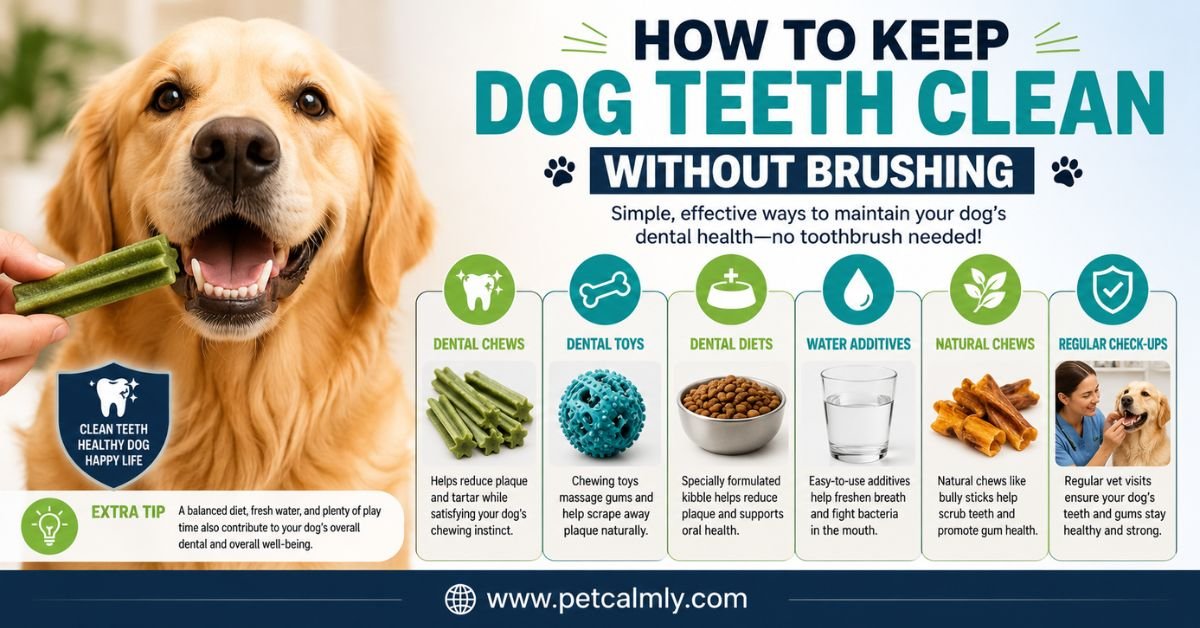
How to keep dog teeth clean without brushing? The best alternatives include dental chews, veterinarian-approved dental diets, chew toys designed for oral health, water additives, dental wipes, and regular professional cleanings when needed. While brushing remains the gold standard, many dogs resist it. Combining several brush-free dental care methods can significantly reduce plaque buildup, freshen breath, and support healthier gums.
The key is consistency. A daily dental routine using safe, proven tools works much better than relying on a single product occasionally.
Introduction
Many dog owners know they should brush their dog’s teeth. The challenge is getting a dog to cooperate.
Some dogs clamp their mouths shut the moment they see a toothbrush. Others turn it into a game of chase around the house. Rescue dogs, senior dogs, and anxious pets can be especially difficult to train for brushing.
If this sounds familiar, you’re not alone.
Dental disease is one of the most common health problems seen in dogs. Unfortunately, it often develops quietly. Bad breath may seem harmless at first, but it can be an early sign of plaque, tartar, gum inflammation, or infection.
The good news is that brushing isn’t the only way to help protect your dog’s teeth.
In this guide, you’ll learn practical, realistic ways to keep your dog’s teeth cleaner without daily brushing, which methods actually work, common mistakes to avoid, and when professional veterinary care becomes important.
Why Dental Care Matters More Than Most Owners Realize
Before looking at alternatives, it helps to understand what you’re trying to prevent.
Every day, bacteria form a sticky film called plaque on your dog’s teeth.
If plaque isn’t removed, it hardens into tartar. Once tartar develops, it becomes much harder to remove without professional cleaning.
Over time, this can lead to:
- Bad breath
- Gingivitis
- Gum recession
- Painful chewing
- Loose teeth
- Tooth loss
- Oral infections
In severe cases, bacteria from dental disease may affect other parts of the body, including the heart, liver, and kidneys.
Many dogs continue eating despite significant dental pain, which means problems often go unnoticed until they become advanced.
Can Dogs Have Healthy Teeth Without Brushing?
Quick Answer
Yes, but it requires a consistent dental care routine using multiple approaches.
Brushing removes plaque most effectively, but dogs can still benefit from other evidence-based dental care methods.
Think of it this way:
If brushing is the gold standard, alternatives can still provide meaningful protection when used correctly and regularly.
The most successful owners usually combine:
- Dental chews
- Oral health diets
- Safe chewing opportunities
- Dental wipes
- Water additives
- Routine veterinary dental checks
No single alternative replaces brushing entirely, but together they can make a significant difference.
The Best Ways to Keep Dog Teeth Clean Without Brushing
1. Offer Veterinary-Approved Dental Chews
Dental chews are often the easiest starting point.
Many are specifically designed to:
- Scrape plaque from teeth
- Reduce tartar accumulation
- Massage gum tissue
- Freshen breath
The chewing action creates mechanical friction that helps clean tooth surfaces.
What Makes a Good Dental Chew?
Look for products that:
- Are appropriately sized
- Encourage prolonged chewing
- Have textured surfaces
- Are digestible
- Have veterinary recommendations
Benefits
- Easy to use
- Dogs enjoy them
- Helps reduce plaque
- Provides mental enrichment
Common Mistake
Many owners assume every chew sold in pet stores supports dental health.
Unfortunately, some treats are little more than flavored snacks and provide minimal cleaning benefits.
Always check product claims carefully and discuss options with your veterinarian if you’re unsure.
2. Use Dental Wipes
Dental wipes are an excellent middle ground between brushing and doing nothing.
These soft wipes fit around your finger and allow you to gently clean:
- Teeth surfaces
- Gum lines
- Areas where plaque accumulates
Many dogs tolerate wipes better than toothbrushes.
Why They Work
The main benefit is physical removal of plaque and food debris.
Even if you only manage a few seconds each day, consistency matters.
Helpful Tip
Introduce wipes gradually.
Allow your dog to sniff them first, then reward calm behavior before touching the mouth.
Many dogs accept wipes far more readily than brushes.
3. Try Water Additives
Water additives are liquid products mixed into your dog’s drinking water.
They typically aim to:
- Reduce bacterial growth
- Improve breath odor
- Slow plaque development
Pros
- Extremely easy
- Requires little effort
- Helpful for dogs that resist handling
Cons
- Less effective than mechanical cleaning methods
- Results vary between dogs
Water additives work best as part of a larger dental plan rather than as a standalone solution.
4. Feed a Dental-Support Diet
Certain dog foods are formulated specifically for oral health.
Unlike regular kibble, dental diets often:
- Have larger kibble pieces
- Encourage chewing
- Create a scraping effect on teeth
- Reduce plaque accumulation
Why This Helps
Many dogs swallow ordinary kibble quickly.
Dental diets are designed to promote more chewing before swallowing.
That extra chewing can contribute to cleaner teeth over time.
Particularly Helpful For
- Small breeds
- Dogs prone to tartar buildup
- Older dogs with recurring dental issues
Always discuss major dietary changes with your veterinarian.
5. Provide Safe Dental Chew Toys
Chewing is a natural canine behavior.
The right chew toys can help clean teeth while satisfying a dog’s instinctive need to chew.
Good Options
- Rubber dental toys
- Grooved chew toys
- Textured oral-health toys
- Stuffable enrichment toys
These toys create gentle abrasion against tooth surfaces.
Avoid Extremely Hard Chews
A common misconception is that harder equals better.
In reality, excessively hard chews can crack teeth.
If you wouldn’t want the object hitting your kneecap, it may be too hard for your dog’s teeth.
Natural Ways to Support Cleaner Teeth
Many owners prefer natural approaches whenever possible.
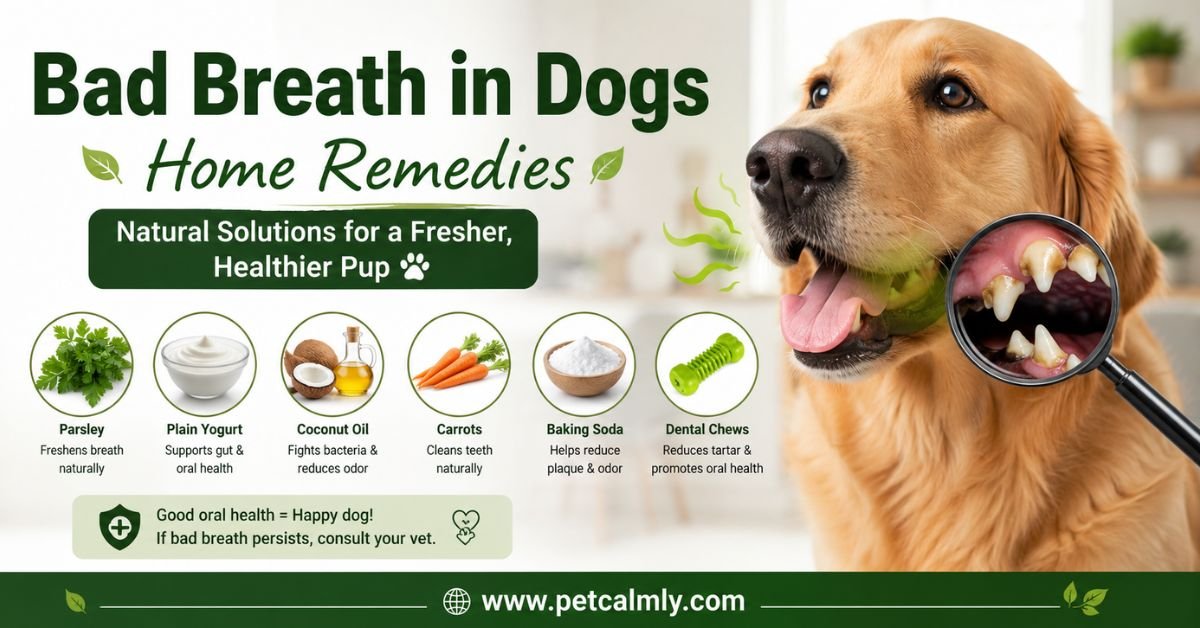
Some natural options can complement traditional dental care.
Raw Vegetables
Certain dogs enjoy:
- Carrots
- Celery
- Cucumber slices
Crunchy vegetables may help remove small amounts of debris while providing low-calorie enrichment.
However, they should not be considered a complete dental solution.
Increased Chewing Opportunities
Dogs naturally clean their teeth through chewing.
Safe chewing activities can:
- Stimulate saliva production
- Reduce boredom
- Support oral hygiene
The key word is safe.
Always supervise and choose items appropriate for your dog’s size and chewing strength.
Signs Your Dog’s Teeth Need More Attention
Even with preventive care, dental problems can develop.
Watch for:
- Persistent bad breath
- Yellow or brown tartar
- Red gums
- Bleeding gums
- Difficulty chewing
- Dropping food
- Pawing at the mouth
- Reduced interest in hard foods
- Excessive drooling
Many owners dismiss bad breath as normal.
It isn’t.
A healthy dog’s breath may not smell pleasant, but strong, persistent odor often signals bacterial buildup.
Small Dogs vs. Large Dogs: Who Needs More Dental Care?
Small Breeds Often Face Greater Risk
Many small breeds develop dental disease earlier than large breeds.
Examples include:
- Yorkshire Terriers
- Chihuahuas
- Toy Poodles
- Maltese
- Pomeranians
Why?
Smaller mouths create crowding.
Crowded teeth trap food particles and plaque more easily.
As a result, these breeds often need especially consistent dental care.
Large Breeds Are Not Immune
Large dogs can still develop:
- Tartar
- Gingivitis
- Tooth fractures
- Oral infections
Owners sometimes assume bigger dogs naturally have healthier teeth.
That’s not always true.
Every dog benefits from dental maintenance.
A Practical Daily Routine for Dogs That Hate Tooth Brushing
Many owners struggle because they attempt too much too soon.
Instead, focus on a realistic routine.
Morning
- Refresh water
- Add veterinarian-approved water additive if used
Afternoon
- Provide a dental chew
Evening
- Use dental wipe for 30–60 seconds
- Check gums and teeth visually
Weekly
- Inspect mouth carefully
- Check for odor, redness, or tartar
Every Veterinary Visit
- Request an oral examination
Small habits performed consistently often outperform ambitious routines that are abandoned after a few days.
5 Common Mistakes That Can Worsen Dental Health
Giving Too Many Soft Treats
Soft treats stick to teeth more easily.
Residue can contribute to plaque formation.
Ignoring Mild Bad Breath
Many owners wait until severe odor develops.
Early intervention is far easier than treating advanced dental disease.
Relying on One Product
No chew, additive, toy, or diet works perfectly on its own.
The best results come from combining multiple strategies.
Assuming Dogs Will Show Pain
Dogs often hide discomfort.
A dog may continue eating while suffering from significant dental disease.
Regular mouth checks are important.
Using Unsafe Chewing Products
Some products can:
- Fracture teeth
- Create choking hazards
- Cause digestive issues
Always choose reputable, dog-safe options.
Comparing Popular Non-Brushing Dental Options
| Method | Plaque Control | Ease of Use | Cost | Best For |
|---|---|---|---|---|
| Dental chews | Good | Very easy | Moderate | Most dogs |
| Dental wipes | Good | Moderate | Low | Dogs that dislike brushes |
| Water additives | Mild to moderate | Very easy | Low | Busy owners |
| Dental diets | Moderate | Easy | Higher | Tartar-prone dogs |
| Dental toys | Moderate | Easy | Moderate | Active chewers |
| Professional cleaning | Excellent | Veterinary procedure | Higher | Advanced tartar |
No single option wins in every category.
Most veterinarians recommend combining several approaches.
What to Avoid When Trying to Clean Dog Teeth Naturally
Some popular internet advice can be risky.
Avoid:
Human Toothpaste
Many human toothpastes contain ingredients that are unsafe for dogs.
Abrasive Homemade Mixtures
Baking soda, charcoal, and other DIY mixtures may irritate tissues or be swallowed.
Extremely Hard Bones
Hard bones can fracture teeth.
Dental fractures are painful and often require veterinary treatment.
Untested Home Remedies
If a product promises miraculous dental results without evidence, approach it cautiously.
Dental disease is a medical issue, not something that can be solved with a single miracle cure.
Puppies and Dental Care: Start Early
The easiest dog to handle for dental care is usually one that starts young.
Puppies can learn to accept:
- Mouth handling
- Finger wipes
- Oral inspections
- Gentle dental routines
Keep sessions short.
Use praise and rewards generously.
Even if you never brush regularly, positive mouth handling makes future dental care easier.
Senior Dogs Need Extra Attention
Older dogs often face:
- Increased tartar accumulation
- Gum recession
- Tooth wear
- Missing teeth
Aging dogs may also be less tolerant of brushing.
For seniors, alternatives like:
- Dental wipes
- Softer dental chews
- Oral rinses
- Veterinary monitoring
can become especially valuable.
Never assume bad breath or tooth loss is simply part of aging.
When Should You Worry?
Seek veterinary attention if you notice:
- Bleeding gums
- Loose teeth
- Swelling around the face
- Refusal to eat
- Sudden drooling
- Pus around teeth
- Extreme mouth odor
- Mouth sensitivity
- Weight loss linked to chewing difficulties
These signs may indicate infection, advanced periodontal disease, tooth fractures, or other oral problems.
The earlier treatment begins, the better the outcome.
What Should Pet Owners Do?
If you’re unable to brush your dog’s teeth, focus on building a practical routine you can actually maintain.
Start With Three Steps
- Give a quality dental chew daily.
- Use dental wipes several times per week.
- Schedule regular veterinary oral examinations.
Then Add Extra Support
- Dental diets if recommended
- Water additives
- Dental toys
- Routine mouth checks
The goal isn’t perfection.
It’s reducing plaque accumulation consistently over time.
A manageable routine performed every week is far more effective than an ideal routine that never happens.
Quick Dental Health Checklist
Use this simple checklist:
Fresh breath most days
Pink gums
No bleeding
Comfortable chewing
Minimal tartar buildup
Daily chewing activity
Regular oral inspections
Veterinary dental evaluations
If several boxes remain unchecked, it’s worth discussing dental care options with your veterinarian.
Frequently Asked Questions
1: Can dental chews replace brushing completely?
Not entirely. Dental chews help reduce plaque and tartar, but brushing remains the most effective method. Chews work best as part of a broader dental care routine.
2: How often should I give my dog a dental chew?
Most dental chews are designed for daily use. Always follow the manufacturer’s feeding guidelines and choose a size appropriate for your dog.
3: Is bad breath always a sign of dental disease?
Not always, but persistent bad breath is often one of the earliest signs of plaque buildup, gum disease, or oral infection. It deserves attention.
4: Do carrots clean dogs’ teeth?
Crunchy carrots may help remove some debris and provide chewing activity, but they do not remove tartar or replace proper dental care methods.
5: What is the easiest way to clean a dog’s teeth without brushing?
For many owners, combining dental chews, water additives, and dental wipes offers the easiest and most realistic approach.
6: How often should dogs have professional dental cleanings?
The frequency varies based on breed, age, genetics, and oral health. Some dogs may need cleanings every year, while others can go longer between procedures. Your veterinarian can recommend a schedule.
More Information About Pets, Please Visit Our Website: Best Dog Shampoos for Sensitive Skin
Conclusion
Learning how to keep dog teeth clean without brushing is really about creating a routine that works for both you and your dog. While brushing remains the most effective option, many dogs simply won’t tolerate it, and that’s a common challenge for pet owners.
Fortunately, daily dental chews, oral-health diets, dental wipes, water additives, safe chew toys, and regular veterinary checkups can all play an important role in protecting your dog’s teeth and gums.
Small, consistent efforts add up. A few minutes each day can help reduce plaque, improve breath, and support your dog’s comfort for years to come.
If you’re building a complete wellness routine, consider exploring related topics on PetCalmly such as dog anxiety management, healthy chewing habits, feeding guides, and preventive care strategies that support your dog’s overall quality of life.