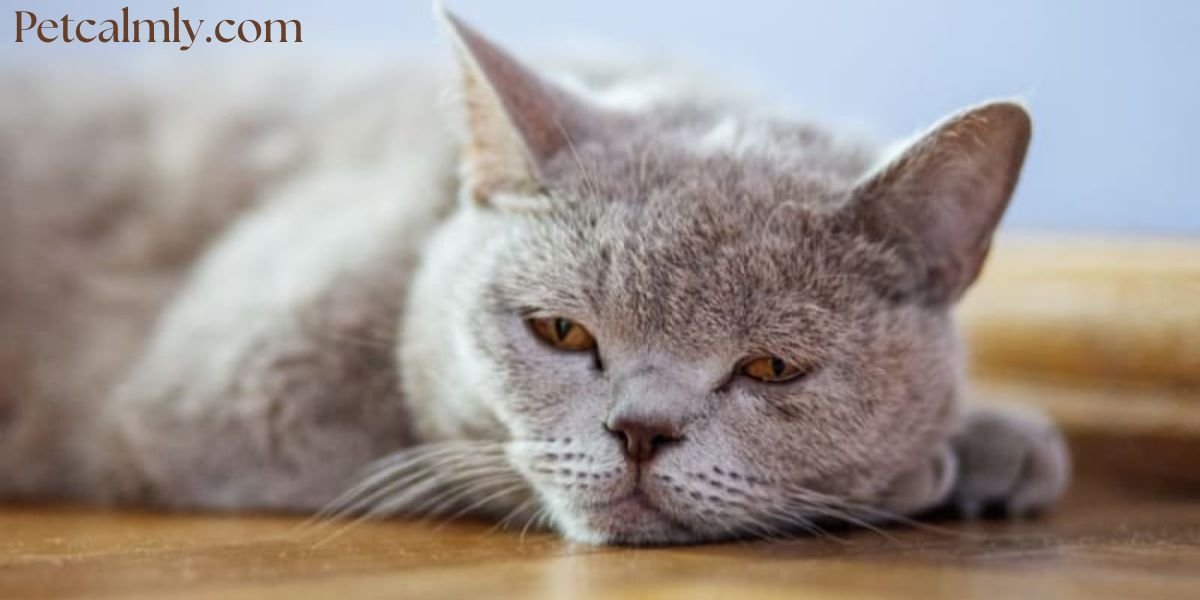
As a cat owner, noticing subtle changes in your feline friend’s behavior can be alarming, especially when it comes to health issues like kidney disease. Kidney disease, also known as renal disease or chronic kidney disease (CKD) in cats, is one of the most common conditions affecting older felines. If you’re searching for “what are the signs of kidney disease in cats,” you’re likely concerned about symptoms such as increased thirst, weight loss, or lethargy. Early detection is crucial because kidney problems in cats can progress silently, leading to more severe complications if left untreated. In this comprehensive guide, we’ll explore the key signs of feline kidney failure, causes, diagnosis, treatment, and prevention strategies to help you provide the best care for your pet. Whether your cat is showing early symptoms of kidney issues or you’re just being proactive, understanding these indicators can make a significant difference in their quality of life.
Kidney disease affects millions of cats worldwide, particularly those over the age of 10. It’s often referred to as feline renal failure when the kidneys can no longer filter waste effectively, leading to a buildup of toxins in the body. By recognizing the signs early, you can work with your veterinarian to manage the condition and potentially extend your cat’s lifespan. Let’s dive deeper into what kidney disease entails and how to spot its warning signs.
Understanding Kidney Disease in Cats
Before we discuss the symptoms, it’s essential to understand what kidney disease means for your cat. The kidneys play a vital role in filtering waste products from the blood, regulating blood pressure, producing hormones, and maintaining hydration levels. When kidney function declines, these processes are disrupted, leading to a cascade of health issues.
There are two main types of kidney disease in cats: acute kidney injury (AKI) and chronic kidney disease (CKD). Acute kidney disease occurs suddenly, often due to toxins, infections, or dehydration, and can sometimes be reversible if caught early. Chronic kidney disease, on the other hand, develops gradually over months or years and is more common in senior cats. It’s progressive and irreversible, but manageable with proper care.
CKD is staged from 1 to 4 based on severity, with stage 1 being mild and stage 4 indicating severe failure. In early stages, cats may not show obvious signs, making regular vet check-ups crucial for at-risk cats. Factors like breed (e.g., Persians or Abyssinians may be more prone) and age increase the risk, but any cat can develop kidney problems.
Causes of Kidney Disease in Cats
Knowing the potential causes can help you prevent or identify kidney issues early. Common triggers include:
- Aging: As cats get older, their kidneys naturally wear down, leading to reduced function.
- Infections: Bacterial infections, such as pyelonephritis, can damage kidney tissue.
- Toxins: Exposure to lilies, antifreeze, or certain medications like NSAIDs can cause acute kidney failure.
- High Blood Pressure: Hypertension often accompanies or exacerbates kidney disease.
- Congenital Issues: Some cats are born with kidney abnormalities, like polycystic kidney disease.
- Other Health Conditions: Diabetes, hyperthyroidism, or dental disease can indirectly affect the kidneys.
- Dehydration or Blockages: Urinary tract obstructions or chronic dehydration strain the kidneys.
By avoiding toxins and managing underlying conditions, you can reduce your cat’s risk of developing renal problems.
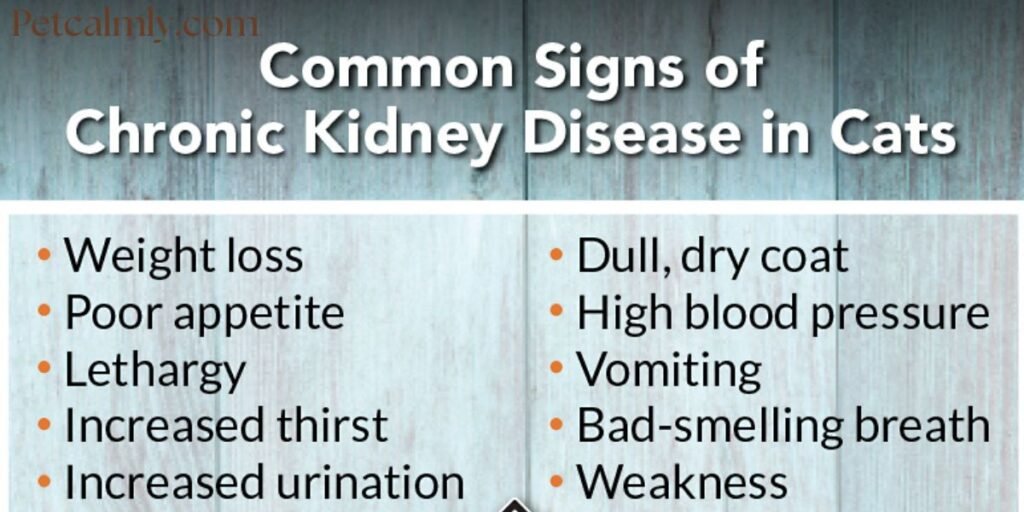
Early Signs of Kidney Disease in Cats
The early signs of kidney disease in cats are often subtle, which is why many owners miss them until the condition advances. However, paying close attention to changes in behavior can lead to timely intervention. Here are the most common early symptoms:
Increased Thirst and Urination (Polydipsia and Polyuria)
One of the first and most noticeable signs is your cat drinking more water than usual and urinating more frequently. This happens because damaged kidneys can’t concentrate urine effectively, causing the body to lose more fluid. You might find yourself refilling the water bowl more often or noticing larger clumps in the litter box. If your cat starts seeking water from unusual sources like faucets or toilets, it’s a red flag for kidney issues.
Weight Loss and Decreased Appetite
Cats with early kidney disease often experience gradual weight loss, even if they’re eating the same amount. As toxins build up, they may feel nauseous, leading to a reduced appetite or picky eating habits. Monitor your cat’s weight monthly; unexplained loss could indicate renal problems.
Lethargy and Weakness
If your once-playful cat seems tired, sleeps more, or avoids activities, it could be due to anemia or toxin buildup from kidney dysfunction. Lethargy is a vague symptom but often pairs with other signs like pale gums.
Poor Coat Condition
A dull, unkempt coat or excessive shedding can signal dehydration or nutritional deficiencies caused by kidney disease. Cats may groom less due to feeling unwell.
To visualize these symptoms, here’s an informative graphic:
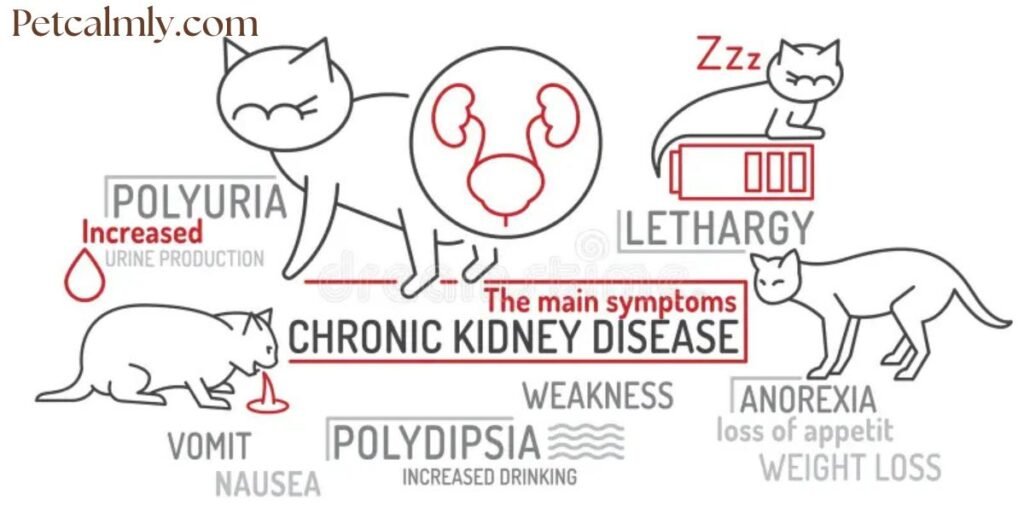
These early indicators are critical for catching kidney disease before it worsens. If you notice any, consult your vet immediately.
Advanced Signs of Kidney Disease in Cats
As kidney disease progresses to later stages, symptoms become more severe and harder to ignore. Recognizing these can help you seek emergency care.
Vomiting and Diarrhea
Frequent vomiting or diarrhea, sometimes with blood, occurs due to gastrointestinal irritation from accumulated toxins. This can lead to further dehydration.
Bad Breath (Halitosis)
A strong, ammonia-like odor from the mouth is a classic sign of uremia, where waste products build up in the blood.
Dehydration
Despite increased drinking, cats often become dehydrated, shown by sunken eyes, dry gums, or tented skin.
Anemia and Pale Gums
Reduced red blood cell production leads to anemia, causing weakness, pale mucous membranes, and cold extremities.
Neurological Issues
In end-stage kidney failure, cats may experience seizures, confusion, pacing, or incontinence. High blood pressure can cause vision loss or disorientation.
| Early Signs | Advanced Signs |
|---|---|
| Increased thirst and urination | Vomiting and diarrhea |
| Mild weight loss | Severe dehydration |
| Slight lethargy | Bad breath and mouth ulcers |
| Poor coat | Anemia and pale gums |
| Decreased appetite | Neurological symptoms like seizures |
This table compares early and advanced symptoms for quick reference.
When to See a Veterinarian
If your cat exhibits any signs of kidney disease, don’t wait schedule a vet visit promptly. Emergency signs include collapse, repeated vomiting, inability to urinate, or disorientation. Regular check-ups for senior cats (over 7 years) can detect issues early through blood tests and urinalysis.
Diagnosis of Kidney Disease in Cats
Diagnosis typically involves:
- Blood Tests: Measuring creatinine, BUN, and SDMA levels to assess kidney function.
- Urinalysis: Checking urine concentration and protein levels.
- Imaging: Ultrasounds or X-rays to view kidney structure.
- Blood Pressure Measurement: To check for hypertension.
Early diagnosis allows for better management.
Treatment Options for Kidney Disease in Cats
While CKD isn’t curable, treatments focus on slowing progression and managing symptoms:
- Dietary Changes: Prescription renal diets low in phosphorus and protein help reduce kidney workload.
- Fluid Therapy: Subcutaneous fluids to combat dehydration.
- Medications: For nausea, anemia, hypertension, or phosphate binding.
- Supportive Care: Appetite stimulants or supplements.
In acute cases, hospitalization with IV fluids may be needed.
Prevention and Management Tips
Prevent kidney disease by:
- Providing fresh water and a balanced diet.
- Avoiding toxins and regular dental care.
- Annual vet exams for early detection.
- Managing weight and other conditions like diabetes.
For cats with diagnosed kidney issues, create a stress-free environment, monitor symptoms, and follow vet advice diligently.
More Information About Pets, Please Visit Our Website: Chronic Kidney Disease Cats Symptoms
What Is the Most Common Disease in Cats?
Conclusion
Recognizing the signs of kidney disease in cats such as increased thirst, weight loss, lethargy, vomiting, and bad breath can be life-saving. This condition is manageable with early intervention, allowing many cats to live comfortably for years. Stay vigilant, consult your vet at the first sign of trouble, and prioritize preventive care. Your cat’s health depends on your awareness, so keep an eye out for these symptoms of feline kidney failure and act swiftly.
Frequently Asked Questions
1. What are the first signs of kidney failure in cats?
The earliest signs include increased thirst and urination, subtle weight loss, and mild lethargy. These occur as the kidneys struggle to concentrate urine.
2. How long can a cat live with kidney disease?
With proper management, cats can live 1-3 years or more after diagnosis, depending on the stage. Early detection improves prognosis.
3. Is kidney disease painful for cats?
It can cause discomfort from nausea or hypertension, but pain is more common in advanced stages. Vets can provide relief.
4. Can kidney disease in cats be reversed?
Acute kidney injury may be reversible, but chronic kidney disease is not; it’s managed to slow progression.
5. What foods should cats with kidney disease avoid?
Avoid high-phosphorus foods like certain fish or dairy; opt for renal-specific diets.
6. How is kidney disease diagnosed in cats?
Through blood tests (BUN, creatinine), urinalysis, and sometimes ultrasounds to evaluate kidney function.