Short Direct Answer
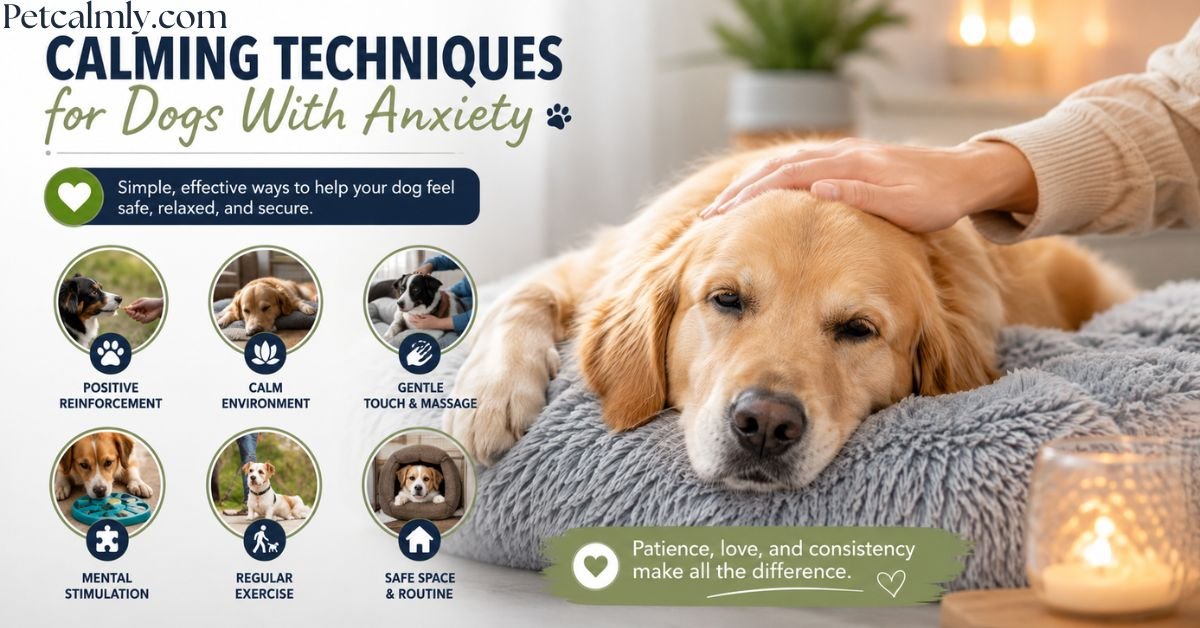
Calming techniques for dogs with anxiety work best when they combine routine, gentle training, mental stimulation, and a calm environment. Many anxious dogs respond well to daily exercise, safe spaces, slow desensitization, calming music, food puzzles, and positive reinforcement training. Some dogs also benefit from anxiety wraps, pheromone diffusers, or guidance from a veterinarian or certified dog behavior professional. The key is identifying what triggers your dog’s stress and responding consistently with patience rather than punishment.
Why Dog Anxiety Deserves Attention
An anxious dog is not “bad” or stubborn. In many cases, the dog feels overwhelmed, unsafe, confused, or unable to cope with certain situations. Some dogs panic during thunderstorms. Others become distressed when left alone, around strangers, or during loud household activity.
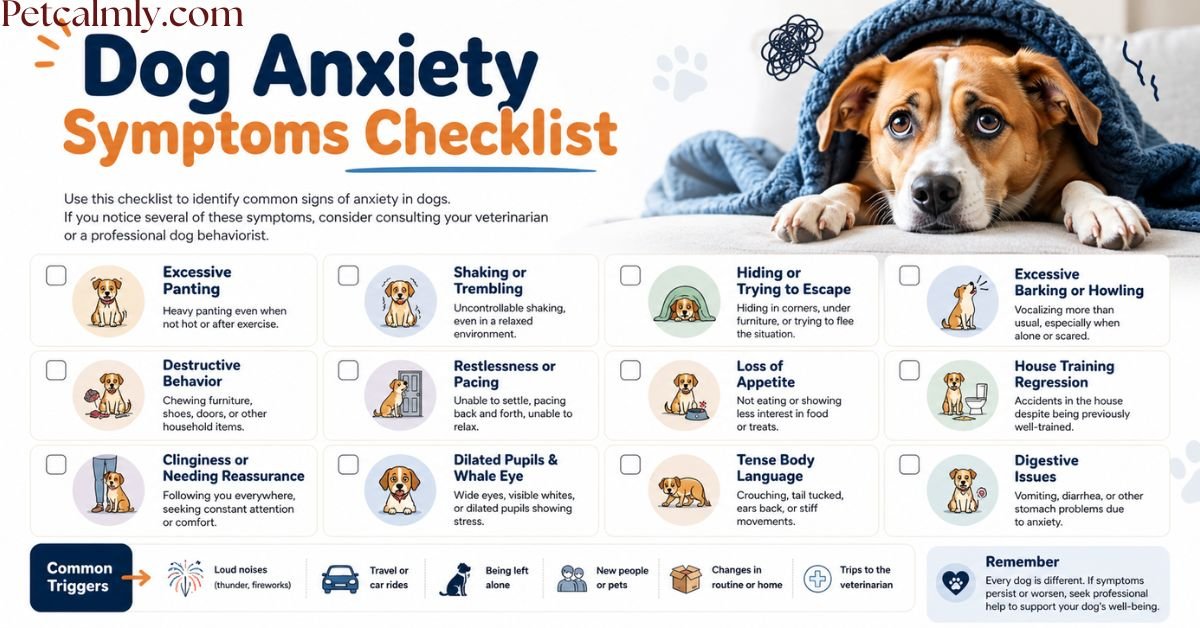
Many pet owners first notice subtle signs:
- pacing at night
- excessive barking
- trembling
- hiding
- destructive chewing
- clingy behavior
- sudden accidents indoors
These behaviors can become exhausting for both the dog and the owner. The good news is that many dogs improve significantly with the right calming strategies and consistent support.
This guide explains practical calming techniques for dogs with anxiety, how to recognize stress triggers, common mistakes to avoid, and when professional help may be necessary.
Understanding Anxiety in Dogs
What Is Dog Anxiety?
Dog anxiety is a stress response that happens when a dog feels threatened, uncertain, overstimulated, or emotionally distressed. Anxiety can be temporary or ongoing depending on the cause.
Some dogs are naturally more sensitive. Others develop anxiety after traumatic experiences, poor socialization, sudden environmental changes, or medical issues.
6 Common Causes of Anxiety in Dogs
Different dogs react differently to stress. One dog may ignore fireworks while another shakes for hours.
Common anxiety triggers include:
Separation Anxiety
Dogs become distressed when left alone or separated from their favorite person.
Loud Noises
Thunderstorms, fireworks, construction sounds, or vacuum cleaners can trigger panic.
Changes in Routine
Moving homes, new pets, travel, visitors, or changes in work schedules may increase stress.
Lack of Socialization
Dogs that were not gently exposed to people, places, and sounds early in life may become fearful later.
Past Trauma
Rescue dogs or previously neglected dogs sometimes carry long-term emotional stress.
Medical Problems
Pain, cognitive decline, hormonal conditions, or neurological issues can affect behavior and increase anxiety.
Signs Your Dog May Be Anxious
Some symptoms are obvious, while others are easy to miss.
Physical Signs
- trembling
- panting without exercise
- drooling
- tucked tail
- pinned-back ears
- pacing
- dilated pupils
- excessive shedding during stress
Behavioral Signs
- destructive chewing
- barking or whining
- hiding
- clinginess
- aggression caused by fear
- repetitive licking
- escaping attempts
- refusing food
- accidents indoors
A dog does not need to show every sign to be anxious.
The Most Effective Calming Techniques for Dogs With Anxiety
1. Create a Predictable Daily Routine
Dogs often feel safer when life feels predictable.
Try to keep these consistent:
- feeding times
- walks
- bedtime
- play sessions
- bathroom breaks
Even small routines can help nervous dogs relax because they know what to expect next.
A dog that panics every evening may calm down simply from having a structured bedtime routine with a quiet walk, dim lighting, and a calming chew toy.
2. Give Your Dog a Safe Space
Many anxious dogs benefit from a calm retreat area.
This space could include:
- a crate with the door open
- a quiet bedroom corner
- soft blankets
- familiar scents
- low lighting
The goal is comfort, not isolation.
Avoid forcing your dog into the space. Let them choose it voluntarily.
Helpful Tip
Some dogs feel calmer when covered slightly with a breathable blanket over part of the crate because it reduces visual stimulation.
3. Use Gentle Physical Exercise
Exercise helps reduce excess nervous energy.
A bored or under-exercised dog may become more reactive and anxious.
Good calming activities include:
- sniff walks
- relaxed leash walks
- light fetch
- hiking
- swimming
- backyard scent games
Avoid overly intense exercise immediately before stressful events. Some dogs become more overstimulated instead of calmer.
Real-Life Example
A dog that destroys cushions every afternoon may simply have too much pent-up energy from staying indoors all day. Adding a 30-minute morning sniff walk often reduces stress-related behaviors dramatically.
4. Mental Stimulation Can Calm the Brain
Mental enrichment is one of the most overlooked calming tools.
Activities that encourage focused thinking help redirect anxious energy.
Try:
- food puzzle toys
- snuffle mats
- frozen lick mats
- treat-dispensing toys
- scent work games
- short training sessions
Licking and sniffing behaviors naturally help many dogs relax.
5. Stay Calm Yourself
Dogs are highly sensitive to human emotions.
If owners become tense, frustrated, or loud during stressful moments, many dogs become even more anxious.
Speak slowly and calmly. Avoid sudden reactions.
This does not mean ignoring serious behavior problems. It means responding without escalating the dog’s fear.
Training Techniques That Help Anxious Dogs
Positive Reinforcement Works Best
Reward-based training helps dogs build confidence safely.
Reward calm behavior with:
- treats
- praise
- toys
- affection if the dog enjoys it
Avoid punishment-based methods for anxious dogs. Yelling, shock collars, or harsh corrections often increase fear and damage trust.
Desensitization Training
Desensitization means gradually exposing a dog to a trigger at a low intensity while keeping them calm.
For example:
- Play thunder sounds very quietly
- Reward calm behavior
- Slowly increase volume over time
- Stop before the dog becomes overwhelmed
This process takes patience, but it can be highly effective.
Counterconditioning
Counterconditioning changes the dog’s emotional response to a trigger.
Example:
- Dog fears visitors
- Visitors appear
- Dog immediately receives high-value treats
Over time, the dog begins associating visitors with positive experiences instead of fear.
Calming Products That May Help
Some dogs benefit from calming aids alongside training and environmental support.
Popular Options
| Product Type | How It May Help | Best For |
|---|---|---|
| Anxiety wraps | Gentle body pressure creates comfort | Storm anxiety, travel |
| Pheromone diffusers | Mimic calming dog pheromones | Mild household stress |
| Calming chews | May support relaxation | Situational stress |
| Orthopedic beds | Improve physical comfort | Senior dogs |
| White noise machines | Reduce startling sounds | Noise sensitivity |
Not every product works for every dog. Results vary.
Always check ingredients before using supplements, especially if your dog has medical conditions or takes medication.
Natural Calming Techniques Many Owners Overlook
Sniff Walks
Allowing dogs to slowly sniff during walks can be mentally relaxing.
Constantly rushing a dog through walks may increase frustration and stress.
Calming Music
Some dogs respond positively to:
- soft classical music
- white noise
- specially designed pet relaxation audio
This can be especially useful during storms or when home alone.
Massage and Gentle Touch
Some dogs relax with slow, gentle massage around:
- shoulders
- chest
- neck
Watch your dog’s body language carefully. Not all anxious dogs want physical contact when stressed.
Scent-Based Comfort
Familiar scents can be calming.
Items that may help:
- owner-worn clothing
- familiar bedding
- calming dog-safe lavender products approved by veterinarians
Never apply essential oils directly to dogs unless advised by a professional.
4 Common Mistakes That Can Make Anxiety Worse
Punishing Fearful Behavior
Punishment often increases anxiety rather than solving it.
A dog barking from fear is not trying to “misbehave.” The dog is reacting emotionally.
Forcing Social Interactions
Some owners unintentionally overwhelm nervous dogs by forcing:
- greetings
- crowded environments
- constant petting from strangers
Allow anxious dogs to approach people at their own pace.
Inconsistent Rules
Mixed signals confuse dogs.
If one family member allows jumping while another punishes it harshly, the dog may become more stressed.
Ignoring Early Warning Signs
Subtle stress signals often appear before bigger behavior problems.
Early signs include:
- lip licking
- yawning
- avoiding eye contact
- stiff posture
- excessive panting
Responding early can prevent escalation.
A Simple Daily Routine for an Anxious Dog
Morning
- calm potty break
- relaxed walk with sniffing
- breakfast using puzzle feeder
Midday
- short play session
- chew toy or enrichment activity
- quiet rest period
Evening
- gentle training session
- calming music
- consistent bedtime routine
Consistency matters more than perfection.
Calming Techniques for Separation Anxiety
Separation anxiety is one of the most difficult forms of canine anxiety.
Signs of Separation Anxiety
- panic when owner leaves
- nonstop barking
- destructive chewing near doors
- escape attempts
- excessive drooling
- indoor accidents
Helpful Strategies
Practice Short Departures
Leave for 30 seconds, then return calmly.
Gradually increase time away.
Avoid Dramatic Goodbyes
Big emotional exits can increase anxiety.
Leave Interactive Toys
Food puzzles help occupy the dog during alone time.
Build Independence
Encourage short periods of relaxation away from you while you are still home.
Severe separation anxiety may require professional guidance.
Helping Dogs During Thunderstorms and Fireworks
Noise anxiety is extremely common.
Before the Event
- exercise earlier in the day
- close curtains
- prepare a safe space
- use white noise or calming music
During the Event
- remain calm
- avoid forcing interaction
- allow hiding if safe
- provide comfort if your dog seeks it
Contrary to old myths, calmly comforting a frightened dog does not “reward fear.”
Anxiety in Puppies vs Adult Dogs
Puppies
Puppies often fear:
- unfamiliar people
- loud sounds
- new environments
Gentle socialization is important during early development.
Adult Dogs
Adult dogs may develop anxiety from:
- trauma
- sudden changes
- aging
- pain
- cognitive decline
A senior dog showing sudden anxiety should see a veterinarian to rule out health issues.
When Should You Be Concerned?
Some anxiety goes beyond normal nervousness.
Contact a Veterinarian If Your Dog:
- stops eating
- injures themselves during panic
- becomes aggressive suddenly
- cannot settle for long periods
- experiences severe separation distress
- shows sudden personality changes
- has worsening symptoms over time
Medical issues sometimes look like behavior problems.
A veterinarian can help determine whether anxiety, pain, illness, or neurological conditions may be involved.
What Should Pet Owners Do?
Start With Observation
Write down:
- triggers
- timing
- body language
- recovery time
Patterns often become easier to spot after a few days.
Focus on Small Improvements
Progress is rarely instant.
One dog may improve within weeks. Another may need months of gradual confidence building.
Celebrate small wins:
- calmer greetings
- fewer accidents
- shorter barking episodes
- relaxed body posture
Use Training Consistently
Short, calm daily sessions work better than occasional intense training.
Even 5–10 minutes per day can help.
Avoid Comparing Your Dog to Others
Some dogs are naturally more sensitive.
The goal is not a “perfect” dog. The goal is a dog that feels safer and more comfortable.
Quick Checklist: How to Calm an Anxious Dog
Do:
- keep routines consistent
- reward calm behavior
- provide enrichment
- use gentle training
- identify triggers
- create safe resting spaces
- seek veterinary advice when needed
Don’t:
- punish fear reactions
- force interactions
- overwhelm the dog
- ignore worsening symptoms
- expect overnight changes
Can Anxiety in Dogs Be Prevented?
Not always, but healthy habits reduce risk.
Helpful Prevention Habits
- early positive socialization
- routine exercise
- mental stimulation
- predictable schedules
- gentle exposure to sounds and environments
- positive training methods
Building confidence early often helps dogs handle stress more effectively later.
Frequently Asked Questions
1: What is the best calming technique for dogs with anxiety?
The best approach depends on the trigger. Many dogs benefit from routine, exercise, mental enrichment, and positive reinforcement training combined with a safe resting area.
2: Can dogs naturally outgrow anxiety?
Some mild fears improve with maturity and proper training, but many anxiety issues worsen without support. Early intervention usually helps.
3: Do calming treats really work for anxious dogs?
Some dogs respond well to calming supplements, especially for mild stress. However, products work best alongside behavior training and environmental changes.
4: Should I comfort my dog during anxiety attacks?
Yes, if your dog seeks comfort. Calm reassurance is generally fine. Avoid panicking or reacting dramatically, as this can increase stress levels.
5: How long does it take to reduce dog anxiety?
It varies widely. Mild anxiety may improve within weeks, while severe cases can take months of consistent training and management.
6: When should I seek professional help for my dog’s anxiety?
Seek help if anxiety causes aggression, self-injury, nonstop panic, destructive behavior, or serious disruption to daily life. A veterinarian or certified behavior professional can help create a safe plan.
More Information About Pets, Please Visit Our Website: Dog Anxiety Medication Side Effects Long-Term Use
Conclusion
Helping an anxious dog takes patience, consistency, and understanding. Most dogs do not become calmer because they are “dominated” or punished. They improve when they feel safe, supported, mentally engaged, and able to trust their environment.
Small daily habits often make the biggest difference:
- calmer routines
- gentle training
- exercise
- enrichment
- predictable structure
Some dogs recover quickly. Others need more time and professional support. Either way, progress is possible.
A calmer dog usually starts with a calmer environment, realistic expectations, and an owner willing to work patiently through the process.