Short direct answer
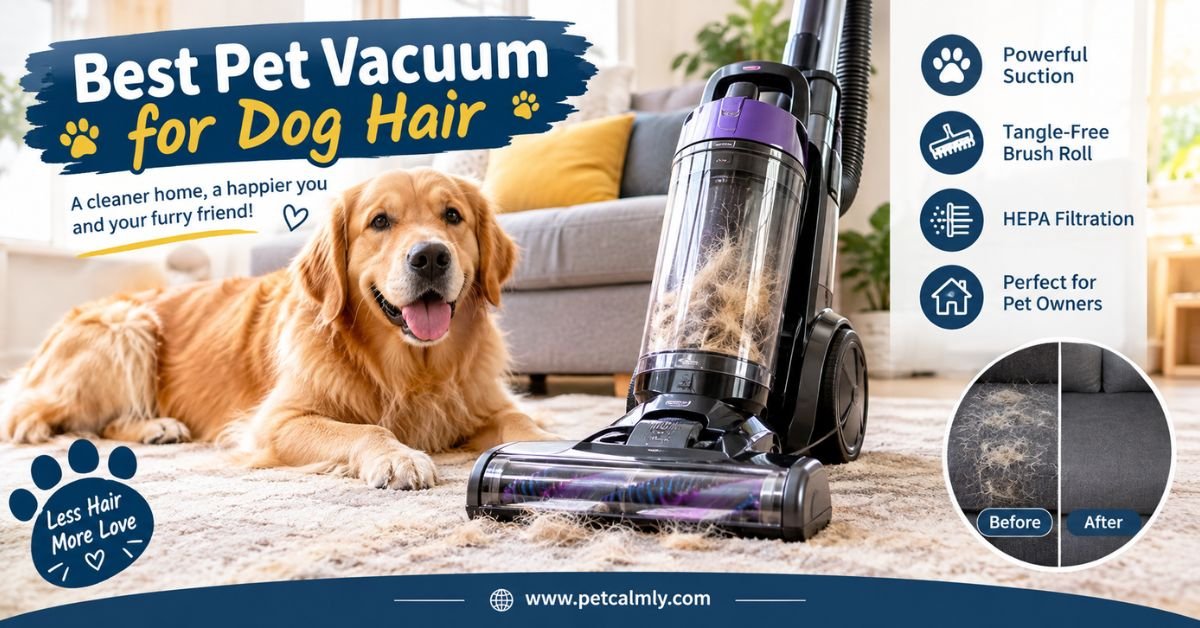
The best pet vacuum for dog hair has strong suction, a brush roll that will not tangle, a sealed HEPA-style filter, and a bin you can empty without touching the hair. For most homes, a corded or cordless stick vacuum with a self-cleaning brush bar works well. Heavy shedders and multi-dog homes often need more power, a bigger bin, or a robot vacuum running daily. Match the machine to your floors, your dog’s coat, and how often you can realistically vacuum.
If you are reading this with a sweater covered in fur and a sofa that looks like a second dog, you are in good company. Shedding is normal, but it can feel endless when the hair keeps coming back an hour after you clean.
This guide walks you through what actually makes a vacuum good at pet hair, which types suit which homes, and the mistakes that cost people money. You will also find a simple routine that cuts down on hair before it ever reaches the floor, plus the signs that heavy shedding might be a health issue worth a vet visit.
Why Dog Hair Is So Hard to Vacuum Up
Dog hair behaves differently from regular household dust. Knowing why will help you judge vacuums more honestly than any marketing label can.
Hair Clings, Weaves, and Tangles
Dog hair is long, fine, and often slightly oily. It wraps around brush rolls, weaves itself into carpet fibers, and clings to upholstery through static. A vacuum with weak airflow just skims the top and leaves the embedded hair behind.
Short, stiff hair, like that from a Labrador or a boxer, is the opposite problem. Those little spikes poke into fabric and refuse to let go, so you need agitation, not only suction.
Different Coats Need Different Machines
A double-coated breed such as a husky, German shepherd, or golden retriever sheds a thick undercoat, often in big seasonal waves. A poodle or bichon sheds very little, but hair can collect in corners and under furniture. Hairless and short-haired dogs still leave behind dander and tiny hairs.
So the best vacuum for you is not the same as the best vacuum for your neighbor. Your dog’s coat is the first thing to consider.
What Makes a Vacuum Good for Pet Hair
Ignore the glossy claims for a moment. These are the features that decide whether you will like the machine six months from now.
Strong Suction Paired With Good Airflow
Suction numbers on a box can be misleading. What matters in real life is how well the vacuum pulls hair out of carpet and off a sofa, and that depends on airflow, sealed construction, and the design of the floor head. If you can, read reviews from people with the same kind of home and dog as yours.
An Anti-Tangle or Self-Cleaning Brush Roll
This one feature saves more frustration than any other. A standard brush roll collects hair until it stops spinning, and then you are sitting on the floor with scissors. Anti-tangle designs, comb-like tools, or brush bars with sections that cut and guide hair into the bin make a huge difference, especially with long-haired dogs.
A Sealed System and a HEPA-Style Filter
Dog hair is only part of the story. Dander, pollen, and fine dust get tossed back into the air by a poorly sealed vacuum. If anyone in your home has allergies or asthma, look for a sealed system with a HEPA-grade filter, and talk with their doctor about what else may help.
A Bin You Can Empty Without a Mess
Pet hair compacts into a thick felt-like clump. Look for a bin with a wide opening, a one-button release, and ideally a design that pushes the debris out in one piece. Bagged vacuums can be cleaner to empty, while bagless ones save money over time. Neither is wrong; it depends on whether the dust bothers you.
Useful Attachments for Real Pet Spots
A good pet vacuum should come with a motorized mini tool for stairs and upholstery, a crevice tool for sofa seams, and a soft dusting brush for blinds and baseboards. Dog hair collects in the same places every time: the sofa corner, the car seat, the dog bed, and the stairs. Attachments built for those spots matter more than extra accessories you will never use.
Weight, Noise, and Battery Life
If your vacuum is heavy or hard to store, you will use it less. If it is loud, some dogs get stressed and hide, which brings us to a topic many guides skip.
Types of Pet Vacuums: Which One Fits Your Home?
There is no single winner, because homes are different. Here is a straightforward comparison.
| Vacuum type | Best for | Main drawback |
|---|---|---|
| Corded upright | Big carpeted homes, heavy shedders, multiple dogs | Heavy, cord limits reach |
| Cordless stick | Daily touch-ups, stairs, quick cleanups | Battery runtime, smaller bin |
| Robot vacuum | Hard floors, daily hair control while you are out | Struggles with thick rugs and stairs |
| Canister | Mixed floors, stairs, upholstery, allergy-sensitive homes | Bulkier to store and drag around |
| Handheld | Cars, sofas, dog beds, small messes | Not for whole-floor cleaning |
Corded Upright Vacuums for Heavy Shedders
If you have wall-to-wall carpet, a husky, or three retrievers, a corded upright is often the most dependable choice. You get steady power, a larger bin, and no battery anxiety. The trade-off is weight and having to wrangle the cord.
Cordless Stick Vacuums for Everyday Fur
A cordless stick is perfect for the quick pass you actually do. Because it sits ready on a wall mount, you are more likely to grab it the moment you see a tumbleweed of hair roll by. Check the real runtime on the power level you will use, not the eco mode, and look at whether the battery can be replaced.
Robot Vacuums for Daily Hair Control
Robot vacuums are a quiet help for hair on hard floors. Running one every day keeps tumbleweeds from forming. They will not replace a full vacuum for rugs, stairs, or sofas, and you will need to check the brush for wrapped hair regularly. One real-life warning: if your dog has accidents indoors, a robot can drag a mess across the floor, so keep an eye on any dog still in house training.
Canister Vacuums for Mixed Floors and Stairs
Canisters are underrated for pet homes. The lightweight wand makes stairs and upholstery easier, and the bigger body usually holds more filtration and a larger bag or bin.
Best Pet Vacuum Picks: Which Lines Are Worth Checking
Models change quickly, so rather than promise a single perfect machine, here are product lines that pet owners often shortlist. Always check the current version, price, and recent reviews before buying, because features and quality shift from year to year.
- Shark pet lines: Often praised for anti-tangle brush rolls and good value, available in corded and cordless versions.
- Dyson cordless sticks: Popular for strong suction and handy tools, though usually at a higher price.
- Bissell Pet Hair Eraser series: Budget-friendly options that many owners like for stairs, cars, and upholstery.
- Miele canisters and uprights: Known for sealed filtration and durability, a good fit for allergy-conscious homes and a longer-term investment.
- Roborock, Eufy, and iRobot robots: Common choices for automated daily hair pickup on hard floors.
Think of this list as a starting point for your own research, not a verdict. A cheaper vacuum with a good brush design can beat an expensive one that tangles constantly.
How to Choose the Best Vacuum for Pet Hair in Your Home
Before you compare prices, answer four questions. They narrow the field faster than any ranking.
Start With Your Floors
Hardwood, tile, and laminate: hair floats and gathers in drifts, so a robot or a lightweight stick with a soft roller head works nicely. Low-pile carpet: a strong upright or stick with a good brush bar. Thick rugs and high-pile carpet: you need a motorized brush with adjustable height, since a weak head just glides over the top.
Consider Your Dog’s Coat and Your Household
One small dog with short hair has different needs from two shedding shepherds and a toddler. Count how many pets you have, how much fur you pull off the sofa each week, and who in the house has allergies.
Be Honest About How You Clean
If you hate dragging a big machine out, buy the one you will actually use. A lighter stick vacuum used daily often beats a powerful upright that lives in the closet.
Set a Realistic Budget
You do not need the most expensive model. Look for the features in the checklist below, then compare warranty length, replacement parts, and filter costs, because those are the hidden expenses.
Pet Vacuum Buying Checklist
- Anti-tangle or self-cleaning brush roll
- Sealed system with HEPA-style filtration
- Easy, mess-free bin emptying
- Pet-specific attachments for stairs, sofas, and car seats
- Comfortable weight and easy storage
- Battery life that matches your home size (for cordless models)
- Available replacement filters and brush rolls
- A fair warranty and a return window
6 Common Mistakes People Make When Buying a Pet Hair Vacuum
Most regrets come from the same few missteps. Avoiding them can save you a lot of money and irritation.
- Buying on suction claims alone. Great suction with a brush that jams after two minutes is not great.
- Ignoring filter costs. Some filters need replacing every few months, and they add up.
- Choosing a model that is too heavy. If you dread using it, hair wins.
- Expecting a robot to do everything. It is a helper, not a replacement.
- Skipping the washable parts. Pet hair holds odors, so look for filters and bins you can rinse.
- Forgetting about the car. A small handheld often pays for itself.
How to Vacuum Dog Hair Effectively
Even the best vacuum for dog hair works better with a smart routine. A few small habits cut your cleaning time noticeably.
Go Slowly and Make Two Passes
Pet hair settles deep. Move the vacuum slowly, and run it across the carpet in one direction, then again at a right angle. That second pass lifts hair that the first one missed.
Loosen Hair on Upholstery First
On sofas and car seats, hair can be stubborn. A rubber glove, a squeegee, or a damp rubber brush pulled across the fabric bunches the hair into clumps you can vacuum up easily. Test a small hidden area first so you do not damage the fabric.
Do the Hotspots Often
Most homes have the same four spots: the dog’s favorite sofa corner, bed, entryway, and the area beside the food bowl. A quick daily pass over those spots is worth more than a long weekly clean.
Maintain Your Vacuum
Empty the bin before it is full, clean the brush roll every week or two, rinse washable filters on the schedule in your manual, and check hoses for clogs. A vacuum choked with hair loses power fast, and people often blame the machine when the real problem is maintenance.
Reduce Dog Shedding So You Vacuum Less
The cleanest hair is the hair that never reaches your floor. These habits help, and they also feel good for your dog.
Brush Regularly With the Right Tool
A brush suited to your dog’s coat removes loose hair before it falls. Slicker brushes, undercoat rakes, and deshedding tools each suit different coats, and a groomer can show you which one fits your dog. Be gentle, since over-brushing can irritate skin.
Bathe and Groom on a Sensible Schedule
A bath with a dog-safe shampoo helps remove loose hair, and a professional groomer can handle seasonal coat blowouts. Do not bathe too often, because that can dry out the skin. Ask your vet or groomer what suits your dog’s skin and coat.
Support Coat Health From the Inside
A balanced, complete diet supports skin and coat health. Do not start supplements on your own, since the wrong ones can interfere with other care. Raise the question with your vet first.
Give Your Dog a Designated Spot
A washable blanket on the sofa or a bed in the room where your dog spends the most time keeps hair in one place. Wash it weekly and you have cut hair across the house.
Is Your Dog’s Shedding Normal? When to Call the Vet
Shedding is natural, and many dogs shed more in spring and fall as the seasons change. Still, some patterns deserve a professional look.
Signs That Point to a Health Issue
Contact your veterinarian if you notice any of the following:
- Bald patches or thinning hair in specific areas
- Red, flaky, scabby, or inflamed skin
- Constant scratching, licking, or chewing
- A dull, greasy, or foul-smelling coat
- Sudden heavy shedding that is out of character for your dog
- Hair loss along with lethargy, weight changes, or appetite changes
Shedding changes can be linked to allergies, parasites such as fleas or mites, skin infections, hormonal conditions, stress, or nutritional problems. Only a vet can sort out which one is behind it, so avoid guessing or treating at home.
A Quick Note on Stress
Some dogs shed more when they are anxious. Loud vacuum noise, big household changes, or a new pet can all contribute. If your dog seems nervous, talk with your vet about the best way to help.
Vacuum Cleaning and Your Dog: Keeping It Calm and Safe
A vacuum is a strange, loud object to a dog. Some dogs ignore it, while others bark, chase, or hide. Here is how to make cleaning easier for everyone.
Introduce the Vacuum Slowly
Let your dog see the vacuum when it is switched off. Reward calm behavior with treats, then run it briefly at a distance, and build up gradually. Never force a scared dog to stay close.
Give Them a Safe Space
If your dog is anxious, put them in a quiet room with a chew toy or a snuffle mat before you start. Cleaning while your dog is out for a walk is another easy option.
Keep an Eye on Safety
Pick up chews, socks, and small toys before vacuuming so nothing gets sucked up. Keep cords out of your dog’s reach, especially with puppies who love to chew. Store pet-safe cleaning products where your dog cannot reach them, and read labels, since some floor and carpet products can irritate paws or be harmful if licked.
If your dog’s fear is intense, or you see severe panic, a trainer or veterinary behaviorist can help.
Your Simple Weekly Routine for a Fur-Free Home
This is a realistic schedule, not a perfect one. Adjust it for your dog and your energy.
- Daily: Run a robot or stick vacuum over hotspots for five minutes.
- Every other day: Brush your dog and wipe off the sofa with a rubber glove or squeegee.
- Weekly: Vacuum carpets in two directions, wash the dog’s bedding, and empty and clean the vacuum bin.
- Monthly: Check and rinse filters, clear the brush roll, and look at the hose for clogs.
- Seasonally: Schedule a grooming session before the heavy shedding season.
What matters most is consistency. Five minutes a day beats a draining two-hour clean on Sunday.
What Pet Owners Should Do Next
If you are still unsure, follow this simple path.
- Decide your main floor type and cleaning habit first.
- Pick two or three vacuums that have anti-tangle brushes and good filtration.
- Read recent reviews from owners with a similar dog and home.
- Check the return policy and test the vacuum on your own sofa and carpet in the first days.
- Pair it with regular brushing, and keep an eye on your dog’s skin and coat.
If you notice something off with your dog’s skin or shedding, put the vacuum aside and call your vet. A good machine cleans up after your dog, but it cannot fix an underlying health problem.
Conclusion
Choosing the best pet vacuum for dog hair comes down to a few practical things: a brush that will not tangle, solid filtration, a bin that is easy to empty, and a machine light enough that you will really use it. Match it to your floors and your dog’s coat, keep it maintained, and add a regular brushing routine to cut the hair at its source.
You will never get rid of dog hair completely, and that is okay. It is a small part of living with a dog who loves you. The goal is a home that feels clean enough to relax in, with a happy, healthy dog beside you.
More Information About Pets, Please Visit Our Website: Best Dog Anxiety Toys
Best Dog Treats for Dental Care
Melatonin for Dogs Dosage Chart by Weight
Warren London Essential Oil Dog Calming Spray
Best Dog Anxiety Medication Over the Counter
Best Dog Calming Treats
Best Cat Brushes for Shedding
Dog Brushes for Long Hair
Best Dog Hair Removal Products
Frequently Asked Questions
1: What is the best vacuum for dog hair on carpet?
For carpet, a corded upright or a powerful cordless stick with a motorized, anti-tangle brush roll usually works best. Look for adjustable height and strong agitation, since carpet holds hair deeper than hard floors do.
2: Are robot vacuums good for pet hair?
Yes, mostly on hard floors and low-pile carpet. They are great for daily upkeep, but they cannot fully replace a regular vacuum for thick rugs, stairs, or upholstery. You will also need to clear the brush often.
3: Do I really need a HEPA filter for a pet vacuum?
It is not required for everyone, but it helps a lot if anyone in your home has allergies or asthma. A sealed system with a HEPA-grade filter keeps dander and fine dust from blowing back into the room. Ask your doctor about allergy concerns.
4: How often should I vacuum if I have a dog?
Most dog owners do well with a quick daily pass on hotspots and a thorough vacuum once or twice a week. Heavy shedders or homes with several pets may need more frequent cleaning, especially during seasonal coat changes.
5: Why does my vacuum keep clogging with dog hair?
Usually the brush roll is wrapped with hair, the bin is too full, or the filter is dirty. Clean the brush roll, empty the bin earlier, and check the hose. If it keeps happening, a model with an anti-tangle design may suit you better.
6: Can the vacuum noise hurt or scare my dog?
It can frighten some dogs, even if it is not physically harmful. Introduce it gradually, reward calm behavior, and give your dog a quiet space while you clean. If the fear is severe, ask your vet or a qualified trainer for help.