Short direct answer
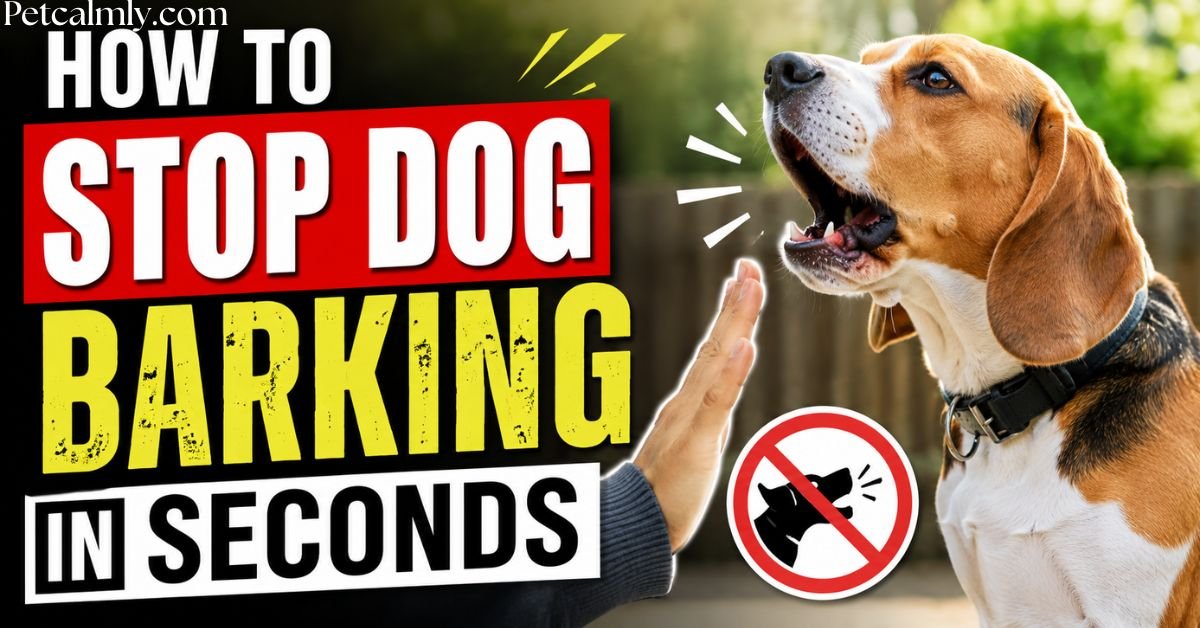
To stop dog barking quickly, stay calm, avoid yelling, and interrupt the behavior with a clear cue like “quiet” or a distraction such as a treat, toy, or sound. Reward silence immediately. Most dogs bark because of excitement, fear, boredom, attention-seeking, or alert behavior, so identifying the trigger is the fastest long-term solution.
Why Dogs Bark So Much
A barking dog can turn a peaceful evening into a stressful situation within minutes. Many owners feel embarrassed when their dog barks at visitors, neighbors, delivery drivers, or random noises outside the window.
The good news is that barking is normal dog communication. Your dog is not trying to annoy you. In many cases, they are reacting to excitement, stress, frustration, fear, or simply habit.
Some barking can be reduced in seconds. Other cases take consistent training and patience. This guide explains both the quick fixes and the long-term solutions that actually work without harming your dog’s trust or emotional well-being.
By the end, you will know:
- How to stop barking immediately
- Why your dog keeps barking
- What mistakes make barking worse
- How to train calm behavior properly
- When barking may signal a medical or behavioral issue
How to Stop Dog Barking Immediately
Quick Methods That Often Work Within Seconds
Different dogs respond to different interruptions. The goal is not to scare your dog into silence. It is to redirect their attention and reward calm behavior.
1. Use a Calm “Quiet” Command
Speak in a normal, firm voice.
Example:
- Dog barks at the door
- You say “Quiet”
- Wait for even 1–2 seconds of silence
- Immediately reward with praise or a treat
Dogs learn faster when silence leads to something positive.
Avoid shouting “STOP BARKING!” because many dogs think you are joining the noise.
2. Interrupt the Trigger
Sometimes removing the trigger works instantly.
Try:
- Closing curtains
- Moving your dog away from windows
- Turning on calming music
- Redirecting attention with a toy
- Asking for another command like “sit”
Many dogs calm down once the visual stimulation disappears.
3. Use High-Value Treats
A distracted dog often stops barking when something more rewarding appears.
Good options include:
- Small chicken pieces
- Cheese bits
- Freeze-dried treats
- Favorite toys
This works especially well for:
- Visitor barking
- Outdoor noises
- Excitement barking
4. Create Distance From the Trigger
If your dog is barking at another dog during walks, move farther away.
Distance lowers emotional intensity surprisingly fast. Many owners notice barking drops within seconds once the dog feels less overwhelmed.
5. Stay Relaxed Yourself
Dogs read body language extremely well.
If you become tense, angry, or loud, your dog may think:
- “Something really is wrong.”
- “My human is barking too.”
- “This situation is exciting.”
A calm owner often helps calm the dog faster.
Why Dogs Bark in the First Place
Understanding the reason behind barking is the key to stopping it permanently.
Common Causes of Barking
| Cause | What It Looks Like |
|---|---|
| Alert barking | Barking at doors, windows, strangers |
| Fear or anxiety | Nervous barking, pacing, shaking |
| Attention-seeking | Barking for food, play, or interaction |
| Boredom | Repetitive barking with excess energy |
| Separation anxiety | Barking when left alone |
| Territorial behavior | Barking at people or animals nearby |
| Excitement | Barking during play or greetings |
| Frustration | Barking when restrained or unable to reach something |
Many dogs bark for more than one reason.
A bored dog with anxiety may bark far more than a dog with only one trigger.
The Biggest Mistakes Owners Make
Sometimes owners accidentally reward barking without realizing it.
Common Barking Mistakes
Giving Attention During Barking
If your dog barks and you:
- Talk to them
- Pet them
- Pick them up
- Make eye contact
Your dog may learn barking works.
Even negative attention can reinforce the behavior.
Inconsistent Rules
One day barking at the window is allowed.
The next day it is punished.
Dogs learn faster when rules stay consistent.
Not Providing Enough Exercise
A tired dog usually barks less.
Many high-energy breeds bark excessively because they lack:
- Physical exercise
- Mental stimulation
- Structured routines
Punishing Fearful Barking
A frightened dog should not be punished for feeling scared.
Punishment can increase anxiety and worsen reactive barking over time.
Step-by-Step Training to Reduce Barking
Teaching the “Quiet” Command Properly
Step 1: Allow a Few Barks
Wait for your dog to bark naturally.
Step 2: Say “Quiet”
Use a calm voice.
Do not repeat the command over and over.
Step 3: Wait for Silence
Even 1–2 seconds counts at first.
Step 4: Reward Immediately
Use treats, praise, or affection.
Timing matters a lot here.
Step 5: Practice Daily
Short sessions work best.
Most dogs improve faster with:
- 5-minute sessions
- Multiple times daily
- Calm repetition
How to Stop Specific Types of Barking
Barking at the Door
This is extremely common.
What Helps
- Teach “place” or “sit”
- Practice fake door knocks
- Reward calm behavior
- Keep greetings low-energy
Many dogs bark because door activity feels exciting or unpredictable.
Barking at Night
Night barking may happen because of:
- Outside sounds
- Anxiety
- Lack of exercise
- Bathroom needs
- Loneliness
Quick Tips
- Evening walks
- Calm bedtime routine
- White noise machine
- Comfortable sleeping area
Avoid accidentally turning nighttime barking into a habit by immediately rushing over every time.
Barking When Left Alone
This can be more serious.
Signs of separation anxiety include:
- Destructive behavior
- Pacing
- Drooling
- Constant barking
- Panic when you leave
These dogs usually need gradual independence training rather than punishment.
Barking During Walks
Reactive barking often comes from:
- Fear
- Frustration
- Overexcitement
Helpful Approach
- Increase distance
- Reward calm attention
- Avoid forcing interactions
- Keep walks structured
Many reactive dogs improve slowly with predictable routines.
Do Bark Collars Work?
Some owners consider bark collars when barking becomes overwhelming.
Types of Bark Collars
| Type | Description |
|---|---|
| Vibration collars | Vibrate during barking |
| Sound collars | Emit tones |
| Spray collars | Release citronella spray |
| Shock collars | Deliver electric stimulation |
Many trainers recommend avoiding shock collars because they can:
- Increase fear
- Damage trust
- Worsen anxiety
- Create aggression in sensitive dogs
Positive reinforcement methods are generally safer and more effective long term.
Mental Stimulation Reduces Barking
A mentally tired dog often behaves better than a physically tired dog alone.
Great Enrichment Ideas
- Puzzle feeders
- Snuffle mats
- Frozen treats
- Training games
- Scent work
- Tug sessions
- Hide-and-seek
Even 15 minutes of brain work can noticeably reduce barking in some dogs.
Breeds That Naturally Bark More
Some breeds are simply more vocal.
Often Vocal Breeds Include:
- Beagles
- Chihuahuas
- Terriers
- German Shepherds
- Huskies
- Miniature Schnauzers
This does not mean barking cannot improve. It simply means expectations should stay realistic.
Can Anxiety Cause Excessive Barking?
Yes. Anxiety is a major cause of persistent barking.
Dogs may bark excessively when they feel:
- Unsafe
- Lonely
- Overstimulated
- Uncertain
- Frustrated
An anxious dog may also show:
- Lip licking
- Pacing
- Panting
- Trembling
- Hiding
- Destructive chewing
Helping anxious dogs usually requires patience, routine, and confidence-building rather than punishment.
Signs the Barking Is Becoming a Serious Problem
When Should You Be Concerned?
Occasional barking is normal.
You should pay closer attention if:
- Barking suddenly increases
- Your dog cannot settle down
- Barking happens all day
- Your dog seems distressed
- Aggression appears alongside barking
- Sleep patterns change
- Your dog injures themselves trying to reach triggers
Older dogs who suddenly bark excessively may sometimes develop:
- Hearing changes
- Cognitive decline
- Pain-related behaviors
A veterinarian or certified dog behavior professional may be needed in these situations.
What Should Pet Owners Do?
Practical Action Plan
Daily Routine Checklist
Provide regular walks
Use mental enrichment activities
Reward calm behavior
Keep training sessions short
Avoid yelling
Remove obvious triggers when possible
Teach “quiet” consistently
Give your dog enough rest
Dogs thrive with predictable structure.
What Not to Do
Hit or intimidate your dog
Use constant punishment
Encourage barking during play
Reward barking accidentally
Expect instant perfection
Force fearful dogs into stressful situations
Progress usually happens gradually.
Real-Life Example
A young terrier named Max barked nonstop whenever delivery drivers approached the house.
His owners originally yelled from across the room, which accidentally added more excitement to the situation.
Instead, they began:
- Closing front blinds
- Teaching “quiet”
- Rewarding silence
- Sending Max to a mat near the kitchen
Within a few weeks, barking reduced significantly. Max still alerted occasionally, but he recovered much faster.
This pattern is very common. Most dogs improve once owners stop reacting emotionally and start rewarding calm behavior consistently.
Helpful Daily Habits That Prevent Barking
Build a Calmer Environment
Dogs often bark less when their daily life feels predictable.
Helpful Habits
- Regular feeding schedule
- Consistent walks
- Quiet resting spaces
- Training routines
- Controlled greetings
- Enough sleep
Overtired dogs can become surprisingly noisy and reactive.
Indoor Changes That Help
Small home adjustments sometimes reduce barking dramatically.
Try:
- Frosted window film
- White noise
- Calming music
- Baby gates
- Crate training (when introduced positively)
- Limiting visual overstimulation
Window barking often improves quickly when dogs cannot constantly monitor outside movement.
Are Some Dogs Impossible to Train?
Usually not.
But some dogs require:
- More patience
- Professional help
- Anxiety management
- Better exercise outlets
- Slower desensitization training
Dogs with long-standing barking habits may improve gradually rather than instantly.
Even reducing barking intensity or recovery time is meaningful progress.
Frequently Asked Questions
1: How do you stop a dog from barking fast?
Use a calm interruption like “quiet,” redirect attention, and reward silence immediately. Avoid yelling because it can increase excitement.
2: Why does my dog bark at everything outside?
Dogs often bark at movement, sounds, strangers, or animals because of territorial instincts, excitement, or alert behavior.
3: Should I ignore my dog’s barking?
Sometimes ignoring attention-seeking barking helps, but fear-based or anxiety-related barking usually needs training and emotional support instead.
4: Can boredom cause excessive barking?
Yes. Dogs lacking exercise or mental stimulation often bark more because they have extra energy and frustration.
5: Is it bad to use bark collars?
Some bark collars may increase fear or anxiety, especially shock collars. Positive reinforcement training is usually safer and more effective long term.
6: When should I see a veterinarian about barking?
Seek professional help if barking suddenly increases, seems linked to pain or anxiety, happens constantly, or comes with aggression or panic behaviors.
More Information About Pets, Please Visit Our Website: Should I Be Worried If My Dog Is Shaking?
How to Calm Down a Hyper Dog at Night
Conclusion
Learning how to stop dog barking in seconds starts with understanding why your dog is barking in the first place.
Quick interruptions, calm training, and rewarding silence can work surprisingly well. Still, lasting improvement usually comes from consistency, patience, exercise, and emotional support.
Most dogs are not trying to be difficult. They are communicating something important excitement, stress, boredom, fear, or alertness.
When owners respond calmly and consistently, barking often becomes much more manageable over time.