Short direct answer
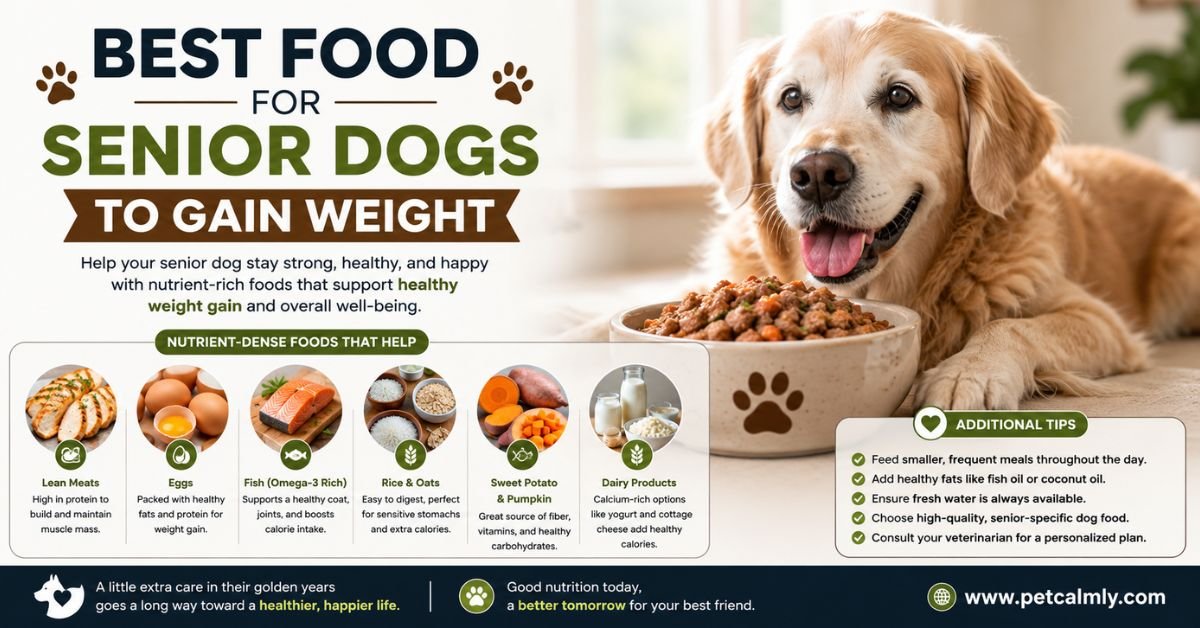
If your older dog is losing weight, the best food is one that provides high-quality animal protein, healthy fats, easy-to-digest ingredients, and enough calories without upsetting the digestive system. Senior dogs often lose weight because of reduced appetite, dental pain, underlying health conditions, or age-related muscle loss. Choosing a nutrient-dense senior dog food, feeding smaller meals more often, and working with your veterinarian when weight loss is unexpected can help your dog regain weight safely while supporting overall health.
Introduction
Watching an older dog become thinner can be worrying. Maybe you can feel their ribs more than before, or perhaps they seem less interested in meals they once loved. Weight loss is common in senior dogs, but it should never be ignored.
As dogs age, their nutritional needs change. Some become less active and need fewer calories, while others struggle to maintain muscle despite eating normally. Dental disease, digestive issues, arthritis, kidney disease, cancer, and reduced sense of smell can all affect appetite and body condition.
The good news is that many senior dogs can regain healthy weight with the right nutrition, feeding routine, and veterinary guidance. The goal isn’t simply to add body fat it’s to rebuild lean muscle, improve energy levels, support immune health, and help your dog enjoy their golden years comfortably.
In this guide, you’ll learn:
- Why senior dogs lose weight
- What nutrients matter most
- How to choose the best food for senior dogs to gain weight
- Foods to avoid
- Safe feeding tips
- Common mistakes owners make
- When weight loss needs immediate veterinary attention
Whether your senior dog has become slightly underweight or is recovering from illness, this guide will help you make informed feeding decisions.
Why Do Senior Dogs Lose Weight?
Weight loss in older dogs isn’t always caused by eating less. Aging affects nearly every body system, making it harder for some dogs to maintain muscle and body condition.
Some of the most common reasons include:
- Reduced appetite
- Loss of smell or taste
- Dental pain
- Arthritis that makes reaching the food bowl uncomfortable
- Digestive disorders
- Kidney disease
- Liver disease
- Heart disease
- Diabetes
- Cancer
- Increased calorie needs due to chronic illness
- Age-related muscle loss (sarcopenia)
Even active, healthy senior dogs may gradually lose muscle mass as they age.
That’s why simply feeding more food isn’t always the answer. The quality of calories matters just as much as the quantity.
Signs Your Senior Dog May Need to Gain Weight
Sometimes weight loss happens so gradually that owners don’t notice until their dog looks noticeably thinner.
Look for these signs:
- Visible ribs
- Prominent spine
- Hip bones becoming easier to see
- Loss of muscle around the shoulders and thighs
- Loose skin over a thinner body
- Reduced stamina
- Weakness
- Dull coat
- Poor recovery after exercise
If your dog’s weight loss is sudden, unexplained, or accompanied by vomiting, diarrhea, coughing, excessive drinking, or behavior changes, schedule a veterinary examination as soon as possible.
How Can You Tell if Your Senior Dog Is Underweight?
Veterinarians use a Body Condition Score (BCS) to evaluate whether a dog is too thin, ideal, or overweight.
| Body Condition | What You Notice |
|---|---|
| Underweight | Ribs, spine, and hips are very visible with little fat covering. |
| Ideal | Ribs can be felt easily but are not obvious. Waist is visible from above. |
| Overweight | Difficult to feel ribs. Little waist definition. |
| Obese | Thick fat deposits over ribs, back, and tail base. |
A simple way to check at home is to gently run your hands along your dog’s sides. You should be able to feel the ribs without pressing hard, but they shouldn’t stick out prominently.
What Makes the Best Food for Senior Dogs to Gain Weight?
Not every high-calorie dog food is suitable for older dogs. Seniors need balanced nutrition that’s easy to digest while supporting aging joints, muscles, and organs.
The best foods typically include:
- High-quality animal protein
- Moderate to higher healthy fat content
- Easily digestible carbohydrates
- Omega-3 fatty acids
- Vitamins and minerals
- Joint-support ingredients
- Appropriate calorie density
Let’s look at each one more closely.
High-Quality Protein Helps Rebuild Muscle
One of the biggest misconceptions is that older dogs need very little protein.
Healthy senior dogs actually benefit from highly digestible protein because it helps maintain lean muscle mass, supports the immune system, and aids recovery after illness.
Look for foods where real meat appears as the first ingredient, such as:
- Chicken
- Turkey
- Beef
- Lamb
- Salmon
- Duck
Excellent protein sources provide essential amino acids that aging muscles need.
Dogs losing weight often lose muscle before body fat, making protein one of the most important nutrients in the diet.
Healthy Fats Provide Safe Extra Calories
Fat contains more than twice the calories per gram compared to protein or carbohydrates.
Healthy fat sources include:
- Chicken fat
- Salmon oil
- Fish oil
- Flaxseed
- Sunflower oil
These ingredients increase calorie intake without requiring your dog to eat dramatically larger meals.
Omega-3 fatty acids found in fish oils may also help support:
- Brain health
- Joint mobility
- Skin condition
- Coat quality
- Heart health
Easy-to-Digest Ingredients Reduce Digestive Stress
Older digestive systems may become less efficient over time.
Foods made with highly digestible ingredients allow your dog to absorb more nutrients from every bite.
Examples include:
- Brown rice
- Oatmeal
- Sweet potatoes
- Pumpkin
- Barley
Digestible diets may also reduce stomach upset and improve stool quality.
Joint Support Is an Added Bonus
Many senior dogs struggle with arthritis while also losing weight.
Some senior formulas include ingredients like:
- Glucosamine
- Chondroitin
- Green-lipped mussel
- Omega-3 fatty acids
Although these aren’t weight-gain ingredients, they can improve mobility. Dogs that move more comfortably often regain appetite and maintain better muscle mass through regular activity.
Calorie Density Matters More Than Bowl Size
A larger bowl doesn’t always mean more nutrition.
Calorie-dense foods allow your dog to consume more energy without eating huge portions.
This is especially useful for dogs that:
- Tire quickly while eating
- Have poor appetite
- Eat slowly
- Become full easily
Small increases in calorie density are usually easier on older digestive systems than dramatically increasing meal volume.
Ingredients to Look for in Senior Weight-Gain Dog Food
Reading ingredient labels becomes much easier once you know what matters most.
Prioritize foods containing:
Animal Protein
Examples include:
- Chicken
- Turkey
- Beef
- Salmon
- Lamb
Healthy Fats
Look for:
- Chicken fat
- Fish oil
- Salmon oil
Digestible Carbohydrates
Good choices include:
- Brown rice
- Oats
- Sweet potato
- Pumpkin
Fiber Sources
Moderate fiber supports digestive health without making your dog feel overly full.
Helpful ingredients include:
- Beet pulp
- Pumpkin
- Apples
- Oats
Antioxidants
Senior immune systems benefit from antioxidant-rich ingredients such as:
- Blueberries
- Cranberries
- Carrots
- Spinach
These nutrients help protect cells from normal aging-related damage.
Ingredients That May Not Be Ideal for Underweight Senior Dogs
Some foods marketed as “healthy” may not provide enough calories for an older dog trying to gain weight.
Be cautious with diets that contain:
- Excessively high fiber
- Very low fat
- Large amounts of fillers
- Numerous artificial colors
- Poor-quality meat by-products
- Unnecessary sugar additives
High-fiber weight-management formulas are usually designed for overweight dogs not seniors needing extra calories.
Dry Food vs. Wet Food for Senior Dogs Trying to Gain Weight
Many owners wonder whether kibble or canned food is better.
The answer depends on your dog’s health, appetite, and chewing ability.
| Dry Food | Wet Food |
|---|---|
| More calorie-dense by volume | Higher moisture content |
| Better for grazing | Easier to chew |
| Often more economical | Stronger aroma encourages eating |
| Supports some dental abrasion | Helpful for dogs with dental pain |
Some owners successfully combine both to increase flavor while maintaining calorie intake.
If your senior dog has poor teeth or reduced appetite, warming wet food slightly before serving can make it smell more appealing.
Should You Feed Senior Dogs More Often?
Instead of offering one or two large meals, many veterinarians recommend dividing daily food into three or four smaller meals for underweight senior dogs.
Smaller meals can:
- Improve digestion
- Reduce stomach discomfort
- Encourage reluctant eaters
- Increase total daily calorie intake
- Maintain steadier energy levels
This approach is especially helpful for dogs that lose interest before finishing a large meal.
Best Commercial Dog Food for Senior Dogs to Gain Weight
Finding the right food for an older dog isn’t about choosing the product with the highest calorie count. The best option combines high-quality protein, digestible ingredients, healthy fats, and balanced nutrition appropriate for your dog’s age and health.
Here are the types of commercial foods that often work well for underweight senior dogs.
High-Protein Senior Dog Food
Senior dogs naturally lose muscle as they age, so protein should be a priority rather than something to avoid unless your veterinarian recommends a restricted diet for a specific medical condition.
Look for foods that include:
- Real chicken, turkey, beef, lamb, or salmon as the first ingredient
- At least moderate protein levels
- Named animal fats instead of generic fat sources
- Added omega-3 fatty acids
- Vitamins and minerals for aging dogs
High-quality protein helps rebuild lean muscle instead of simply adding body fat.
Performance or High-Calorie Adult Foods
Some healthy senior dogs that struggle to keep weight on may benefit from carefully transitioning to a calorie-dense adult formula instead of a standard senior recipe.
These diets usually contain:
- More calories per cup
- Higher fat levels
- Increased protein
- Better support for active or recovering dogs
However, dogs with kidney disease, pancreatitis, heart disease, or certain digestive disorders should only change diets under veterinary guidance.
Easily Digestible Sensitive Stomach Formulas
If your senior dog frequently experiences diarrhea, vomiting, or poor digestion, nutrient absorption may be contributing to weight loss.
Digestible diets often include:
- Chicken or salmon
- Rice or oatmeal
- Prebiotic fiber
- Probiotics
- Limited ingredients
When digestion improves, healthy weight gain often follows naturally.
Is Wet Food Better for Weight Gain?
For many older dogs, canned food offers several advantages.
It can be especially helpful if your dog has:
- Missing teeth
- Gum disease
- Reduced appetite
- Difficulty chewing dry kibble
- Decreased sense of smell
Because canned food has a stronger aroma, it often encourages reluctant eaters to finish meals.
One effective strategy is mixing wet food with dry kibble to improve flavor while maintaining calorie intake.
Healthy Foods You Can Add to Your Senior Dog’s Meals
Some whole foods can safely increase calories and nutrition when fed in moderation.
Always introduce new foods gradually to avoid digestive upset.
Cooked Chicken
Plain, skinless cooked chicken provides:
- Highly digestible protein
- Essential amino acids
- Excellent flavor
Avoid seasoning, onions, garlic, and excessive oils.
Lean Ground Beef
Cooked lean beef can help dogs needing additional calories and protein.
Drain excess grease before serving.
Eggs
Cooked eggs are rich in:
- Protein
- Healthy fats
- Vitamins
- Minerals
Scrambled or boiled eggs without butter or seasoning make excellent meal toppers.
Salmon
Cooked salmon supplies:
- High-quality protein
- Omega-3 fatty acids
- Healthy calories
Never feed raw salmon because it can carry harmful parasites.
Pumpkin
Plain pumpkin supports digestion while adding:
- Fiber
- Vitamins
- Moisture
It isn’t especially calorie-dense but may improve digestive health in older dogs.
Sweet Potatoes
Cooked sweet potatoes provide:
- Easily digested carbohydrates
- Fiber
- Vitamin A
- Energy
Serve plain without butter or sugar.
Cottage Cheese
Some dogs tolerate small amounts of low-fat cottage cheese well.
It offers:
- Protein
- Calcium
- Appealing texture
Avoid if dairy causes digestive upset.
High-Calorie Dog Food Toppers That Encourage Eating
Sometimes appetite is the biggest challenge.
Healthy toppers can make meals much more appealing.
Options include:
- Warm low-sodium bone broth made specifically for dogs
- Plain cooked turkey
- Shredded chicken
- Small amounts of canned pumpkin
- Plain canned sardines packed in water
- Cooked salmon flakes
Avoid broths containing onions, garlic, or excessive sodium.
Foods You Should Never Use to Help a Dog Gain Weight
Owners naturally want to help, but some calorie-rich human foods are dangerous.
Avoid feeding:
- Chocolate
- Grapes
- Raisins
- Onions
- Garlic
- Macadamia nuts
- Alcohol
- Xylitol-containing products
- Excessively fatty table scraps
- Fried foods
- Cooked bones
These foods can cause anything from digestive upset to life-threatening poisoning.
Feeding Schedule for Healthy Weight Gain
Consistency matters more than dramatically increasing portion sizes overnight.
A gradual approach allows your dog’s digestive system to adjust.
Example Daily Feeding Schedule
| Time | Meal |
|---|---|
| 7:00 AM | Breakfast |
| 11:00 AM | Small nutritious snack |
| 3:00 PM | Lunch |
| 7:00 PM | Dinner |
| Before bedtime (if recommended) | Small protein-rich snack |
Frequent smaller meals often work better than one or two large meals, especially for dogs with reduced appetites.
How Much Should You Increase Food?
Many owners make the mistake of doubling portions immediately.
Instead:
- Record your dog’s current weight.
- Increase calories gradually by about 10–15%.
- Monitor weight weekly.
- Adjust portions based on progress.
- Maintain regular veterinary checkups.
Rapid dietary changes can cause diarrhea, vomiting, or food refusal.
How Long Does It Take a Senior Dog to Gain Weight?
Every dog is different.
The timeline depends on factors such as:
- Age
- Underlying medical conditions
- Appetite
- Activity level
- Muscle loss
- Diet quality
If no medical problems are present, many dogs begin showing gradual improvement within several weeks after switching to a more calorie-dense, protein-rich diet.
Healthy weight gain should be slow and steady rather than rapid.
5 Common Mistakes Owners Make
Helping an older dog gain weight requires more than simply offering extra food.
Here are common mistakes to avoid.
1: Feeding Too Many Treats
Treats should make up only a small portion of daily calories.
Too many treats can lead to nutritional imbalance and poor eating habits.
2: Ignoring Dental Problems
A dog with painful teeth may appear picky when they’re actually uncomfortable.
Signs include:
- Dropping food
- Chewing on one side
- Bad breath
- Pawing at the mouth
- Bleeding gums
Dental treatment often improves appetite significantly.
3: Switching Foods Too Quickly
Changing diets suddenly may cause:
- Vomiting
- Diarrhea
- Gas
- Reduced appetite
Transition gradually over about one week by mixing increasing amounts of the new food with the old.
4: Assuming Weight Loss Is Just Old Age
While aging changes body composition, unexplained weight loss is not considered a normal part of growing older.
Persistent weight loss deserves veterinary evaluation.
5: Choosing Low-Fat Diets Without a Medical Reason
Many owners mistakenly purchase “light” or “weight management” foods.
These formulas are designed for overweight dogs and may not provide enough calories for seniors needing to gain weight.
Special Considerations for Senior Dogs With Health Conditions
Not every underweight senior dog should eat the same diet.
Certain medical conditions require special nutritional management.
Kidney Disease
Dogs with kidney disease often need prescription diets that balance:
- Protein quality
- Phosphorus
- Sodium
- Calories
Never switch to a high-protein diet without veterinary advice if kidney disease has been diagnosed.
Diabetes
Senior diabetic dogs need consistent meals and carefully balanced carbohydrates.
Weight gain should always be managed alongside blood sugar control.
Heart Disease
Dogs with heart disease may require:
- Controlled sodium intake
- Healthy protein
- Moderate calories
Always follow your veterinarian’s recommendations.
Pancreatitis
Dogs with pancreatitis generally require lower-fat diets, even if they are underweight.
High-fat foods can trigger another painful episode.
Cancer Recovery
Dogs recovering from cancer treatment often benefit from highly digestible, calorie-dense nutrition.
Your veterinarian may recommend therapeutic diets tailored to your dog’s condition.
Practical Checklist for Helping a Senior Dog Gain Weight
Use this simple checklist to stay on track:
✅ Weigh your dog every one to two weeks.
✅ Keep a feeding journal.
✅ Feed measured portions.
✅ Offer three to four smaller meals daily.
✅ Choose foods with high-quality animal protein.
✅ Include healthy fats in appropriate amounts.
✅ Encourage gentle daily exercise to maintain muscle.
✅ Provide constant access to fresh water.
✅ Schedule routine veterinary examinations.
When Should You Worry About Weight Loss in a Senior Dog?
Some gradual changes in body shape can happen as dogs age, but noticeable or unexplained weight loss should never be dismissed as “just getting old.” In many cases, it can be the first visible sign of an underlying health problem.
Contact your veterinarian promptly if your senior dog:
- Loses weight despite eating normally
- Refuses food for more than 24 hours (or sooner if they have an existing medical condition)
- Vomits repeatedly
- Has persistent diarrhea
- Drinks or urinates much more than usual
- Develops a swollen abdomen
- Seems unusually tired or weak
- Has trouble breathing
- Shows signs of pain while eating or chewing
- Has blood in their stool or vomit
- Experiences rapid or significant weight loss over a few weeks
Early diagnosis often leads to more treatment options and better outcomes. Even if the cause turns out to be something minor, it’s always safer to investigate unexpected weight loss than to wait and see.
What Should Pet Owners Do If Their Senior Dog Is Losing Weight?
If your dog’s ribs are becoming more noticeable or the number on the scale keeps dropping, avoid making major diet changes without understanding why.
A practical plan looks like this:
1. Schedule a Veterinary Checkup
Your veterinarian may recommend:
- A physical examination
- Weight and body condition scoring
- Blood tests
- Urinalysis
- Fecal testing
- Dental examination
- Imaging, if needed
These tests help identify common age-related conditions before they become more serious.
2. Monitor Weight at Home
Use the same scale every one to two weeks and record:
- Body weight
- Appetite
- Energy level
- Water intake
- Stool quality
- Any vomiting or coughing
Keeping notes helps you spot trends and gives your veterinarian valuable information.
3. Review the Current Diet
Ask yourself:
- Is the food designed for senior dogs?
- Is the portion measured accurately?
- Has my dog’s activity level changed?
- Does my dog leave food behind?
- Has the food recently changed?
- Are treats replacing balanced meals?
Sometimes a small adjustment in diet quality or feeding routine makes a noticeable difference.
4. Encourage Gentle Exercise
It may seem surprising, but appropriate exercise helps many underweight senior dogs.
Gentle activity can:
- Maintain muscle mass
- Improve appetite
- Support joint flexibility
- Boost mental stimulation
- Improve overall quality of life
Good options include:
- Short walks
- Slow sniffing walks
- Light indoor games
- Swimming (if approved by your veterinarian)
- Gentle mobility exercises
Avoid intense exercise if your dog is weak, recovering from illness, or has heart or respiratory problems.
Homemade vs. Commercial Food: Which Is Better for Weight Gain?
Many pet owners wonder whether preparing meals at home is healthier than buying commercial food.
The answer depends on your dog’s needs and whether the homemade diet is nutritionally complete.
| Homemade Diet | Commercial Diet |
|---|---|
| Fresh ingredients | Complete and balanced nutrition |
| Can be highly appealing | Convenient and consistent |
| Easy to customize | Nutritionally tested |
| Requires careful planning | Available for specific health conditions |
| Risk of nutrient deficiencies if unbalanced | Easier to monitor calorie intake |
For most families, a high-quality commercial food provides the safest nutritional foundation. If you’d like to prepare homemade meals regularly, work with your veterinarian or a board-certified veterinary nutritionist to ensure your dog receives the right balance of protein, fats, vitamins, and minerals.
Tips for Encouraging a Picky Senior Dog to Eat
Loss of appetite is common in older dogs, especially if their sense of smell has declined or eating has become uncomfortable.
Try these simple strategies:
- Warm wet food slightly to enhance its aroma.
- Feed meals in a quiet, low-stress area.
- Stick to a consistent feeding schedule.
- Use shallow bowls if bending is difficult.
- Raise the food bowl for dogs with arthritis, if recommended by your veterinarian.
- Add a small amount of dog-safe bone broth or cooked lean meat as a topper.
- Remove uneaten food after 20–30 minutes to encourage regular meal times.
Avoid constantly changing foods to tempt your dog. Frequent diet changes can upset the digestive system and create picky eating habits.
Safe Weight Gain Takes Patience
Many owners hope to see rapid improvements, but healthy weight gain is a gradual process.
The goal isn’t simply to make your dog heavier. Instead, focus on:
- Building lean muscle
- Supporting healthy digestion
- Maintaining energy levels
- Preserving mobility
- Improving overall body condition
Slow, steady progress is healthier than rapid weight gain, which may put unnecessary stress on aging joints and organs.
Frequently Asked Questions
1: What is the best food for senior dogs to gain weight?
The best food for senior dogs to gain weight is one that contains highly digestible animal protein, healthy fats, and balanced calories. Foods made with real chicken, beef, turkey, lamb, or salmon and formulated for complete nutrition can help support healthy weight gain and maintain muscle mass.
2: How can I help my old dog gain weight naturally?
Feed nutrient-rich meals in smaller portions throughout the day, add veterinarian-approved healthy toppers like cooked chicken or eggs, ensure your dog stays active with gentle exercise, and address any medical or dental issues that may reduce appetite.
3: Is wet food better than dry food for older dogs?
Wet food can be a great option for senior dogs with dental disease or poor appetite because it’s softer and has a stronger aroma. Many owners successfully combine wet and dry food to increase both palatability and calorie intake.
4: Should I feed my senior dog more often?
Yes. Three to four smaller meals each day are often easier for senior dogs to digest than one or two large meals. Frequent meals can also help increase total daily calorie intake without overwhelming the digestive system.
5: Why is my senior dog losing weight even though they eat well?
Weight loss despite a normal appetite may indicate an underlying health condition such as dental disease, diabetes, digestive disorders, thyroid problems, kidney disease, or cancer. A veterinary examination is important to determine the cause.
6: Can eggs help a senior dog gain weight?
Cooked eggs can be a nutritious addition to a balanced diet because they provide high-quality protein and healthy fats. However, they should be fed in moderation and should not replace a complete and balanced dog food.
More Information About Pets, Please Visit Our Website: Best Probiotics for Dogs with Yeast Infection
Signs Your Dog Is Dehydrated
Conclusion
Finding the best food for senior dogs to gain weight starts with understanding why your dog is losing weight in the first place. While aging naturally changes metabolism and muscle mass, unexplained weight loss is never something to ignore.
The most effective diet for an underweight senior dog combines high-quality animal protein, healthy fats, digestible carbohydrates, and balanced vitamins and minerals. Pairing the right food with regular weight checks, a consistent feeding schedule, and appropriate veterinary care gives your dog the best chance to regain strength safely.
Remember that every senior dog is unique. Factors such as breed, activity level, dental health, and medical conditions all influence nutritional needs. Rather than chasing rapid weight gain, focus on steady improvement, lean muscle maintenance, and overall well-being.
With patience, thoughtful nutrition, and close attention to your dog’s changing needs, you can help them stay comfortable, active, and enjoy their golden years with the healthy body condition they deserve.