Short direct answer
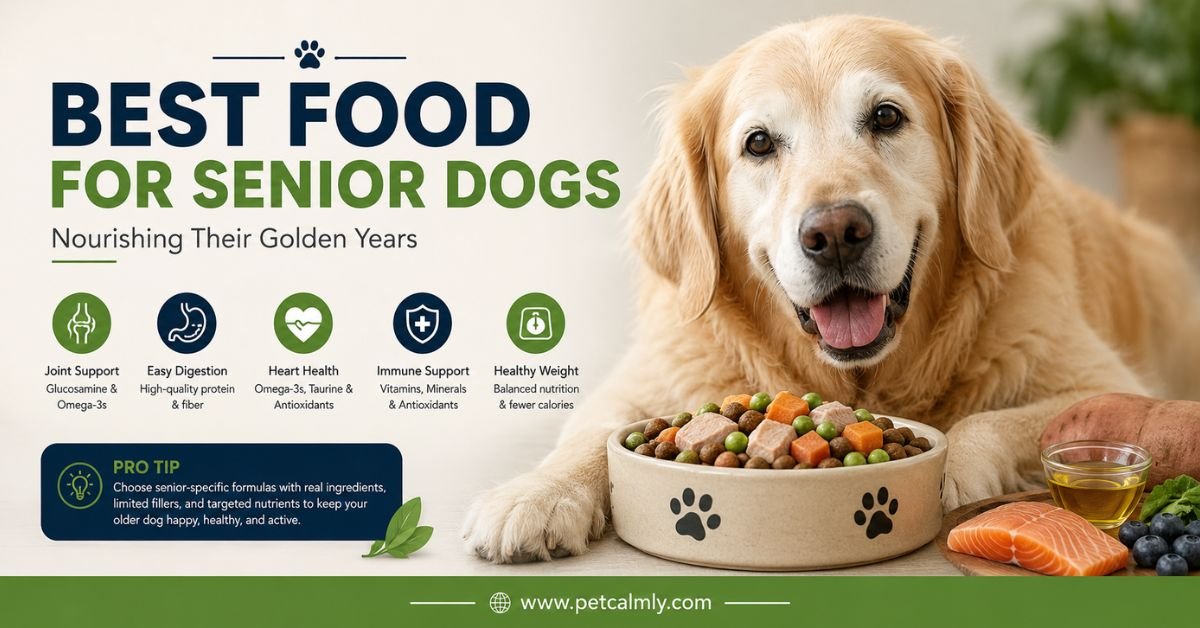
The best food for senior dogs is a complete and balanced diet made with high-quality animal protein, moderate healthy fats, digestible carbohydrates, fiber, vitamins, minerals, and nutrients that support aging joints, muscles, digestion, brain health, and immune function. The ideal choice depends on your dog’s age, breed, activity level, body condition, dental health, and any medical conditions. A healthy senior diet should help maintain lean muscle, prevent unnecessary weight gain, and keep your dog comfortable and active as they age.
Introduction
Watching your dog grow older can bring mixed emotions. The playful puppy that once chased every ball in the yard may now enjoy slower walks, longer naps, and quieter evenings by your side. Aging is a natural part of life, but nutrition becomes more important than ever during these years.
Many owners assume that buying any bag labeled “Senior” is enough. In reality, not every senior dog has the same nutritional needs. An active nine-year-old Border Collie has different dietary requirements than a twelve-year-old Pug with arthritis or an older Labrador carrying extra weight.
Choosing the right food isn’t about finding the most expensive brand it’s about understanding what your dog’s body needs as it changes. The right diet can help support healthy muscles, comfortable joints, better digestion, improved energy, healthier skin and coat, and a stronger immune system.
In this guide, you’ll learn exactly what to look for in senior dog food, which ingredients matter most, common mistakes to avoid, and practical feeding tips that can help your aging companion enjoy a healthier, happier life.
What Is the Best Food for Senior Dogs?
There isn’t a single food that’s perfect for every older dog. Instead, the best choice is one that matches your dog’s individual health, lifestyle, and nutritional needs.
Generally, the best senior dog food includes:
- High-quality animal protein as the first ingredient
- Easily digestible ingredients
- Moderate calorie content
- Healthy fats, including omega-3 fatty acids
- Fiber for digestive health
- Vitamins and minerals that support immunity
- Joint-supporting nutrients when appropriate
- Complete and balanced nutrition that meets recognized nutritional standards
Rather than focusing on flashy marketing claims, look closely at the ingredient list and guaranteed analysis.
A Good Senior Dog Food Should Support
- Lean muscle maintenance
- Healthy body weight
- Joint flexibility
- Brain function
- Heart health
- Digestive comfort
- Healthy skin and coat
- Strong immune defenses
As dogs age, even small nutritional improvements can make daily life more comfortable. Better digestion, easier movement, and healthier body weight often begin with choosing an appropriate diet.
Does Every Older Dog Need Senior Dog Food?
Not necessarily.
Some healthy senior dogs continue doing well on a high-quality adult maintenance diet, especially if they’re active and maintain an ideal body condition.
Others benefit from switching to a senior-specific formula because they have:
- Reduced activity
- Weight gain
- Joint stiffness
- Dental problems
- Digestive sensitivity
- Lower calorie needs
- Chronic health conditions managed under veterinary guidance
Instead of switching based only on age, consider your dog’s overall health and discuss any major dietary changes with your veterinarian, especially if your dog has kidney disease, heart disease, diabetes, food allergies, or other medical conditions.
When Is a Dog Considered a Senior?
The answer depends largely on size.
| Dog Size | Typical Senior Age |
|---|---|
| Small breeds | Around 10–12 years |
| Medium breeds | Around 8–10 years |
| Large breeds | Around 7–8 years |
| Giant breeds | Around 5–7 years |
Large and giant breeds generally age faster than smaller dogs, which is why they often benefit from nutritional adjustments earlier in life.
Remember, these are general guidelines. Your dog’s overall health matters more than the number on the calendar.
Why Senior Dogs Have Different Nutritional Needs
Growing older affects nearly every system in a dog’s body. Even healthy dogs experience gradual changes that influence how they digest food, use energy, and maintain muscle.
Understanding these changes makes it easier to choose the right diet.
Slower Metabolism
Older dogs usually burn fewer calories because they become less active.
If they continue eating the same amount of food they ate as adults, they may gradually gain weight.
Extra weight can contribute to:
- Arthritis discomfort
- Heart strain
- Reduced mobility
- Diabetes risk
- Decreased stamina
This is why many senior diets contain fewer calories while still providing complete nutrition.
Loss of Lean Muscle
One of the biggest changes in aging dogs is the gradual loss of muscle mass.
Without enough high-quality protein, senior dogs may lose strength more quickly.
Healthy muscles help support:
- Balance
- Walking
- Climbing stairs
- Joint stability
- Recovery after exercise
Contrary to older myths, many healthy senior dogs actually benefit from adequate, highly digestible protein unless a veterinarian recommends otherwise due to a specific medical condition.
Digestive Changes
As dogs age, digestion may become less efficient.
Some senior dogs develop:
- Sensitive stomachs
- Constipation
- Reduced appetite
- Gas
- Difficulty digesting rich foods
Foods containing digestible proteins, moderate fiber, and appropriate moisture can often improve digestive comfort.
Joint Wear and Reduced Mobility
Years of running, jumping, and climbing naturally wear on joints.
Many senior dogs begin showing signs like:
- Stiffness after resting
- Slower walks
- Reluctance to jump
- Trouble climbing stairs
- Reduced enthusiasm for exercise
While food cannot reverse arthritis, proper nutrition can help maintain a healthy body weight and provide nutrients that support joint function.
Dental Changes
Many older dogs develop:
- Worn teeth
- Gum disease
- Missing teeth
- Pain while chewing
These issues may make crunchy kibble difficult to eat.
Some dogs do better with:
- Softened kibble
- Wet food
- Mixed feeding
- Smaller kibble pieces
If your dog suddenly refuses dry food, schedule a dental examination rather than assuming they’re simply becoming picky.
Changes in Sense of Smell and Taste
Just like people, older dogs may lose some sensitivity to smells and flavors.
Food may become less appealing, causing reduced appetite.
Simple changes can help:
- Slightly warming wet food
- Adding warm water to kibble
- Offering fresh meals
- Feeding smaller portions more frequently
Essential Nutrients Every Senior Dog Needs
Aging dogs require balanced nutrition not simply less food.
Here’s what matters most.
1. High-Quality Protein
Protein remains one of the most important nutrients for older dogs.
It helps maintain:
- Lean muscle
- Organ function
- Immune health
- Skin
- Coat
- Tissue repair
Look for named animal proteins such as:
- Chicken
- Turkey
- Beef
- Lamb
- Salmon
- Whitefish
Avoid assuming lower protein is automatically healthier for senior dogs. Healthy aging often requires maintaining muscle rather than restricting protein.
2. Healthy Fats
Fat supplies concentrated energy while supporting healthy skin, brain function, and coat quality.
Healthy sources include:
- Fish oil
- Salmon oil
- Chicken fat
- Flaxseed
Moderation is important, especially for overweight dogs.
3. Omega-3 Fatty Acids
Omega-3 fatty acids may help support:
- Joint comfort
- Brain health
- Healthy skin
- Coat condition
- Heart health
Common sources include:
- Salmon
- Sardines
- Fish oil
- Algae oil
These ingredients are especially valuable for aging dogs.
4. Fiber
Fiber supports digestive health and regular bowel movements.
Appropriate fiber may also help:
- Maintain healthy weight
- Improve satiety
- Support beneficial gut bacteria
Common sources include:
- Pumpkin
- Sweet potato
- Beet pulp
- Brown rice
- Oats
5. Vitamins and Minerals
Senior dogs continue needing balanced vitamins and minerals to support:
- Bones
- Vision
- Immune function
- Metabolism
- Nerve function
Important nutrients include:
- Vitamin A
- Vitamin D
- Vitamin E
- B vitamins
- Zinc
- Selenium
- Calcium
- Phosphorus
Balance is more important than excessive supplementation.
6. Glucosamine and Chondroitin
Many senior dog foods include these ingredients to support normal joint function.
While they aren’t miracle cures, some dogs benefit when these nutrients are combined with healthy weight management, regular low-impact exercise, and veterinary care.
7. Antioxidants
Antioxidants help protect cells from oxidative stress associated with aging.
Common antioxidant-rich ingredients include:
- Blueberries
- Cranberries
- Spinach
- Carrots
- Pumpkin
These ingredients also contribute vitamins and natural plant nutrients.
8. Probiotics and Prebiotics
Digestive health often becomes more important as dogs age.
These ingredients may support:
- Healthy gut bacteria
- Improved digestion
- Better stool quality
- Immune health
Many premium senior foods now include probiotics or prebiotic fibers.
Dry Food vs. Wet Food for Senior Dogs
Many owners wonder whether kibble or canned food is the healthier option. The truth is that both can be excellent choices when they provide complete and balanced nutrition.
The better option depends on your dog’s health, appetite, dental condition, and personal preferences.
| Feature | Dry Food | Wet Food |
|---|---|---|
| Convenience | Excellent | Moderate |
| Cost | Usually lower | Usually higher |
| Moisture | Low | High |
| Chewing | Helps some dogs chew | Easier for dental issues |
| Storage | Easier | Refrigerate after opening |
| Appetite Appeal | Moderate | Usually more appealing |
Dry Food May Be Best If Your Dog
- Has healthy teeth
- Maintains a healthy weight
- Enjoys chewing
- Needs portion control
- Eats regular meals
Wet Food May Be Better If Your Dog
- Has missing teeth
- Has gum disease
- Drinks little water
- Has a reduced appetite
- Needs additional moisture in the diet
Is Mixed Feeding a Good Option?
For many senior dogs, combining wet and dry food offers the best of both worlds.
Benefits may include:
- Improved flavor
- Better hydration
- Easier chewing
- More dietary variety
If you mix foods, adjust portion sizes to avoid overfeeding.
How to Choose the Best Food for Your Senior Dog
The dog food aisle can feel overwhelming, with dozens of bags promising healthier joints, shinier coats, and longer lives. Instead of relying on marketing claims, focus on what truly matters for your dog’s individual needs.
Start With Your Dog’s Overall Health
Before changing foods, think about your dog’s current condition.
Ask yourself:
- Is my dog maintaining a healthy weight?
- Does my dog have good muscle tone?
- Is mobility becoming more difficult?
- Has appetite changed?
- Are there digestive problems?
- Are there dental issues that affect chewing?
The answers will help narrow your choices.
Read the Ingredient List Carefully
A quality senior dog food should begin with a named animal protein rather than vague terms like “meat by-products” or excessive fillers.
Look for recipes that include:
- Chicken, turkey, salmon, lamb, or beef as the first ingredient
- Whole grains or digestible carbohydrates, if tolerated
- Fruits and vegetables for natural nutrients
- Healthy fat sources
- Clearly identified ingredients
Remember that the ingredient list tells you what is in the food, while the guaranteed analysis helps explain the nutrient levels.
Match Calories to Activity Level
Not every senior dog is sedentary. Some remain active well into their later years, while others slow down significantly.
Choose a food that aligns with your dog’s:
- Daily exercise
- Body condition
- Muscle mass
- Metabolism
An overweight senior often benefits more from controlled calorie intake than simply eating less of a nutrient-rich food.
Choosing the Right Senior Dog Food for Different Needs
Not every senior dog has the same nutritional requirements. Age is only one piece of the puzzle. Breed, body size, activity level, medical history, dental health, and lifestyle all influence what makes a food the right choice.
In this section, we’ll explore the ingredients that deserve a place in your senior dog’s bowl, those that are better left out, and how to choose a diet based on your dog’s unique needs.
Best Ingredients to Look for in Senior Dog Food
Reading the ingredient label can feel overwhelming, but focusing on a few key components makes it much easier to identify a quality food.
High-Quality Animal Protein
Protein is essential throughout a dog’s life, but it’s especially important during the senior years. As dogs age, they naturally lose muscle mass. Adequate protein helps slow this process and supports strength, mobility, and overall health.
Look for foods that list a named animal protein first, such as:
- Chicken
- Turkey
- Beef
- Lamb
- Salmon
- Whitefish
- Duck
Named protein sources are generally more transparent than vague ingredients like “meat meal” or “animal by-products.”
Fish Oil and Omega-3 Fatty Acids
Fish oil is one of the most beneficial additions to many senior dog diets.
Omega-3 fatty acids can support:
- Joint comfort
- Brain function
- Healthy skin
- A glossy coat
- Heart health
Good ingredient sources include:
- Salmon oil
- Menhaden fish oil
- Sardines
- Anchovies
- Algae oil
Easily Digestible Carbohydrates
Carbohydrates provide energy, but digestibility matters more than simply avoiding grains.
Nutritious carbohydrate sources include:
- Brown rice
- Oats
- Sweet potatoes
- Pumpkin
- Barley
- Quinoa
Many senior dogs digest these ingredients well when included in balanced amounts.
Fruits and Vegetables
Plant ingredients provide natural vitamins, minerals, antioxidants, and fiber.
Helpful additions include:
- Blueberries
- Carrots
- Pumpkin
- Spinach
- Apples (without seeds)
- Cranberries
These ingredients help round out a complete diet rather than replacing animal protein.
Fiber Sources
Older dogs may experience constipation or slower digestion.
Moderate fiber can support:
- Regular bowel movements
- Gut health
- Healthy weight management
- Better stool quality
Common fiber ingredients include:
- Beet pulp
- Pumpkin
- Psyllium
- Oat fiber
- Chicory root
Joint-Supporting Nutrients
Many premium senior diets include ingredients designed to support normal joint function.
Look for:
- Glucosamine
- Chondroitin sulfate
- Green-lipped mussel
- MSM (methylsulfonylmethane)
These ingredients work best alongside weight management and regular, gentle exercise.
Natural Antioxidants
As dogs age, antioxidants help protect cells from everyday oxidative stress.
Nutritious sources include:
- Blueberries
- Cranberries
- Vitamin E
- Vitamin C
- Mixed tocopherols
Prebiotics and Probiotics
Digestive health influences much more than the stomach.
Healthy gut bacteria contribute to:
- Nutrient absorption
- Immune function
- Stool quality
- Digestive comfort
Foods containing probiotics or prebiotic fibers can benefit many older dogs, particularly those with sensitive digestion.
Ingredients That May Not Be Ideal for Senior Dogs
No single ingredient automatically makes a food bad, but some deserve closer attention.
Excessive Calories
Many senior dogs become less active.
Foods that are extremely calorie-dense can contribute to:
- Obesity
- Arthritis discomfort
- Reduced mobility
Choose calorie levels appropriate for your dog’s lifestyle.
Excessive Fat
Healthy fats are beneficial, but overly rich diets may not suit:
- Overweight dogs
- Dogs with pancreatitis history
- Dogs needing weight control
Moderation is key.
Artificial Colors
Artificial food coloring provides no nutritional value.
Many owners prefer foods that avoid unnecessary color additives.
Excessive Sodium
Most healthy dogs tolerate normal sodium levels found in balanced diets.
However, dogs with certain heart conditions may require veterinary guidance regarding sodium intake.
Never switch to a low-sodium diet without professional advice.
Too Many Treat-Like Ingredients
Some foods rely heavily on rich gravies, added sugars, or flavor enhancers to improve palatability.
Treats have their place, but everyday meals should prioritize balanced nutrition.
Best Food for Small Senior Dogs
Small breeds often live longer than large breeds, meaning they may spend several years as seniors.
Common senior small breeds include:
- Chihuahua
- Yorkshire Terrier
- Maltese
- Pomeranian
- Shih Tzu
- Miniature Poodle
Nutritional Priorities
Small senior dogs often benefit from:
- Smaller kibble
- Easily digestible protein
- Moderate calories
- Dental-friendly textures
- Omega-3 fatty acids
- Joint support
Because they have fast metabolisms but small stomachs, portion control remains important even if they seem constantly hungry.
Best Food for Medium Senior Dogs
Medium-sized breeds often balance energy with moderate aging changes.
Examples include:
- Border Collie
- Cocker Spaniel
- Australian Shepherd
- Bulldog
- Brittany
These dogs often need diets supporting:
- Muscle maintenance
- Healthy joints
- Stable body weight
- Digestive health
Activity levels vary greatly, so calorie needs should match lifestyle rather than breed alone.
Best Food for Large Senior Dogs
Large breeds age faster and place greater stress on their joints.
Examples include:
- Labrador Retriever
- Golden Retriever
- German Shepherd
- Rottweiler
- Doberman Pinscher
Important Nutritional Goals
Large senior dogs often benefit from:
- Controlled calories
- High-quality protein
- Joint-support ingredients
- Omega-3 fatty acids
- Moderate fat levels
Maintaining a healthy weight is one of the most effective ways to reduce stress on aging joints.
Best Food for Giant Senior Dogs
Giant breeds require especially thoughtful nutrition.
Examples include:
- Great Dane
- Saint Bernard
- Mastiff
- Irish Wolfhound
- Newfoundland
Because these dogs naturally age more quickly, they often become seniors around six or seven years old.
Look for foods that support:
- Joint health
- Muscle maintenance
- Controlled growth history
- Digestive health
- Heart health
Frequent body condition checks become increasingly important during the senior years.
Best Food for Overweight Senior Dogs
Weight gain is one of the most common concerns in aging dogs.
Even a few extra pounds can increase pressure on:
- Hips
- Knees
- Elbows
- Spine
Weight Management Strategies
Choose foods that provide:
- High-quality protein
- Moderate fiber
- Reduced calories
- Balanced nutrition
- Controlled fat
Avoid drastically reducing food without considering nutrient intake.
Instead, aim for gradual, sustainable weight loss under veterinary guidance when needed.
Healthy Habits That Support Weight Loss
Nutrition works best when combined with healthy daily routines.
Helpful habits include:
- Measuring meals with a measuring cup or kitchen scale
- Limiting high-calorie treats
- Using healthy treats like small pieces of cooked lean meat or dog-safe vegetables
- Taking regular walks
- Playing gentle games
- Monitoring body condition monthly
Slow, steady weight loss is safer than rapid dieting.
Best Food for Senior Dogs With Sensitive Stomachs
Some dogs become more sensitive to certain ingredients as they age.
Signs may include:
- Loose stools
- Gas
- Vomiting
- Reduced appetite
- Frequent stomach upset
Helpful Diet Features
Look for foods containing:
- Easily digestible proteins
- Moderate fat
- Added probiotics
- Gentle fiber sources
- Limited ingredients if sensitivities are suspected
Introduce new foods gradually over seven to ten days to reduce digestive upset.
Best Food for Senior Dogs With Joint Problems
While nutrition can’t cure arthritis, it can support mobility and comfort.
Look for diets containing:
- Omega-3 fatty acids
- Glucosamine
- Chondroitin
- Green-lipped mussel
- High-quality protein
Equally important is maintaining an ideal body weight. Every extra pound adds stress to aging joints.
Lifestyle Tips That Complement Joint-Supportive Nutrition
Diet is only one part of caring for an older dog with stiff joints.
You can also help by:
- Providing orthopedic bedding
- Keeping nails trimmed
- Using non-slip rugs on slippery floors
- Encouraging gentle daily walks
- Avoiding sudden bursts of intense exercise
- Using ramps instead of stairs when possible
These simple changes often make everyday movement easier.
Can Senior Dogs Eat Homemade Food?
Yes—but homemade diets require careful planning.
Preparing meals at home allows owners to choose fresh ingredients and accommodate certain preferences or sensitivities. However, it’s surprisingly easy to create nutritional deficiencies if recipes aren’t properly balanced.
Benefits of Homemade Meals
When formulated correctly, homemade diets can offer:
- Fresh ingredients
- Customizable recipes
- High palatability
- Control over ingredient quality
Challenges to Consider
Homemade meals can fall short in essential nutrients such as:
- Calcium
- Zinc
- Copper
- Vitamin D
- Iodine
- Certain amino acids
Simply combining meat and vegetables is rarely enough to meet a senior dog’s nutritional needs.
If you’re interested in feeding homemade food long term, work with your veterinarian or a board-certified veterinary nutritionist to create a balanced recipe.
Foods Senior Dogs Should Never Eat
Some human foods can be dangerous regardless of age.
Avoid feeding:
- Chocolate
- Grapes
- Raisins
- Onions
- Garlic in large amounts
- Xylitol-sweetened products
- Alcohol
- Macadamia nuts
- Cooked bones
- Raw bread dough
- Excessively fatty table scraps
If your dog accidentally eats a toxic food, contact your veterinarian or an emergency animal poison service immediately.
How Much Should You Feed a Senior Dog?
There’s no universal amount.
Daily food intake depends on:
- Body weight
- Activity level
- Body condition score
- Health conditions
- Food calorie density
- Metabolism
The feeding guide on the package is only a starting point.
Adjust portions based on your dog’s body condition rather than strictly following the label.
Signs You’re Feeding the Right Amount
Healthy indicators include:
- A visible waist when viewed from above
- Ribs that are easy to feel but not prominently visible
- Steady energy
- Stable weight
- Healthy stool quality
Regular weigh-ins help identify small changes before they become bigger problems.
Switching Your Senior Dog to a New Food
Older dogs often have more sensitive digestive systems than younger adults, so sudden dietary changes can lead to stomach upset.
A gradual transition gives the digestive tract time to adjust.
Suggested 7-Day Transition Schedule
| Day | Current Food | New Food |
|---|---|---|
| 1–2 | 75% | 25% |
| 3–4 | 50% | 50% |
| 5–6 | 25% | 75% |
| 7 | 0% | 100% |
If your dog develops vomiting, persistent diarrhea, or refuses food during the transition, slow the process and consult your veterinarian if symptoms continue.
Common Feeding Mistakes Senior Dog Owners Make
Even caring owners can make mistakes that affect their dog’s long-term health.
Avoid these common pitfalls:
- Assuming all senior dogs need low-protein diets.
- Overfeeding because your dog “looks hungry.”
- Giving too many treats throughout the day.
- Ignoring gradual weight gain.
- Switching foods too quickly.
- Choosing food based only on marketing claims.
- Forgetting to adjust calories as activity changes.
- Overlooking dental pain that makes eating difficult.
- Feeding table scraps regularly instead of balanced meals.
- Skipping regular veterinary checkups that can identify nutrition-related issues early.
Small changes in feeding habits can have a lasting impact on your dog’s comfort, mobility, and overall quality of life.
Caring for Your Senior Dog Through Nutrition and Daily Habits
A nutritious diet is the foundation of healthy aging, but it’s only one part of the picture. Older dogs thrive when good nutrition is combined with regular veterinary care, gentle exercise, mental stimulation, and close observation at home.
This final section explains how to adapt your dog’s diet for common age-related conditions, recognize when professional care is needed, and build simple routines that support a happier, healthier senior life.
Special Diet Considerations for Common Senior Health Conditions
Many senior dogs remain healthy for years, while others develop medical conditions that require dietary adjustments. Never make major changes to a therapeutic diet without veterinary guidance.
Kidney Disease
Chronic kidney disease becomes more common as dogs age. Early signs may include:
- Increased thirst
- Frequent urination
- Weight loss
- Poor appetite
- Bad breath
- Vomiting
If your veterinarian diagnoses kidney disease, they may recommend a prescription renal diet. These diets are carefully formulated to support kidney function and should not be replaced with a standard senior food unless advised by your veterinarian.
Important: Healthy senior dogs do not need a kidney diet simply because they are older.
Heart Disease
Some aging dogs develop heart conditions that benefit from nutritional management.
Depending on the diagnosis, your veterinarian may recommend:
- Controlled sodium intake
- Healthy body weight
- Adequate protein
- Omega-3 fatty acids
- Regular monitoring
Avoid starting low-sodium diets without professional guidance, as healthy dogs have different nutritional needs.
Diabetes
Dogs with diabetes often do best with a consistent feeding schedule.
Helpful practices include:
- Feeding meals at the same times each day
- Measuring portions accurately
- Avoiding sugary treats
- Maintaining a healthy weight
- Following insulin timing instructions carefully
Consistency is often more important than constantly changing foods.
Food Allergies or Sensitivities
Food allergies can occur at any age.
Common signs include:
- Chronic itching
- Ear infections
- Digestive upset
- Excessive licking
- Skin irritation
If a food allergy is suspected, your veterinarian may recommend a limited-ingredient or hydrolyzed protein diet during a supervised elimination trial.
Cognitive Changes
Some senior dogs experience age-related cognitive decline.
You may notice:
- Confusion
- Sleeping more during the day
- Restlessness at night
- Forgetting familiar routines
- Staring into space
- Reduced interaction
While nutrition cannot stop cognitive aging, diets containing omega-3 fatty acids and antioxidants may support overall brain health as part of a comprehensive care plan.
Hydration Matters Just as Much as Food
Many owners focus on food while overlooking water intake.
Senior dogs may become dehydrated more easily due to illness, medication, or reduced thirst.
Encourage hydration by:
- Providing fresh water in multiple locations
- Cleaning bowls daily
- Adding water to kibble if appropriate
- Offering wet food when recommended
- Monitoring drinking habits
Sudden increases or decreases in water consumption should always be discussed with your veterinarian.
Healthy Treats for Senior Dogs
Treats should complement not replace a balanced diet.
Good Treat Options
- Small pieces of cooked chicken
- Plain cooked turkey
- Blueberries
- Carrot slices
- Green beans
- Pumpkin (plain, not pie filling)
- Apple slices without seeds
Keep treats to approximately 10% or less of your dog’s daily calorie intake to help maintain a healthy weight.
Sample Daily Feeding Routine for a Senior Dog
A predictable schedule can support digestion and make it easier to monitor changes in appetite.
| Time | Activity |
|---|---|
| Morning | Fresh water, breakfast, medication if prescribed |
| Mid-morning | Gentle walk or light play |
| Afternoon | Quiet rest, water check |
| Evening | Dinner, short walk, enrichment activity |
| Before Bed | Fresh water, bathroom break |
If your dog has a medical condition such as diabetes or kidney disease, follow your veterinarian’s recommended feeding schedule.
Daily Wellness Checklist for Senior Dogs
Use this quick checklist to monitor your dog’s health at home.
Nutrition
- Eats meals with enthusiasm
- Maintains a healthy weight
- Drinks normal amounts of water
- Accepts food without difficulty chewing
Mobility
- Walks comfortably
- Climbs stairs with minimal difficulty
- Gets up without significant stiffness
Digestion
- Normal stools
- No repeated vomiting
- No ongoing diarrhea
- Healthy appetite
Appearance
- Bright eyes
- Healthy coat
- Clean ears
- Comfortable skin
- Healthy body condition
Behavior
- Enjoys family interaction
- Sleeps comfortably
- Responds to familiar people
- Shows interest in daily activities
Small changes over time can be easier to miss than sudden ones. Keeping a simple journal of your dog’s appetite, weight, and activity can help you spot patterns early.
When Should You Worry?
Many age-related changes happen gradually, but some signs deserve prompt veterinary attention.
Contact your veterinarian if your senior dog experiences:
- Sudden refusal to eat for more than 24 hours
- Rapid weight loss
- Persistent vomiting
- Ongoing diarrhea
- Difficulty standing or walking
- Collapse or fainting
- Labored breathing
- Blood in urine or stool
- Excessive thirst or urination
- Significant behavior changes
- Continuous pain or crying
- Swollen abdomen
Early diagnosis often leads to better outcomes, so don’t assume every new symptom is simply “old age.”
What Should Pet Owners Do?
Supporting a senior dog’s health doesn’t require complicated routines. Consistent care makes the biggest difference.
Feed a Balanced Diet
Choose a complete and balanced food that matches your dog’s age, body condition, and health needs. Reassess the diet periodically, as nutritional requirements may change over time.
Maintain a Healthy Weight
Excess weight increases stress on joints and organs. On the other hand, unexplained weight loss can signal an underlying illness.
Aim for steady body condition rather than focusing only on the number on the scale.
Schedule Regular Veterinary Checkups
Healthy senior dogs typically benefit from wellness exams every six to twelve months, depending on age and health status.
Routine visits may include:
- Physical examination
- Weight monitoring
- Dental assessment
- Blood tests
- Urinalysis
- Discussion of nutrition and mobility
These checkups can identify problems before obvious symptoms develop.
Keep Your Dog Active
Exercise helps maintain:
- Muscle strength
- Joint flexibility
- Healthy weight
- Mental stimulation
Good senior activities include:
- Leisurely walks
- Gentle games
- Swimming (if appropriate)
- Food puzzles
- Scent games
Avoid intense exercise if your dog has mobility issues unless your veterinarian recommends otherwise.
Don’t Ignore Dental Health
Painful teeth can affect appetite and nutrition.
Watch for:
- Bad breath
- Dropping food
- Bleeding gums
- Reluctance to chew
- Pawing at the mouth
Regular dental care can improve both comfort and overall health.
Senior Dog Nutrition Myths vs. Facts
| Myth | Fact |
|---|---|
| All senior dogs need low-protein diets. | Healthy seniors often benefit from adequate, high-quality protein to maintain muscle. |
| Senior food is automatically better. | The best diet depends on the individual dog’s health and lifestyle. |
| Older dogs should avoid exercise. | Gentle, regular activity supports mobility and weight management. |
| Supplements can replace a balanced diet. | Supplements should complement, not replace, complete nutrition. |
| Weight gain is a normal part of aging. | Gradual weight gain is common but not inevitable and can often be managed. |
| Homemade food is always healthier. | Homemade diets can be excellent when properly balanced but may cause deficiencies if not formulated carefully. |
Quick Comparison: What to Look for in Senior Dog Food
| Nutrient or Feature | Why It Matters |
|---|---|
| High-quality protein | Helps maintain lean muscle mass |
| Moderate calories | Supports healthy weight |
| Omega-3 fatty acids | Supports joints, brain, skin, and heart |
| Fiber | Promotes healthy digestion |
| Antioxidants | Helps protect cells from oxidative stress |
| Glucosamine and chondroitin | Supports normal joint function |
| Probiotics | Encourages a healthy gut microbiome |
| Easily digestible ingredients | Improves nutrient absorption and digestive comfort |
Frequently Asked Questions
1. What is the best food for senior dogs with bad teeth?
Dogs with dental problems often do well with wet food, softened kibble, or smaller kibble pieces. If your dog suddenly avoids chewing, schedule a dental examination to rule out pain or disease.
2. Should senior dogs eat grain-free food?
Not necessarily. Unless your dog has a diagnosed grain sensitivity or another medical reason, whole grains can be a nutritious part of a balanced diet. Grain-free diets are not automatically healthier.
3. How often should I feed my senior dog?
Most senior dogs do well with two meals a day. Some dogs with medical conditions or reduced appetites may benefit from smaller, more frequent meals as recommended by their veterinarian.
4. Can I switch my dog to senior food overnight?
No. A gradual transition over about seven days helps reduce the risk of digestive upset and gives your dog time to adjust.
5. Is wet food better than dry food for older dogs?
Neither is universally better. Wet food may be easier for dogs with dental issues or low water intake, while dry food is convenient and works well for many healthy seniors. Some dogs benefit from a combination of both.
6. Do senior dogs need vitamin supplements?
Most dogs eating a complete and balanced commercial diet do not require additional vitamin supplements. Giving supplements without veterinary advice may lead to excessive intake of certain nutrients.
More Information About Pets, Please Visit Our Website: Last Days of Dog With Kidney Failure Symptoms
Conclusion
Choosing the best food for senior dogs isn’t about finding a single “perfect” formula it’s about understanding your dog’s changing needs and selecting a diet that supports healthy aging.
A high-quality senior diet should provide easily digestible protein to help maintain muscle, moderate calories to support a healthy weight, beneficial fats for skin, coat, and brain health, and balanced vitamins, minerals, and fiber for overall wellness. For many dogs, ingredients such as omega-3 fatty acids, antioxidants, probiotics, and joint-supporting nutrients can be valuable additions when included as part of a complete and balanced food.
Just as important as the food itself are the daily habits that surround it. Routine veterinary checkups, appropriate exercise, dental care, fresh water, mental enrichment, and close attention to changes in appetite or behavior all contribute to a better quality of life during the senior years.
Every dog ages differently. By observing your companion closely and adjusting nutrition as their needs evolve, you can help them stay comfortable, active, and engaged for as long as possible.
The goal isn’t simply adding years to your dog’s life it’s helping those years remain happy, healthy, and full of the companionship you’ve always shared.