
Short direct answer
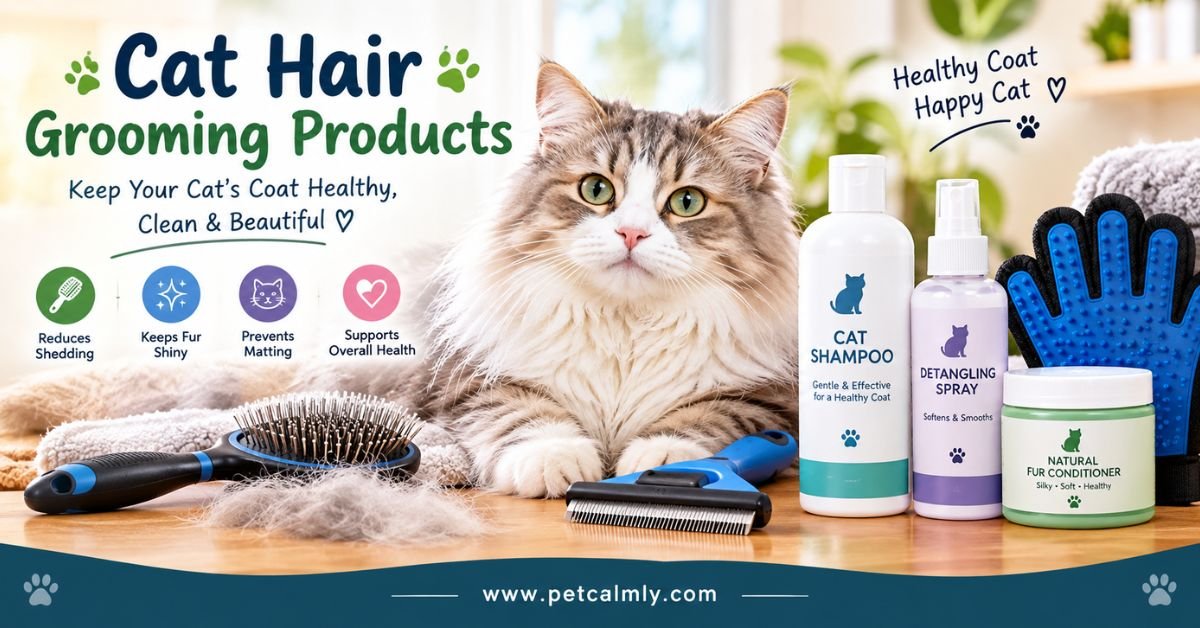
Cat hair grooming products include brushes, combs, deshedding tools, mat removers, nail clippers, ear cleaning supplies, and dental care items. The best product depends on your cat’s coat type, shedding level, and temperament. Most cats benefit from a slicker brush or metal comb for daily maintenance, a deshedding tool during shedding seasons, and nail clippers for regular trimming. Proper grooming reduces matting, shedding around your home, and helps you catch potential health issues early but the right tool matters, and not all products work equally well for every cat.
Why Cat Grooming Matters (Even If Your Cat Disagrees)
Your cat sheds a tumbleweeds worth of hair across your couch. Again. And you’re staring at your cat, wondering if there’s actually anything you can do about it besides investing in new furniture.
Here’s the thing: grooming isn’t just about keeping your floors cleaner (though that’s a nice bonus). Regular grooming with the right products actually prevents painful matting, reduces the amount of hair your cat ingests while self-grooming, helps you spot skin issues or lumps before they become serious, and believe it or not most cats feel better when their coat is properly maintained.
But here’s where most cat owners get stuck: pet stores are packed with grooming products, and there’s absolutely no consensus on which ones actually deliver results. You see brushes marketed as “miracle shedding solutions” that do nothing. You buy expensive deshedding tools that your cat hates. You invest in mat removers that just frustrate you both.
This guide cuts through the noise. We’ll walk through every category of cat grooming products, explain what actually works and why, help you pick the right tools for your cat’s specific needs, and show you how to use them without turning grooming time into a battle. By the end, you’ll know exactly which products are worth your money and which ones you can safely skip.
Why Your Cat Needs Grooming Products (Beyond Just Looking Good)
Before we dive into product recommendations, let’s talk about why grooming products matter at all. Your cat is self-grooming constantly, right? So do they really need your help?
The short answer: yes. Here’s why.
Hair buildup and matting
When cats self-groom, they swallow a lot of loose hair. Most of it passes through their digestive system, but some accumulates in their stomach and intestines, forming hairballs. This is normal to some degree, but excessive hair ingestion can cause blockages a serious condition that sometimes requires veterinary intervention.
Grooming products, especially deshedding tools, actually remove loose hair before your cat swallows it. This directly reduces the hairball problem.
Additionally, longer-haired cats are prone to matting, where clumps of fur become tangled and compacted. Mats pull on the skin, can harbor bacteria or parasites, and are genuinely painful. Mats also trap moisture against the skin, creating an environment for fungal infections. Regular brushing prevents this entirely.
Spotting skin and health issues early
When you brush your cat regularly, you’re handling their skin and coat closely. This means you’re likely to notice things your cat’s daily grooming routine would miss: scabs from scratching, signs of fleas or mites, unusual lumps or bumps, hair loss in odd patterns, or inflamed areas. Many skin conditions, parasites, and even early-stage cancers show up on the skin first. Regular grooming lets you catch these issues before they become serious.
Reducing shedding around your home
This one’s straightforward: grooming removes loose hair before it ends up on your clothes, furniture, and literally everything else. A proper deshedding tool can reduce the amount of hair your cat sheds around your home by 30–50%, depending on the tool and coat type.
Behavioral and bonding benefits
Most cats don’t enjoy being grabbed and groomed, but regular, gentle grooming when introduced properly can actually strengthen your bond with your cat. It’s a form of touch-based interaction that mimics the grooming cats do for each other. Plus, if your cat is comfortable with grooming from a young age, nail trims and other necessary care become much easier.
Types of Cat Grooming Products: A Complete Breakdown
Let’s get into the actual products. Not all grooming tools are created equal, and knowing the difference between them helps you pick the right one.
Slicker Brushes: The Foundation of Any Grooming Routine
A slicker brush is the workhorse of cat grooming. It has a flat, rectangular head covered in short, tightly-spaced wires. This design lets you remove loose undercoat, prevent matting, and work through minor tangles.
Best for: Long-haired cats, cats prone to matting, general maintenance
Why it works: The closely-packed wires trap loose hair and catch tangles without pulling too hard on healthy hair. A good slicker brush glides through the coat with minimal pressure, which most cats tolerate better than other tools.
What to look for: A slicker brush with wires that aren’t too sharp (they should feel smooth to your skin, not scratchy). Medium-sized slicker brushes (around 1–2 inches wide) work well for most cats. Avoid massive ones designed for dogs they’re often too aggressive for feline skin.
Common mistake: Pressing too hard or using a cheap slicker brush with sharp wires. This causes discomfort and makes your cat hate grooming sessions. Gentle, light strokes are all you need.
Metal Combs: The Precision Tool
A metal comb has long, evenly-spaced teeth and is used to check for mats, remove tangles, and inspect the skin. Most grooming professionals recommend keeping a metal comb on hand.
Best for: Detecting mats early, final grooming passes, checking coat health
Why it works: The spaced teeth of a comb can detect tangles and mats that a brush might miss. Running a comb through your cat’s coat reveals exactly how clean the undercoat is and whether there are any hidden mats forming.
What to look for: Look for a comb with two sides—one side with wider teeth and one with narrower teeth. The wider side is for general grooming; the narrower side detects and works through tangles.
Common mistake: Using a comb as your primary grooming tool. Combs remove less loose hair than brushes, so they’re best used after brushing to check your work.
Deshedding Tools: The Heavy Hitter During Shedding Season
Deshedding tools look intimidating, but they’re some of the most effective products for reducing shedding. Popular options include the FURminator and the SleekEZ undercoat rake.
Best for: Heavy shedding periods, cats with dense undercoats, reducing shedding volume dramatically
Why it works: These tools have teeth designed to penetrate the outer coat and remove loose undercoat without damaging the guard hairs (the longer protective hairs). This removes massive amounts of loose hair in a single session.
What to look for: Deshedding tools come in different sizes and tooth configurations. For cats, choose a small or medium-sized tool specifically designed for feline coats. Check that the teeth aren’t too aggressive—a tool meant for dogs might be too rough on a cat’s thinner skin.
Common mistake: Using a deshedding tool when your cat is already stressed or unprepared. The tool can frighten cats because the sensation is different from a regular brush. Introduce it slowly, use it for short sessions, and only during shedding season when it’s really needed.
Mat Splitters and Mat Removers: For When Prevention Didn’t Work
If matting has already happened, a mat splitter or dematting comb can help before you resort to professional grooming or (gulp) shaving.
Best for: Removing stubborn mats, preventing professional grooming visits, thick-coated cats prone to tangling
Why it works: Mat splitters have a sharp blade designed to slice through the mat without damaging the surrounding hair. Dematting combs use differently-spaced teeth to work mats apart gradually.
What to look for: A mat splitter with a covered blade when not in use (for safety). Make sure it has an ergonomic handle since removing mats can require sustained pressure and effort.
Important safety note: Mat removal can be uncomfortable or painful for your cat, especially if mats are close to the skin. If mats are extensive, severe, or close to sensitive areas (like under the arms or around the rear end), professional grooming is the safer choice. Your veterinarian can recommend a groomer experienced with mat removal.
Nail Clippers: Essential Maintenance
Cat nail care is often overlooked but critically important. Long nails catch on things, cause pain when walking, and can curl back into the paw pad.
Types:
- Scissor-style clippers: Look like small scissors and work well for most cat owners. They give you good visibility and control.
- Guillotine-style clippers: The nail slides into a hole and a blade comes down to cut. They’re faster but require more precision.
What to look for: Clippers that are sharp and properly-sized for cat nails (not oversized dog clippers). A good pair should cut cleanly without crushing the nail, which causes splitting and pain.
Common mistake: Cutting too far up the nail and hitting the quick (the pink blood vessel inside). Always cut only the clear or white part of the nail. If you’re unsure, cut conservatively—you can always trim more later, but you can’t undo cutting the quick.
Other Essential Products
Ear cleaning supplies: A cat-safe ear cleaner and cotton balls help prevent infections, especially in cats prone to wax buildup or those with folded ears.
Dental care tools: Cat toothbrushes and toothpaste (formulated specifically for cats, not humans) support oral health, which impacts overall wellness.
Grooming gloves: These rubber gloves with nubs on the palms mimic the sensation of being licked by another cat. Many cats that resist traditional grooming accept gloves better.
Grooming tables: A non-slip surface at waist height makes grooming easier on your back and gives your cat a defined space. For most home grooming, a sturdy table with a non-slip mat works fine.
How to Choose the Right Grooming Products for Your Cat
Choosing products isn’t just about picking the most popular option. Your cat’s individual needs matter.
Assess Your Cat’s Coat Type
Short-haired cats: These cats have shorter guard hairs and lighter undercoats. They typically don’t mat easily but do shed. A slicker brush for 2–3 minutes a few times a week is usually sufficient, plus a deshedding tool during heavy shedding seasons (typically spring and fall).
Medium-length or semi-long-haired cats: These cats are prone to light matting and moderate shedding. A slicker brush used 3–4 times weekly, plus a metal comb for checking tangles, is ideal. During shedding season, add a deshedding tool.
Long-haired cats: These cats require the most maintenance. Daily or near-daily brushing with a slicker brush is essential to prevent matting. A metal comb should be used regularly to catch tangles early. A deshedding tool during shedding season is almost a necessity.
Consider Your Cat’s Temperament
Not all cats tolerate grooming equally. Some cats are naturally tolerant of handling; others are sensitive or anxious.
Cats that tolerate handling well: You have flexibility with tool choices. Start with a slicker brush and add additional tools as needed.
Cats that are anxious about grooming: Begin with the gentlest tool—often grooming gloves or a very soft brush. Build tolerance gradually. Deshedding tools might be too intense for sensitive cats, so focus on regular brushing instead.
Cats with sensitive skin: Look for brushes with softer bristles and avoid tools that pull or tug. A metal comb used very gently works better than aggressive deshedding tools.
Account for Your Own Comfort Level
Be honest about what you’ll actually use. If you hate the feeling of a guillotine nail clipper, buy scissors instead. If traditional brushing feels awkward, try grooming gloves. The best grooming product is the one you’ll actually use consistently.
Best Practices for Grooming Your Cat at Home
Having the right products is only half the battle. How you use them matters enormously.
Set the Right Environment
Groom in a calm, quiet space where your cat feels safe. Choose a time when your cat is naturally relaxed—many cats are calmer in the evening or after a meal. Make sure you have good lighting so you can see what you’re doing.
Start Slowly and Build Tolerance
If your cat hasn’t been groomed much, they won’t suddenly love it. Introduce tools gradually:
- Let your cat see and sniff the brush or tool
- Handle your cat’s paws and body without using the tool
- Use the tool for just 30 seconds on the first day
- Gradually extend sessions to 2–5 minutes as your cat relaxes
Session length: Most cats tolerate 5–10 minutes of grooming comfortably. Longer sessions often lead to stress and resistance.
Use Gentle Pressure and Technique
The way you groom matters as much as the tool you use.
- Use light to medium pressure, never hard pressure
- Brush in the direction of hair growth
- Avoid sensitive areas (belly, inner thighs) unless your cat is very comfortable
- Stop if your cat shows signs of stress (tail swishing, ears back, trying to escape)
- Reward your cat afterward with treats or play to build positive associations
Watch for Warning Signs
If your cat shows any of these signs, stop grooming immediately:
- Ears pinned back or rotated sideways
- Tail thrashing or puffing
- Skin rippling or twitching
- Hissing, growling, or swatting
- Attempting to escape or hide
- Excessive licking or biting at the tool
These are clear signals that your cat is stressed, and pushing through will damage the trust you’ve built.
Regular Schedule Beats Long Sessions
Brushing your short-haired cat for 2 minutes five times a week is more effective and less stressful than a 20-minute marathon session once a week. Regular, short sessions keep mats from forming, keep your cat comfortable with grooming, and make the whole process easier.
Common Grooming Mistakes (And How to Avoid Them)
Even well-intentioned cat owners make grooming mistakes that actually make the problem worse.
Using cheap or overly aggressive tools: A budget slicker brush might have sharp, scratchy wires that hurt your cat’s skin. A dog deshedding tool might be too rough for a cat’s thinner skin. Invest in tools specifically designed for cats, and test them on your own arm first they should feel smooth, not painful.
Brushing dry tangles: Trying to brush out tangles in dry hair causes breakage and pain. If your cat has tangles, lightly mist the area with water or use a detangling spray before working through the tangle with a comb.
Ignoring mats until they’re severe: Small mats are easy to remove with consistent brushing. Large, matted areas are painful to remove and sometimes require professional help or shaving. Catching and preventing mats early saves your cat from unnecessary discomfort.
Forcing grooming sessions on an unwilling cat: If your cat actively resists grooming, forcing the issue creates stress and fear. Instead, work with your veterinarian or a certified animal behaviorist to gradually build tolerance, or consider professional grooming for difficult cats.
Grooming when your cat is stressed: If your cat just had a scare, is already anxious, or is in pain, grooming will amplify that stress. Choose calm moments and pay attention to your cat’s emotional state.
Neglecting other grooming tasks: Brushing is important, but so are nail care, ear cleaning, and dental care. A complete grooming routine includes all of these elements.
When to Seek Professional Grooming
Some situations are better handled by a professional groomer, especially one experienced with cats.
Severe matting: If your cat has extensive mats, especially ones close to the skin or in sensitive areas, professional groomers have the experience and tools to safely remove them. Attempting DIY removal in these cases can cause skin damage.
Cats with anxiety or behavioral issues: A professional groomer can handle difficult cats safely and may have techniques to reduce stress that you haven’t tried at home.
Sanitary trims and paw pad hair removal: Some cat owners prefer to have professional groomers trim the hair around the rear end and paws for cleanliness and to reduce litter box mess. This is a reasonable choice.
General grooming for long-haired breeds: Some owners of long-haired cats (like Persians or Maine Coons) prefer professional grooming every 6–8 weeks. Professional groomers can work through thick coats more efficiently than most home grooming setups.
Cats requiring special handling: Senior cats, cats with medical conditions, or cats with special needs (like aggression or extreme fear) might be safer with a professional.
When to ask your vet for a referral: If your cat has skin conditions, allergies, or medical issues that complicate grooming, ask your veterinarian for a groomer recommendation. Some groomers specialize in handling cats with medical needs.
When to See Your Veterinarian About Coat or Skin Issues
While grooming products solve many common problems, some situations require professional veterinary evaluation.
See your vet if your cat has:
- Excessive hair loss beyond normal shedding (alopecia can indicate allergies, parasites, or infections)
- Red, inflamed, or scaly skin
- Persistent scratching or licking in one area
- Bald patches or unusual patterns of hair loss
- Signs of fleas or mites (tiny crawling insects, excessive scratching, small dark specks in the coat)
- Skin lesions, scabs, or wounds
- A dull, brittle coat despite regular grooming (can indicate nutritional deficiencies or health issues)
- Ear discharge, odor, or signs of infection
- Lumps, bumps, or abnormal growths on the skin
These aren’t things grooming products can fix. They need professional evaluation to identify the underlying cause—whether that’s parasites, allergies, infections, hormonal issues, or other medical conditions.
Frequently Asked Questions
1: Do cats actually need grooming, or can they handle it themselves?
Cats are excellent self-groomers, but they can’t remove all loose hair or prevent matting entirely, especially longer-haired cats. Regular grooming with products reduces shedding, prevents mats, and helps you catch health issues early. It’s not necessary for short-haired cats in the same way it is for long-haired cats, but it’s still beneficial for all cats.
2: What’s the difference between a slicker brush and a dematting comb?
A slicker brush has tightly-spaced wires and removes general loose hair and prevents minor tangles. A dematting comb has specific tooth spacing designed to work through existing mats and tangles. Use a slicker brush for regular maintenance; use a dematting comb when mats have already formed or to check for hidden tangles.
3: How often should I groom my short-haired cat?
Short-haired cats benefit from 2–3 brushing sessions per week, each lasting just a few minutes. During heavy shedding seasons (spring and fall), increase to daily brushing or add a deshedding tool to your routine.
4: Is it safe to use human hair products on cats?
No. Cats lick their coats and ingest substances that touch their skin. Human hair products, shampoos, and conditioners aren’t formulated for feline safety and can cause digestive upset or toxicity. Always use products specifically formulated for cats.
5: My cat hates being groomed. Are there products that might help?
Yes. Grooming gloves, which mimic the sensation of being licked by another cat, are often accepted better than traditional brushes. Some cats also tolerate mat removers or dematting sprays that soften tangles without the sensation of brushing. If your cat actively resists all grooming, talk to your veterinarian about behavioral support or professional grooming options.
6: How do I know if my cat has mats I can’t see?
Use a metal comb, running it gently through your cat’s coat from skin to tip. If the comb catches or doesn’t glide smoothly, you’ve found a mat or tangle. Pay special attention to areas behind the ears, under the arms, and around the rear end these are matting hotspots.
More Information About Pets, Please Visit Our Website: Why Does My Cat Knock Things Over at Night
Best Cat Breeds for Apartments
How to Remove Fleas from Cats
How Often Should You Groom a Long Haired Cat?”
How to Bathe a Cat Safely at Home
How to Cut Dog Hair with Scissors
How to Stop Cat Scratching Furniture
Cat Ear Infection Symptoms
Best Cat Brushes for Shedding
Conclusion
The best cat grooming products aren’t always the most expensive or most popular. They’re the ones that actually fit your cat’s coat type, temperament, and your own commitment level.
Start with the basics: a quality slicker brush for regular maintenance and a metal comb for checking your work. Add a deshedding tool during shedding season if your cat tolerates it. Invest in good nail clippers and use them regularly. Everything else mat splitters, specialized tools, grooming tables can come later if your cat needs them.
Most importantly, remember that the goal of grooming isn’t perfection. It’s keeping your cat comfortable, preventing health issues, reducing shedding around your home, and strengthening your bond through gentle, regular handling. If grooming becomes stressful for either you or your cat, that defeats the purpose. A consistent, calm approach using products your cat tolerates will always be better than fancy tools your cat hates.