Short Direct Answer
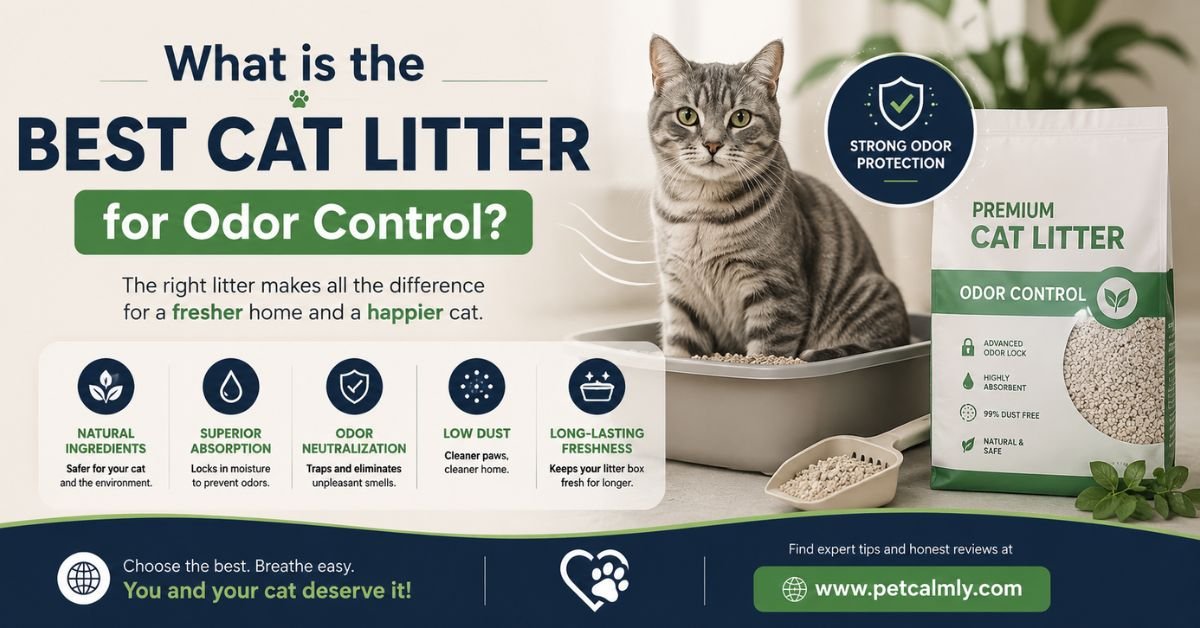
The best cat litter for odor control is usually a high-quality clumping litter made from bentonite clay, activated charcoal, or specialized odor-trapping materials. For most households, unscented clumping litter with strong ammonia control performs best because it locks in urine odors while remaining comfortable for cats.
However, the “best” litter depends on your cat, your home, and how many cats use the box. A litter that works beautifully in a one-cat apartment may struggle in a multi-cat household.
If odor is your biggest concern, look for litter that:
- Clumps quickly
- Controls ammonia odors
- Produces minimal dust
- Is easy to scoop daily
- Is accepted by your cat
The most effective odor-control strategy combines the right litter with proper litter box maintenance.
Introduction
Few pet-owner frustrations are as persistent as a litter box that seems to smell no matter what you do.
You clean it. You change the litter. You buy products promising “30-day odor control.” Yet somehow, that familiar litter box smell returns sooner than expected.
If you’ve been wondering what is the best cat litter for odor control, you’re asking a question many cat owners struggle with. The answer isn’t just about buying the most expensive litter on the shelf. Odor control depends on several factors, including your cat’s habits, the type of litter, box placement, cleaning routines, and even your home’s ventilation.
The good news is that most litter box odor problems can be significantly improved with the right approach.
In this guide, you’ll learn:
- Which litter types control odor best
- How different materials compare
- Common mistakes that worsen smells
- The best options for single-cat and multi-cat homes
- What veterinarians and feline experts typically recommend
- How to keep your home smelling fresh without upsetting your cat
Why Cat Litter Odors Happen in the First Place
Quick Answer
Cat litter odors come primarily from urine breaking down into ammonia and bacteria multiplying in waste that remains in the litter box.
Even the best litter cannot fully prevent odor if waste sits too long.
The Main Sources of Litter Box Smells
Urine
Cat urine contains urea. As bacteria break it down, ammonia develops.
That sharp smell many owners notice is often ammonia buildup.
Feces
Stool odors vary depending on:
- Diet
- Digestive health
- Hydration
- Food sensitivities
- Underlying medical conditions
Dirty Litter Box Surfaces
Over time, litter boxes can absorb odors, especially plastic boxes.
Even after changing litter, lingering smells may remain.
Excess Moisture
Moist litter creates an environment where bacteria thrive, making odors stronger.
What Makes a Cat Litter Good at Odor Control?
The best odor-control litters typically excel in several areas at once.
Fast Clumping Ability
When urine is quickly trapped into solid clumps, fewer odors escape.
Strong clumping helps remove waste before smells spread through the litter.
Ammonia Neutralization
High-performing litters often contain materials that absorb or neutralize ammonia.
This is particularly important in:
- Small apartments
- Multi-cat homes
- Covered litter boxes
Moisture Absorption
Dry litter stays fresher longer.
Materials that absorb moisture efficiently tend to perform better against odor.
Low Dust Levels
Dust doesn’t directly cause odor, but excessive dust can spread waste particles around the litter area.
Comparing Popular Cat Litter Types for Odor Control
Cat Litter Odor Control Comparison Table
| Litter Type | Odor Control | Clumping | Dust Level | Cat Acceptance |
|---|---|---|---|---|
| Clumping Clay | Excellent | Excellent | Moderate | Very High |
| Activated Charcoal Litter | Excellent | Excellent | Low-Moderate | High |
| Silica Crystal Litter | Very Good | Moderate | Low | Moderate |
| Pine Pellet Litter | Good | Poor | Low | Moderate |
| Corn Litter | Good | Good | Low | High |
| Wheat Litter | Good | Good | Low | High |
| Paper Litter | Fair | Poor | Very Low | Moderate |
For most households focused primarily on odor control, clumping clay litter remains the strongest overall performer.
Clumping Clay Litter: Why It Remains the Top Choice
In Short
For maximum odor control, clumping clay litter continues to be the standard against which most other litters are compared.
Advantages
- Strong ammonia control
- Fast clumping
- Easy scooping
- Widely available
- Effective in multi-cat homes
Potential Drawbacks
- Can be dusty
- Heavier than other options
- Less environmentally friendly than some alternatives
Many experienced cat owners find that a high-quality clumping clay litter offers the best balance of odor control, convenience, and cat acceptance.
Activated Charcoal Litter: A Powerful Odor Fighter
Activated charcoal works like a sponge for odor molecules.
Many premium litters now include charcoal because it can:
- Reduce ammonia odors
- Minimize lingering smells
- Keep litter fresher between scoopings
Homes with multiple cats often notice significant improvements when switching to charcoal-enhanced formulas.
Is Scented Litter Better for Odor Control?
Surprisingly, Not Always
Many people assume stronger fragrance equals better odor control.
In reality, scented litter often masks odors rather than eliminating them.
Some cats dislike heavily scented products and may avoid the litter box altogether.
Why Unscented Litter Is Often Recommended
Unscented litter:
- Doesn’t overwhelm sensitive feline noses
- Reduces the risk of litter box avoidance
- Focuses on absorption rather than masking
Many feline behavior specialists prefer unscented options with strong odor-trapping performance.
The Best Cat Litter for Multi-Cat Homes
Multiple cats create unique challenges.
More cats mean:
- More urine
- More stool
- Faster ammonia buildup
- Increased bacterial growth
For multi-cat households, prioritize:
- Strong clumping ability
- Activated charcoal technology
- High absorbency
- Daily scooping
- Multiple litter boxes
A common recommendation is one litter box per cat plus one extra.
For example:
- Two cats = three boxes
- Three cats = four boxes
This helps reduce odor and encourages healthy litter box habits.
Natural Cat Litters and Odor Control
Many owners prefer environmentally friendly options.
Corn Litter
Pros:
- Renewable material
- Good clumping
- Reasonable odor control
Cons:
- May not control odor as long as premium clay
Wheat Litter
Pros:
- Biodegradable
- Strong clumping
- Low dust
Cons:
- Can attract moisture in humid environments
Pine Pellets
Pros:
- Natural scent
- Low dust
- Affordable
Cons:
- Less effective for long-term odor control
Natural litters can work very well, but performance varies significantly between brands.
5 Common Mistakes That Make Litter Boxes Smell Worse
Even the best litter can’t compensate for certain habits.
Waiting Too Long to Scoop
Daily scooping remains the most important odor-control practice.
Twice daily is even better in busy households.
Using Too Little Litter
Most boxes need around 2–4 inches of litter depth.
Shallow litter allows urine to reach the bottom more easily.
Completely Dumping Litter Too Infrequently
Scooping helps, but litter eventually becomes saturated.
Periodic full litter replacement is still necessary.
Using Too Small a Litter Box
Crowded litter boxes become dirty faster and trap odors.
Ignoring the Litter Box Itself
Plastic boxes can absorb odors over time.
Older boxes may need replacement.
How to Maximize Odor Control at Home
Daily Routine Checklist
Every Day
- Scoop urine clumps
- Remove feces
- Check litter depth
- Inspect for strong odors
Weekly
- Add fresh litter
- Wipe box edges
- Clean surrounding area
Monthly
- Empty litter completely
- Wash box thoroughly
- Refill with fresh litter
Consistency matters more than expensive products.
Covered vs. Open Litter Boxes
Many owners assume covered boxes eliminate odors.
The reality is more complicated.
Covered Boxes
Benefits:
- Hide waste visually
- Contain some odors
- Reduce litter tracking
Drawbacks:
- Trap smells inside
- May discourage some cats
- Require more frequent cleaning
Open Boxes
Benefits:
- Better airflow
- Easier monitoring
- Often preferred by cats
Drawbacks:
- Less odor containment
For many cats, open boxes paired with quality litter provide the best balance.
Could Strong Litter Box Odor Signal a Health Problem?
When Odor Seems Unusually Strong
Occasionally, excessive odor is not a litter problem.
It may indicate:
- Dehydration
- Urinary tract issues
- Kidney disease
- Diabetes
- Digestive disorders
- Dietary problems
If odor changes suddenly or becomes unusually intense, pay attention to other symptoms.
When Should You Worry?
Contact your veterinarian if your cat shows:
- Straining to urinate
- Blood in urine
- Frequent trips to the litter box
- Diarrhea lasting more than a day
- Sudden changes in stool odor
- Excessive thirst
- Weight loss
- Accidents outside the litter box
A medical issue can sometimes appear as a litter box odor problem before other signs become obvious.
What Should Pet Owners Do?
If you’re struggling with litter box smells, follow this simple plan:
- Choose a high-quality clumping litter.
- Scoop at least once daily.
- Maintain proper litter depth.
- Replace litter regularly.
- Wash the litter box monthly.
- Add an extra box if you have multiple cats.
- Improve room ventilation.
- Monitor your cat for health changes.
Most owners notice a significant improvement within a week of implementing these steps consistently.
Choosing the Right Litter Based on Your Situation
Best for Small Apartments
Look for:
- Strong clumping clay litter
- Activated charcoal formulas
- Low-dust products
Best for Multi-Cat Homes
Prioritize:
- Maximum odor control
- Heavy-duty clumping
- Frequent scooping
Best for Sensitive Cats
Choose:
- Unscented litter
- Low-dust formulas
- Soft-textured granules
Best for Environmentally Conscious Owners
Consider:
- Corn litter
- Wheat litter
- Pine litter
- Recycled paper products
What to Avoid When Shopping for Cat Litter
Avoid choosing litter based solely on marketing claims.
Watch out for:
- Extremely strong perfumes
- Excessive dust production
- Weak clumping performance
- Products your cat refuses to use
The most effective litter is the one that controls odor and that your cat consistently accepts.
Frequently Asked Questions
1: What cat litter controls odor the longest?
High-quality clumping clay litter with activated charcoal typically provides the longest-lasting odor control. Daily scooping still makes the biggest difference.
2: Is crystal litter better than clumping litter for odor?
Crystal litter absorbs moisture very well, but many cat owners find clumping litter easier to maintain and more effective for long-term odor management.
3: Does baking soda help control litter box smell?
Yes. Baking soda can help reduce odors when used appropriately, though it should complement—not replace—regular cleaning and quality litter.
4: Why does my litter box smell even after scooping?
Odors may remain because litter is saturated, the box itself has absorbed smells, or urine has reached areas outside the box.
5: Should I use scented or unscented cat litter?
Most experts recommend unscented litter because many cats prefer it, and it reduces the risk of litter box avoidance.
6: How often should cat litter be completely changed?
The schedule depends on litter type and the number of cats. Many households benefit from a full change every few weeks alongside daily scooping.
More Information About Pets, Please Visit Our Website: Why Does the Cat Cry at Night?
What Helps Anxiety in Cats Naturally?
Why Does My Cat Cry at the Same Time Every Night?
Why Does My Cat Run Away From Me?
Conclusion
So, what is the best cat litter for odor control?
For most cat owners, a high-quality unscented clumping litter especially one enhanced with activated charcoal—offers the strongest overall odor control. It traps urine quickly, reduces ammonia buildup, and makes daily maintenance easier.
That said, litter alone isn’t the entire solution. Consistent scooping, proper litter box placement, adequate litter depth, and regular cleaning all play major roles in keeping odors under control.
A fresh-smelling home and a happy cat usually come down to a simple combination: the right litter, the right routine, and paying attention to your cat’s needs. Once those pieces are in place, litter box odors become much easier to manage, even in busy multi-cat households.