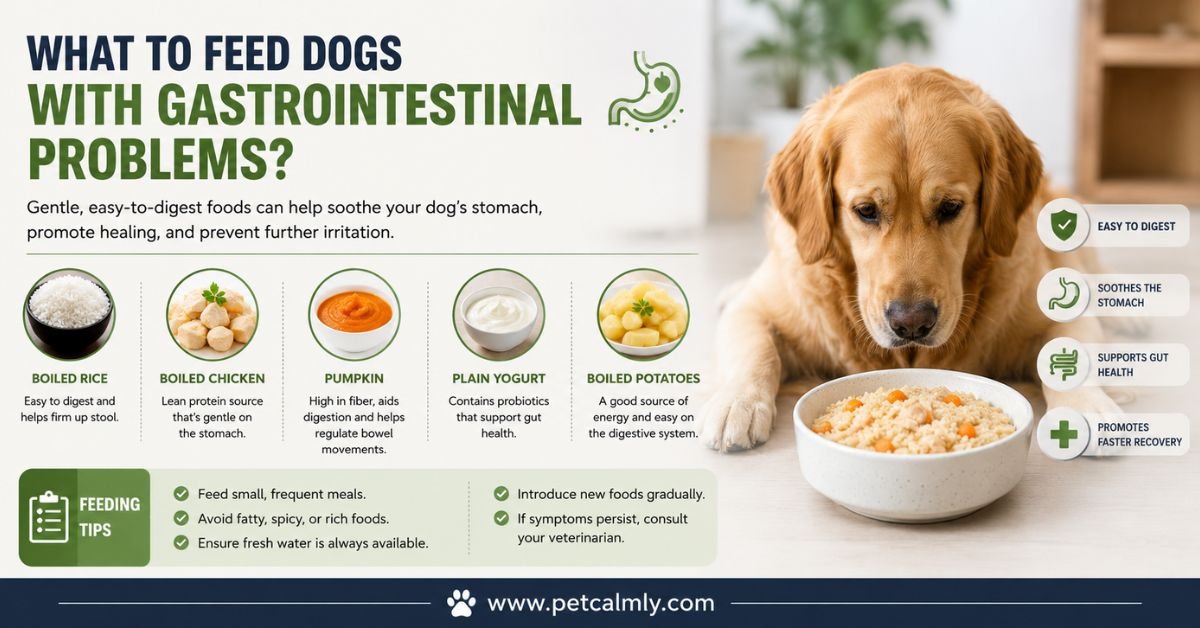
Short direct answer
The best pet food for sensitive stomachs in 2026 is a highly digestible, limited-ingredient formula made with quality animal protein, gentle carbohydrates, and minimal artificial additives. For many dogs and cats, foods containing easily digestible ingredients such as turkey, chicken, salmon, lamb, pumpkin, rice, or sweet potatoes can help reduce digestive upset. However, the ideal choice depends on your pet’s age, species, sensitivities, health history, and specific symptoms.
If your pet regularly experiences vomiting, diarrhea, excessive gas, loose stools, stomach noises, or food-related discomfort, switching to a stomach-friendly diet can often make a noticeable difference. Persistent symptoms should always be discussed with a veterinarian.
Introduction
Few things worry pet owners more than seeing their dog or cat struggle with digestive problems.
One day your pet seems perfectly fine. The next, you’re cleaning up vomit, dealing with diarrhea, or wondering why your normally enthusiastic eater suddenly walks away from the food bowl.
Sensitive stomachs are surprisingly common in both dogs and cats. The challenge is that digestive issues can have many different causes, and not every food marketed as “gentle” or “sensitive” will work for every pet.
The good news is that many pets experience significant improvement when their diet matches their digestive needs.
In this guide, you’ll learn:
- What causes a sensitive stomach
- Signs your pet may need a different food
- Key ingredients that help digestion
- Ingredients that may worsen symptoms
- How to choose the best pet food for sensitive stomachs in 2026
- Feeding mistakes many owners make
- When digestive issues require veterinary attention
By the end, you’ll have a clear understanding of how to support your pet’s digestive health safely and confidently.
What Is a Sensitive Stomach in Pets?
Quick Answer
A sensitive stomach refers to a digestive system that reacts negatively to certain foods, ingredients, feeding routines, or gastrointestinal stressors.
Pets with sensitive stomachs may experience:
- Vomiting
- Loose stools
- Diarrhea
- Excessive gas
- Burping
- Stomach gurgling
- Appetite changes
- Digestive discomfort after meals
A sensitive stomach is not a disease itself. Instead, it is often a symptom of an underlying dietary, digestive, or health-related issue.
Common Signs Your Pet May Need a Different Food
Many owners assume occasional digestive upset is normal.
Sometimes it is.
But recurring symptoms often suggest the current diet isn’t the right fit.
Dogs
Common signs include:
- Frequent diarrhea
- Soft stools
- Excessive flatulence
- Vomiting after meals
- Lip licking
- Grass eating
- Reduced appetite
- Belly discomfort
- Stool inconsistency
Cats
Watch for:
- Frequent hairball-like vomiting
- Loose stools
- Chronic stomach noises
- Food refusal
- Weight loss
- Constipation cycles
- Regurgitation after eating
A pattern matters more than an isolated episode.
If symptoms occur repeatedly, diet evaluation becomes important.
Why Do Some Pets Have Sensitive Stomachs?
There isn’t one single cause.
Several factors can contribute.
Food Intolerances
Food intolerances are among the most common reasons.
Unlike true allergies, intolerances typically affect digestion rather than triggering immune reactions.
Common triggers include:
- Beef
- Dairy products
- Certain grains
- Artificial flavorings
- Rich fats
- Specific protein sources
A pet may tolerate one ingredient perfectly for years and later develop sensitivity.
Sudden Diet Changes
Many digestive issues begin after owners switch foods too quickly.
The digestive tract needs time to adjust to:
- New proteins
- Different fat levels
- Fiber changes
- New ingredients
Abrupt transitions frequently lead to temporary diarrhea and stomach upset.
Stress and Anxiety
Many owners underestimate the connection between emotions and digestion.
Pets often experience digestive disturbances during:
- Moving homes
- Boarding stays
- Travel
- Schedule changes
- New family members
- Household conflict
The gut and nervous system communicate closely.
Stress can affect digestion just as it does in humans.
Rich Treats and Table Scraps
Sometimes the food isn’t the problem.
The extras are.
Common offenders include:
- Fatty meats
- Cheese
- Fried foods
- Holiday leftovers
- Excessive treats
Even healthy pets can develop digestive upset from rich human foods.
Underlying Health Conditions
Sometimes digestive symptoms indicate a larger issue.
Examples include:
- Inflammatory bowel disease
- Pancreatitis
- Parasites
- Chronic gastrointestinal disease
- Liver disease
- Kidney disease
- Food allergies
This is why persistent digestive symptoms deserve veterinary evaluation.
What Makes a Pet Food Good for Sensitive Stomachs?
Not every premium food is automatically gentle on digestion.
Certain characteristics matter more than marketing claims.
Highly Digestible Protein
Protein quality is one of the biggest factors.
Generally well-tolerated options include:
- Turkey
- Chicken
- Salmon
- Whitefish
- Lamb
- Duck
Digestible protein allows nutrients to be absorbed efficiently while placing less strain on the digestive tract.
Moderate Fat Levels
Fat provides energy and flavor.
However, excessive fat can trigger digestive upset in sensitive pets.
A moderate fat content is often easier to tolerate.
This is particularly important for dogs with a history of pancreatitis or recurring stomach issues.
Gentle Carbohydrates
Helpful carbohydrate sources often include:
- White rice
- Brown rice
- Oats
- Sweet potatoes
- Pumpkin
- Barley
These ingredients can support stool quality and provide steady energy.
Added Prebiotics
Prebiotics feed beneficial gut bacteria.
Common examples include:
- Chicory root
- Inulin
- Beet pulp
- FOS
- MOS
Healthy gut bacteria contribute to digestive balance.
Probiotics
Many stomach-friendly foods now include probiotics.
These beneficial microorganisms may help support:
- Stool quality
- Digestive consistency
- Gut health
- Nutrient absorption
While not a cure-all, probiotics can be useful for some pets.
Ingredients That May Cause Problems
Some ingredients are more likely to trigger digestive complaints in sensitive animals.
Potential triggers include:
- Artificial colors
- Artificial preservatives
- Excessive fat
- Poor-quality fillers
- Sudden novel ingredients
- Heavy seasoning residues
- Large amounts of dairy
This doesn’t mean every pet reacts negatively.
The goal is identifying what works for your individual animal.
Best Types of Pet Food for Sensitive Stomachs in 2026
Rather than focusing solely on brands, it helps to understand the categories that consistently perform well.
Limited Ingredient Diets
These diets use fewer ingredients.
Benefits include:
- Easier elimination trials
- Reduced exposure to triggers
- Simpler digestion
Many veterinarians recommend limited-ingredient diets for pets with recurring digestive issues.
Sensitive Stomach Formulas
Foods specifically labeled for digestive support often include:
- Easily digestible proteins
- Moderate fat levels
- Prebiotics
- Added fiber
These formulas are designed with gastrointestinal comfort in mind.
Veterinary Therapeutic Diets
For pets with chronic digestive disease, prescription diets may be recommended.
These diets can provide:
- Specialized nutrient profiles
- Hydrolyzed proteins
- Controlled ingredients
- Enhanced digestibility
They are particularly helpful for pets with diagnosed gastrointestinal disorders.
Fresh Food Diets
Some pets thrive on carefully balanced fresh-food diets.
Potential benefits include:
- High moisture content
- Minimal processing
- Appealing taste
However, nutritional balance remains essential.
Homemade diets should be developed with professional guidance.
Dog Breeds Commonly Prone to Digestive Sensitivities
While any dog can develop stomach issues, some breeds seem more susceptible.
These may include:
- German Shepherds
- Great Danes
- Boxers
- Labrador Retrievers
- French Bulldogs
- Yorkshire Terriers
Genetics, body size, and digestive tendencies can all play a role.
Individual variation still matters more than breed alone.
Cats and Sensitive Stomachs
Cats often display digestive sensitivity differently than dogs.
Owners frequently notice:
- Intermittent vomiting
- Hairball confusion
- Food avoidance
- Weight fluctuations
A cat that vomits regularly should not automatically be assumed to have “normal hairballs.”
Recurring vomiting warrants attention.
Comparing Popular Sensitive Stomach Food Types
| Food Type | Best For | Advantages | Considerations |
|---|---|---|---|
| Limited Ingredient | Food sensitivities | Fewer potential triggers | May require trial and error |
| Sensitive Stomach Formula | Mild digestive issues | Digestive support ingredients | Not all formulas are equal |
| Prescription Diet | Chronic GI conditions | Veterinary guidance | Usually more expensive |
| Fresh Food | Select pets needing highly palatable meals | High moisture and appeal | Must remain nutritionally balanced |
| Hydrolyzed Protein Diet | Suspected food reactions | Reduced immune response | Veterinary supervision recommended |
How to Transition to a New Food Safely
One of the biggest mistakes pet owners make is switching foods too quickly.
A gradual transition is much safer.
Recommended Transition Schedule
Days 1–2
75% old food
25% new food
Days 3–4
50% old food
50% new food
Days 5–6
25% old food
75% new food
Day 7+
100% new food
Sensitive pets may benefit from an even slower transition.
Feeding Habits That Support Digestive Health
Food selection is important.
Feeding practices matter too.
Create Consistent Meal Times
Regular feeding schedules help regulate digestion.
Avoid constantly changing meal times whenever possible.
Prevent Fast Eating
Rapid eating can contribute to:
- Vomiting
- Gas
- Regurgitation
Helpful tools include:
- Slow feeder bowls
- Puzzle feeders
- Smaller meal portions
Provide Fresh Water
Hydration supports normal digestive function.
Always ensure clean water is available.
Avoid Frequent Food Changes
Many owners switch foods too often searching for a perfect solution.
Constant changes can worsen digestive instability.
4 Common Mistakes Owners Make
1: Assuming Premium Means Gentle
An expensive food isn’t automatically suitable for sensitive digestion.
Ingredient quality and digestibility matter more.
2: Giving Too Many Treats
Even healthy treats add dietary variables.
When evaluating digestive issues, simplicity helps.
3: Ignoring Portion Sizes
Overfeeding can contribute to:
- Loose stools
- Vomiting
- Excess gas
Follow feeding guidelines and adjust based on body condition.
4: Expecting Instant Results
Digestive improvement often takes time.
Many pets require several weeks to fully adjust.
Patience is important.
Daily Checklist for Pets With Sensitive Stomachs
Use this simple routine:
Every Day
✓ Feed consistent meals
✓ Provide fresh water
✓ Monitor stool quality
✓ Limit unnecessary treats
✓ Watch appetite levels
✓ Maintain exercise routines
✓ Reduce environmental stress
✓ Record digestive symptoms if present
A simple notebook can reveal patterns owners might otherwise miss.
Foods and Habits to Avoid
If your pet has digestive sensitivity, avoid:
- Frequent food changes
- High-fat table scraps
- Excessive treats
- Spoiled food
- Large meals after fasting
- Feeding multiple new products simultaneously
Keeping variables limited often makes digestive management much easier.
When Should You Worry?
Veterinary Attention Is Recommended If Your Pet Has:
- Blood in stool
- Repeated vomiting
- Severe diarrhea
- Weight loss
- Loss of appetite
- Lethargy
- Signs of pain
- Dehydration
- Swollen abdomen
- Symptoms lasting more than a few days
These signs can indicate something more serious than a simple food sensitivity.
Emergency Situations
Seek urgent veterinary care if your pet:
- Cannot keep water down
- Experiences repeated vomiting
- Shows collapse or weakness
- Has significant abdominal swelling
- Passes large amounts of blood
Prompt treatment can be critical.
What Should Pet Owners Do?
If you suspect your pet has a sensitive stomach:
- Review current food ingredients.
- Eliminate unnecessary treats.
- Avoid table scraps.
- Transition gradually to a digestible diet.
- Monitor stool quality.
- Track symptoms in a journal.
- Consult your veterinarian if symptoms continue.
Small, consistent changes often produce the best results.
Real-Life Scenario Many Owners Recognize
A dog begins having loose stools several times per week.
The owner changes foods repeatedly, trying to solve the issue quickly.
Each new food creates another adjustment period, making symptoms harder to evaluate.
Eventually, the owner selects a quality sensitive-stomach formula, transitions slowly over two weeks, removes table scraps, and keeps feeding consistent.
Over the following month, stool quality improves significantly.
While every pet is different, this pattern is surprisingly common.
Consistency often matters more than constantly chasing the newest food trend.
Future Trends in Sensitive Stomach Pet Nutrition for 2026
Several developments continue shaping pet nutrition:
- More targeted digestive-support formulas
- Improved probiotic technology
- Personalized feeding recommendations
- Greater transparency in ingredient sourcing
- Increased use of novel proteins
- Enhanced gut microbiome research
These advancements may help owners make more informed feeding decisions.
Frequently Asked Questions
1: What is the best protein for pets with sensitive stomachs?
Turkey, chicken, salmon, lamb, and whitefish are often well tolerated. The best option depends on the individual pet and any specific sensitivities.
2: Is grain-free food better for sensitive stomachs?
Not necessarily. Many pets digest grains perfectly well. The overall ingredient quality and digestibility are usually more important than whether a food contains grains.
3: How long does it take for a new food to help?
Many pets show improvement within a few weeks, though some digestive issues require longer evaluation periods. Consistency is important during the transition.
4: Can stress cause digestive problems in pets?
Yes. Stress can affect the gut and contribute to vomiting, diarrhea, appetite changes, and stomach discomfort in some dogs and cats.
5: Should I feed smaller meals to a pet with a sensitive stomach?
Often yes. Smaller, more frequent meals can reduce digestive strain and may help minimize vomiting or stomach discomfort.
6: When should I stop trying different foods and call a veterinarian?
If symptoms persist, worsen, involve blood, cause weight loss, or affect your pet’s quality of life, veterinary evaluation is the safest next step.
More Information About Pets, Please Visit Our Website: How to Improve Cat Dental Health
Dog Skin Allergy Treatment at Home
Good Mental Health Dogs
Can Dogs Eat Cat Food?
Can I Give My Dog Benadryl?
Best Dog Supplements for Homemade Food
Conclusion
Finding the best pet food for a sensitive stomach in 2026 is less about chasing trends and more about understanding your pet’s unique digestive needs.
A food that works beautifully for one dog or cat may not work for another. The most successful approach is usually simple: choose a highly digestible diet, transition slowly, maintain consistency, and pay attention to how your pet responds.
Digestive health rarely improves overnight, but many pets experience meaningful relief when their nutrition, feeding routine, and overall lifestyle support a healthy gut.
If symptoms continue despite careful dietary changes, don’t hesitate to involve your veterinarian. Persistent digestive problems deserve professional attention.
Most importantly, remember that occasional setbacks happen. With patience, observation, and the right nutritional support, many pets with sensitive stomachs go on to live comfortable, happy, and active lives.