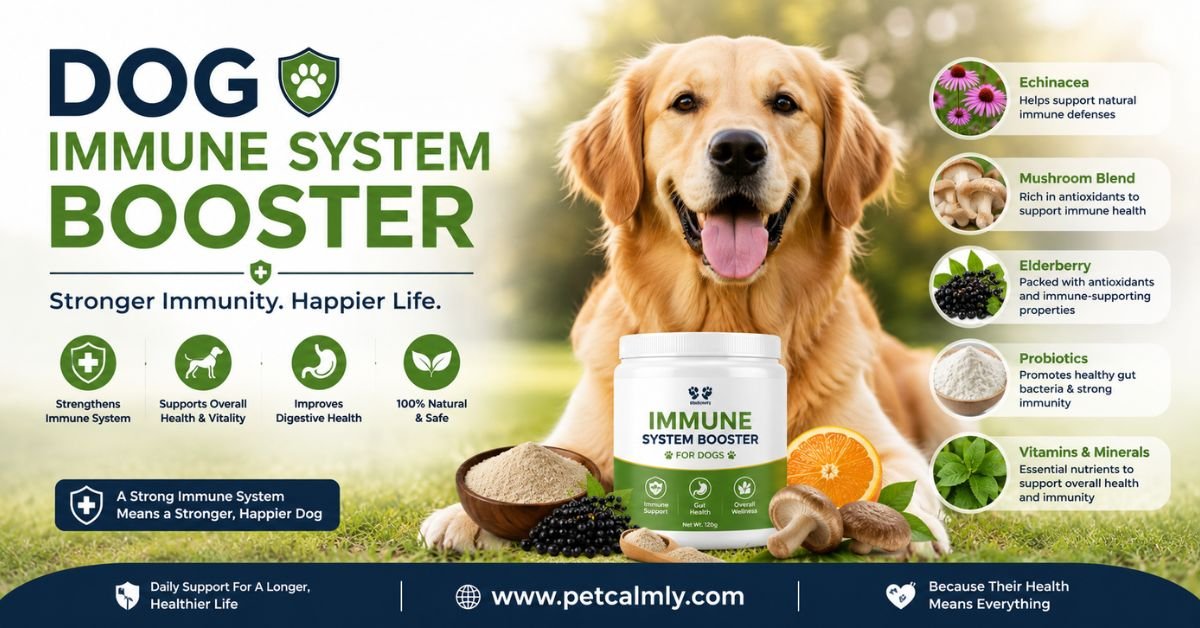
Short direct answer
A dog immune system booster is anything that safely supports your dog’s natural defenses rather than forcing the immune system to work harder. The most effective immune support comes from a balanced diet, regular exercise, healthy weight, quality sleep, stress reduction, preventive veterinary care, and, when appropriate, veterinarian-approved supplements such as probiotics, omega-3 fatty acids, or specific vitamins. While no product can prevent every illness, consistent daily care gives your dog’s immune system the best chance to fight infections and stay healthy.
Introduction
Every dog owner wants to see their companion happy, energetic, and ready for another adventure. One of the biggest reasons dogs stay healthy isn’t a miracle supplement or expensive product it’s a well-functioning immune system working quietly every day.
Your dog’s immune system protects against bacteria, viruses, parasites, fungi, and countless environmental threats. It also helps repair damaged tissues, control inflammation, and support recovery after illness or injury.
When this natural defense system becomes weakened, dogs may experience frequent infections, slower healing, digestive problems, skin issues, or reduced energy. Fortunately, many factors that influence immunity are within your control.
The good news is that supporting your dog’s immune system usually doesn’t require dramatic changes. Small daily habits—feeding nutritious meals, maintaining a healthy weight, encouraging regular activity, managing stress, and scheduling routine veterinary checkups—often make the biggest difference over time.
In this guide, you’ll learn what truly supports canine immune health, which natural options have practical value, when supplements may help, and when recurring health problems deserve professional veterinary attention.
What Is a Dog Immune System Booster?
A dog immune system booster is any food, habit, supplement, or healthcare practice that helps maintain the normal function of your dog’s immune system.
Contrary to popular marketing claims, healthy immunity isn’t about making the immune system “stronger.” Instead, it’s about helping it stay balanced so it can respond appropriately to threats without becoming overactive or weakened.
Think of your dog’s immune system as a well-trained security team.
If the team lacks resources, harmful germs may get through more easily. If it becomes overactive, it may mistakenly attack the body’s own tissues, contributing to autoimmune conditions or allergies. The goal is balance—not constant stimulation.
Effective immune support focuses on the basics:
- Complete and balanced nutrition
- Healthy digestion
- Regular physical activity
- Adequate sleep
- Stress management
- Preventive healthcare
- Appropriate vaccinations
- Parasite control
- Good dental hygiene
Many commercial supplements advertise dramatic immune-boosting effects. While some ingredients may provide benefits for certain dogs, they should complement not replace the fundamentals of good daily care.
Why Immune Health Matters Throughout Your Dog’s Life
Immune support isn’t only important when a dog becomes sick.
Dogs rely on their immune system every day to:
- Fight germs they encounter outdoors
- Heal cuts and scrapes
- Recover after surgery
- Respond to vaccinations
- Control inflammation
- Maintain healthy skin
- Support digestive health
- Protect aging organs
A healthy immune response often means your dog can recover more efficiently from common illnesses while maintaining a better overall quality of life.
How Your Dog’s Immune System Works
Understanding the basics helps explain why no single supplement can replace healthy living.
Your dog’s immune system consists of several interconnected parts that work together.
Physical Barriers: The First Line of Defense
The first protection isn’t inside the bloodstream it’s on the body’s surfaces.
These natural barriers include:
- Healthy skin
- Fur coat
- Tears
- Saliva
- Mucus
- Stomach acid
- Healthy intestinal lining
When these barriers remain healthy, they prevent many harmful organisms from entering the body in the first place.
For example, dry, damaged skin can make bacterial infections more likely, while poor gut health may affect immune function because a significant portion of immune activity is linked to the digestive tract.
White Blood Cells: The Body’s Defense Team
If harmful organisms get inside the body, white blood cells go to work.
Different types of immune cells perform different jobs.
Some identify invading bacteria.
Others destroy infected cells.
Some remember previous infections so the body can respond faster if exposed again.
This coordinated response helps dogs recover from everyday infections while minimizing damage to healthy tissues.
The Gut Plays a Bigger Role Than Many Owners Realize
Many people associate immunity with vitamins, but digestive health is just as important.
The intestines contain a large population of beneficial bacteria known as the gut microbiome.
These helpful microbes assist with:
- Digesting nutrients
- Producing certain vitamins
- Supporting immune communication
- Preventing harmful bacteria from multiplying
When gut bacteria become unbalanced after illness, stress, or antibiotic use the immune system may not function as efficiently.
That’s one reason veterinarians sometimes recommend probiotics during or after certain treatments.
Signs Your Dog’s Immune System May Need Support
A healthy immune system doesn’t make a dog invincible. Every dog gets sick occasionally.
However, repeated health problems or unusually slow recovery may suggest that your dog needs veterinary evaluation and better overall immune support.
Watch for patterns rather than isolated events.
Frequent Infections
Dogs that repeatedly develop infections may need closer medical attention.
Examples include:
- Ear infections
- Skin infections
- Urinary tract infections
- Respiratory infections
- Persistent digestive infections
Recurring infections don’t automatically mean the immune system is weak, but they should never be ignored.
Slow Healing
Healthy dogs generally recover steadily from:
- Minor cuts
- Scratches
- Surgical procedures
- Skin irritation
If wounds remain inflamed for an unusually long time or repeatedly become infected, veterinary evaluation is recommended.
Ongoing Digestive Problems
The digestive system and immune system work closely together.
Signs that deserve attention include:
- Frequent diarrhea
- Chronic loose stools
- Repeated vomiting
- Poor appetite
- Unexplained weight loss
Digestive problems can reduce nutrient absorption, making it harder for the body to support normal immune function.
Skin and Coat Changes
The skin is one of the body’s largest protective organs.
Potential warning signs include:
- Excessive shedding
- Dry skin
- Repeated hot spots
- Persistent itching
- Recurrent yeast infections
- Dull coat
Skin issues have many possible causes, including allergies, parasites, hormonal disorders, nutritional deficiencies, and infections.
Low Energy Levels
Every dog enjoys relaxing, but persistent fatigue isn’t normal.
If your normally playful dog consistently appears tired, reluctant to exercise, or uninterested in activities they once enjoyed, schedule a veterinary visit.
Low energy can result from numerous medical conditions beyond immune health, including heart disease, anemia, endocrine disorders, chronic pain, or infections.
Frequent Illness After Stress
Stress temporarily affects immune function.
Some dogs seem healthy most of the time but become sick after:
- Boarding
- Traveling
- Major household changes
- Surgery
- Moving homes
- Introducing a new pet
This doesn’t necessarily indicate immune disease, but it highlights how emotional and physical stress can influence overall health.
Common Causes of a Weakened Immune System in Dogs
Immune health depends on many interconnected factors rather than a single cause.
Understanding these influences helps owners make informed decisions about prevention.
Poor Nutrition
Nutrition provides the building blocks the immune system needs to function.
A poor-quality diet may leave dogs lacking essential nutrients involved in normal immune responses.
Important nutrients include:
- High-quality protein
- Essential fatty acids
- Vitamins A, C, D, and E
- Zinc
- Selenium
- Iron
- B vitamins
Feeding complete and balanced meals formulated for your dog’s life stage remains one of the most effective long-term strategies for immune health.
Chronic Stress
Dogs experience stress just like people do.
Long-term stress may affect hormone levels that influence immune function.
Common stressors include:
- Separation anxiety
- Loud environments
- Constant schedule changes
- Lack of mental stimulation
- Multi-pet conflicts
- Inconsistent routines
Simple daily routines often help dogs feel more secure and emotionally balanced.
Lack of Exercise
Exercise benefits much more than muscles.
Regular activity helps support:
- Healthy circulation
- Weight management
- Joint function
- Mental stimulation
- Cardiovascular health
- Overall wellness
The right amount of exercise depends on your dog’s age, breed, medical history, and energy level.
Too little exercise may contribute to obesity, while excessive exercise can increase physical stress and delay recovery.
Finding the right balance is key.
Poor Sleep
Dogs spend much of the day sleeping because rest allows the body to recover and repair itself.
Interrupted or inadequate sleep may affect recovery, behavior, and overall wellness.
Senior dogs, puppies, and dogs recovering from illness often require even more rest than healthy adult dogs.
Aging
As dogs grow older, natural changes occur throughout the immune system.
Senior dogs may:
- Recover more slowly
- Develop chronic inflammation
- Experience reduced muscle mass
- Become more vulnerable to infections
While aging can’t be prevented, healthy nutrition, appropriate exercise, regular veterinary monitoring, and early treatment of medical conditions can help older dogs maintain a good quality of life.
Chronic Medical Conditions
Some diseases directly or indirectly affect immune health.
Examples include:
- Diabetes
- Kidney disease
- Liver disease
- Hormonal disorders
- Certain cancers
- Autoimmune diseases
Dogs with ongoing medical conditions often benefit from individualized care plans developed with their veterinarian rather than over-the-counter immune supplements alone.
Certain Medications
Some medications intentionally suppress immune activity.
Examples include long-term corticosteroids and certain drugs used to treat autoimmune diseases or prevent organ rejection.
Owners should never stop prescribed medications without veterinary guidance, even if they are concerned about immune health.
Instead, discuss any questions with your veterinarian so the treatment plan can be adjusted safely if needed.
Best Natural Dog Immune System Boosters That Really Help
Many pet owners start looking for a dog immune system booster after noticing their dog getting sick more often or recovering slowly. While supplements can play a role, the strongest immune support usually comes from healthy daily habits.
Think of immune health like building a sturdy house. A single supplement is only one brick. Good nutrition, regular exercise, stress management, sleep, preventive care, and a healthy digestive system create the strong foundation your dog needs.
Let’s explore what truly makes a difference.
Best Foods That Naturally Support Your Dog’s Immune System
Food provides the vitamins, minerals, antioxidants, healthy fats, and proteins that immune cells need to function properly. Rather than chasing trendy ingredients, focus on feeding complete, balanced nutrition and adding safe, nutrient-rich foods in moderation when appropriate.
High-Quality Protein Supports Immune Cell Production
Protein is one of the most important nutrients for immune health because immune cells, antibodies, enzymes, and tissues all rely on amino acids.
Excellent protein sources include:
- Chicken
- Turkey
- Lean beef
- Lamb
- Fish
- Eggs (fully cooked)
Dogs recovering from illness, surgery, or injury often have increased protein needs, but dietary changes should always match your veterinarian’s recommendations if your dog has kidney, liver, or other chronic health conditions.
Colorful Vegetables Provide Antioxidants
Many dog-safe vegetables contain vitamins and plant compounds that help protect cells from normal oxidative stress.
Safe options include:
- Carrots
- Green beans
- Broccoli (small amounts)
- Pumpkin
- Sweet potatoes
- Spinach (occasionally)
These vegetables should complement not replace a nutritionally complete dog food.
Adding a spoonful of cooked pumpkin to meals, for example, can provide fiber while supporting digestive health in many dogs.
Blueberries: Small but Nutrient Dense
Blueberries are often recommended because they contain antioxidants and fiber while being relatively low in calories.
Many dogs enjoy them as occasional treats.
A few fresh or frozen blueberries can be a healthier alternative to processed snacks.
Healthy Fats Help Reduce Inflammation
Healthy fats support:
- Skin health
- Coat quality
- Brain function
- Cell membranes
- Normal immune responses
Omega-3 fatty acids are particularly valuable because they help regulate inflammation throughout the body.
Natural sources include:
- Salmon
- Sardines
- Mackerel (in moderation)
- Fish oil supplements approved by your veterinarian
Too much fat can upset digestion, so moderation is important.
Fermented Foods and Probiotics
Some fermented foods contain beneficial bacteria, but many products made for people contain ingredients that are unsuitable for dogs.
Instead, consider:
- Dog-specific probiotic supplements
- Veterinarian-recommended probiotic products
- Small amounts of plain, unsweetened yogurt if your dog tolerates dairy
Remember that not every dog benefits from dairy, and lactose intolerance varies between individuals.
Hydration Is Often Overlooked
Water supports nearly every body system.
Proper hydration helps:
- Circulate nutrients
- Remove waste products
- Maintain healthy organs
- Support digestion
- Regulate body temperature
Fresh, clean water should always be available.
Dogs eating dry kibble may naturally drink more than those eating canned or fresh food.
Vitamins and Minerals That Support Immune Health
Immune cells require many nutrients to function normally. Fortunately, most dogs eating a complete commercial diet already receive appropriate amounts.
More is not always better.
Giving unnecessary supplements can sometimes create nutritional imbalances.
Vitamin A
Vitamin A supports:
- Healthy skin
- Mucous membranes
- Vision
- Normal immune responses
It naturally occurs in liver and is added to balanced commercial dog foods.
Excessive supplementation can become toxic, so avoid giving additional vitamin A unless advised by your veterinarian.
Vitamin E
Vitamin E acts as an antioxidant that helps protect cells from damage.
It also works alongside healthy fats to support skin and immune function.
Quality commercial dog foods usually provide adequate amounts.
Vitamin C
Unlike people, healthy dogs can produce vitamin C naturally.
Additional supplementation is generally unnecessary for healthy dogs, although veterinarians may recommend it in specific medical situations.
Owners should avoid assuming that human vitamin doses are appropriate for dogs.
Zinc and Selenium
These trace minerals support immune cell function and wound healing.
Both deficiency and excessive intake can cause health problems.
Balanced dog foods are formulated to provide appropriate levels.
B Vitamins
B vitamins help support:
- Energy production
- Nervous system function
- Healthy metabolism
- Cell growth
Dogs with digestive disorders may occasionally develop deficiencies if nutrient absorption becomes impaired.
Can Probiotics Help a Dog’s Immune System?
One of the most researched areas of canine immune health is the connection between the gut microbiome and immunity.
The digestive tract contains billions of beneficial bacteria that communicate with the immune system every day.
When these bacteria remain balanced, they help:
- Support digestion
- Reduce harmful bacteria
- Maintain the intestinal barrier
- Assist normal immune responses
Dogs may benefit from probiotics during situations such as:
- Recovery after antibiotics
- Mild digestive upset
- Dietary transitions
- Stressful events like boarding or travel
Not all probiotic products contain the same bacterial strains or quality standards.
Choosing a veterinarian-recommended product designed specifically for dogs is generally the safest approach.
Do Immune Supplements Really Work?
Walk into any pet store and you’ll find shelves filled with products promising to “boost immunity.”
The truth is more balanced.
Some supplements may support certain aspects of immune health, especially when a dog has a nutritional gap or specific medical need. However, no supplement can replace proper nutrition, exercise, preventive healthcare, or treatment for an underlying illness.
Always view supplements as part of an overall wellness plan not a cure.
Omega-3 Fish Oil
Fish oil remains one of the most commonly recommended supplements because it supports multiple body systems.
Potential benefits include:
- Healthy skin
- Coat quality
- Joint comfort
- Heart health
- Brain function
- Balanced inflammatory responses
Choose products formulated for dogs to ensure appropriate purity and dosing.
Probiotic Supplements
As discussed earlier, probiotics may support digestive health and normal immune function by helping maintain a balanced gut microbiome.
Consistency often matters more than occasional use.
Colostrum Supplements
Some canine supplements contain bovine colostrum, the nutrient-rich first milk produced after birth.
Research into its benefits for dogs is still developing.
Some veterinarians may recommend colostrum in selected situations, but it should not replace medical treatment for ongoing illnesses.
Medicinal Mushrooms
Ingredients such as reishi, turkey tail, maitake, and shiitake mushrooms are increasingly found in canine supplements.
Researchers continue studying their potential immune-modulating properties.
While promising, evidence remains mixed, and product quality varies significantly.
Owners should consult their veterinarian before using mushroom supplements, particularly for dogs with autoimmune diseases or cancer.
Herbal Supplements
Products containing herbs such as echinacea, astragalus, or turmeric are widely marketed for immune support.
Although some herbs have shown potential in laboratory or limited animal studies, scientific evidence in dogs is still evolving.
Natural does not always mean safe.
Some herbs can interact with medications or may not be suitable for pregnant dogs or dogs with chronic diseases.
Lifestyle Habits That Naturally Strengthen Your Dog’s Immune System
Healthy habits often produce greater long-term benefits than expensive supplements.
Here are the daily routines that truly matter.
Maintain a Healthy Weight
Excess body fat isn’t simply stored energy.
It produces inflammatory chemicals that can affect overall health.
Obesity increases the risk of several conditions, including:
- Diabetes
- Arthritis
- Heart disease
- Reduced mobility
- Poor recovery from illness
Keeping your dog at an ideal body condition supports healthier immune function and improves quality of life.
Exercise Every Day
Regular physical activity benefits both the body and the mind.
Depending on your dog’s age and breed, daily exercise may include:
- Walks
- Fetch
- Swimming
- Hiking
- Interactive play
- Agility training
Exercise improves circulation, helps maintain muscle mass, reduces stress, and supports overall wellness.
Avoid suddenly increasing exercise intensity, especially for senior dogs or those recovering from illness.
Encourage Quality Sleep
Dogs need more sleep than many owners realize.
Adult dogs often sleep 12–14 hours each day, while puppies and seniors may need even more.
Help your dog rest by providing:
- A quiet sleeping area
- Comfortable bedding
- Predictable daily routines
- Reduced nighttime disturbances
Sleep gives the body time to repair tissues and maintain normal immune processes.
Reduce Chronic Stress
Stress affects more than behavior.
Long-term stress may influence hormone levels that interact with the immune system.
Common stress-reduction strategies include:
- Consistent routines
- Positive reinforcement training
- Puzzle feeders
- Daily playtime
- Mental enrichment
- Safe resting spaces
For anxious dogs, gradual behavior modification and guidance from a veterinarian or qualified trainer may be beneficial.
Keep Vaccinations Current
Vaccinations help prepare the immune system to recognize and respond to specific infectious diseases.
Follow your veterinarian’s recommendations based on your dog’s:
- Age
- Lifestyle
- Geographic location
- Travel history
- Risk factors
Vaccination schedules should always be individualized rather than copied from another dog.
Prevent Parasites
Fleas, ticks, intestinal worms, and heartworms place extra stress on a dog’s body.
Year-round parasite prevention helps reduce illness while protecting overall health.
Routine fecal testing and preventive medications remain important, even for many indoor dogs.
Don’t Ignore Dental Care
Many owners don’t realize the connection between oral health and immunity.
Untreated dental disease allows bacteria to build up in the mouth.
Over time, these bacteria may contribute to inflammation and affect other organs.
Good dental care includes:
- Regular tooth brushing
- Veterinary dental cleanings when needed
- Dental chews approved for dogs
- Routine oral examinations
Healthy teeth contribute to healthier dogs.
Common Mistakes That Can Weaken Your Dog’s Immune System
Even well-meaning owners sometimes make choices that unintentionally affect immune health.
Avoid these common mistakes.
Overfeeding Treats
Treats should generally make up no more than about 10% of your dog’s daily calorie intake.
Too many treats may contribute to:
- Obesity
- Nutritional imbalance
- Digestive upset
Choose healthy treats and adjust meal portions accordingly.
Frequently Changing Foods
Constant diet changes may upset the digestive system.
Unless medically necessary, transition gradually over 7–10 days when introducing new foods.
Giving Human Supplements Without Veterinary Advice
Human vitamins and herbal products aren’t automatically safe for dogs.
Some contain ingredients such as xylitol or excessive doses of certain nutrients that can be dangerous.
Always check with your veterinarian before adding supplements.
Skipping Routine Veterinary Visits
Dogs often hide signs of illness until conditions become more advanced.
Routine wellness exams help identify health problems early, allowing treatment before they significantly affect immune function.
Assuming Every Supplement Is Safe
Pet supplement quality varies widely.
Choose products from reputable manufacturers that provide clear ingredient information and quality testing.
If a product promises dramatic cures or guaranteed immune enhancement, approach those claims cautiously.
A Practical Daily Routine to Support Your Dog’s Immune Health
If you’re wondering where to start, keep it simple. Small, consistent habits often have the biggest long-term impact.
Morning
- Feed a complete and balanced diet.
- Refresh your dog’s water bowl.
- Take your dog for a walk or play session.
- Check for changes in appetite, energy, or stool.
During the Day
- Provide mental enrichment with puzzle toys or training.
- Offer healthy treats in moderation.
- Ensure your dog has access to fresh water and a comfortable resting area.
Evening
- Enjoy another walk or interactive play session.
- Brush your dog’s teeth if possible.
- Groom your dog and check the skin, ears, paws, and coat for any abnormalities.
- Maintain a calm bedtime routine to encourage restful sleep.
These simple practices help support not only the immune system but your dog’s overall physical and emotional well-being.
When Should You Worry About Your Dog’s Immune System?
Most dogs catch the occasional stomach bug or develop a minor infection at some point in their lives. That’s normal. What matters is whether these problems become frequent, severe, or unusually difficult to recover from.
If you notice recurring health issues, it’s important to look beyond the idea of finding a simple dog immune system booster. A weakened immune system is often a symptom of another underlying condition rather than the primary problem.
Signs That Deserve a Veterinary Visit
Contact your veterinarian if your dog experiences:
- Frequent ear, skin, or urinary tract infections
- Wounds that heal very slowly
- Persistent vomiting or diarrhea
- Unexplained weight loss
- Ongoing fatigue or weakness
- A poor appetite lasting more than 24 hours (or sooner in puppies)
- Recurrent fever
- Enlarged lymph nodes
- Chronic coughing or breathing problems
- Severe skin irritation or repeated hot spots
These signs don’t automatically mean your dog’s immune system is failing, but they do indicate that a professional evaluation is needed.
Seek Urgent Veterinary Care If Your Dog Has
Some symptoms require immediate medical attention rather than home care.
Visit an emergency veterinarian if your dog has:
- Difficulty breathing
- Collapse or inability to stand
- Seizures
- Pale or blue gums
- Continuous vomiting
- Bloody diarrhea
- Severe dehydration
- A swollen abdomen
- Exposure to toxins
- High fever with extreme lethargy
Prompt treatment can be lifesaving, regardless of the underlying cause.
How Veterinarians Evaluate Immune Health
There isn’t a single test that measures “how strong” a dog’s immune system is.
Instead, veterinarians gather information from several sources to identify the underlying issue.
Depending on your dog’s symptoms, they may recommend:
- A complete physical examination
- Blood tests
- Urinalysis
- Fecal parasite testing
- Skin scrapings or cultures
- Allergy evaluation
- X-rays or ultrasound
- Hormone testing
- Additional diagnostic procedures if needed
These tests help determine whether infections are caused by nutritional deficiencies, chronic diseases, allergies, hormonal disorders, autoimmune conditions, or other health concerns.
What Should Pet Owners Do to Support Immune Health?
Supporting your dog’s immune system isn’t about chasing miracle products. It’s about consistently meeting their physical and emotional needs.
Here’s a practical checklist you can follow.
Feed a Complete and Balanced Diet
Choose a high-quality dog food appropriate for your dog’s:
- Age
- Breed size
- Activity level
- Health condition
Avoid homemade diets unless they’re formulated by a qualified veterinary nutrition professional, as nutritional imbalances can develop over time.
Maintain a Healthy Body Weight
Extra weight increases inflammation and puts stress on multiple body systems.
Ask your veterinarian to assess your dog’s body condition score during routine wellness visits and adjust feeding if necessary.
Keep Your Dog Active
Exercise should match your dog’s:
- Breed
- Energy level
- Age
- Medical condition
Regular activity supports healthy circulation, muscle tone, mental stimulation, and overall wellness.
Prioritize Preventive Healthcare
Routine veterinary care helps identify health problems before they become more serious.
Preventive care includes:
- Wellness exams
- Vaccinations
- Parasite prevention
- Dental care
- Weight monitoring
- Routine laboratory screening for senior dogs
Support Emotional Well-Being
Mental health influences physical health.
Many dogs thrive when they have:
- Predictable daily routines
- Positive social interaction
- Gentle training
- Enrichment activities
- Adequate rest
- Safe spaces to relax
Reducing chronic stress may indirectly support healthy immune function.
Use Supplements Wisely
Not every dog needs an immune supplement.
Before adding products such as probiotics, fish oil, medicinal mushrooms, or herbal blends, discuss them with your veterinarian.
A supplement should address a specific need rather than replace good nutrition or medical care.
Preventing a Weak Immune System
Prevention is far easier than treating repeated illness.
These long-term habits help support your dog’s natural defenses.
| Healthy Habit | Why It Matters |
|---|---|
| Feed balanced nutrition | Provides essential nutrients for immune cells |
| Maintain ideal weight | Helps reduce chronic inflammation |
| Exercise daily | Supports circulation and overall wellness |
| Provide fresh water | Maintains normal body functions |
| Ensure quality sleep | Allows tissue repair and recovery |
| Brush teeth regularly | Reduces harmful oral bacteria |
| Prevent parasites | Protects against diseases and inflammation |
| Keep vaccinations current | Helps prepare the immune system against infectious diseases |
| Reduce stress | Supports healthy hormone balance |
| Schedule routine veterinary visits | Detects problems early |
No single habit guarantees perfect health, but together they create a strong foundation for lifelong wellness.
Dog Immune System Booster: Myths vs. Facts
Many online claims about immune health can be misleading. Understanding the facts helps you make informed decisions for your dog.
| Myth | Fact |
|---|---|
| One supplement can dramatically boost immunity. | No supplement can replace balanced nutrition, exercise, and veterinary care. |
| Natural products are always safe. | Some herbs and supplements can interact with medications or cause side effects. |
| Healthy dogs need multiple daily supplements. | Most healthy dogs eating complete diets don’t require extra supplements. |
| Human vitamins are safe for dogs. | Human products may contain unsafe ingredients or inappropriate doses. |
| Indoor dogs don’t need preventive care. | Indoor dogs still need wellness exams, vaccinations, and parasite prevention based on veterinary advice. |
Frequently Asked Questions
1. What is the best natural dog immune system booster?
The best natural immune support comes from feeding a complete and balanced diet, providing regular exercise, maintaining a healthy weight, reducing stress, ensuring quality sleep, and keeping up with preventive veterinary care. These everyday habits have a greater impact than relying on supplements alone.
2. What foods help strengthen a dog’s immune system?
Foods that support immune health include high-quality protein, omega-3-rich fish, pumpkin, carrots, blueberries, green beans, sweet potatoes, and other dog-safe vegetables. These should complement a balanced commercial diet rather than replace it.
3. Can probiotics improve my dog’s immune system?
Probiotics may help maintain a healthy balance of beneficial gut bacteria, which plays an important role in normal immune function. Dogs recovering from antibiotics, digestive upset, or stressful events may benefit from veterinarian-recommended probiotic products.
4. Do senior dogs need extra immune support?
As dogs age, their immune systems naturally become less efficient. Many senior dogs benefit from regular wellness exams, appropriate nutrition, moderate exercise, dental care, weight management, and individualized supplement recommendations from their veterinarian.
5. Can stress weaken a dog’s immune system?
Yes. Long-term stress may influence hormone levels that affect immune function. Consistent routines, mental enrichment, positive training, regular exercise, and adequate rest can help reduce chronic stress.
6. Should I give my dog immune supplements every day?
Not necessarily. Healthy dogs eating complete and balanced diets often don’t need daily immune supplements. Supplements should only be used when recommended by your veterinarian or when they address a specific health need.
Common Mistakes to Avoid
Before trying to improve your dog’s immunity, avoid these common pitfalls:
- Buying supplements based solely on marketing claims.
- Feeding an unbalanced homemade diet without professional guidance.
- Ignoring repeated infections or chronic digestive issues.
- Giving human vitamins or herbal remedies without veterinary approval.
- Overfeeding treats, leading to obesity.
- Skipping annual wellness examinations.
- Assuming “natural” always means safe.
Small, informed decisions made consistently are far more valuable than expensive products with unrealistic promises.
More Information About Pets, Please Visit Our Website: What to Feed Dogs With Gastrointestinal Problems?
Conclusion
A healthy immune system is one of your dog’s greatest defenses against illness, but it doesn’t depend on a single food, supplement, or miracle product. It develops through consistent, everyday care that supports the entire body.
Feeding a complete and balanced diet, encouraging regular exercise, maintaining a healthy weight, providing plenty of fresh water, reducing stress, and keeping up with preventive veterinary care all work together to help your dog’s immune system function at its best.
If your dog is recovering from illness, getting older, or experiencing frequent infections, speak with your veterinarian before starting new supplements. An individualized care plan is far more valuable than following generalized advice or relying on marketing claims.
In the end, the most effective dog immune system booster isn’t found in one bottle it’s the combination of thoughtful nutrition, healthy routines, preventive care, and the attention you give your dog every day. Those simple, consistent choices can help your companion stay happier, healthier, and more resilient throughout every stage of life.