Short direct answer
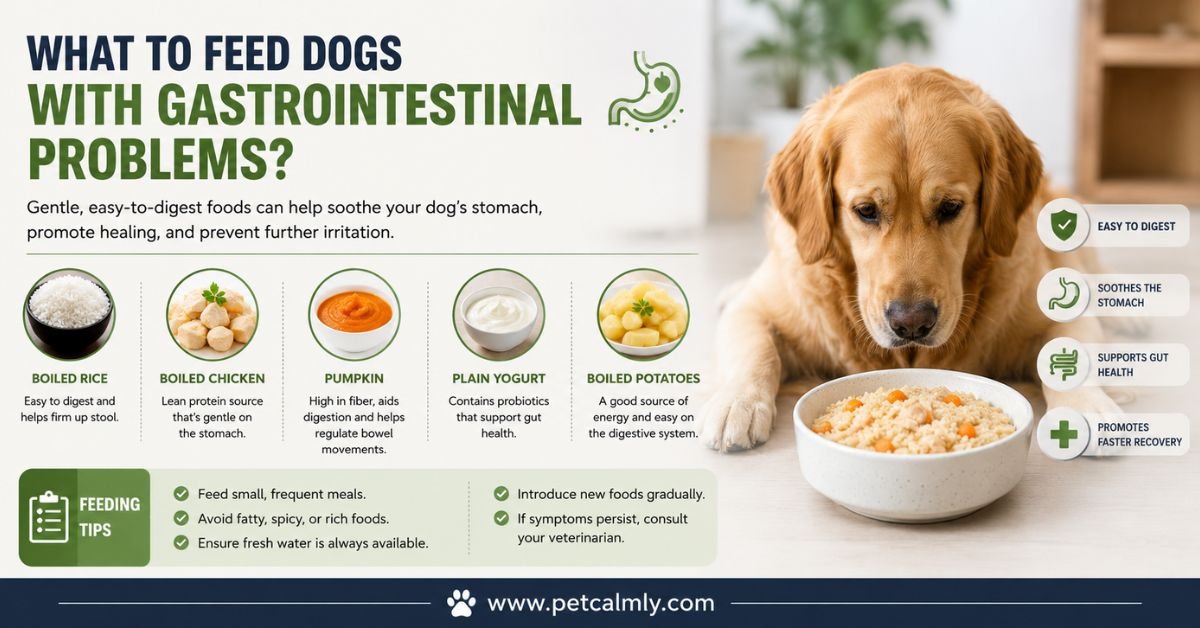
If your dog has gastrointestinal (GI) problems, the best foods are easy to digest, gentle on the stomach, and served in small, frequent meals. Common choices include plain boiled chicken or turkey, cooked white rice, plain pumpkin puree, boiled potatoes without seasoning, and prescription gastrointestinal diets recommended by your veterinarian. Always provide fresh water and avoid fatty, spicy, seasoned, or dairy-based foods. If vomiting, severe diarrhea, blood in the stool, extreme lethargy, or refusal to eat lasts more than 24 hours or sooner for puppies and senior dogs contact your veterinarian promptly.
What to Feed Dogs With Gastrointestinal Problems: A Complete Guide for Pet Owners
Watching your dog struggle with digestive problems can be worrying. Whether it’s vomiting after meals, loose stools, gas, or refusing food altogether, most owners immediately wonder what they should feed to help their dog recover.
The good news is that many mild gastrointestinal upsets improve with supportive care and a carefully chosen diet. Food plays a major role in giving the digestive tract a chance to rest while still providing the nutrients your dog needs to heal.
Not every stomach problem has the same cause, though. Some cases are triggered by eating something unusual, while others may be linked to food allergies, parasites, infections, chronic digestive diseases, or even stress. That’s why choosing the right food and knowing when home care isn’t enough is so important.
In this guide, you’ll learn:
- The best foods for dogs with gastrointestinal problems
- Which ingredients are easiest to digest
- Foods you should avoid completely
- When homemade meals may help
- When prescription diets are a better choice
- Signs that mean your dog needs veterinary care
By the end, you’ll have a practical feeding plan you can confidently follow while keeping your dog’s health and safety the top priority.
Understanding Gastrointestinal Problems in Dogs
“Gastrointestinal problems” is a broad term that refers to conditions affecting your dog’s digestive system, including the stomach, small intestine, large intestine, and colon.
Some digestive issues last only a day or two, while others become ongoing conditions that require long-term management.
Common gastrointestinal problems include:
- Mild stomach upset
- Acute diarrhea
- Vomiting
- Gastritis
- Colitis
- Gastroenteritis
- Food intolerance
- Food allergies
- Inflammatory bowel disease (IBD)
- Pancreatitis
- Parasites
- Dietary indiscretion (eating garbage or spoiled food)
Regardless of the cause, the digestive tract often becomes irritated and inflamed. Feeding highly digestible, low-fat foods can reduce the workload on the intestines and allow healing to begin.
Common Signs Your Dog Has a Digestive Problem
Some digestive problems are obvious, while others develop gradually.
Keep an eye out for symptoms such as:
- Vomiting
- Diarrhea
- Soft stools
- Constipation
- Excessive gas
- Loud stomach noises
- Reduced appetite
- Nausea or lip licking
- Drooling
- Weight loss
- Low energy
- Abdominal discomfort
- Eating grass more frequently
A single episode of vomiting or diarrhea isn’t always an emergency, especially if your dog is otherwise acting normally. However, persistent symptoms or signs of dehydration should never be ignored.
What to Feed Dogs With Gastrointestinal Problems
The best diet for a dog with gastrointestinal problems is one that is:
- Easy to digest
- Low in fat
- Moderate in protein
- Gentle on the stomach
- Nutritionally balanced
- Fed in small, frequent portions
Instead of feeding one or two large meals, offer several smaller meals throughout the day. Smaller portions place less stress on an irritated digestive system and may help reduce vomiting or diarrhea.
Characteristics of a Good Recovery Diet
Look for foods that provide:
| Nutrient or Feature | Why It Helps |
|---|---|
| Highly digestible protein | Supports healing without overworking digestion |
| Low fat | Reduces digestive strain and lowers the risk of worsening pancreatitis |
| Easily digested carbohydrates | Provide energy while being gentle on the stomach |
| Moderate fiber | Helps normalize stool consistency |
| Adequate moisture | Supports hydration during diarrhea or vomiting |
Many veterinarians recommend temporarily feeding a bland diet until symptoms improve, especially for uncomplicated digestive upset.
Best Bland Foods for Dogs With Gastrointestinal Problems
A bland diet isn’t meant to be a permanent solution. Instead, it’s designed to calm an irritated digestive tract while providing enough nutrition for recovery.
Here are some of the safest options.
Plain Boiled Chicken Breast
Skinless, boneless boiled chicken remains one of the most commonly recommended foods for mild digestive upset.
Why it helps:
- Lean source of protein
- Easy to digest
- Low in fat when skin is removed
- Gentle on inflamed stomachs
Avoid adding:
- Salt
- Garlic
- Onion
- Butter
- Oils
- Seasonings
Simply boil the chicken in plain water until fully cooked, then shred it into small pieces.
Cooked White Rice
White rice digests easily and provides carbohydrates that are gentle on the stomach.
It can also help firm loose stools in some dogs.
White rice is generally preferred over brown rice during digestive recovery because brown rice contains more fiber, which can be harder to digest during an upset stomach.
Plain Boiled Turkey
Turkey is another excellent lean protein source.
Choose:
- Skinless
- Boneless
- Plain cooked meat
- No seasoning
Ground turkey should also be very lean and cooked without oil.
Plain Pumpkin Puree
Pure pumpkin puree contains soluble fiber that may help regulate bowel movements.
Depending on the situation, pumpkin may:
- Help firm mild diarrhea
- Support constipation by adding moisture
- Feed beneficial gut bacteria
Be sure to use 100% plain pumpkin puree, not pumpkin pie filling, which contains sugar and spices that can upset your dog’s stomach.
Boiled Potatoes
Plain boiled white potatoes without butter or seasoning can be another gentle carbohydrate source.
Serve them:
- Peeled
- Fully cooked
- Mashed or chopped
- Plain
Avoid fried potatoes, chips, or potatoes cooked with oils or spices.
Plain Sweet Potato
Sweet potatoes offer digestible carbohydrates along with beneficial vitamins and fiber.
Serve them:
- Boiled
- Baked
- Mashed
- Without skin if your dog has severe digestive irritation
- Never seasoned
Feed only moderate amounts, as too much fiber may worsen diarrhea in some dogs.
Scrambled Eggs (In Some Cases)
Eggs provide highly digestible protein and important nutrients.
However, they should only be offered if:
- Your dog’s veterinarian approves
- Fat intake isn’t being restricted
- Your dog tolerates eggs well
Cook eggs plainly without:
- Butter
- Cheese
- Milk
- Oil
- Salt
Dogs recovering from pancreatitis or requiring a strict low-fat diet may need to avoid eggs temporarily.
Foods That Can Help Soothe an Irritated Stomach
Not every food works equally well for every dog. Some dogs respond better to simple proteins, while others benefit from foods that support healthy gut bacteria or provide additional moisture.
Here are a few options commonly recommended during recovery.
Plain Cooked Oatmeal
Well-cooked oatmeal can be gentle for some dogs with mild digestive upset.
It provides:
- Soluble fiber
- Slow-release carbohydrates
- Gentle energy source
Keep portions small, and never add sugar, raisins, or flavorings.
Low-Fat Cottage Cheese (Only for Dogs That Tolerate Dairy)
Some dogs digest small amounts of low-fat cottage cheese without problems, while others become worse due to lactose intolerance.
If your dog has never eaten dairy before or has reacted poorly in the past, skip this option.
Bone Broth (Unsalted)
Plain bone broth can encourage drinking and add moisture to meals.
Choose broth that contains:
- No onions
- No garlic
- No added salt
- No artificial flavors
Many store-bought broths contain ingredients that are unsafe for dogs, so always check the label carefully or prepare a plain homemade version.
Prescription Gastrointestinal Diets
For dogs with moderate or recurring digestive problems, veterinarians often recommend specially formulated gastrointestinal diets.
These diets are designed to:
- Improve nutrient absorption
- Reduce digestive irritation
- Provide highly digestible proteins
- Control fat levels
- Support healthy intestinal bacteria
They can be especially helpful for dogs recovering from gastroenteritis, chronic diarrhea, inflammatory bowel disease, or pancreatitis.
Unlike homemade bland diets, prescription foods are nutritionally complete and can often be fed safely for longer periods under veterinary guidance.
Should You Feed or Fast a Dog With Gastrointestinal Problems?
For years, many owners were told to withhold food for extended periods after vomiting. Today, veterinary guidance has shifted for many mild cases.
If your dog has had a single episode of vomiting but is otherwise bright, alert, and interested in food, your veterinarian may recommend offering a small amount of a bland, easily digestible meal after a short rest period rather than fasting for an entire day.
However, dogs that continue vomiting, cannot keep water down, seem painful, or show signs of dehydration should not be managed at home. Continuing to offer food in these situations can sometimes make matters worse and delay proper treatment.
When in doubt, especially with puppies, senior dogs, or dogs with underlying medical conditions, it’s safest to speak with your veterinarian before starting a home feeding plan.
Best Commercial Dog Foods for Gastrointestinal Problems
While a homemade bland diet can be helpful for short-term digestive upset, it doesn’t provide complete nutrition over time. If your dog needs to stay on a special diet for more than a few days or has recurring gastrointestinal issues, a veterinarian may recommend a therapeutic gastrointestinal formula.
These diets are carefully balanced to be easy on the digestive system while providing all the nutrients your dog needs.
What Makes a Good Gastrointestinal Dog Food?
Not every “sensitive stomach” food is suitable for dogs with true gastrointestinal disease. Look for foods that offer:
- Highly digestible protein sources
- Controlled fat levels
- Easily digestible carbohydrates
- Balanced fiber for gut health
- Added vitamins and minerals
- Omega-3 fatty acids for inflammation support
- Prebiotics or probiotics, when appropriate
Many veterinary diets are formulated after years of research and are often the best option for dogs with chronic digestive disorders.
Prescription Gastrointestinal Diets May Help Dogs With:
- Chronic diarrhea
- Frequent vomiting
- Gastroenteritis
- Inflammatory bowel disease (IBD)
- Pancreatitis (with appropriate low-fat formulas)
- Recovery after gastrointestinal surgery
- Food sensitivities
Always transition to a new food gradually unless your veterinarian recommends otherwise.
Homemade Diet Recipes for Dogs With Gastrointestinal Problems
A simple homemade meal can be useful for a few days while your dog’s stomach settles. However, these recipes are not intended as long-term diets, as they don’t provide complete and balanced nutrition.
Recipe 1: Classic Chicken and Rice
Ingredients
- 2 parts cooked white rice
- 1 part boiled skinless chicken breast
Instructions
- Boil the chicken without seasoning.
- Cook the rice until soft.
- Shred the chicken into small pieces.
- Mix well and allow it to cool before serving.
This combination is easy to digest and is often recommended for mild stomach upset.
Recipe 2: Turkey and Sweet Potato
Ingredients
- Lean ground turkey
- Boiled sweet potato
Cook the turkey thoroughly, drain any excess fat, and mix it with mashed sweet potato.
This recipe provides lean protein with easily digestible carbohydrates.
Recipe 3: Pumpkin Recovery Bowl
Combine:
- Plain boiled chicken
- White rice
- One or two teaspoons of plain pumpkin puree (amount depends on your dog’s size)
This can help support healthy stool consistency in some dogs with mild diarrhea.
How Much Should You Feed?
When your dog’s stomach is sensitive, smaller meals are usually better than large ones.
A practical approach is to:
- Divide the daily food amount into 4 to 6 small meals.
- Feed slowly rather than allowing your dog to eat too quickly.
- Observe your dog’s response after each meal.
If your dog keeps the food down and symptoms improve, you can gradually increase portion sizes and reduce meal frequency over the next several days.
Avoid letting your dog overeat, even if they suddenly seem very hungry after feeling unwell.
How to Transition Back to Regular Dog Food
Once your dog has gone 24 to 48 hours without vomiting and their stool is returning to normal, you can begin transitioning back to their regular diet.
A gradual transition helps prevent another digestive upset.
| Day | Bland Diet | Regular Food |
|---|---|---|
| 1 | 75% | 25% |
| 2 | 50% | 50% |
| 3 | 25% | 75% |
| 4 | 0% | 100% |
If diarrhea or vomiting returns during the transition, pause the change and contact your veterinarian for advice.
Foods to Avoid if Your Dog Has Gastrointestinal Problems
Some foods can make digestive irritation much worse or even lead to serious complications such as pancreatitis.
Avoid feeding:
- Fatty meats
- Fried foods
- Bacon
- Sausage
- Ham
- Pizza
- Fast food
- Cheese
- Butter
- Cream
- Ice cream
- Chocolate
- Grapes
- Raisins
- Onions
- Garlic
- Chives
- Spicy foods
- Highly seasoned leftovers
- Sugary treats
- Rich table scraps
- Bones
- Rawhide chews during active stomach upset
Even foods that seem harmless to people may be difficult for an inflamed digestive system to handle.
Should Dogs With Gastrointestinal Problems Eat Treats?
During recovery, it’s usually best to avoid treats altogether.
Treats even healthy ones can introduce extra fat, unfamiliar ingredients, or excess calories that may slow healing.
Once your dog has recovered, choose treats that are:
- Low in fat
- Easy to digest
- Given in moderation
- Appropriate for any diagnosed food sensitivities
If your veterinarian has prescribed a therapeutic diet, ask whether matching prescription treats are available.
Keeping Your Dog Hydrated During Digestive Illness
Vomiting and diarrhea can quickly lead to dehydration, especially in puppies, senior dogs, and small breeds.
Encourage your dog to drink by:
- Providing fresh, clean water at all times.
- Offering small amounts frequently instead of allowing them to gulp large volumes.
- Mixing extra water into bland meals if recommended.
- Using plain, unsalted bone broth to encourage drinking, provided it contains no onion, garlic, or excessive sodium.
Signs of Dehydration
Watch for:
- Dry or sticky gums
- Sunken eyes
- Loss of skin elasticity
- Lethargy
- Weakness
- Reduced urination
- Panting without exercise
If your dog cannot keep water down or shows signs of dehydration, seek veterinary care promptly. Dehydration can become serious in a short period of time.
Should You Give Probiotics?
Probiotics may help restore the balance of beneficial bacteria in the gut, particularly after diarrhea or certain illnesses.
Some veterinary-formulated probiotics may:
- Support digestive recovery
- Improve stool quality
- Reduce the duration of mild diarrhea
- Promote a healthier intestinal environment
However, not every probiotic product is the same. Human supplements are not always appropriate for dogs, and some digestive conditions require specific strains or treatments.
Speak with your veterinarian before starting a probiotic, especially if your dog has chronic gastrointestinal disease or is taking medication.
Feeding Puppies With Gastrointestinal Problems
Puppies need special attention because they can become dehydrated and develop low blood sugar much faster than adult dogs.
If your puppy has digestive upset:
- Offer small, frequent meals if advised by your veterinarian.
- Never leave a young puppy without food for extended periods unless specifically instructed.
- Monitor hydration closely.
- Watch for reduced energy, weakness, or continued vomiting.
- Keep them warm and comfortable.
Seek veterinary care immediately if your puppy:
- Vomits repeatedly
- Has severe diarrhea
- Has blood in the stool
- Refuses food
- Appears weak or collapses
Young puppies can deteriorate quickly, so it’s safest to err on the side of caution.
Feeding Senior Dogs With Gastrointestinal Problems
Older dogs often have additional health conditions that can affect digestion, such as kidney disease, liver disease, diabetes, or pancreatitis.
When caring for a senior dog:
- Choose highly digestible foods.
- Avoid sudden diet changes.
- Feed smaller meals throughout the day.
- Monitor body weight regularly.
- Keep fresh water easily accessible.
- Follow any dietary recommendations for existing medical conditions.
Digestive symptoms in older dogs are also more likely to be linked to underlying disease, so recurring vomiting, diarrhea, or unexplained weight loss should always be evaluated by a veterinarian.
Can Stress Cause Gastrointestinal Problems?
Yes. Just like people, dogs can experience digestive upset during periods of stress or anxiety.
Common triggers include:
- Boarding or kennel stays
- Moving to a new home
- Changes in routine
- Loud storms or fireworks
- Traveling
- Introducing a new pet
- Visits from unfamiliar guests
Stress can affect how quickly food moves through the digestive tract and may contribute to diarrhea, reduced appetite, or vomiting in some dogs.
Keeping routines predictable, providing a quiet resting area, and avoiding unnecessary dietary changes during stressful periods can help support digestive health.
What Causes Gastrointestinal Problems in Dogs?
Digestive problems can develop for many different reasons. Some are mild and resolve within a day or two, while others require medical treatment or long-term management.
Understanding the possible cause can help you respond appropriately and reduce the risk of future episodes.
1. Eating Something They Shouldn’t
One of the most common reasons dogs develop stomach upset is dietary indiscretion a veterinary term for eating inappropriate items.
Examples include:
- Garbage
- Spoiled food
- Greasy leftovers
- Bones
- Toys
- Grass in large amounts
- Socks or other household objects
- Excessive treats
Some dogs have sensitive stomachs, while others seem willing to eat almost anything they find. Unfortunately, even a single inappropriate meal can trigger vomiting or diarrhea.
Real-Life Example
A Labrador that raids the trash after a family barbecue may wake up the next morning with vomiting and loose stools because their digestive system is struggling to process rich, fatty foods.
2. Sudden Diet Changes
Dogs adapt to their regular food over time. Switching foods too quickly can upset the balance of bacteria in the digestive tract.
Instead of changing foods overnight, transition gradually over 7–10 days whenever possible.
Slow transitions are especially important for dogs with:
- Sensitive stomachs
- Food allergies
- Previous digestive issues
- Senior age
3. Food Intolerance
Food intolerance differs from a food allergy.
A dog with food intolerance struggles to digest certain ingredients, which may lead to:
- Gas
- Loose stool
- Vomiting
- Stomach discomfort
- Increased bowel movements
Common trigger ingredients may include:
- Dairy products
- High-fat foods
- Certain proteins
- Artificial additives
Unlike allergies, food intolerance doesn’t involve the immune system.
4. Food Allergies
Food allergies are less common than food intolerance but can affect both the digestive system and the skin.
Some dogs develop:
- Chronic diarrhea
- Vomiting
- Itchy skin
- Ear infections
- Paw licking
- Red or inflamed skin
If a food allergy is suspected, your veterinarian may recommend a carefully supervised elimination diet using a novel or hydrolyzed protein source.
5. Intestinal Parasites
Parasites can irritate the digestive tract and interfere with nutrient absorption.
Common intestinal parasites include:
- Roundworms
- Hookworms
- Whipworms
- Giardia
- Coccidia
Depending on the parasite, symptoms may include:
- Diarrhea
- Weight loss
- Poor coat quality
- Vomiting
- Bloated abdomen
- Reduced growth in puppies
Regular fecal testing and routine parasite prevention are important parts of maintaining digestive health.
6. Bacterial or Viral Infections
Some gastrointestinal illnesses are caused by infectious organisms.
Signs may include:
- Sudden vomiting
- Severe diarrhea
- Fever
- Lethargy
- Poor appetite
Young puppies are particularly vulnerable because infections can progress quickly.
7. Chronic Digestive Diseases
Not every stomach problem is temporary.
Some dogs live with long-term digestive disorders such as:
- Inflammatory bowel disease (IBD)
- Chronic enteropathy
- Pancreatitis
- Exocrine pancreatic insufficiency (EPI)
These conditions often require:
- Prescription diets
- Long-term medication
- Regular veterinary monitoring
- Careful nutrition management
5 Common Mistakes Dog Owners Make During Digestive Upset
Most owners are trying to help, but a few common mistakes can unintentionally make gastrointestinal problems worse.
1: Feeding Rich “Comfort Foods”
Offering cheese, hamburgers, steak, or other rich foods may seem kind, but fatty meals often place additional stress on the digestive system.
Stick to bland, low-fat foods unless your veterinarian advises otherwise.
2: Giving Too Much Food Too Soon
Even if your dog seems hungry after vomiting, a large meal can overwhelm an irritated stomach.
Instead:
- Offer very small portions.
- Wait to see how your dog responds.
- Increase amounts gradually.
3: Switching Foods Repeatedly
Changing foods every day in search of a “perfect” option often creates even more digestive upset.
Unless instructed otherwise, give the digestive system time to adjust before introducing another diet.
4: Offering Human Medications
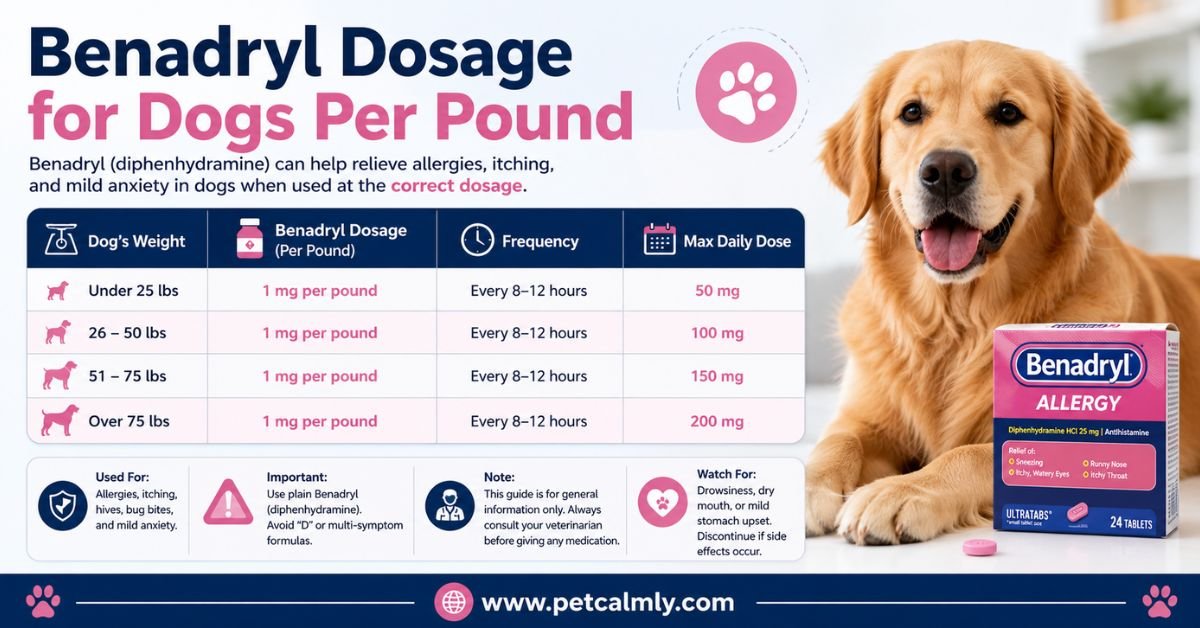
Some over-the-counter medications that are safe for people can be dangerous or even life-threatening for dogs.
Never give medications such as pain relievers, anti-diarrheal drugs, or stomach remedies without veterinary guidance.
5: Ignoring Persistent Symptoms
Many mild stomach upsets improve within a day or two.
However, persistent vomiting, ongoing diarrhea, weight loss, or repeated digestive episodes deserve veterinary attention rather than continued home treatment.
How Long Does It Take for a Dog to Recover?
Recovery depends on the underlying cause.
Here’s a general guide:
| Condition | Typical Recovery Time |
|---|---|
| Mild dietary indiscretion | 1–3 days |
| Minor stomach irritation | 2–4 days |
| Mild diarrhea | 2–5 days |
| Gastroenteritis | Several days to over a week |
| Food allergy | Weeks after dietary changes |
| Chronic digestive disease | Long-term management |
If your dog is improving each day, that’s reassuring. If symptoms remain the same or worsen, it’s time for a veterinary evaluation.
When Should You Worry About Gastrointestinal Problems?
Some digestive problems require immediate medical attention rather than home care.
Contact Your Veterinarian Promptly If Your Dog Has:
- Repeated vomiting
- Vomiting that continues for several hours
- Bloody diarrhea
- Black, tarry stools
- Blood in vomit
- Severe abdominal pain
- Swollen abdomen
- Refuses water
- Cannot keep water down
- Extreme lethargy
- Collapse
- Difficulty breathing
- Signs of dehydration
- Rapid weight loss
These signs may indicate a serious condition that needs professional diagnosis and treatment.
Seek Emergency Care Immediately If Your Dog:
- Swallows a foreign object
- Ingests a known toxin
- Has persistent retching without producing vomit (which can be a sign of gastric dilatation-volvulus, or bloat)
- Becomes unconscious
- Has seizures
- Shows signs of shock, such as pale gums, weakness, or collapse
Prompt treatment can make a significant difference in these emergencies.
What Should Pet Owners Do During Recovery?
Caring for a dog with gastrointestinal problems is about more than choosing the right food. A calm environment and close observation also support recovery.
Step 1: Keep Meals Small
Feed several small meals throughout the day instead of one or two large ones.
Step 2: Encourage Hydration
Always provide fresh water.
If your dog drinks too quickly and vomits, ask your veterinarian about offering smaller amounts more frequently.
Step 3: Allow Plenty of Rest
The digestive system, like the rest of the body, benefits from rest during illness.
Avoid strenuous exercise until your dog is eating normally and has regained energy.
Step 4: Monitor Symptoms
Keep track of:
- Appetite
- Water intake
- Vomiting episodes
- Stool consistency
- Energy level
- Body weight (for prolonged illness)
Writing these observations down can help your veterinarian identify patterns and guide treatment if needed.
Step 5: Follow Veterinary Instructions
If your veterinarian prescribes medication or a therapeutic diet, follow the plan as directed, even if your dog seems to improve quickly.
Stopping treatment too soon may lead to a relapse.
How to Help Prevent Future Gastrointestinal Problems
While not every digestive illness can be prevented, a few consistent habits can lower your dog’s risk.
Feed a Consistent, High-Quality Diet
Avoid frequent food changes unless medically necessary.
If a new food is needed, transition gradually over several days.
Prevent Scavenging
Keep garbage secured and supervise your dog during walks to reduce the chance of eating spoiled food or foreign objects.
Introduce New Treats Slowly
Offer only one new treat at a time and watch for signs of digestive upset.
This makes it easier to identify any ingredient that doesn’t agree with your dog.
Keep Up With Parasite Prevention
Routine deworming and preventive medications, as recommended by your veterinarian, can reduce the risk of parasite-related digestive problems.
Schedule Regular Veterinary Checkups
Annual or twice-yearly wellness exams can help detect health issues before they become serious.
For senior dogs or those with chronic digestive conditions, more frequent monitoring may be recommended.
Daily Digestive Health Checklist
Use this simple checklist to support your dog’s gastrointestinal health every day:
✔ Feed a balanced, high-quality diet appropriate for your dog’s age and health.
✔ Transition to new foods gradually over 7–10 days.
✔ Provide fresh, clean drinking water at all times.
✔ Avoid feeding greasy table scraps or highly processed human foods.
✔ Keep toxic foods and household hazards out of reach.
✔ Prevent access to garbage, compost, and spoiled food.
✔ Maintain a healthy body weight through proper diet and exercise.
✔ Stay current with parasite prevention and routine veterinary care.
✔ Watch for changes in appetite, stool quality, or energy level.
✔ Seek veterinary advice if digestive symptoms persist, worsen, or recur frequently.
Frequently Asked Questions
1. What is the best food for a dog with gastrointestinal problems?
The best food depends on the underlying cause of your dog’s digestive issue. For mild stomach upset, many veterinarians recommend a bland diet made with plain boiled chicken or turkey and cooked white rice for a short period. Dogs with chronic digestive diseases may benefit more from a prescription gastrointestinal diet because it’s nutritionally complete and specially formulated to be easy to digest.
If your dog’s symptoms are severe, recurring, or last longer than a day or two, consult your veterinarian before making major dietary changes.
2. Can I feed my dog scrambled eggs if they have an upset stomach?
Plain, fully cooked scrambled eggs may be suitable for some dogs because they provide easily digestible protein. However, they should be cooked without butter, oil, milk, cheese, or seasoning.
Dogs with pancreatitis or those on a low-fat diet may need to avoid eggs temporarily. If you’re unsure whether eggs are appropriate for your dog, ask your veterinarian.
3. How long should I feed a bland diet to my dog?
A bland diet is generally intended as a short-term solution. Many dogs with mild digestive upset improve within two to three days.
Once your dog has been eating normally and has had firm stools for at least 24 to 48 hours, you can gradually transition back to their regular food over several days.
Avoid feeding a homemade bland diet long-term unless it has been formulated and approved by a veterinary nutrition professional.
4. Is pumpkin good for dogs with gastrointestinal problems?
Yes, plain 100% pumpkin puree can help some dogs with mild digestive issues because it contains soluble fiber that supports healthy bowel function.
It’s important to use plain pumpkin puree not pumpkin pie filling, which contains sugar and spices that are unsuitable for dogs.
Pumpkin isn’t a cure for every digestive problem, but it can be a helpful addition to a veterinarian-approved recovery diet.
5. Should I stop feeding my dog if they are vomiting?
Not necessarily.
Current veterinary guidance often favors reintroducing small amounts of easily digestible food after a short rest period in mild cases, provided your dog is alert and able to keep water down.
However, if vomiting continues, your dog cannot hold down water, seems painful, or appears weak or dehydrated, don’t continue feeding at home. Contact your veterinarian as soon as possible.
6. What foods should dogs with gastrointestinal problems never eat?
During digestive recovery, avoid foods that are high in fat, heavily seasoned, or difficult to digest.
These include:
- Fried foods
- Fatty meats
- Bacon
- Sausage
- Pizza
- Rich table scraps
- Chocolate
- Grapes
- Raisins
- Onions
- Garlic
- Spicy foods
- Sugary desserts
- Alcohol
- Foods containing xylitol (birch sugar)
Keeping these foods out of your dog’s diet can help prevent additional irritation and reduce the risk of more serious health problems.
More Information About Pets, Please Visit Our Website: What Is the Most Common Disease in Dogs?
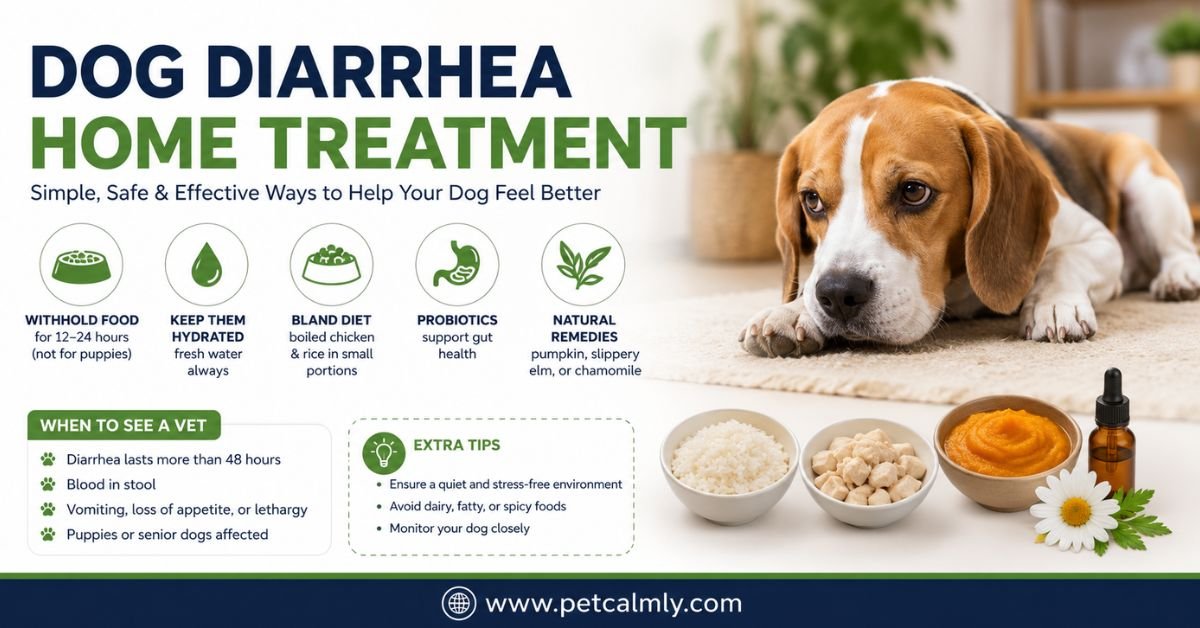
Dog Diarrhea Home Treatment
Vet Recommended Supplements for Dogs
Conclusion
Digestive problems are one of the most common reasons dogs visit the veterinarian, and while many mild cases improve with supportive care, the right diet can make a significant difference in your dog’s comfort and recovery.
When deciding what to feed dogs with gastrointestinal problems, focus on foods that are gentle, highly digestible, and low in fat. Plain boiled chicken or turkey, cooked white rice, plain pumpkin puree, and veterinarian-recommended gastrointestinal diets are often good starting points for dogs with mild digestive upset. Feeding smaller meals throughout the day and ensuring your dog stays hydrated can also help reduce strain on the digestive system.
At the same time, remember that food alone cannot treat every gastrointestinal condition. Persistent vomiting, ongoing diarrhea, blood in the stool or vomit, severe abdominal pain, dehydration, or repeated digestive episodes may signal a more serious underlying problem that requires veterinary attention.
Every dog is different. Age, breed, medical history, and the cause of the digestive issue all influence the best feeding plan. By observing your dog’s symptoms, avoiding common dietary mistakes, and working with your veterinarian when needed, you can help support a smoother recovery and protect your dog’s long-term digestive health.
With patience, careful feeding, and prompt medical care when necessary, most dogs with mild gastrointestinal problems return to their happy, energetic selves and can enjoy a healthy, balanced diet once again.