Short direct answer
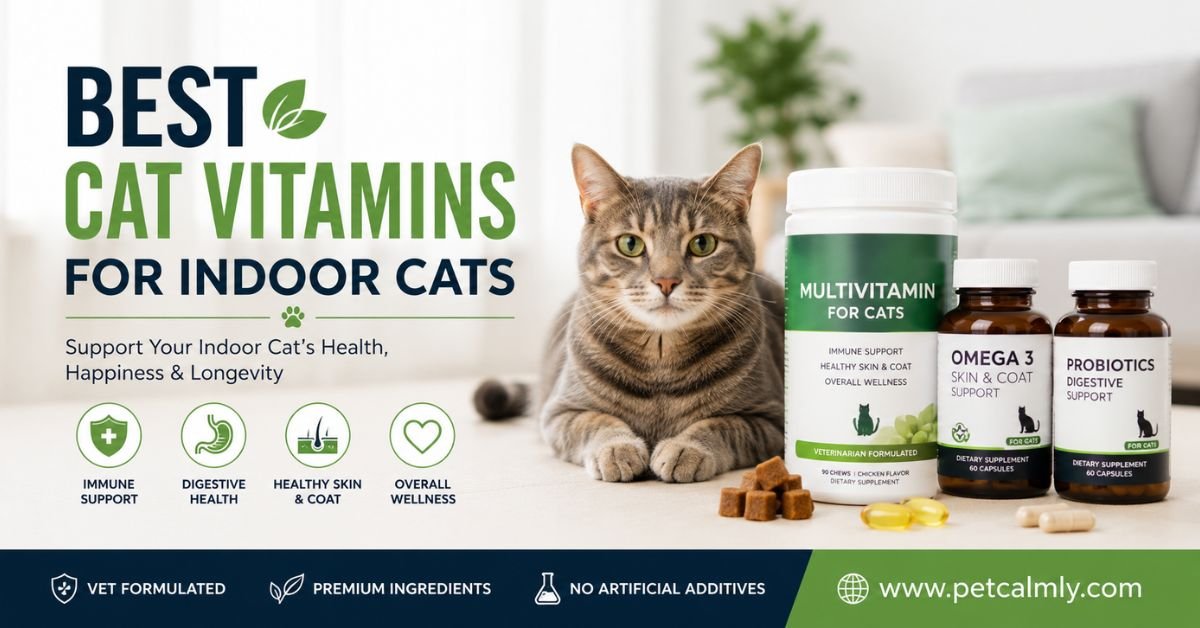
The best cat vitamins for indoor cats are those that fill genuine nutritional gaps rather than replacing a balanced diet. Most healthy indoor cats eating a complete and balanced commercial cat food do not require daily vitamin supplements. However, some cats including seniors, picky eaters, cats recovering from illness, or those with specific health concerns may benefit from targeted supplements such as omega-3 fatty acids, probiotics, joint-support nutrients, or veterinarian-approved multivitamins. Choosing supplements made specifically for cats and using them only when appropriate is the safest approach.
Introduction
Indoor cats often enjoy longer lives than outdoor cats thanks to reduced exposure to traffic, predators, infectious diseases, and harsh weather. Even so, life indoors comes with its own challenges. Limited exercise, less environmental variety, hairball buildup, weight gain, and age-related health changes can all affect their overall well-being.
As a caring owner, it’s natural to wonder whether your cat needs additional nutritional support. Pet store shelves are filled with multivitamins, immune boosters, skin supplements, calming chews, and digestive powders, making it difficult to know what is genuinely helpful and what is simply clever marketing.
The truth is that vitamins are not a cure-all. A high-quality complete cat food already provides the nutrients most healthy cats need every day. Supplements become valuable only when they address a specific need or are recommended by your veterinarian.
This guide explains when vitamins make sense, which ingredients deserve your attention, and how to choose supplements that support your indoor cat’s health without unnecessary risks.
Do Indoor Cats Really Need Vitamins?
The simple answer is: not always.
Many owners assume that because humans often take daily vitamins, cats should too. Cats, however, have very different nutritional requirements.
Commercial cat foods labeled as “complete and balanced” are formulated to meet established feline nutritional standards. When your indoor cat consistently eats an appropriate diet and maintains good health, additional vitamins may provide little or no extra benefit.
However, there are situations where supplementation can be useful.
Indoor Cats That May Benefit From Supplements
Some cats have nutritional or health needs that go beyond what diet alone can easily support.
These include:
- Senior cats with aging joints
- Cats recovering from surgery or illness
- Picky eaters with inconsistent diets
- Cats with digestive disorders that affect nutrient absorption
- Cats experiencing excessive shedding or dry skin
- Cats with veterinarian-diagnosed deficiencies
- Indoor cats with chronic stress that affects appetite
- Cats eating homemade diets without veterinary formulation
In these cases, targeted supplementation may support overall health when used alongside proper veterinary care.
When Vitamins Usually Aren’t Necessary
Many healthy indoor cats are already receiving excellent nutrition.
Additional vitamins may be unnecessary if your cat:
- Eats a complete commercial diet every day
- Maintains a healthy body weight
- Has a shiny coat
- Has normal energy levels
- Receives regular veterinary checkups
- Shows no signs of nutritional deficiency
Adding unnecessary supplements can sometimes create nutritional imbalances, especially with fat-soluble vitamins that accumulate in the body.
Why Indoor Cats Have Different Nutritional Challenges
Although indoor cats are generally safer, their lifestyle differs from that of outdoor cats in several ways.
Indoor cats often:
- Exercise less
- Spend more time resting
- Gain weight more easily
- Groom themselves more frequently
- Experience boredom if not mentally stimulated
- Develop more hairballs
- Live long enough to experience age-related conditions
These factors don’t automatically mean they need vitamins, but they can influence which supplements become helpful over time.
What Makes the Best Cat Vitamins for Indoor Cats?
Not every supplement marketed for cats is equally beneficial. The best products are designed to support specific health needs instead of promising unrealistic results.
Look for Targeted Nutrition Instead of Marketing Claims
A quality supplement should clearly explain:
- Which nutrients it contains
- Why those nutrients are included
- Recommended dosage
- Appropriate life stages
- Safety information
- Manufacturing quality standards
Avoid products that promise miracle cures or claim to treat diseases.
Choose Supplements Made Specifically for Cats
Cats process nutrients differently from dogs and humans.
Human vitamins often contain inappropriate ingredient levels or sweeteners that may be unsafe for cats.
Similarly, dog supplements may not provide the correct nutrient balance for feline metabolism.
Always choose products formulated specifically for cats.
Check Ingredient Quality
A trustworthy supplement lists its active ingredients clearly rather than hiding them behind vague proprietary blends.
Look for products with transparent labeling and minimal unnecessary fillers, artificial colors, or flavorings.
Prioritize Safety Over Quantity
More ingredients do not automatically make a better supplement.
A carefully formulated product with a few evidence-based nutrients is often more useful than one containing dozens of unnecessary vitamins.
Essential Vitamins and Nutrients Indoor Cats May Benefit From
Different nutrients support different body systems. Understanding their roles helps you choose supplements more wisely.
Omega-3 Fatty Acids
Omega-3 fatty acids support several important functions.
Potential benefits include:
- Healthier skin
- Shinier coat
- Reduced inflammation
- Joint comfort
- Brain function
- Heart health
Many veterinarians recommend fish oil supplements for cats with skin or joint concerns because omega-3s have been studied extensively.
Vitamin B Complex
B vitamins help the body convert food into energy and support healthy nerve function.
Cats recovering from illness or experiencing reduced appetite may sometimes benefit from additional B vitamins under veterinary guidance.
Vitamin E
Vitamin E acts as an antioxidant that helps protect cells from oxidative damage.
It also contributes to healthy skin and immune function.
Excessive supplementation, however, should be avoided unless recommended by a veterinarian.
Taurine
Although taurine is technically an amino acid rather than a vitamin, it deserves special attention.
Cats cannot produce enough taurine on their own.
Adequate taurine supports:
- Vision
- Heart function
- Reproduction
- Nervous system health
- Immune function
Fortunately, reputable commercial cat foods already contain appropriate taurine levels.
Probiotics
Healthy digestion is closely connected to overall wellness.
Probiotics may help:
- Maintain healthy gut bacteria
- Improve stool consistency
- Support digestion
- Reduce mild digestive upset
- Strengthen immune health
Not every cat requires probiotics, but they can be useful after antibiotic treatment or during digestive disturbances.
Joint Support Ingredients
Older indoor cats often become less active due to joint stiffness.
Some supplements include ingredients such as:
- Glucosamine
- Chondroitin
- MSM
- Green-lipped mussel extract
These ingredients may help support joint comfort and mobility, especially in aging cats.
How to Choose the Best Cat Vitamins for Indoor Cats
Walking into a pet store or browsing online can be overwhelming. There are multivitamins, skin and coat chews, immune powders, calming treats, and digestive supplements all claiming to be the perfect choice.
The key is to focus on your cat’s individual needs, not flashy packaging.
Start With Your Cat’s Diet
Before buying any supplement, ask yourself one important question:
Is my cat already eating a complete and balanced diet?
If the answer is yes, your cat may already be getting the essential vitamins and minerals they need every day. Supplements should support good nutrition, not replace it.
If your cat eats:
- A complete commercial wet food
- A complete commercial dry food
- A mix of both with balanced nutrition
…there may be little need for a daily multivitamin unless your veterinarian recommends one.
On the other hand, supplementation may be worth discussing if your cat:
- Eats homemade meals
- Is recovering from illness
- Has digestive disorders
- Is a senior with age-related changes
- Has poor appetite
- Has specific nutritional deficiencies
Match the Supplement to the Health Goal
Avoid buying a product simply because it says “complete.”
Instead, identify what you’re trying to improve.
| Health Goal | Helpful Nutrients |
|---|---|
| Healthy coat | Omega-3 fatty acids, Vitamin E |
| Skin support | Fish oil, Omega-3s |
| Digestive health | Probiotics, prebiotics |
| Hairball management | Fiber supplements (when appropriate) |
| Joint mobility | Glucosamine, chondroitin, green-lipped mussel |
| Senior wellness | Joint nutrients, antioxidants, Omega-3s |
| Immune support | Balanced antioxidants, probiotics |
| Recovery after illness | Veterinary-guided multivitamins or targeted nutrients |
Choosing supplements with a clear purpose helps avoid unnecessary ingredients and supports better results.
Read the Ingredient List Carefully
A trustworthy supplement should make it easy to understand what you’re giving your cat.
Look for:
- Clearly listed active ingredients
- Ingredient amounts per serving
- Feeding instructions
- Manufacturing information
- Expiration date
- Quality testing information when available
Be cautious of products that rely on vague phrases like:
- “Proprietary wellness blend”
- “Secret formula”
- “Miracle health complex”
Transparency is usually a good sign of quality.
Consider Your Cat’s Preferences
Even the best supplement won’t help if your cat refuses to eat it.
Supplements come in several forms:
- Soft chews
- Liquid drops
- Powders
- Capsules
- Tablets
- Gel pastes
- Fish oil pumps
Some cats happily eat flavored chews, while others accept powder mixed into wet food more easily.
If your cat is especially picky, introducing a supplement gradually often works better than offering a full dose immediately.
Best Types of Cat Vitamin Supplements for Indoor Cats
Not every indoor cat benefits from the same type of supplement. Understanding the different options can help you choose one that matches your cat’s needs.
Multivitamins
Multivitamins contain a blend of vitamins and minerals designed to support general health.
They may be appropriate for:
- Cats eating incomplete diets
- Picky eaters
- Cats recovering from illness
- Certain senior cats
Healthy adult cats eating balanced commercial food often do not require a daily multivitamin.
Skin and Coat Supplements
These products usually contain:
- Fish oil
- Omega-3 fatty acids
- Vitamin E
- Fatty acids from marine sources
They may help support:
- Dry skin
- Excessive shedding
- Dull coats
- Seasonal skin changes
Results usually develop gradually over several weeks rather than overnight.
Digestive Supplements
Digestive health plays an important role in nutrient absorption and overall wellness.
These supplements often include:
- Probiotics
- Prebiotics
- Digestive enzymes
- Soluble fiber
Some cats benefit after:
- Antibiotic treatment
- Mild digestive upset
- Stress-related stomach changes
- Dietary transitions
Joint Supplements
Indoor cats often live well into their senior years, making joint care increasingly important.
Joint supplements commonly include:
- Glucosamine
- Chondroitin
- MSM
- Green-lipped mussel extract
- Omega-3 fatty acids
They work best when started before severe mobility problems develop.
Hairball Support Supplements
Indoor cats spend much of their day grooming.
As a result, they often swallow significant amounts of hair.
Hairball supplements may contain:
- Fiber
- Lubricating ingredients
- Digestive support nutrients
These products can help hair move through the digestive tract more comfortably when combined with regular grooming.
Choosing Vitamins Based on Your Cat’s Age
Age affects nutritional needs just as much as lifestyle.
Kittens
Growing kittens require carefully balanced nutrition to support healthy development.
Most kittens eating complete kitten food do not need extra vitamins unless specifically recommended by a veterinarian.
Adding unnecessary supplements can interfere with proper nutrient balance during growth.
Adult Indoor Cats
Healthy adults generally thrive on complete commercial diets.
Supplements become more appropriate if they have:
- Skin concerns
- Digestive issues
- Mild joint stiffness
- Hairball problems
- Reduced appetite
Targeted support is usually more beneficial than a broad-spectrum multivitamin.
Senior Indoor Cats
As cats age, their nutritional priorities often change.
Senior cats may benefit from supplements that support:
- Joint comfort
- Brain function
- Digestive health
- Healthy weight maintenance
- Skin and coat quality
Older cats should also receive regular veterinary checkups because changes in appetite, weight, or activity may indicate underlying medical conditions rather than simple aging.
Ingredients to Avoid in Cat Vitamin Supplements
Not every ingredient belongs in a feline supplement.
Knowing what to avoid is just as important as knowing what to look for.
Excessive Fat-Soluble Vitamins
Vitamins A, D, E, and K are stored in the body.
Too much supplementation over time can contribute to toxicity.
Avoid combining multiple vitamin products unless advised by your veterinarian.
Artificial Fillers
While not always dangerous, excessive fillers may reduce overall product quality.
Examples include:
- Artificial colors
- Unnecessary preservatives
- Excess sugar
- Large amounts of fillers with little nutritional value
Simpler ingredient lists are often preferable.
Human Sweeteners
Never give human vitamins to your cat.
Some human supplements contain ingredients that may be harmful to pets, including certain sweeteners and flavorings.
Always choose products made specifically for feline use.
Unverified Herbal Blends
Some supplements include numerous herbs with limited evidence for cats.
Natural does not automatically mean safe.
If a product contains unfamiliar herbs without explaining their purpose, it’s worth discussing with your veterinarian before use.
Common Mistakes Cat Owners Make When Giving Vitamins
Even well-meaning owners can accidentally misuse supplements.
Avoid these common mistakes.
Assuming More Is Better
Giving extra vitamins does not necessarily improve health.
Too much of certain nutrients can actually create health problems.
Always follow the recommended serving guidelines.
Ignoring the Diet
Supplements cannot compensate for poor nutrition.
If your cat eats an incomplete or low-quality diet, improving the food often has a greater impact than adding vitamins.
Choosing Products Based Only on Reviews
Online reviews can be helpful, but every cat is different.
A supplement that worked well for another owner’s cat may not be the right choice for yours.
Consider your cat’s age, health status, and veterinary recommendations alongside customer feedback.
Expecting Instant Results
Most nutritional supplements work gradually.
For example:
- Skin improvements may take several weeks.
- Joint support often requires consistent daily use.
- Digestive supplements may show results within days or may take longer, depending on the cat.
Patience and consistency are important.
Forgetting Regular Veterinary Care
Supplements are designed to support health not diagnose or treat diseases.
If your cat develops new symptoms such as weight loss, vomiting, diarrhea, lethargy, or appetite changes, schedule a veterinary examination rather than relying on vitamins alone.
How to Give Vitamins to a Picky Indoor Cat
Some cats eagerly accept supplements, while others can detect even the smallest change in their food.
A gentle approach usually works best.
Mix Powders Into Wet Food
Strong-smelling wet food often hides powdered supplements better than dry kibble.
Start with a small amount and gradually increase to the full serving.
Use Positive Reinforcement
Offer praise, gentle affection, or a favorite play session after giving the supplement.
This helps create a positive association.
Try Different Forms
If your cat refuses tablets, another format may work better.
Many supplements are available as:
- Soft chews
- Liquids
- Powders
- Gel pastes
- Capsules that can be opened and sprinkled onto food
Introduce One Supplement at a Time
Adding several new products at once makes it difficult to identify what works or what may cause digestive upset.
Introduce new supplements gradually and monitor your cat for changes in appetite, stool quality, and overall behavior.
Expert Tips for Buying Cat Vitamins
Before making a purchase, use this quick checklist.
✔ Designed specifically for cats
✔ Matches your cat’s health needs
✔ Clear ingredient list
✔ Appropriate dosage instructions
✔ Easy-to-administer form
✔ Minimal unnecessary fillers
✔ Suitable for your cat’s life stage
✔ Recommended or approved by your veterinarian when needed
A thoughtful choice based on your cat’s individual needs is far more valuable than buying the supplement with the most marketing claims.
When Should You Worry About Your Indoor Cat’s Health?
Vitamins can support overall wellness, but they are not a substitute for veterinary care. If your cat suddenly develops new symptoms, it’s important to look beyond nutrition.
Some health problems that appear to be caused by a vitamin deficiency may actually be linked to underlying medical conditions such as dental disease, kidney disease, diabetes, thyroid disorders, food allergies, or digestive illnesses.
Contact your veterinarian if your indoor cat shows any of the following signs:
- Unexplained weight loss
- Loss of appetite lasting more than 24 hours (or any loss of appetite in a kitten)
- Frequent vomiting or diarrhea
- Persistent constipation
- Drinking or urinating much more than usual
- Difficulty walking or jumping
- Ongoing lethargy or weakness
- A dull coat with bald patches or severe skin irritation
- Sudden behavior changes
- Trouble breathing
- Pale gums or signs of dehydration
These symptoms require a proper diagnosis. Adding more vitamins without identifying the underlying cause may delay appropriate treatment.
What Should Pet Owners Do Before Giving Vitamins?
Choosing a supplement shouldn’t be the first step. Instead, start by evaluating your cat’s overall health and daily routine.
Step 1: Assess Your Cat’s Diet
Ask yourself:
- Does my cat eat a complete and balanced commercial food?
- Is my cat maintaining a healthy weight?
- Does my cat finish most meals?
- Has anything changed recently?
Many nutrition concerns can be addressed by improving food quality rather than adding supplements.
Step 2: Schedule Regular Wellness Exams
Even healthy indoor cats benefit from routine veterinary checkups.
These visits can help detect problems early, including:
- Dental disease
- Weight changes
- Arthritis
- Heart conditions
- Kidney disease
- Nutritional concerns
Your veterinarian can also recommend whether a supplement is appropriate based on your cat’s age, medical history, and diet.
Step 3: Introduce Only One New Supplement
If you decide to add a vitamin or nutritional supplement, avoid making multiple changes at once.
Introducing one product at a time makes it easier to:
- Monitor effectiveness
- Watch for digestive upset
- Identify possible sensitivities
- Track improvements
Keep notes about any changes in your cat’s appetite, coat quality, activity level, or stool consistency.
Step 4: Follow Feeding Directions Carefully
More is not better.
Always:
- Measure doses accurately.
- Follow the manufacturer’s instructions.
- Ask your veterinarian before combining multiple supplements.
- Store products according to label directions.
Consistency is often more important than giving larger amounts.
Daily Habits That Naturally Support Your Indoor Cat’s Health
Supplements work best when they’re part of a complete wellness routine. Many everyday habits have a bigger impact on your cat’s health than vitamins alone.
Feed a High-Quality Complete Diet
A balanced commercial cat food provides the foundation for good nutrition.
Look for food that is:
- Complete and balanced
- Appropriate for your cat’s life stage
- Rich in high-quality animal protein
- Suitable for any medical conditions your cat may have
If you’re considering a homemade diet, consult a veterinary nutrition professional to ensure it meets all of your cat’s nutritional needs.
Encourage Daily Play
Indoor cats benefit from regular exercise.
Aim for two or three interactive play sessions each day using toys that encourage chasing, pouncing, and climbing.
Regular activity helps:
- Maintain a healthy weight
- Reduce boredom
- Improve muscle tone
- Support joint health
- Lower stress levels
Keep Fresh Water Available
Hydration is essential for overall health.
Some cats naturally drink less than others, especially if they eat dry food.
You can encourage water intake by:
- Providing multiple water bowls
- Cleaning bowls daily
- Using a pet water fountain
- Including wet food in the diet if appropriate
Brush Your Cat Regularly
Routine grooming offers several benefits.
It can:
- Reduce shedding
- Minimize hairballs
- Keep the coat healthy
- Help you notice skin problems early
Long-haired breeds may need daily brushing, while many short-haired cats do well with weekly grooming.
Provide Mental Enrichment
A stimulating indoor environment supports both physical and emotional health.
Ideas include:
- Puzzle feeders
- Window perches
- Cat trees
- Scratching posts
- Rotating toys
- Short training sessions using positive reinforcement
Mental stimulation can reduce boredom-related behaviors and improve overall well-being.
Preventing Nutritional Problems in Indoor Cats
Preventing deficiencies is usually easier than correcting them.
Here are simple ways to support your cat’s long-term nutritional health:
Choose Life-Stage Appropriate Food
Kittens, adults, and senior cats have different nutritional requirements.
Feeding the right formula helps ensure they receive appropriate levels of protein, fat, vitamins, and minerals.
Avoid Frequent Diet Changes
Sudden food changes may upset your cat’s digestive system.
If you need to switch foods, do so gradually over 7–10 days by slowly increasing the new food while reducing the old one.
Monitor Weight Monthly
Indoor cats can gain weight gradually without owners noticing.
Weigh your cat regularly or monitor body condition with guidance from your veterinarian.
Maintaining a healthy weight reduces strain on joints and lowers the risk of several chronic diseases.
Read Supplement Labels Carefully
Only purchase supplements intended for cats.
Choose products with:
- Clear ingredient lists
- Transparent dosing instructions
- Appropriate life-stage recommendations
Avoid giving multiple vitamin products unless your veterinarian advises otherwise.
Watch for Changes Over Time
Small changes can be early signs of health problems.
Pay attention to:
- Appetite
- Water intake
- Activity level
- Grooming habits
- Litter box use
- Coat quality
Keeping a simple health journal can make it easier to notice gradual changes and discuss them with your veterinarian.
More Information About Pets, Please Visit Our Website: What to Feed Dogs With Gastrointestinal Problems?
What Is the Most Common Disease in Dogs?
Frequently Asked Questions
1. Do indoor cats need vitamins every day?
Not usually. Most healthy indoor cats eating a complete and balanced commercial diet receive the vitamins and minerals they need from their food. Daily supplements are generally recommended only when there is a specific nutritional need or your veterinarian advises them.
2. What is the best vitamin for an indoor cat?
There isn’t a single “best” vitamin for every cat. The right choice depends on your cat’s age, diet, and health. For example, omega-3 fatty acids may support skin and joint health, while probiotics can benefit some cats with digestive issues. A targeted supplement is usually more helpful than giving unnecessary vitamins.
3. Can I give my cat human vitamins?
No. Human vitamins are formulated for people and may contain ingredient levels or additives that are unsuitable for cats. Always use supplements specifically designed for feline nutrition.
4. How do I know if my cat has a vitamin deficiency?
A true vitamin deficiency is uncommon in cats eating balanced commercial food. Signs such as poor coat quality, weight loss, low energy, or appetite changes can have many possible causes. Your veterinarian can determine whether a nutritional deficiency is involved.
5. Are liquid or chewable vitamins better for cats?
Neither form is automatically better. The best option is the one your cat will consistently accept. Some cats prefer flavored soft chews, while others do better with powders or liquids mixed into wet food.
6. Can too many vitamins hurt my cat?
Yes. Excessive supplementation can be harmful, particularly with fat-soluble vitamins such as A and D, which can build up in the body over time. Always follow dosing instructions and consult your veterinarian before combining multiple supplements.
Conclusion
Finding the best cat vitamins for indoor cats isn’t about buying the most expensive product or choosing the supplement with the longest ingredient list. It’s about understanding your cat’s unique needs and recognizing that good nutrition starts with a complete, balanced diet.
For many healthy indoor cats, high-quality food provides everything they need to thrive. However, targeted supplements can play a valuable role for seniors, picky eaters, cats recovering from illness, or those with specific health concerns—especially when recommended by a veterinarian.
Remember that vitamins are only one part of the bigger picture. Daily play, mental enrichment, proper hydration, regular grooming, weight management, and routine veterinary checkups all contribute to a happier, healthier indoor cat.
By making informed choices and focusing on evidence-based care, you can confidently support your feline companion through every stage of life while avoiding unnecessary supplements and unrealistic promises.
Whether you’re caring for a playful young adult or a graceful senior, thoughtful nutrition and attentive observation will do more for your cat’s long-term health than any single supplement ever could.