Short direct answer
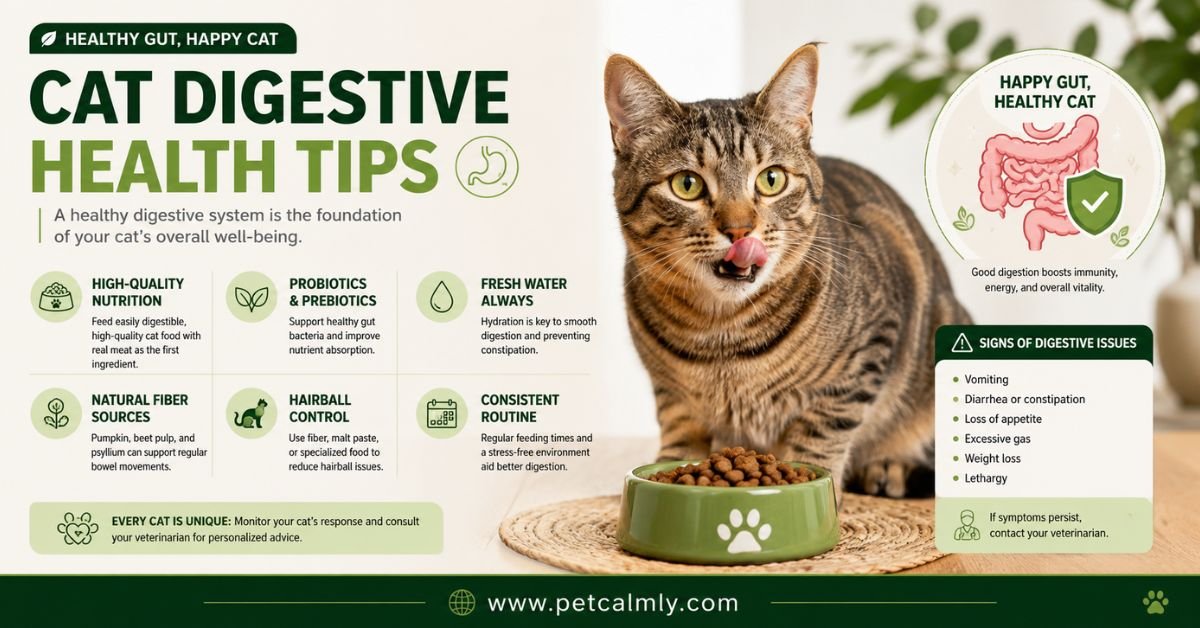
Good digestive health is essential for your cat’s overall well-being. The best cat digestive health tips include feeding a balanced, high-quality diet, introducing new foods gradually, keeping fresh water available, maintaining a healthy weight, reducing stress, encouraging daily activity, and watching for changes in appetite, litter box habits, or vomiting. While occasional stomach upset can happen, ongoing digestive problems should always be evaluated by a veterinarian to identify the underlying cause and provide the right treatment.
Cat Digestive Health Tips Every Pet Owner Should Know
Your cat’s digestive system does much more than process food. It helps absorb nutrients, supports the immune system, fuels daily energy, and even influences mood and behavior through the gut microbiome. When digestion is working properly, your cat is more likely to maintain a healthy weight, enjoy regular bowel movements, have a shiny coat, and stay active.
Digestive issues are among the most common reasons cat owners schedule veterinary visits. Problems such as vomiting, diarrhea, constipation, food sensitivities, hairballs, and changes in appetite can develop for many different reasons. Some are minor and short-lived, while others may signal an underlying medical condition that requires prompt care.
The good news is that many digestive problems can be reduced or even prevented with thoughtful daily care. Small habits, like feeding consistent meals or ensuring your cat stays hydrated, often make a significant difference over time.
This guide explains practical, vet-informed cat digestive health tips that are easy to follow, whether you’re caring for a playful kitten, an active adult, or a senior companion.
Why Digestive Health Matters for Cats
A healthy digestive system affects nearly every aspect of your cat’s life. Digestion begins the moment food enters the mouth and continues through the stomach and intestines, where nutrients are broken down and absorbed.
When this process works smoothly, your cat benefits from:
- Better nutrient absorption
- Healthy body weight
- Strong immune defenses
- Regular bowel movements
- Improved energy levels
- Healthier skin and coat
- Reduced stomach discomfort
- Better quality of life
When digestion becomes disrupted, your cat may experience more than stomach problems. Digestive issues can affect hydration, energy, behavior, and even long-term health if left untreated.
Common Signs of Healthy Digestion
Knowing what “normal” looks like helps you notice problems earlier.
Healthy cats generally have:
- A consistent appetite
- Firm, well-formed stools
- Minimal gas
- Little or no vomiting
- Normal hydration
- Healthy body condition
- Bright eyes
- Good grooming habits
Minor variations may occur occasionally, but lasting changes deserve attention.
Understanding Your Cat’s Digestive System
Knowing how digestion works makes it easier to understand why certain habits support gut health.
Mouth
Digestion starts with chewing and saliva, although cats do relatively little chewing compared with many other animals.
Stomach
The stomach produces strong acids and digestive enzymes that begin breaking down proteins. Because cats are obligate carnivores, their digestive system is designed to efficiently process animal-based proteins.
Small Intestine
This is where most nutrients are absorbed, including:
- Protein
- Fat
- Vitamins
- Minerals
- Amino acids
Healthy intestinal lining and balanced gut bacteria are essential for efficient absorption.
Large Intestine
The large intestine absorbs water and helps form stool. It also contains billions of beneficial bacteria that contribute to digestive balance and immune function.
When these bacteria become unbalanced, digestive upset may follow.
Top Cat Digestive Health Tips for Everyday Wellness
Daily habits have a lasting impact on your cat’s digestive system. Rather than relying on quick fixes after problems appear, focus on consistent routines that support long-term gut health.
Feed a High-Quality, Complete, and Balanced Diet
Nutrition forms the foundation of digestive health.
Choose a diet that is complete and balanced for your cat’s life stage, whether they’re a kitten, adult, or senior. Foods with high-quality animal protein and appropriate levels of fat provide the nutrients cats are naturally adapted to digest.
A good diet also helps support:
- Healthy gut bacteria
- Muscle maintenance
- Regular stool quality
- Strong immune function
Switching foods simply because a product is trendy isn’t always beneficial. If your cat is thriving on a balanced diet, unnecessary changes may actually upset digestion.
What to Look for in Cat Food
Consider foods that include:
| Feature | Why It Matters |
|---|---|
| Named animal protein first | Supports natural nutritional needs |
| Complete and balanced statement | Ensures nutritional adequacy |
| Appropriate life-stage formula | Meets changing nutritional requirements |
| Digestible ingredients | Helps reduce digestive stress |
| Consistent quality | Promotes stable digestion |
Remember that every cat is an individual. What works well for one may not be ideal for another.
Introduce New Foods Slowly
One of the most common causes of temporary digestive upset is changing food too quickly.
Your cat’s digestive system and gut bacteria need time to adapt to new ingredients.
A gradual transition over 7 to 10 days is usually the safest approach.
A simple transition schedule looks like this:
| Days | Old Food | New Food |
|---|---|---|
| 1–2 | 75% | 25% |
| 3–4 | 50% | 50% |
| 5–6 | 25% | 75% |
| 7–10 | 0% | 100% |
If your cat develops vomiting, diarrhea, or refuses the new food, slow the transition further and consult your veterinarian if symptoms continue.
Keep Your Cat Properly Hydrated
Water plays a surprisingly important role in digestion.
Adequate hydration helps:
- Soften stool
- Reduce constipation
- Support nutrient absorption
- Aid kidney function
- Maintain healthy intestinal movement
Unfortunately, many cats naturally drink less water than they should because their wild ancestors obtained much of their moisture from prey.
Easy Ways to Encourage Drinking
Try these practical ideas:
- Place several water bowls around the home.
- Wash bowls daily.
- Use wide, shallow bowls that don’t touch sensitive whiskers.
- Consider a pet water fountain if your cat prefers moving water.
- Include wet food in the diet if recommended by your veterinarian.
- Keep water away from litter boxes.
Some owners notice their cats drinking more simply by moving water bowls to quiet, low-traffic areas.
Feed Consistent Meals Instead of Constant Changes
Cats generally thrive on routine.
Feeding meals at predictable times can support smoother digestion while helping you notice changes in appetite more quickly.
A consistent feeding schedule may also:
- Reduce begging
- Prevent overeating
- Improve portion control
- Support healthy body weight
For most adult cats, two or more measured meals each day work well, although your veterinarian may recommend a different schedule based on your cat’s age or medical needs.
Avoid Overfeeding
Digestive health isn’t only about what your cat eats it’s also about how much.
Overfeeding increases the risk of:
- Obesity
- Poor digestion
- Constipation
- Reduced activity
- Diabetes
- Joint stress
Instead of filling the bowl whenever it’s empty, measure each meal using a kitchen scale or measuring cup.
Pay attention to your cat’s body condition rather than relying only on feeding guidelines printed on food packaging, as calorie needs vary between individuals.
Support Healthy Gut Bacteria Naturally
Inside your cat’s intestines lives a complex community of beneficial microorganisms called the gut microbiome.
These bacteria help:
- Break down food
- Produce certain nutrients
- Support immune function
- Protect against harmful microbes
- Promote healthy digestion
A balanced diet, consistent feeding routine, and minimizing unnecessary stress all help maintain this natural ecosystem.
In some situations, your veterinarian may recommend probiotics or other digestive supplements, especially after antibiotic treatment or during recovery from digestive illness. However, supplements should only be used under professional guidance to ensure they’re appropriate for your cat.
Encourage Daily Exercise
Physical activity doesn’t just help burn calories it also supports healthy digestion.
Regular movement encourages normal intestinal motility, helping food pass through the digestive tract efficiently.
Simple activities include:
- Chasing feather toys
- Interactive wand games
- Puzzle feeders
- Climbing cat trees
- Short play sessions throughout the day
Even indoor cats benefit from several brief play sessions daily. Besides aiding digestion, exercise also reduces boredom and stress, both of which can influence gastrointestinal health.
Foods That Naturally Support Your Cat’s Digestive Health
While no single food can guarantee perfect digestion, choosing nutritious, easily digestible meals gives your cat’s gastrointestinal system the support it needs. The goal isn’t to follow the latest feeding trend it’s to provide consistent, balanced nutrition that matches your cat’s age, lifestyle, and any health conditions.
Prioritize Animal-Based Protein
Cats are obligate carnivores, meaning they rely on nutrients found primarily in animal tissues.
High-quality protein supports:
- Muscle maintenance
- Tissue repair
- Healthy metabolism
- Efficient digestion
Look for foods where real animal protein such as chicken, turkey, salmon, or lamb is listed among the first ingredients.
Include Wet Food When Appropriate
Many cats don’t naturally drink enough water. Wet food can help increase daily moisture intake, which supports both urinary and digestive health.
Potential benefits include:
- Softer stools
- Better hydration
- Easier digestion for some cats
- Increased palatability for picky eaters
Some cats do well on an all-wet diet, while others thrive on a combination of wet and dry food. Your veterinarian can help determine the best approach based on your cat’s individual needs.
Fiber Can Help But Balance Matters
Fiber plays an important role in digestive health, though too much or too little may cause problems.
Appropriate fiber may help:
- Support regular bowel movements
- Reduce mild constipation
- Improve stool consistency
- Help move swallowed hair through the digestive tract
- Nourish beneficial gut bacteria
Cats with digestive conditions should only receive added fiber under veterinary guidance, as the ideal amount varies by individual.
The Connection Between Hairballs and Digestive Health
Hairballs are a normal consequence of grooming, but frequent hairballs may indicate that something else is affecting your cat’s digestive system.
As cats groom themselves, they swallow loose hair. Most of this hair passes through the digestive tract unnoticed. Occasionally, it collects in the stomach and is vomited as a hairball.
Occasional Hairballs
An occasional hairball is generally considered normal, especially in:
- Long-haired breeds
- Heavy seasonal shedders
- Senior cats
- Cats that groom excessively
Frequent Hairballs May Suggest:
- Excessive shedding
- Overgrooming caused by stress
- Skin allergies
- Poor coat condition
- Digestive motility issues
If your cat vomits hairballs several times each month or seems unable to pass them comfortably, it’s worth discussing the issue with your veterinarian.
Tips to Reduce Hairballs
You can often reduce hairballs by:
- Brushing your cat regularly
- Feeding a balanced diet
- Keeping your cat hydrated
- Encouraging exercise
- Managing stress
- Using veterinarian-approved hairball diets if recommended
Keep Your Cat at a Healthy Weight
Weight and digestive health are closely connected.
Overweight cats may experience:
- Slower digestion
- Constipation
- Reduced activity
- Increased risk of diabetes
- Greater strain on joints
Underweight cats may struggle with nutrient absorption or have an underlying illness affecting digestion.
Body Condition Matters More Than the Number on the Scale
Instead of focusing only on weight, monitor your cat’s body condition.
A healthy cat should generally have:
- A visible waist when viewed from above
- Ribs that can be felt without pressing hard
- No excessive abdominal fat
- Good muscle tone
Regular veterinary wellness exams can help monitor healthy weight throughout your cat’s life.
Stress Can Affect Your Cat’s Digestive System
Many owners are surprised to learn that emotional stress can influence digestive health.
Cats thrive on predictable routines. Changes in their environment may disrupt normal eating habits and gastrointestinal function.
Common Sources of Stress
Stress may come from:
- Moving to a new home
- New pets
- Visitors
- Loud noises
- Construction
- Changes in feeding schedules
- Boarding
- Travel
- Conflict with other cats
Some cats respond with digestive symptoms before showing obvious behavioral changes.
Stress-Related Digestive Signs
You might notice:
- Reduced appetite
- Mild vomiting
- Loose stools
- Constipation
- Hiding
- Less grooming
- Increased grooming
- Changes in litter box habits
Ways to Reduce Stress
Help your cat feel secure by:
- Keeping feeding times consistent
- Providing quiet resting places
- Maintaining predictable routines
- Offering vertical climbing spaces
- Using puzzle feeders for enrichment
- Scheduling daily play sessions
- Introducing household changes gradually
Small adjustments often make a noticeable difference.
Watch Your Cat’s Litter Box Every Day
The litter box provides valuable clues about digestive health.
Many digestive disorders first appear as changes in stool quality or bathroom habits.
Healthy Stool Usually Looks Like This
Healthy cat stool is typically:
- Brown in color
- Well formed
- Easy to pass
- Not excessively hard
- Not watery
- Produced consistently
Changes Worth Monitoring
Contact your veterinarian if you notice:
- Diarrhea lasting more than a day or two
- Constipation
- Blood in the stool
- Black, tar-like stool
- Mucus
- Very foul odor
- Straining
- Frequent trips with little stool produced
Keeping the litter box clean also makes these changes easier to spot.
Common Digestive Problems in Cats
Understanding common digestive disorders helps owners recognize when something isn’t right.
Vomiting
Occasional vomiting may happen after eating too quickly or swallowing hair.
Frequent vomiting is not considered normal.
Possible causes include:
- Hairballs
- Food intolerance
- Parasites
- Dietary indiscretion
- Inflammatory bowel disease
- Kidney disease
- Liver disease
- Pancreatitis
- Foreign body obstruction
Persistent vomiting should always be evaluated by a veterinarian.
Diarrhea
Diarrhea can range from mild to severe.
Possible causes include:
- Sudden diet changes
- Stress
- Parasites
- Food allergies
- Bacterial infections
- Viral infections
- Chronic intestinal disease
Cats with severe diarrhea can become dehydrated surprisingly quickly.
Constipation
Constipation occurs when stool becomes difficult to pass.
Risk factors include:
- Dehydration
- Low activity
- Obesity
- Pain
- Hair accumulation
- Certain medical conditions
Signs include:
- Straining
- Hard stool
- Crying in the litter box
- Reduced appetite
- Vomiting
- Lethargy
Repeated constipation requires veterinary attention.
Food Sensitivities
Some cats develop sensitivities to certain ingredients.
Possible signs include:
- Vomiting
- Chronic diarrhea
- Gas
- Poor coat condition
- Itchy skin
- Ear infections
Diagnosing food sensitivities usually involves a carefully supervised elimination diet rather than switching foods repeatedly.
Inflammatory Bowel Disease (IBD)
IBD is a chronic condition involving inflammation of the digestive tract.
Symptoms may include:
- Weight loss
- Vomiting
- Chronic diarrhea
- Reduced appetite
- Poor body condition
Because these signs overlap with many other illnesses, diagnosis requires veterinary testing.
4 Common Mistakes That Can Upset Your Cat’s Digestion
Many digestive issues develop unintentionally through everyday habits.
Avoid these common mistakes:
1: Changing Foods Too Quickly
Rapid diet changes often lead to vomiting or diarrhea.
Always transition gradually.
2: Feeding Too Many Treats
Treats should make up only a small portion of your cat’s daily calories.
Too many treats may:
- Cause stomach upset
- Lead to obesity
- Reduce interest in balanced meals
3: Giving Human Foods
Many foods people enjoy can upset a cat’s digestive system or even be toxic.
Avoid feeding:
- Onions
- Garlic
- Chocolate
- Grapes
- Raisins
- Alcohol
- Caffeine
- Xylitol-containing products
- Fatty table scraps
When in doubt, stick to foods formulated specifically for cats.
4: Ignoring Small Changes
Owners sometimes assume mild vomiting or soft stools are “just normal.”
However, digestive problems that continue or return repeatedly deserve veterinary evaluation before they become more serious.
Support Digestive Health Throughout Every Life Stage
Your cat’s digestive needs naturally change with age.
Kittens
Young cats benefit from:
- Frequent small meals
- Balanced kitten food
- Regular parasite prevention
- Careful monitoring during diet changes
Adult Cats
Adults thrive with:
- Consistent feeding schedules
- Weight management
- Daily activity
- Routine wellness exams
- High-quality nutrition
Senior Cats
Older cats may need:
- Easier-to-chew food
- More frequent veterinary checkups
- Monitoring for weight loss
- Assessment for chronic illnesses affecting digestion
- Individualized nutritional adjustments
Paying attention to these changing needs helps support lifelong digestive wellness.
When Should You Worry About Your Cat’s Digestive Health?
Most cats experience an occasional digestive upset, such as vomiting a hairball or passing a softer-than-normal stool. These isolated incidents often resolve without treatment. However, digestive problems that are severe, persistent, or accompanied by other symptoms should never be ignored.
Contact your veterinarian promptly if your cat has any of the following:
- Vomiting multiple times in one day
- Diarrhea lasting more than 24–48 hours
- Blood in vomit or stool
- Black, tarry stools
- Severe constipation or straining
- Refusing food for more than 24 hours (or sooner for kittens or cats with medical conditions)
- Weight loss without explanation
- Swollen or painful abdomen
- Repeated gagging without producing a hairball
- Lethargy or weakness
- Signs of dehydration, such as sticky gums or sunken eyes
- Difficulty swallowing
- Suspected ingestion of a foreign object, toxic plant, medication, or household chemical
These signs may indicate a condition that requires medical attention rather than home care.
What Should Pet Owners Do to Support Lifelong Digestive Health?
Digestive wellness isn’t about finding a miracle food or supplement. It’s about creating healthy daily habits that support your cat’s body over time.
Follow a Consistent Feeding Routine
Cats appreciate predictability. Feeding meals at similar times each day can reduce stress and make it easier to notice changes in appetite.
Schedule Routine Veterinary Checkups
Annual wellness visits and more frequent exams for senior cats or those with chronic conditions—can help detect digestive problems before they become serious.
Monitor Weight Regularly
Small changes in weight may be the first clue that something is affecting digestion or overall health.
Keep Fresh Water Available
Replace water daily and clean bowls regularly to encourage drinking.
Provide Daily Enrichment
Mental stimulation and exercise help reduce boredom, maintain a healthy weight, and support normal digestive function.
Record Ongoing Symptoms
If your cat develops recurring vomiting, diarrhea, or constipation, keeping a simple journal can help your veterinarian identify patterns.
Include details such as:
- Date and time
- Food eaten
- Stool consistency
- Vomiting episodes
- Appetite
- Activity level
- Any new treats, medications, or environmental changes
This information is often more helpful than relying on memory alone.
A Daily Cat Digestive Health Checklist
Use this checklist to support your cat’s digestive system every day.
✅ Feed a complete and balanced diet.
✅ Introduce new foods gradually.
✅ Keep fresh water available at all times.
✅ Measure meals to avoid overfeeding.
✅ Limit treats to a small portion of daily calories.
✅ Brush your cat regularly to reduce swallowed hair.
✅ Encourage daily play and exercise.
✅ Keep feeding routines consistent.
✅ Watch the litter box for changes.
✅ Reduce household stress whenever possible.
✅ Schedule routine veterinary checkups.
✅ Seek veterinary advice if digestive symptoms persist or worsen.
These simple habits often make a meaningful difference over your cat’s lifetime.
More Information About Pets, Please Visit Our Website: Best Cat Vitamins for Indoor Cats
How to Improve Cat Dental Health
Frequently Asked Questions
1. What is the best food for a cat’s digestive health?
The best food is a complete and balanced diet made for your cat’s age and health needs. Most healthy cats do well with high-quality animal protein, appropriate moisture, and consistent feeding. If your cat has digestive disease or food sensitivities, your veterinarian may recommend a specialized diet.
2. How can I improve my cat’s digestion naturally?
You can support digestion naturally by feeding consistent meals, ensuring adequate hydration, encouraging daily exercise, reducing stress, maintaining a healthy weight, and avoiding sudden diet changes. These habits promote a healthier digestive system without unnecessary supplements.
3. Is it normal for cats to vomit occasionally?
Occasional vomiting, such as bringing up a hairball, may happen. However, frequent vomiting is not considered normal. If your cat vomits repeatedly, loses weight, stops eating, or seems unwell, they should be examined by a veterinarian.
4. Are probiotics good for cats?
Some cats benefit from veterinarian-recommended probiotics, particularly during recovery from digestive illness, after antibiotic treatment, or when managing certain gastrointestinal conditions. Not every cat needs a probiotic, so it’s best to consult your veterinarian before starting one.
5. How often should a healthy cat have a bowel movement?
Most healthy adult cats pass stool about once every 12 to 36 hours, though normal frequency varies with diet, hydration, and activity. Consistency is often more important than the exact schedule. A sudden change in bowel habits should be monitored.
6. What are the first signs of digestive problems in cats?
Early signs may include:
- Vomiting
- Diarrhea
- Constipation
- Loss of appetite
- Weight loss
- Excessive gas
- Changes in stool appearance
- Increased hairballs
- Lethargy
- Changes in litter box habits
Early recognition allows for quicker treatment and better outcomes.
Common Myths About Cat Digestive Health
Many misconceptions can lead to unnecessary worry or poor feeding decisions. Here are a few myths worth clearing up.
| Myth | Reality |
|---|---|
| Cats vomit all the time, so it’s normal. | Frequent vomiting is not normal and should be evaluated. |
| Every cat needs digestive supplements. | Healthy cats often do well with a balanced diet alone. |
| Dry food cleans a cat’s digestive system. | Dry food does not “clean” the digestive tract. Overall nutrition and hydration are more important. |
| Changing foods frequently provides better nutrition. | Frequent diet changes may upset the digestive system. |
| Hairballs are always harmless. | Occasional hairballs are common, but frequent or difficult hairballs may signal an underlying issue. |
Conclusion
Healthy digestion is one of the foundations of a long, active, and comfortable life for your cat. While occasional stomach upsets can happen, most digestive problems are easier to prevent than to treat. A balanced diet, steady routine, proper hydration, regular exercise, and close observation of your cat’s eating and litter box habits go a long way toward keeping the digestive system functioning well.
Remember that every cat is unique. Age, lifestyle, underlying medical conditions, and even personality can influence digestive health. What works perfectly for one cat may not be ideal for another, which is why routine veterinary care remains so important.
By following these practical cat digestive health tips, you’ll be better equipped to recognize early warning signs, make informed care decisions, and support your feline companion’s well-being for years to come. A healthy gut doesn’t just improve digestion it contributes to a happier, healthier cat overall.