Short direct answer
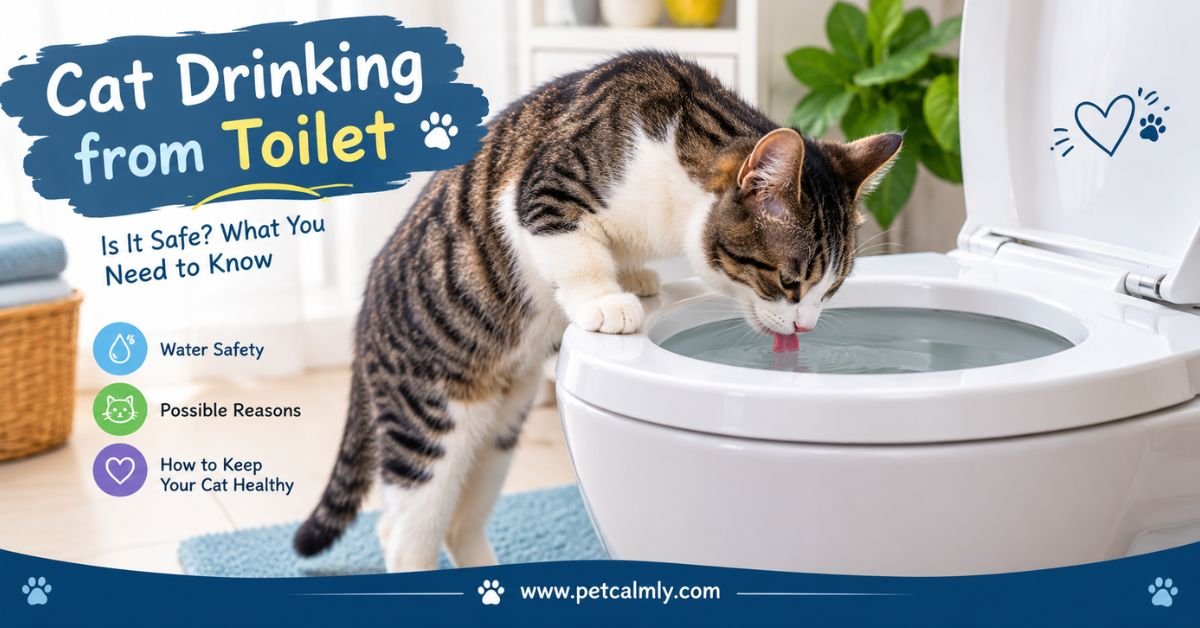
Cats drink from the toilet because the water is cooler, constantly refreshed, and feels “moving” compared to the still water sitting in a bowl. It’s rarely a sign of a behavior problem most cats are simply chasing fresher, better-tasting water. That said, toilet water can carry bacteria, cleaning chemicals, or mineral residue that a regular water source won’t have, so it’s worth discouraging even when it’s not an emergency. If the habit shows up suddenly alongside more frequent drinking overall, it’s worth mentioning to your vet, since increased thirst can sometimes point to an underlying health issue.
If you’ve walked in on your cat with their head in the bowl more than once this week, you’re not alone, and you’re not doing anything wrong as an owner. This is one of the more common and more misunderstood feline habits out there. Let’s go through exactly why it happens, when it’s genuinely nothing to worry about, when it isn’t, and how to gently redirect your cat toward a water source you’re both happier with.
Why Do Cats Drink Toilet Water Instead of Their Bowl?
Cats aren’t being difficult on purpose. From their point of view, the toilet often just wins on almost every measure they care about in a water source.
1: Cats Are Drawn to Fresh, Cool Water
A bowl of water that’s been sitting out since morning has usually picked up dust, a faint plastic or metal taste, and room temperature warmth. Toilet water, by contrast, gets flushed and refilled regularly, so it stays cooler and tastes cleaner to a cat’s sensitive palate. Many owners notice the toilet-drinking habit gets worse in summer, which tracks cats, like us, often prefer a cold drink over a lukewarm one.
2: Instinct Pulls Them Toward Moving Water
In the wild, still water is more likely to be stagnant, contaminated, or a place where predators wait. Cats carry that instinct with them today, which is part of why so many are obsessed with dripping faucets, fountains, and yes, the swirl of a flushing toilet. A toilet bowl reads as “fresh and moving” in a way a static water dish never will.
3: The Porcelain Bowl Itself Plays a Role
Some cats dislike plastic bowls because they can hold onto odors and even cause chin acne from bacterial buildup. Porcelain, glass, and stainless steel don’t carry the same smell, which is one reason the toilet and the bathroom sink can seem more appealing than the water dish in the kitchen.
4: Curiosity, Play, and the “Swirl Factor”
Watching water spin and disappear is genuinely stimulating for a cat, especially an indoor cat without much else to do during the day. Some cats start by pawing at the water out of curiosity, then graduate to drinking from it once they realize it’s there. If your cat doesn’t get much environmental enrichment puzzle feeders, window perches, play sessions this can become their go-to source of entertainment.
5: Bowl Placement and Cleanliness Matter More Than You’d Think
If a cat’s water bowl sits right next to their food or litter box, many cats will avoid it entirely; they instinctively prefer to keep drinking, eating, and elimination spaces separate. A bowl that hasn’t been washed in a few days can also develop a biofilm — that slightly slimy feel on the inside which cats can detect even if we can’t.
6: Sometimes It’s a Sign of Increased Thirst
Occasionally, toilet-drinking isn’t about preference at all it’s about volume. A cat who is drinking more water than usual, from every available source including the toilet, may be dealing with an underlying medical issue such as diabetes, kidney disease, or hyperthyroidism. This is the one cause on this list that genuinely deserves a closer look, and we’ll cover exactly what to watch for further down.
Is Toilet Water Actually Safe for Cats to Drink?
This is the question most owners are really asking, and the honest answer is: usually, but not always.
When It’s Mostly Harmless
If your toilet bowl is clean, flushed regularly, and free of any cleaning products, the water in it is essentially the same tap water that comes out of your faucet. A single sip here and there from an otherwise healthy cat isn’t something to panic over.
The Hidden Risks Worth Knowing About
- Bacteria buildup. Toilets aren’t sterile. Even a bowl that looks clean can harbor bacteria from the bowl’s surface, especially if it isn’t scrubbed often.
- Cleaning chemicals. Automatic bowl cleaners, drop-in tablets, and the blue or green tinted water they create are usually only mildly irritating if lapped up occasionally, causing at most some stomach upset. But the ASPCA Animal Poison Control Center notes that a cat chewing on the tablet or disc itself not just the diluted water is a different story, and can cause burns to the mouth and throat. That distinction matters: diluted water is a mild concern, direct contact with the product is a real one.
- Harsher household cleaners. Bleach, ammonia-based cleaners, and pine-oil products used near or in the toilet are genuinely toxic if ingested in concentrated form, and residue can linger on the bowl’s rim after cleaning.
- Drowning risk for kittens. This one surprises a lot of new owners. Small kittens can occasionally tip into an open bowl and struggle to climb back out, particularly bowls with a low water level or a slippery interior.
- Mineral and hard-water residue. In homes with hard water, toilet bowls can build up mineral deposits that alter the taste and, over time, contribute to bowl staining that also affects hygiene.
None of this means toilet water is dangerous by default. It means the risk is tied entirely to what’s in your specific bathroom and that’s something you have full control over.
Normal Curiosity or Something to Watch: A Quick Comparison
| Situation | Usually Normal | Worth Watching or Mentioning to a Vet |
|---|---|---|
| Frequency | Occasional sips, especially in a hot house | Drinking constantly, seeking out every water source |
| Litter box | No change in urination habits | Noticeably more frequent or larger urinations |
| Appetite | Normal eating habits | Increased hunger paired with weight loss |
| Energy | Playful, active as usual | Lethargy, hiding, or reduced interest in play |
| Water bowl | Cat still drinks from bowl sometimes | Cat avoids the bowl entirely, only drinks from toilet/faucet |
| Age/health | Young to middle-aged, no known conditions | Senior cat, or a cat with a history of kidney or thyroid issues |
If your cat lands mostly in the left column, this is very likely a preference issue you can solve with a few household changes. If several items on the right side apply, it’s worth a vet visit not because something is definitely wrong, but because increased thirst is one of the easier early warning signs to catch.
How to Stop Your Cat From Drinking Out of the Toilet: A Practical Guide
You don’t need to punish or scold your cat for this it won’t work, and it can actually damage trust between you. Instead, the goal is to make the toilet less accessible and the water bowl more appealing.
- Keep the lid down, every time. This is the single most effective fix. A hook-and-loop toilet lid lock (sold for toddler-proofing) works well if your cat has learned to nose the lid open.
- Switch to a pet water fountain. Since the core appeal is moving water, a circulating fountain often solves the problem almost overnight. Many cats that ignored a still bowl for months will drink eagerly from a fountain within days.
- Wash the water bowl daily. A quick rinse isn’t enough — actually wash it with soap to remove the biofilm that builds up, and refill with fresh water at least once a day, twice if you can.
- Move the bowl away from food and the litter box. Give your cat a quiet, low-traffic spot for water that feels separate from where they eat and eliminate.
- Try a different bowl material. If you’re using plastic, switch to ceramic, glass, or stainless steel. Wider, shallower bowls also help cats who dislike their whiskers brushing the sides (a sensitivity often called whisker fatigue).
- Add a second or third water station. Cats are more likely to drink consistently when water is available in more than one room, especially in multi-level homes.
- Offer wet food alongside dry. Wet food is roughly 70–80% moisture, so cats eating it tend to seek out less supplemental water overall, which can reduce the drive to explore alternative sources like the toilet.
- Never leave cleaning products where your cat could reach them. Store tablets, discs, and liquid cleaners in a latched cabinet rather than balanced on the tank or floor.
Most cats respond to a combination of these changes within one to two weeks. If your cat is especially persistent, closing the bathroom door when you’re not using it is a simple backup while the new habits settle in.
Fixing the Root Cause: Better Hydration Habits for Cats
Redirecting your cat away from the toilet works best when you’re also solving the underlying reason they went there in the first place — usually, that their current water setup just isn’t that appealing.
A few things make a bigger difference than owners expect:
- Water temperature. Cats generally prefer cool water. In warmer months, refreshing the bowl more often (or adding a fountain with a chiller function) can matter more than you’d think.
- Bowl depth and shape. A shallow, wide dish keeps whiskers from touching the sides, which some cats find genuinely uncomfortable.
- Consistency. Cats build habits around location and routine. Keeping water sources in the same spots, cleaned on the same schedule, builds trust in that source over time.
- Number of sources. In a multi-cat household, one shared bowl often isn’t enough cats can be surprisingly territorial about resources, water included.
If you want a deeper walkthrough of fountains, bowl types, and daily water intake targets by weight, our guide on keeping your cat properly hydrated covers that in more detail.
When Should You Worry? Signs That Need a Vet Visit
Most toilet-drinking is behavioral, not medical but there are specific signs that shift this from a “manage it at home” situation to a “call the vet” one.
Reach out to your veterinarian if you notice any of the following alongside the toilet-drinking habit:
- Drinking that seems constant or urgent, not occasional
- Noticeably larger or more frequent urination, or clumps in the litter box that seem bigger than usual
- Weight loss despite a normal or increased appetite
- Vomiting, diarrhea, or visible lethargy after drinking from the toilet
- A senior cat (roughly 10+ years) showing any new increase in thirst
- Known history of kidney disease, diabetes, or thyroid issues
According to veterinary sources like the Cornell Feline Health Center and VCA Animal Hospitals, increased thirst technically called polydipsia is one of the more reliable early indicators of chronic kidney disease, diabetes mellitus, and hyperthyroidism in cats. None of these are things to self-diagnose from a blog post, including this one. If you’re seeing several of these signs together, the right move is a vet visit with bloodwork and a urinalysis, not a change in bowl material.
What Should Pet Owners Do Right Now? A Simple Action Checklist
If you’re not sure where to start, work through this in order:
- Put the toilet lid down today, and consider a lid lock if your cat can nose it open.
- Wash the water bowl and refill it with fresh, cool water.
- Move the bowl away from food and the litter box if it isn’t already.
- Watch your cat’s water and litter box habits for the next week, without changing anything else yet.
- If the toilet-drinking was clearly about preference (cat drinks less, seems fine otherwise), consider a fountain as the long-term fix.
- If you notice any of the warning signs above, book a vet visit rather than waiting to see if it resolves on its own.
This sequence solves the vast majority of cases without overcomplicating things and it gives you a clear signal for when it’s time to bring in a professional instead of continuing to troubleshoot at home.
Conclusion
Cats drinking from the toilet is one of those habits that looks alarming but is usually just your cat chasing cooler, fresher, more interesting water. Keeping the lid down, cleaning the water bowl regularly, and considering a fountain will solve this for the large majority of cats within a couple of weeks. The one thing worth staying alert to is a genuine increase in overall thirst — if your cat is drinking more everywhere, not just choosing the toilet over the bowl, that’s a conversation worth having with your vet sooner rather than later.
For more on setting up a cat-friendly bathroom (yes, that’s a real thing) or choosing between fountain styles, take a look at our related guide on choosing the best cat water fountain.
More Information About Pets, Please Visit Our Website: What Are the Signs of Kidney Disease in Cats?
Why Does My Dog Hide Under the Bed?
Best Cat Breeds for Apartments
How to Keep a Cat Happy Indoors
How Often Should You Groom a Long Haired Cat?”
How to Reduce Cat Shedding Hair
How to Bathe a Cat Safely at Home
Frequently Asked Questions
1: Why does my cat drink out of the toilet but not their water bowl?
Usually it comes down to freshness and temperature. Toilet water gets refreshed with every flush, while bowl water can sit for hours and pick up dust or a plastic taste. Washing the bowl daily and switching to a fountain typically closes that gap quickly.
2: Is it bad for my cat to drink toilet water once in a while?
An occasional sip from a clean, chemical-free toilet isn’t usually harmful. The bigger concerns are cleaning products, bacteria buildup in bowls that aren’t scrubbed regularly, and the habit becoming the cat’s primary water source instead of an occasional one.
3: Can toilet bowl cleaner hurt my cat?
Diluted, color-changing tablets or discs are generally only mildly irritating if the water itself is lapped up, and the ASPCA notes that severe reactions from the diluted water alone are uncommon. Direct contact with the tablet or disc, or with stronger cleaners like bleach, is a more serious concern and should prompt a call to your vet or the ASPCA Animal Poison Control Center.
4: How do I stop my cat from drinking from the toilet for good?
Keep the lid closed consistently, add a pet water fountain, wash the water bowl daily, and separate the water bowl from food and litter. Most cats adjust within one to two weeks once the new water source is genuinely more appealing than the toilet.
5: Is drinking from the toilet a sign of a health problem in cats?
By itself, no it’s usually preference. It becomes worth investigating when it’s paired with drinking noticeably more overall, more frequent urination, weight loss, or lethargy. Those combined signs are what point toward a medical cause rather than simple taste preference.
6: Do cat water fountains actually stop toilet drinking?
For many cats, yes. Since the appeal of toilet water is largely about movement and freshness, a circulating fountain solves the same problem the toilet was solving, just somewhere safer and cleaner.