Short direct answer
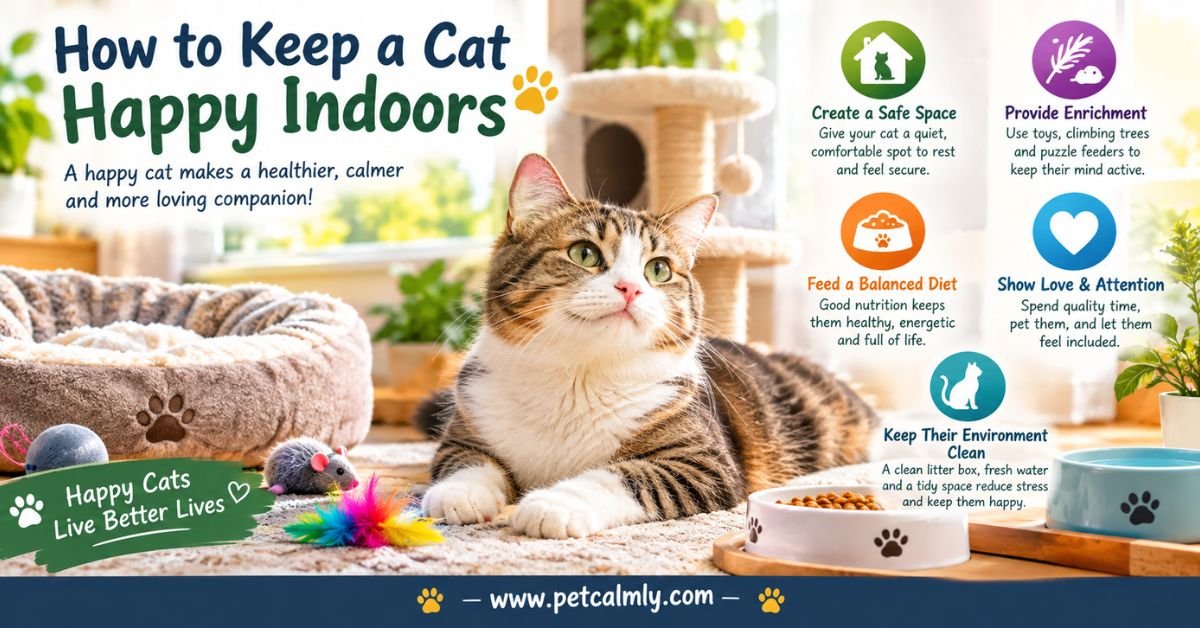
Indoor cats thrive when they have environmental enrichment, regular interactive play, access to windows and elevated spaces, consistent routines, and mental stimulation through toys and puzzle feeders. Most importantly, they need owners who understand that boredom and lack of stimulation are real threats to their physical and emotional well-being. The good news? A genuinely happy indoor cat is absolutely achievable with intentional planning and the right resources.
Indoor Cat Needs: Why This Matters
Your indoor cat isn’t just sitting around waiting for dinner. Beneath that serene exterior is an animal with instinctive hunting drives, territorial needs, and a brain designed to solve problems and explore. When these needs go unmet, indoor cats develop behavioral issues excessive meowing, destructive scratching, litter box problems, obesity, and anxiety.
The difference between an okay indoor environment and a great one often comes down to understanding why your cat behaves the way she does. A cat scratching your couch isn’t misbehaving. She’s marking territory, keeping her claws sharp, and stretching her muscles. She’s also signaling that she needs a better outlet for this completely normal behavior.
The same applies to pouncing on your feet at 3 a.m., knocking things off shelves, or excessive vocalization. These aren’t personality flaws they’re signs that your cat’s natural instincts and energy levels aren’t being channeled productively.
The encouraging part? Understanding this shifts everything. Once you recognize that your indoor cat has legitimate physical and psychological needs, creating genuine happiness becomes straightforward. It’s not about spoiling your cat. It’s about meeting her where she is as a living, thinking, curious animal.
Create an Enriched Physical Environment
Windows and Natural Light
Before you buy a single toy, start here: your cat needs visual access to the outdoors. Windows aren’t a luxury for indoor cats they’re essential. A cat watching birds, squirrels, and changing light throughout the day is getting genuine mental stimulation and environmental enrichment that nothing else quite replaces.
Ideally, position a sturdy cat perch or bed directly in front of a window where your cat can sit comfortably for extended periods. Look for a spot where the window receives natural light but isn’t so hot that it becomes uncomfortable. Window perches with suction cups are affordable and require no installation.
If you don’t have ideal window real estate, consider:
- Installing a small wall-mounted shelf near a window for climbing and perching
- Using adjustable shelving units to create a window-side cat pathway
- Placing a bird feeder outside a window your cat frequents (this becomes your cat’s personal “cat TV”)
The payoff is significant. Cats with regular window access show fewer stress behaviors and are more mentally engaged with their environment.
Vertical Space and Territory
Cats are vertical animals. In the wild, they climb trees to hunt, rest, and survey their territory. Indoor cats need the same three-dimensional awareness to feel secure and stimulated.
Vertical space gives your cat:
- A sense of safety (high perches feel secure)
- Territory to claim and defend
- Exercise opportunities
- Better sightlines throughout your home
- Places to escape when they need alone time
This doesn’t require expensive cat furniture. Consider these options:
Cat trees and towers remain the gold standard. Quality matters here—flimsy structures topple and discourage use. Look for stable, multi-level options with different textures (rope, carpet, sisal). Your cat should be able to reach at least 5-6 feet high.
Wall-mounted shelves are excellent space-savers and create a highway system through your home. Even simple floating shelves can become a network your cat naturally uses for movement and rest.
Furniture stacking works surprisingly well. If you have a dresser near a bookshelf, your cat may create her own highway just by jumping between pieces.
Doorway-mounted perches hang over existing door frames and cost under $20. They’re surprisingly durable and give cats a vantage point without eating floor space.
The ideal setup includes pathway shelves or furniture arranged so your cat can move from one perch to another without jumping down. This feels more natural and encourages exploration.
Hiding Spots and Quiet Spaces
Just because your cat is indoors doesn’t mean she wants to be observed constantly. Cats need places where they can retreat, feel safe, and have privacy. This is especially important in multi-pet households or homes with frequent visitors.
Your cat should have at least one dark, quiet spot where she can rest undisturbed:
- A cardboard box in a closet
- A cat cave or enclosed bed under furniture
- A dedicated cat room with minimal foot traffic
- A bathroom cabinet with an open door
It sounds simple, but access to a safe retreat space actually reduces stress and anxiety, which benefits your cat’s overall health and mood.
Interactive Play: The Foundation of a Happy Indoor Cat
Here’s what many well-meaning cat owners miss: feeding your indoor cat and providing a clean litter box isn’t enough. Your cat needs you to engage with her in interactive play. This isn’t optional enrichment it’s a core need.
Why Interactive Play Matters
Your indoor cat doesn’t have hunting to structure her day. She can’t stalk mice, chase prey, or experience the satisfaction of a successful hunt. Without interactive play, her predatory instincts build up, creating restlessness and behavioral problems.
Interactive play:
- Expends physical energy (reducing pent-up behavior)
- Activates hunting instincts in a controlled way
- Strengthens your bond with your cat
- Improves her mood and reduces anxiety
- Helps prevent obesity
- Establishes healthy routines
The key word is interactive. Leaving a toy mouse on the floor isn’t the same as playing with your cat. Your cat needs you to manipulate the toy in ways that trigger her hunting response.
How to Play with Your Indoor Cat
Wand toys (also called fishing pole toys or string toys) are the MVP of interactive play. These feature a long handle with a string and attached toy—usually a feather, mouse, or fabric piece.
The technique matters:
- Mimic prey behavior by moving the toy in unpredictable, jerky motions
- Let your cat catch it occasionally (success is important for motivation)
- Create distance between your hand and the toy using the wand
- Play in short 5-10 minute sessions, several times daily
Never dangle a string toy and walk away. String toys require supervision to prevent swallowing hazards.
Laser pointers are popular but controversial. They activate the hunting chase response effectively, but many behaviorists recommend ending laser play with a physical toy your cat can “catch.” Without this tangible catch, some cats develop frustration. If you use a laser pointer, always conclude play by letting your cat catch and bat at a regular toy.
Ball toys and small objects work for cats who like to carry and bat objects independently. Ping-pong balls, crinkle balls, and small mice toys often captivate cats.
Feather toys appeal to birds-of-prey instincts in some cats. Just supervise to prevent feather ingestion.
Play Schedule and Duration
Most experts recommend 15-30 minutes of interactive play daily, broken into multiple sessions. This prevents boredom while respecting your cat’s natural energy patterns.
Many cats are most active during dawn and dusk (crepuscular), so play sessions during early morning and evening often generate more enthusiasm. Pay attention to when your cat seems most interested in playing and schedule accordingly.
Don’t force play. If your cat seems uninterested, try a different toy or time. Some cats are naturally less playful, and that’s fine but most underactive cats simply haven’t been given the right stimulus yet.
Mental Stimulation Through Puzzle Toys and Foraging
Physical exercise matters, but mental stimulation is equally important. Puzzle toys and foraging activities engage your cat’s problem-solving abilities and slow down eating, which provides additional benefits for digestion and weight management.
Types of Mental Enrichment
Puzzle feeders dispense kibble or treats through holes that require manipulation. Your cat has to poke, push, or roll the toy to get food. This mimics the mental engagement of hunting and eating in the wild.
You don’t need expensive versions. A cardboard toilet paper tube folded at the ends with kibble inside works. Plastic balls with holes drilled in them are equally effective.
Hidden treats throughout your home encourage exploration and sniffing. Hide small portions of kibble or treats in different spots daily. This taps into your cat’s natural foraging instincts and keeps her mentally engaged as she searches.
DIY enrichment is surprisingly effective:
- Crumpled paper or plastic bags inside a box
- A muffin tin with kibble hidden under tennis balls
- Cardboard boxes with holes cut in the sides
- Paper bags filled with crinkled paper
Training and clicker training engage your cat’s brain in different ways. Yes, cats can learn commands and tricks. Many cats enjoy the mental challenge and the interaction. Start with simple targets teaching your cat to touch her nose to your finger and progress from there.
Food puzzles slow down fast eaters and provide mental engagement. Instead of eating a full bowl in minutes, your cat works for her food over 20-30 minutes.
Rotation and Variety
Your cat’s brain adapts quickly to familiar toys. Rotating toys weekly keeps the environment fresh and interesting. Store half your toys away and bring them back in rotation every 7-10 days. They feel “new” to your cat again.
Scratching Posts and Natural Behaviors
Scratching isn’t a choice it’s a biological necessity. Your cat’s claws naturally shed their outer sheath, and scratching helps this process. Scratching also marks territory and stretches muscles.
Without appropriate scratching outlets, your cat will use your furniture. This isn’t spite. It’s a cat being a cat.
Scratching Post Essentials
Material matters. Most cats have preferences:
- Sisal rope works for many cats and is durable
- Cardboard is affordable and surprisingly satisfying
- Carpet or fabric appeals to some cats but can fray
- Wood or bark mimics natural scratching surfaces
The best approach? Offer multiple scratching surfaces with different textures and orientations (vertical posts, angled scratchers, horizontal pads).
Placement is critical. Place scratching posts near where your cat spends time or near furniture she’s already targeted. Don’t hide them away scratching is about marking territory, so your cat needs them visible and accessible.
Multiple posts are better than one. Ideally, place scratching surfaces in different rooms so your cat always has a convenient option.
Maintenance matters. Keep sisal rope scratchers in good condition. When they become frayed and unusable, replace them. Worn-out scratchers signal to your cat that the area is less attractive.
Toys That Actually Keep Cats Interested
Not all toys are created equal. Some toys captivate cats for weeks, while others collect dust in a corner.
What Works for Most Cats
Feather wands and string toys remain universally engaging because they trigger predatory responses.
Small balls that roll unpredictably appeal to cats who enjoy independent play.
Crinkle toys produce sounds and textures that many cats find stimulating.
Catnip toys work for about 70% of cats (some are unresponsive to catnip). Catnip’s effects fade quickly but return after 10-15 minutes of exposure to fresh air.
Toys with bells or jingling sounds appeal to cats who like auditory stimulation.
Toys That Often Disappoint
Stationary toys that don’t move or respond to your cat’s interaction often bore quickly.
Toys that require no effort to use don’t satisfy hunting instincts.
Electronic toys are hit-or-miss. Some cats love them; others ignore them entirely. They’re worth trying but shouldn’t be your only option.
Toys that are painful to bat (hard plastic with sharp edges) get avoided rather than enjoyed.
Finding Your Cat’s Preferences
Every cat has unique toy preferences. Your quiet tabby might ignore the flashy toy that fascinates your energetic kitten. Pay attention to what your cat naturally gravitates toward:
- Is she pouncing on feathered toys or small balls?
- Does she prefer sounds, textures, or visual interest?
- Does she like to carry toys or bat them across the room?
- Is she interested in toys that move on their own or those she controls?
Once you understand your individual cat’s preferences, you can select toys that actually work. This personalized approach is far more effective than buying popular toys that happen to be wrong for your specific cat.
The Importance of Routine and Predictability
Cats are creatures of habit. They find comfort and security in predictable routines. While this might seem to contradict the need for novelty and stimulation, it doesn’t. Your cat can enjoy a consistent daily rhythm while experiencing new enrichment and stimulation.
Structuring Your Cat’s Day
A healthy routine for an indoor cat might look like:
- Morning play session (5-10 minutes of interactive play)
- Feeding time (consistent times if free-feeding isn’t appropriate)
- Window time or outdoor enclosure access (if applicable)
- Afternoon nap period (most cats naturally rest this time)
- Evening play session (when many cats are naturally more active)
- Dinner and quiet time (wind down toward sleep)
Your specific routine depends on your schedule and your cat’s natural rhythms. The key is consistency. Your cat learns what to expect and when, which reduces anxiety.
Feeding Routines
Whether you free-feed or offer meals at set times, consistency matters. Your cat benefits from knowing when food is available. If using meal feeding, offer food for 30 minutes at the same times daily. This creates structure and prevents the anxiety of food uncertainty.
Puzzle feeders and foraging activities fit into this routine naturally. Even if you free-feed, you can supplement with puzzle feeders to add enrichment without disrupting your cat’s total caloric intake.
Nutrition and Overall Health
A happy indoor cat starts with proper nutrition. Indoor cats are prone to obesity because they have limited natural activity, making calorie balance especially important.
Dietary Considerations for Indoor Cats
Caloric needs are lower for indoor cats than outdoor or active cats. Most indoor cats require 20% fewer calories than more active cats.
High-protein diets support lean muscle mass, which is important for maintaining healthy metabolism and mobility.
Fiber content affects satiation. Higher-fiber diets help your cat feel full longer, which can help with weight management.
Feeding method matters. Puzzle feeders and portion control help prevent overeating, especially for food-motivated cats.
If your cat is overweight or has specific health concerns, consult with your veterinarian about appropriate nutrition. Weight management improves quality of life and reduces risk of obesity-related health issues like diabetes and joint problems.
6 Common Mistakes Indoor Cat Owners Make
Mistake 1: Under-Stimulating Cats’ Minds and Bodies
Many owners provide food and shelter but miss the enrichment piece entirely. Your cat isn’t happy just because she has no immediate complaints. True happiness involves engagement, physical activity, and mental stimulation.
The fix: Implement interactive play, rotate toys, add vertical space, and provide puzzle feeders. Even 15-30 minutes of daily engagement makes a dramatic difference.
Mistake 2: Relying Only on Solo Toys
Leaving your cat with toys while you go to work isn’t sufficient, even though some cats amuse themselves. Most cats need you to engage with them interactively. This is where real enrichment happens.
The fix: Schedule dedicated interactive play sessions. Even a busy owner can manage 5-10 minutes of wand toy play before work and again in the evening.
Mistake 3: Ignoring Scratching Needs
When owners punish scratching or don’t provide outlets, cats develop behavior problems and furniture gets destroyed. Scratching isn’t optional.
The fix: Embrace scratching as natural and necessary. Provide multiple scratching surfaces and position them strategically. Redirect your cat to posts when she scratches furniture, using positive reinforcement when she uses appropriate surfaces.
Mistake 4: Assuming Your Cat Is Happy Because She’s Quiet
A quiet cat isn’t always a happy cat. Some unhappy cats are simply withdrawn or depressed. A truly happy cat shows engagement, playfulness, and interest in her environment.
The fix: Watch for signs of genuine happiness: play engagement, curiosity, interaction with you, and use of the enrichment you’ve provided.
Mistake 5: Not Personalizing Enrichment to Your Specific Cat
Some owners buy popular toys or enrichment that doesn’t match their cat’s personality or interests. Your shy cat doesn’t want what your bold cat needs.
The fix: Observe what naturally interests your cat and customize enrichment accordingly. One cat loves heights and climbing; another prefers horizontal spaces and hiding spots.
Mistake 6: Creating Enrichment Without Creating Safe Spaces
A stimulating environment can become stressful if your cat has nowhere to retreat. Too much stimulation without escape routes creates anxiety rather than happiness.
The fix: Balance enrichment with quiet areas, hiding spots, and low-traffic zones where your cat can decompress.
Signs Your Indoor Cat Isn’t Happy
Not every indoor cat shows unhappiness the same way. Recognizing the signs helps you adjust your approach before problems escalate.
Behavioral Signs
Excessive vocalization can indicate boredom, loneliness, or anxiety. Some cats communicate more than others, but a sudden increase in meowing or yowling warrants attention.
Destructive behavior like scratching furniture excessively, knocking things off shelves repeatedly, or tearing at fabric often signals under-stimulation or anxiety.
Litter box issues including inappropriate elimination or avoiding the litter box sometimes reflect stress or unhappiness rather than medical problems. That said, always rule out medical causes with your veterinarian first.
Pouncing on your hands and feet constantly, especially during times when you’re trying to rest, suggests your cat has pent-up hunting energy that isn’t being channeled productively.
Aggression or irritability toward people or other pets can indicate frustration or stress related to boredom or overstimulation.
Physical and Emotional Signs
Excessive sleeping beyond the normal 12-16 hours can indicate depression or lack of engagement (though age and health status matter—consult your veterinarian if sleep patterns change suddenly).
Withdrawal or hiding constantly, avoiding interaction and hiding away for hours or days, suggests anxiety or unhappiness.
Obesity or lethargy develops when cats lack sufficient activity. Weight gain is both a sign of under-activity and a contributing factor to poor quality of life.
Over-grooming or hair loss sometimes reflects stress or anxiety. Again, always rule out medical causes with your veterinarian first.
Lack of interest in toys or play, combined with general apathy, suggests your cat isn’t being stimulated appropriately.
Budget-Friendly Indoor Enrichment Ideas
Creating an enriched environment doesn’t require significant spending. Many of the best enrichment is completely free or very inexpensive.
DIY Enrichment on a Shoestring
Cardboard boxes from online deliveries are gold. Your cat can hide inside, scratch them, and knock them around. Leave them out for a few weeks, then swap for new boxes.
Paper bags (with handles removed for safety) crinkle, rustle, and provide interesting textures. Many cats find them endlessly entertaining.
Crumpled paper balls can be batted around and are completely free. Toss them down hallways for your cat to chase.
Toilet paper tubes can be stuffed with crumpled paper or hidden treats. Crease the ends to keep kibble inside.
Ice cubes in a shallow dish appeal to some cats who enjoy the cold sensation and watching it melt.
Sunny spots on the floor are free. Your cat will naturally gravitate toward sunlight for warmth and interest. Honor this by keeping these areas accessible.
The bathtub or shower sometimes becomes interesting territory for exploration if you leave the door open.
Water play appeals to some cats. A shallow dish of water, a slowly dripping faucet, or a cat water fountain can provide interest and encourage hydration.
Low-Cost Purchases
Cat shelves on Amazon or local retailers often cost $15-50 and significantly upgrade your vertical space.
Cardboard scratchers cost $10-20 and last months with proper care.
Basic wand toys cost $5-15 and are essential.
Catnip toys are inexpensive and work for many cats.
A bird feeder for outside ($15-30) becomes your cat’s entertainment for months.
The best enrichment combines free and low-cost options with intentional interaction from you. Your time and attention matter more than money spent.
Outdoor Access Without Outdoor Risks
Many people ask whether indoor cats need outdoor access. The honest answer is: it depends on your situation and your cat. Outdoor access provides genuine enrichment, but it also carries real risks (cars, predators, disease, injury).
Evaluating Outdoor Options
Fully contained outdoor spaces like catios (enclosed patios) provide outdoor sensory enrichment without the risks of free roaming. If you have space and resources, a catio represents an excellent compromise.
Leash training allows supervised outdoor exploration for some cats. This works better for some cats than others and requires patience and proper equipment.
Window perches and outdoor viewing give your cat visual and auditory access to outdoor stimuli without physical access. This provides genuine enrichment even without direct outdoor exposure.
Video or audio of birds and outdoor sounds available on streaming services provides supplementary enrichment, though it’s not a substitute for real window access.
The most important thing? Don’t let the impossible be the enemy of the good. If a fully enriched indoor environment is what you can provide, your cat can be genuinely happy. Many thriving indoor cats have never been outside.
When to Worry: Red Flags Requiring Veterinary Attention
While most unhappiness in indoor cats relates to enrichment, sometimes behavioral or emotional changes indicate medical issues.
Contact your veterinarian if your cat shows:
Sudden changes in litter box habits despite adequate litter boxes this can indicate urinary tract infections, kidney disease, diabetes, or other conditions.
Sudden aggression or personality changes infections, pain, or neurological issues can cause behavioral shifts.
Excessive meowing combined with other symptoms like weight loss, increased thirst, or lethargy—this can indicate thyroid disease, kidney disease, or other medical issues common in cats.
Lethargy and lack of interest in food these are rarely normal and warrant veterinary evaluation.
Hair loss, excessive grooming, or skin problems while stress can contribute, allergies, parasites, or other dermatological issues often require professional evaluation.
Changes in appetite (eating much more or much less than usual) can indicate various medical issues.
Your veterinarian can rule out medical causes and help determine whether behavioral enrichment changes are appropriate or if medical treatment is needed.
Creating Your Indoor Cat Happiness Action Plan
Now that you understand what indoor cats actually need, how do you implement this?
Week 1: Assessment and Setup
- Observe your current cat. Notice her energy levels, play preferences, favorite spots, and how much interaction she seeks.
- Audit your current space. Does your cat have vertical access? Windows? Hiding spots? Scratching surfaces?
- Start simple. Add one cat tree or shelving system and one quality wand toy. These two additions alone make a significant difference.
- Establish a basic routine. Schedule two 5-10 minute play sessions daily, ideally during times your cat naturally seems more active.
Week 2-3: Building Enrichment
- Add variety to toys. Rotate in different toys, introduce puzzle feeders, and experiment with what engages your cat.
- Upgrade scratching. Add scratching posts in multiple areas if you don’t already have them.
- Expand window access. If possible, add window perches or ensure windows are accessible.
- Create hiding spots. Add at least one enclosed space where your cat can retreat.
Week 4 and Beyond: Refinement and Sustainability
- Evaluate what’s working. Notice which toys, enrichment, and play styles your cat engages with most.
- Refine your approach. Double down on what works; adjust what doesn’t.
- Maintain consistency. Keep routines consistent and rotate toys regularly to maintain novelty.
- Stay observant. As your cat ages or circumstances change, adjust enrichment accordingly.
Frequently Asked Questions
1: How many hours a day should an indoor cat play?
Most experts recommend 15-30 minutes of interactive play daily, broken into shorter sessions. This doesn’t mean your cat doesn’t play more it means this is the minimum interactive time you should dedicate. Many cats will play independently for additional hours if toys and enrichment are available.
2: Can an indoor-only cat be happy without going outside?
Absolutely. Many indoor cats are genuinely happy and healthy. The key is that they receive adequate enrichment, stimulation, and interaction. Outdoor access provides certain stimuli, but comprehensive indoor enrichment can create a fully satisfying life for your cat.
3: Is catnip safe for all cats?
Catnip is safe for most cats, but about 30% are genetically unresponsive to it. Even responsive cats have a buildup period—they respond enthusiastically, then need 10-15 minutes of air exposure before responding again. Overuse doesn’t cause dependence, but excessive exposure in single sessions can reduce responsiveness temporarily.
4: Why does my cat ignore expensive toys but love the cardboard box?
Cats have individual preferences that don’t correlate with price. Cardboard boxes appeal to many cats because they’re multi-textured, provide hiding spots, and can be destroyed (which is satisfying). This is why observing your specific cat’s preferences matters more than buying what experts recommend.
5: What’s the best scratching post material?
There’s no universal best it depends on your cat. Try offering different materials (sisal rope, cardboard, carpet, wood) and observe which your cat prefers. Many cats like multiple options with different textures.
6: Can I train an adult cat to use enrichment I set up?
Yes. Positive reinforcement works reward your cat with treats or praise when she uses enrichment toys or scratching posts. You can also place the enrichment near her favorite spots or lightly rub catnip on it to encourage exploration. Some cats take longer to adapt than others, but persistence typically works.
More Information About Pets, Please Visit Our Website: How to Remove Fleas from Cats
How Often Should You Groom a Long Haired Cat?”
Kitten Feeding Schedule
How to Reduce Cat Shedding Hair
How to Clean Cat Ears at Home
How to Bathe a Cat Safely at Home
Best Food for Persian Cats
Can Cats Drink Milk Safely Veterinary Advice
Conclusion
The truth is this: keeping your indoor cat happy isn’t complicated or expensive. It requires understanding what your cat actually needs, making intentional choices about your environment and interaction, and committing to consistency.
Your indoor cat doesn’t need to go outside to be happy. She doesn’t need expensive equipment or extensive time. She needs:
- Your intentional engagement through interactive play
- A stimulating environment with vertical access, hiding spots, and windows
- Appropriate outlets for natural behaviors like scratching and hunting
- Mental stimulation through puzzle toys and enrichment activities
- Predictable routines and safe, quiet spaces to retreat to
When these needs are met, indoor cats thrive. They’re playful, engaged, affectionate, and genuinely happy. They’re also healthier, less destructive, and more connected to their owners.
Start this week. Set up a window perch, introduce one wand toy, and commit to 10 minutes of interactive play. Observe what happens. Notice how your cat responds. Pay attention to which enrichment activities she actually uses versus which collect dust.
Your cat is telling you what she needs you just have to listen. And when you do, something remarkable happens: your indoor cat becomes visibly, measurably happier. The whole dynamic shifts. Suddenly, you’re not managing behavior problems. You’re nurturing a genuinely content animal who’s living her best life within your home.