
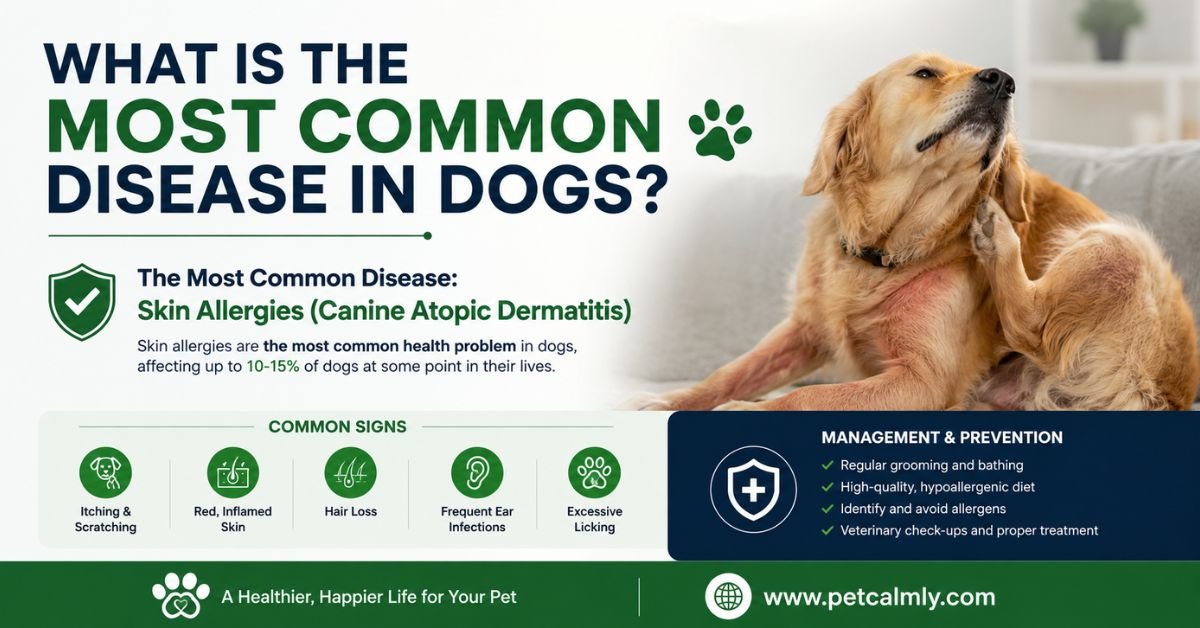
Short direct answer
The most common disease in dogs is dental disease (periodontal disease). Studies and veterinary professionals estimate that most dogs over three years old show some signs of dental disease. It starts with plaque buildup but can progress to painful gum infections, loose teeth, bad breath, and even damage to organs such as the heart and kidneys if left untreated. Fortunately, regular tooth brushing, professional dental cleanings, and routine veterinary checkups can greatly reduce the risk.
Introduction
When people think about dog illnesses, they often imagine serious infections or life-threatening diseases. In reality, the condition that affects the greatest number of dogs is something many owners overlook poor dental health.
Because dental disease develops slowly, dogs often continue eating and acting normally while discomfort builds over months or even years. By the time obvious symptoms appear, the disease may already be advanced.
Knowing what the most common disease in dogs is helps you recognize early warning signs, protect your dog’s overall health, and avoid expensive treatments later. Good dental care is not just about keeping your dog’s breath fresh. Healthy teeth and gums support eating, comfort, and long-term wellbeing.
This guide explains why dental disease is so common, what causes it, how to recognize the symptoms, what treatments are available, and the everyday habits that can help keep your dog’s mouth healthy. You’ll also learn about several other common canine diseases that every pet owner should know.
Search Intent Analysis
Primary Search Intent
People searching “what is the most common disease in dogs?” usually want a quick, trustworthy answer followed by practical advice about recognizing, treating, and preventing the condition.
Emotional Intent
Many dog owners search this question because they:
- Want to keep their dog healthy.
- Have noticed unusual symptoms.
- Are worried after hearing about common canine illnesses.
- Want to prevent future health problems.
Common Follow-Up Questions
Readers often continue searching for answers to questions such as:
- What causes dental disease in dogs?
- Can dental disease become serious?
- What are the first warning signs?
- Which dogs are most at risk?
- Can dental disease be prevented?
- When should I visit the veterinarian?
- What other diseases commonly affect dogs?
This article answers all of these questions in one place.
Why Is Dental Disease the Most Common Disease in Dogs?
Dental disease affects dogs of every age, breed, and size. Unlike sudden illnesses, it develops gradually.
Every day, bacteria combine with food particles and saliva to form plaque on your dog’s teeth. If plaque is not removed through brushing or chewing, it hardens into tartar.
Once tartar builds below the gumline, bacteria begin irritating the gums. This causes inflammation known as gingivitis. Without treatment, the infection spreads deeper, damaging the tissues and bone that support the teeth.
Over time, dogs may experience:
- Pain while chewing
- Bleeding gums
- Loose teeth
- Tooth loss
- Chronic infection
- Difficulty eating
- Reduced quality of life
The bacteria from severe periodontal disease can also enter the bloodstream, potentially affecting important organs.
How Dental Disease Develops
Understanding the stages of dental disease helps owners recognize problems before they become severe.
| Stage | What Happens | Can It Be Reversed? |
|---|---|---|
| Plaque buildup | Soft bacterial film forms on teeth | Yes |
| Tartar formation | Plaque hardens into calculus | Requires professional cleaning |
| Gingivitis | Gums become red and inflamed | Often reversible with treatment |
| Early Periodontitis | Infection damages supporting tissues | Partially reversible |
| Advanced Periodontitis | Bone loss and loose teeth develop | Permanent damage |
Early action makes a significant difference in your dog’s comfort and long-term oral health.
What Causes Dental Disease in Dogs?
Dental disease usually develops from a combination of factors rather than a single cause.
Plaque Buildup
Plaque begins forming only hours after a dog’s teeth are cleaned. Without regular removal, bacteria multiply quickly.
Lack of Dental Care
Dogs rarely develop healthy teeth without some level of dental maintenance. Skipping brushing allows plaque and tartar to accumulate over time.
Diet
Soft foods tend to stick to the teeth more than dry kibble, although neither replaces proper brushing. Dental diets and approved dental chews may help reduce plaque when used as part of an overall oral care routine.
Age
Older dogs have had more time for plaque and tartar to build up, making dental disease more common as they age.
Breed
Small and toy breeds often have crowded teeth, creating tight spaces where plaque collects. Breeds such as Yorkshire Terriers, Chihuahuas, Toy Poodles, and Dachshunds are frequently affected earlier in life.
Genetics
Some dogs naturally develop tartar faster than others, even with good home care.
Early Signs of Dental Disease
One challenge with dental disease is that dogs instinctively hide discomfort.
Watch for these early warning signs:
- Persistent bad breath
- Yellow or brown tartar
- Red gums
- Swollen gums
- Mild bleeding
- Drooling more than usual
- Pawing at the mouth
- Chewing on one side
- Less interest in hard treats
- Sensitivity when touching the face
Many owners mistakenly assume bad breath is normal. In reality, persistent foul-smelling breath is often one of the first signs of oral disease.
Advanced Symptoms You Should Never Ignore
As periodontal disease worsens, symptoms become more noticeable.
These include:
- Loose teeth
- Missing teeth
- Difficulty chewing
- Refusing food
- Weight loss
- Facial swelling
- Blood in saliva
- Thick drool
- Pus around the gums
- Extreme mouth pain
These symptoms require prompt veterinary attention. Delaying treatment can lead to worsening infection and unnecessary pain.
Dogs Most at Risk
Although every dog can develop dental disease, some are at higher risk.
Small Breeds
Smaller dogs often have crowded mouths, allowing plaque to collect more easily.
Examples include:
- Yorkshire Terrier
- Chihuahua
- Maltese
- Pomeranian
- Shih Tzu
- Toy Poodle
Senior Dogs
Years of plaque accumulation increase the likelihood of periodontal disease.
Dogs Without Regular Dental Care
Dogs that never receive brushing or professional cleanings are significantly more likely to develop advanced disease.
Dogs With Existing Medical Conditions
Conditions that weaken the immune system or affect saliva production may increase the risk of oral infections.
Why Dental Disease Affects More Than the Mouth
Many owners are surprised to learn that untreated dental disease can influence overall health.
When bacteria enter the bloodstream through infected gums, they may contribute to inflammation in other parts of the body.
Veterinarians are particularly concerned about potential effects on:
- Heart
- Liver
- Kidneys
- Immune system
While not every dog develops these complications, severe untreated periodontal disease increases the risk and may reduce quality of life.
Can Dental Disease Be Prevented?
The good news is that dental disease is one of the most preventable health problems in dogs.
Simple daily habits can make a remarkable difference.
Daily Prevention Checklist
✔ Brush your dog’s teeth with dog-safe toothpaste.
✔ Offer veterinarian-approved dental chews.
✔ Schedule regular veterinary dental exams.
✔ Feed a balanced diet.
✔ Provide safe chew toys that help reduce plaque.
✔ Watch for changes in eating habits or bad breath.
✔ Have professional dental cleanings when recommended.
Consistency matters more than perfection. Even brushing a few times each week is often better than not brushing at all.
Other Common Diseases Every Dog Owner Should Know
Although dental disease is the most common, several other conditions are frequently seen in veterinary practice.
These include:
- Ear infections
- Skin allergies
- Obesity
- Arthritis
- Diabetes
- Heartworm disease
- Urinary tract infections
- Kennel cough
- Parasites
- Osteoarthritis
How Veterinarians Diagnose Dental Disease in Dogs
If you suspect your dog has dental disease, scheduling a veterinary examination is the safest next step. While you may notice bad breath or tartar at home, only a veterinarian can determine how far the disease has progressed and whether it has affected the tissues beneath the gumline.
A dental examination usually includes:
- A visual inspection of the teeth and gums
- Checking for loose or damaged teeth
- Looking for gum inflammation or bleeding
- Assessing plaque and tartar buildup
- Evaluating signs of pain or infection
For a complete diagnosis, many dogs need a professional dental cleaning under anesthesia. This allows the veterinary team to clean below the gumline and take dental X-rays, which can reveal hidden bone loss, tooth root infections, or damaged teeth that aren’t visible during a routine exam.
Why Dental X-Rays Matter
A dog’s teeth can appear healthy above the gumline while serious disease is developing below it. Dental X-rays help detect:
- Bone loss
- Tooth root abscesses
- Fractured teeth
- Retained baby teeth
- Hidden infections
Finding these problems early often leads to simpler treatment and better long-term outcomes.
How Is Dental Disease Treated?
Treatment depends on the stage of the disease.
Mild Dental Disease
When caught early, treatment may include:
- Professional dental cleaning
- Plaque and tartar removal
- Tooth polishing
- Home brushing routine
- Dental diets or approved dental chews
At this stage, the gums often heal well with proper care.
Moderate Dental Disease
As infection progresses, your veterinarian may recommend:
- Deep cleaning below the gumline
- Dental X-rays
- Antibiotics when appropriate
- Pain management
- Closer follow-up visits
The goal is to stop the disease before it causes permanent damage.
Advanced Dental Disease
Severe periodontal disease often requires more extensive treatment.
This may involve:
- Tooth extractions
- Treatment for abscesses
- Professional pain control
- Ongoing home dental care
- Regular monitoring
Many owners worry about tooth removal, but dogs generally recover well and often feel much better once painful, infected teeth are removed.
Can Dental Disease Be Cured?
This is one of the most common questions dog owners ask.
The answer depends on how advanced the disease has become.
- Gingivitis, the earliest stage, can often be reversed with prompt treatment and good home care.
- Periodontitis, where bone and supporting tissues have been damaged, cannot be fully reversed. However, treatment can stop the disease from progressing and improve your dog’s comfort.
The earlier you act, the better the outcome.
Home Care Tips After a Dental Cleaning
Your dog’s mouth may be sensitive for a few days after treatment.
To support recovery:
- Follow all veterinary instructions.
- Give medications exactly as prescribed.
- Offer soft food if recommended.
- Avoid hard chew toys until healing is complete.
- Begin brushing only when your veterinarian advises.
- Monitor your dog’s appetite and behavior.
Most dogs return to normal eating within a few days.
How to Brush Your Dog’s Teeth Properly
Brushing is the most effective way to slow plaque buildup.
Step 1: Choose Dog-Safe Toothpaste
Never use human toothpaste. Ingredients like fluoride and xylitol can be harmful to dogs.
Instead, use toothpaste specifically formulated for dogs.
Step 2: Let Your Dog Get Comfortable
Allow your dog to sniff and taste the toothpaste before introducing the toothbrush.
Keep the first few sessions short and positive.
Step 3: Brush Gently
Use small circular motions along the gumline.
Focus on the outer surfaces of the teeth, where plaque builds up most.
Step 4: Reward Your Dog
Praise, treats, or playtime help create a positive association with tooth brushing.
Aim to brush daily, but even several times a week is beneficial.
Common Mistakes Dog Owners Make
Many cases of advanced dental disease develop because owners unknowingly delay care.
Avoid these common mistakes:
1: Assuming Bad Breath Is Normal
Persistent bad breath usually signals bacterial buildup or gum disease.
2: Waiting Until the Dog Stops Eating
Dogs often continue eating despite significant mouth pain. Loss of appetite is usually a late sign.
3: Giving Unsafe Chew Objects
Very hard items like cooked bones, rocks, or antlers can fracture teeth.
Choose veterinarian-approved dental chews instead.
4: Skipping Annual Checkups
Routine wellness exams often detect dental problems before they become severe.
5: Ignoring Small Changes
A dog chewing on one side, dropping food, or avoiding hard treats may already be experiencing oral discomfort.
Other Common Diseases in Dogs
Although dental disease ranks as the most common overall, every owner should be familiar with several other health conditions.
Ear Infections
Dogs with floppy ears, allergies, or frequent swimming are especially prone to ear infections.
Signs include:
- Head shaking
- Scratching at the ears
- Bad odor
- Redness
- Ear discharge
Prompt treatment helps prevent chronic pain and hearing problems.
Skin Allergies
Allergies are one of the leading reasons dogs visit the veterinarian.
Common symptoms include:
- Constant itching
- Licking paws
- Red skin
- Hair loss
- Recurring ear infections
Managing allergies often involves identifying triggers and following a long-term treatment plan.
Obesity
Excess body weight increases the risk of diabetes, arthritis, heart disease, and reduced mobility.
Healthy weight management includes:
- Portion control
- Regular exercise
- Balanced nutrition
- Routine weight checks
Arthritis
Older dogs commonly develop arthritis, but younger dogs can also be affected.
Symptoms include:
- Difficulty standing
- Slower walks
- Stiffness after resting
- Reluctance to jump
- Limping
Early treatment can improve mobility and quality of life.
Heartworm Disease
Heartworm disease is transmitted by mosquitoes and can be life-threatening.
Fortunately, it is largely preventable through year-round preventive medication prescribed by your veterinarian.
Intestinal Parasites
Roundworms, hookworms, whipworms, and tapeworms remain common, especially in puppies.
Signs may include:
- Diarrhea
- Vomiting
- Weight loss
- Poor coat condition
- Pot-bellied appearance in puppies
Routine fecal testing and deworming are important preventive measures.
When Should You Worry?
Some dental problems can wait a few days for an appointment, while others require urgent attention.
Contact Your Veterinarian Soon If Your Dog Has:
- Persistent bad breath
- Red or swollen gums
- Yellow or brown tartar
- Mild bleeding while chewing
- Difficulty eating dry food
Seek Prompt Veterinary Care If Your Dog Has:
- Facial swelling
- Heavy bleeding from the mouth
- Broken teeth
- Loose teeth
- Refusal to eat
- Severe pain
- Pus around the gums
- Sudden weight loss
- Difficulty opening the mouth
Prompt treatment can prevent complications and relieve pain.
What Should Pet Owners Do?
Good oral health doesn’t happen by accident it becomes part of your regular pet-care routine.
Here’s a practical plan:
- Check your dog’s mouth every week.
- Brush the teeth regularly.
- Schedule annual wellness exams.
- Ask your veterinarian whether professional dental cleanings are needed.
- Feed a balanced diet.
- Offer safe dental chews.
- Watch for changes in eating habits or breath.
- Treat small dental problems before they become major ones.
Small, consistent habits can make a big difference over your dog’s lifetime.
Frequently Asked Questions
1. What is the number one disease in dogs?
Dental disease, also called periodontal disease, is considered the most common health condition affecting dogs. It becomes increasingly common after three years of age and can lead to pain, tooth loss, and other health problems if left untreated.
2. Can dogs live with dental disease?
Dogs can continue living with dental disease, but they may experience chronic pain, infection, and difficulty eating. Untreated disease can also contribute to other health complications. Early treatment greatly improves comfort and quality of life.
3. How often should I brush my dog’s teeth?
Daily brushing is ideal. If that isn’t possible, brushing several times each week is still beneficial and helps reduce plaque buildup.
4. Is bad breath always a sign of dental disease?
Bad breath can have several causes, but persistent foul-smelling breath is one of the earliest and most common signs of dental disease. A veterinary examination is recommended if the odor doesn’t improve.
5. Are certain dog breeds more likely to develop dental disease?
Yes. Small breeds, including Chihuahuas, Yorkshire Terriers, Toy Poodles, Maltese, and Pomeranians, are generally at higher risk because their teeth are more crowded, making plaque buildup more likely.
6. Can dental disease be prevented completely?
No prevention method is perfect, but regular brushing, professional cleanings when recommended, routine veterinary exams, and a consistent oral care routine can greatly reduce your dog’s risk of developing serious dental disease.
More Information About Pets, Please Visit Our Website: Dog Diarrhea Home Treatment
Vet Recommended Supplements for Dogs
How to Improve Cat Dental Health
Conclusion
So, what is the most common disease in dogs? The answer is dental disease, also known as periodontal disease. Although it often develops quietly, it can affect your dog’s comfort, eating habits, and overall health if ignored.
The encouraging news is that dental disease is one of the most preventable conditions dogs face. Simple habits—such as brushing your dog’s teeth, scheduling regular veterinary checkups, and paying attention to early warning signs—can help protect your dog’s oral health for years to come.
Remember that dogs are skilled at hiding pain. By the time obvious symptoms appear, dental disease may already be advanced. Staying proactive and seeking veterinary care when you notice changes gives your dog the best chance of living a healthier, happier life.