Short direct answer
Treating dog anxiety at home usually involves creating a calm routine, identifying triggers, using positive reinforcement, increasing mental and physical exercise, and providing a safe, quiet space where your dog feels secure. Many dogs improve with consistent daily habits, gentle training, calming activities, and patient reassurance. However, severe anxiety, panic, aggression, self-harm, or sudden behavior changes should always be evaluated by a veterinarian or qualified dog behavior professional to rule out medical issues and develop a safe treatment plan.
Introduction
Living with an anxious dog can feel emotionally exhausting. Some dogs pace nonstop when left alone. Others bark at every sound, hide during storms, tremble around strangers, or panic during car rides. It is difficult watching a pet feel stressed in situations that seem normal to us.
The good news is that many cases of mild to moderate dog anxiety can improve at home with the right approach. Dogs thrive on predictability, safety, and trust. Small changes in routine, environment, and communication often make a bigger difference than owners expect.
This guide explains how to treat dog anxiety at home safely and realistically. You will learn common causes, warning signs, calming techniques, training strategies, daily routines, common mistakes to avoid, and when professional help may be necessary.
Understanding Dog Anxiety
Dog anxiety is a stress response that happens when a dog feels unsafe, uncertain, overwhelmed, or unable to cope with a situation.
Some anxiety is temporary and mild. For example, a puppy may feel nervous during fireworks or their first vet visit. Other dogs develop chronic anxiety that affects daily life.
An anxious dog is not being “bad” or stubborn. In many cases, the dog is trying to protect themselves or cope with fear.
Common Types of Dog Anxiety
Separation Anxiety
This happens when dogs panic after being left alone. Common signs include:
- Barking or howling
- Scratching doors
- Destructive chewing
- Pacing
- Indoor accidents
- Drooling excessively
Some dogs start showing stress the moment owners pick up keys or put on shoes.
Noise Anxiety
Thunderstorms, fireworks, vacuum cleaners, traffic sounds, and loud construction noises commonly trigger fear.
Social Anxiety
Some dogs become nervous around:
- Strangers
- Other dogs
- Children
- Crowded environments
- Visitors entering the home
Travel Anxiety
Car rides may trigger nausea, panic, whining, or trembling.
Generalized Anxiety
Some dogs remain constantly alert and stressed even without a clear trigger.
Signs Your Dog May Be Anxious
Recognizing subtle stress signals early can prevent anxiety from becoming worse.
Physical Symptoms
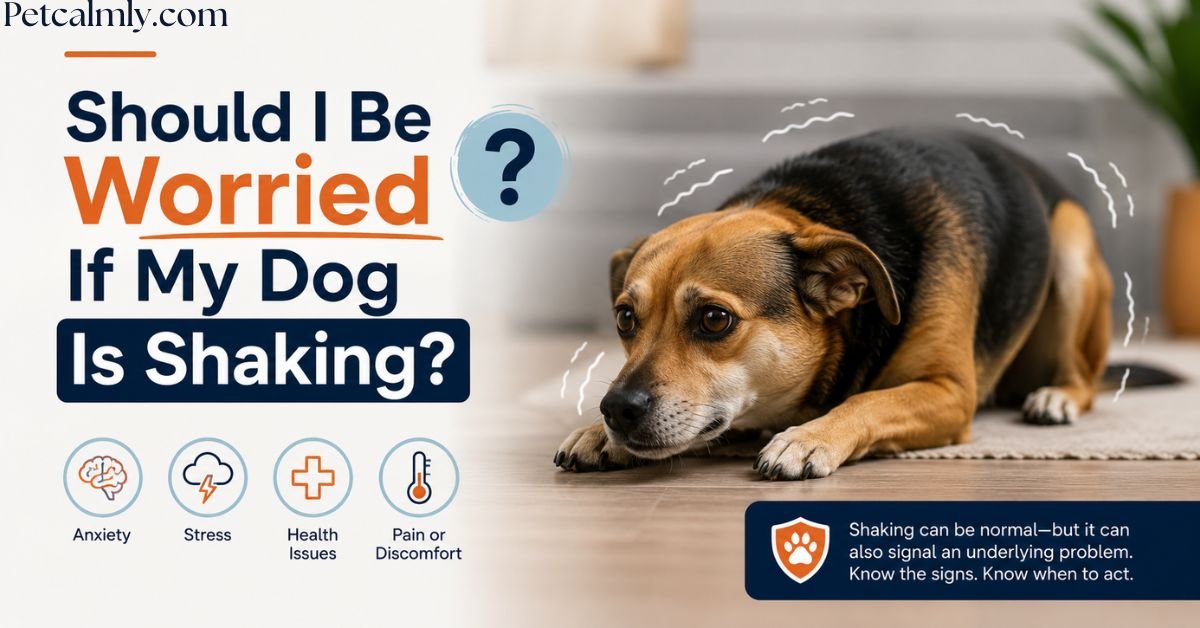
- Trembling
- Panting when not hot
- Dilated pupils
- Excessive shedding
- Lip licking
- Yawning repeatedly
- Drooling
- Tucked tail
Behavioral Signs
- Hiding
- Clinginess
- Barking excessively
- Destructive chewing
- Restlessness
- Pacing
- Refusing food
- Aggression caused by fear
- Trying to escape
Some anxious dogs become unusually quiet instead of hyperactive. Owners sometimes miss anxiety because the dog appears “calm,” but they are actually shutting down emotionally.
What Causes Anxiety in Dogs?
Understanding the root cause helps owners choose better solutions.
Lack of Early Socialization
Dogs that were not safely exposed to people, sounds, environments, and experiences during puppyhood may become fearful later.
Traumatic Experiences
Past abuse, abandonment, dog attacks, or frightening events can create lasting anxiety.
Rescue dogs sometimes carry stress from previous homes or shelters.
Sudden Environmental Changes
Dogs can struggle with:
- Moving homes
- New pets
- New babies
- Schedule changes
- Loud neighborhoods
- Owner absence
Genetics
Some breeds naturally tend to be more sensitive or alert.
Medical Problems
Pain, hormonal conditions, hearing loss, or neurological issues may cause behavior changes that look like anxiety.
This is why sudden or severe anxiety always deserves veterinary attention.
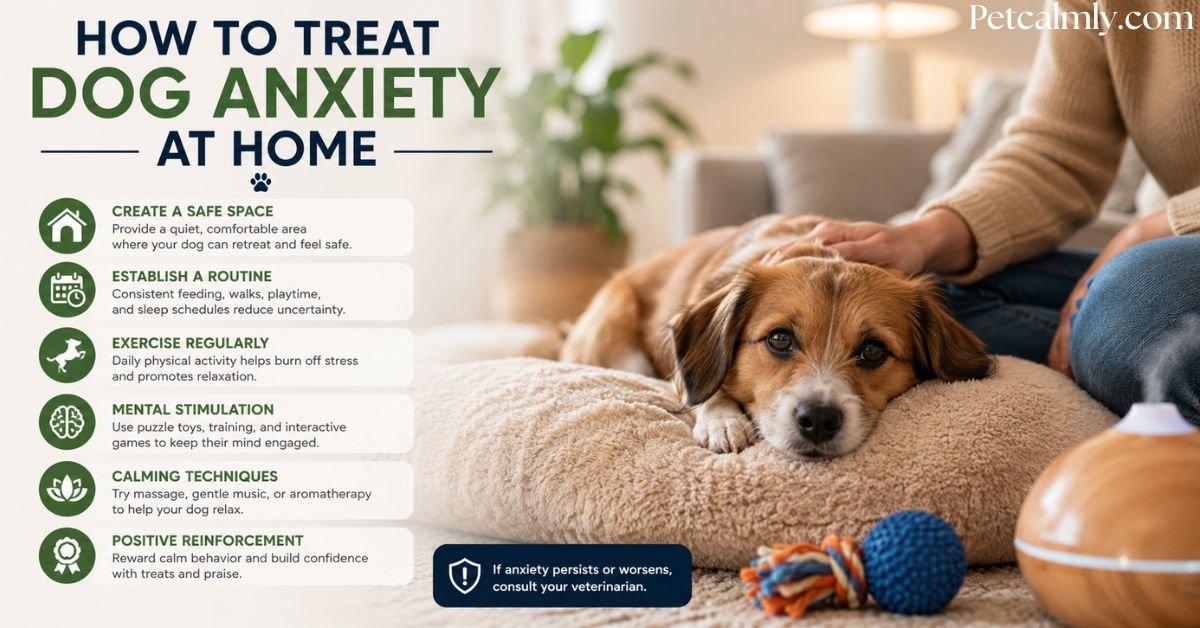
How to Treat Dog Anxiety at Home
Create a Predictable Daily Routine
Dogs feel safer when life becomes predictable.
Try to keep these consistent:
- Feeding times
- Walk schedules
- Sleep times
- Potty breaks
- Training sessions
A predictable routine lowers uncertainty, which helps reduce stress hormones.
Even small structure changes can help anxious dogs relax.
Build a Safe Space for Your Dog
Many anxious dogs need a quiet area where they can retreat without pressure.
A safe space may include:
- A crate with soft bedding
- A quiet room
- Familiar blankets
- Favorite toys
- White noise or calming music
Never force a dog into the space. The goal is to make it feel comforting, not like punishment.
Some dogs naturally choose closets, corners, or under tables during stressful moments. That behavior often signals they are seeking security.
Increase Physical Exercise
Exercise helps reduce nervous energy and frustration.
Depending on your dog’s age and health, helpful activities include:
- Daily walks
- Fetch
- Tug games
- Swimming
- Hiking
- Structured play sessions
A mentally and physically fulfilled dog is often calmer at home.
However, avoid overstimulating exercise right before stressful situations. Some anxious dogs become more hyper afterward.
Add Mental Enrichment Activities
Mental stimulation is extremely important for anxious dogs.
Try:
- Puzzle feeders
- Snuffle mats
- Treat-dispensing toys
- Basic obedience training
- Scent games
- Hide-and-seek
- Frozen food enrichment toys
Ten minutes of mental work can tire some dogs more effectively than a long walk.
Step-by-Step Home Routine for an Anxious Dog
Morning
- Calm potty break
- Light exercise
- Breakfast through puzzle feeder
- Short training session
Afternoon
- Quiet enrichment activity
- Relaxation time
- Consistent potty breaks
Evening
- Longer walk or play session
- Calm interaction
- Low-noise environment before bed
Many owners accidentally increase anxiety by creating chaotic routines with unpredictable stimulation.
Use Positive Reinforcement Training
Punishment increases fear and stress in anxious dogs.
Instead:
- Reward calm behavior
- Use treats during scary situations
- Praise confidence
- Keep training sessions short
For example, if your dog fears visitors:
- Visitor appears at distance
- Dog receives treats calmly
- Visitor leaves
- Repeat gradually
Over time, the dog begins associating visitors with positive experiences.
This process is called desensitization and counterconditioning.
Calming Techniques That Often Help
Speak Calmly
Dogs read human emotions surprisingly well.
Fast movements, yelling, frustration, or panic can increase stress.
A calm voice and relaxed body language help many dogs settle faster.
Try Gentle Massage
Some dogs respond well to slow shoulder or chest massages.
Avoid forcing touch if the dog seems uncomfortable.
Signs massage is helping include:
- Soft eyes
- Slower breathing
- Relaxed muscles
- Lying down voluntarily
Use Background Noise
Soft music, fans, or white noise may reduce sudden sound triggers.
Classical music and calming dog playlists sometimes help noise-sensitive dogs relax during storms or fireworks.
Practice Calm Departures and Arrivals
Owners often accidentally intensify separation anxiety.
Avoid emotional goodbyes like:
- “I’ll miss you!”
- Excessive hugging
- Excited greetings
Instead, keep departures low-key and calm.
Helpful Home Products for Dog Anxiety
Some products may support anxiety reduction when combined with training and routine changes.
Common Options
| Product Type | Possible Benefit |
|---|---|
| Calming beds | Provide comfort and security |
| White noise machines | Reduce sound triggers |
| Anxiety wraps | Gentle pressure may calm some dogs |
| Puzzle toys | Mental stimulation |
| Crate covers | Create den-like security |
| Pheromone diffusers | May help some dogs relax |
Results vary between dogs. No product works as a miracle cure.
Mistakes That Can Make Anxiety Worse
Punishing Fearful Behavior
Scolding an anxious dog often increases stress and damages trust.
Fear cannot simply be “disciplined away.”
Forcing Exposure Too Quickly
Dragging a terrified dog into overwhelming situations can worsen anxiety.
Progress should happen gradually.
Inconsistent Rules
Mixed signals confuse anxious dogs.
For example:
- Allowing couch access one day
- Punishing it the next day
Consistency helps dogs feel secure.
Ignoring Early Signs
Mild anxiety sometimes becomes severe if untreated.
Early intervention usually works better.
Separation Anxiety: Home Treatment Tips
Separation anxiety is one of the most common behavior problems owners face.
Gradual Alone-Time Training
Start with tiny absences.
Example:
- Leave for 30 seconds
- Return calmly
- Repeat multiple times
- Slowly increase duration
Rushing this process often backfires.
Remove Departure Triggers
If keys or shoes trigger panic:
- Pick them up randomly without leaving
- Put on shoes and sit down
- Open doors without exiting
This reduces the dog’s anticipation anxiety.
Leave Enrichment Toys
Frozen food toys or chew items can redirect focus during departures.
How Diet and Sleep Affect Anxiety
Many owners overlook the importance of rest and nutrition.
Poor Sleep Increases Stress
Dogs need substantial sleep to regulate emotions.
An overtired dog may become:
- Reactive
- Hyperactive
- Irritable
- More fearful
Create a quiet nighttime environment whenever possible.
Balanced Nutrition Matters
While food alone will not “cure” anxiety, stable nutrition supports overall health and emotional balance.
Sudden appetite changes or digestive problems should be discussed with a veterinarian.
Real-Life Example
A rescue dog named Max panicked whenever his owner left home. He barked nonstop and scratched doors until his paws became irritated.
Instead of punishing him, the owner started:
- Short practice departures
- Daily sniff walks
- Puzzle feeders
- Calm greetings
- Background music
Progress was slow for several weeks. But eventually, Max learned that being alone was safe and temporary.
This kind of gradual improvement is common with consistent training.
Quick Checklist for Calming an Anxious Dog
Do:
- Keep routines consistent
- Reward calm behavior
- Exercise daily
- Use mental enrichment
- Create a safe quiet space
- Stay patient
- Introduce triggers gradually
Don’t:
- Yell at fearful behavior
- Force interactions
- Ignore severe symptoms
- Expect overnight improvement
- Punish accidents caused by panic
When Should You Be Concerned?
Some anxiety signs require professional evaluation.
Contact a Veterinarian If Your Dog:
- Stops eating
- Injures themselves
- Shows sudden aggression
- Has panic attacks
- Cannot settle for long periods
- Experiences sudden behavior changes
- Has anxiety paired with physical symptoms
- Destroys doors, windows, or crates severely
Medical conditions sometimes mimic anxiety.
A veterinarian can also discuss behavior therapy or medication if needed.
What Should Pet Owners Do?
If your dog struggles with anxiety, focus on realistic, consistent steps instead of searching for instant fixes.
Start With These Actions
- Identify triggers
- Build a calm routine
- Increase enrichment
- Avoid punishment
- Reward relaxed behavior
- Create safe resting areas
- Track improvement gradually
Small daily improvements matter more than dramatic short-term results.
Can Dogs Fully Recover From Anxiety?
Many dogs improve significantly with proper management and training.
Some dogs become fully confident over time. Others may always remain slightly sensitive but can still live happy, comfortable lives.
The goal is not perfection. The goal is helping your dog feel safer, calmer, and more capable of coping with the world around them.
Preventing Anxiety in Dogs
Prevention is easier than treating severe fear later.
Helpful Prevention Habits
- Socialize puppies safely
- Introduce new experiences gradually
- Avoid traumatic exposure
- Use reward-based training
- Maintain predictable routines
- Provide daily exercise and enrichment
Confident dogs are usually built through many small positive experiences over time.
Frequently Asked Questions
1: How can I calm my dog’s anxiety naturally?
Exercise, mental stimulation, calming routines, gentle training, and creating a quiet safe space often help naturally reduce anxiety in dogs.
2: What is the best home remedy for dog anxiety?
There is no single best remedy. Most dogs improve through a combination of routine, positive reinforcement, enrichment activities, and stress reduction.
3: Can separation anxiety in dogs be cured?
Many dogs improve greatly with gradual alone-time training and consistent behavior work. Severe cases may require professional help.
4: Should I ignore my anxious dog?
Do not ignore distress completely, but also avoid reinforcing panic with excessive emotional reactions. Stay calm and supportive.
5: Does crate training help anxious dogs?
For some dogs, a properly introduced crate provides security and comfort. For others, confinement increases stress. It depends on the individual dog.
6: When should I take my anxious dog to the vet?
Seek veterinary advice if anxiety becomes severe, sudden, dangerous, or interferes with eating, sleeping, or normal daily life.
More Information About Pets, Please Visit Our Website: Why Is My Dog Scared of People?
How to Desensitize a Dog to Strangers
Conclusion
Helping an anxious dog at home takes patience, consistency, and empathy. Most anxious dogs are not trying to misbehave. They are struggling to feel safe in situations they do not fully understand.
Simple changes like structured routines, calm training, mental enrichment, and predictable daily habits can make a meaningful difference over time. Some dogs improve quickly, while others need weeks or months of gradual progress.
Pay attention to your dog’s body language, celebrate small wins, and avoid harsh corrections that increase fear. If symptoms become severe or dangerous, involve a veterinarian or qualified behavior professional early.
With the right support, many anxious dogs learn to relax, trust their environment, and enjoy a calmer, happier life at home.