Short direct answer
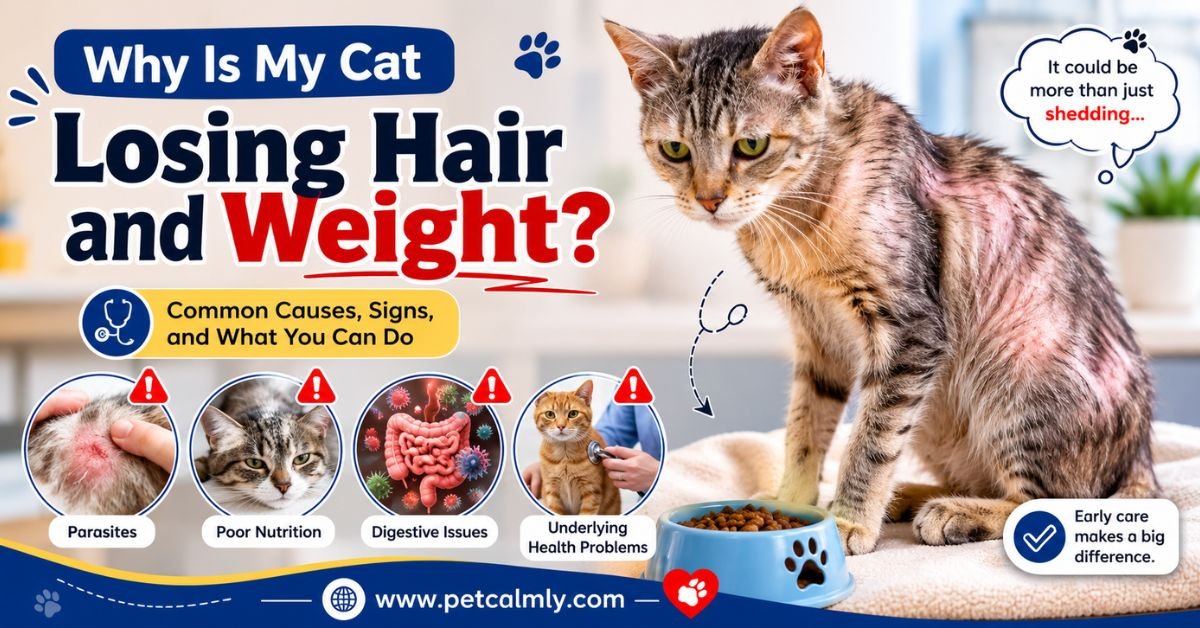
If you’re asking, “Why is my cat losing hair and weight?”, the answer is that these two symptoms often point to an underlying health or behavioral issue rather than a simple grooming problem. Common causes include parasites, allergies, poor nutrition, stress, hormonal disorders, digestive diseases, dental pain, and chronic illnesses such as kidney disease or hyperthyroidism. While some cases are mild and treatable, unexplained weight loss combined with hair loss always deserves attention. Watching for other signs such as changes in appetite, vomiting, diarrhea, excessive scratching, or changes in energy levels can help your veterinarian identify the cause and begin appropriate treatment.
Introduction
Most cat owners notice a few loose hairs around the house every day. Shedding is completely normal, especially during seasonal coat changes. Weight can also fluctuate slightly as cats age or become more active.
But when hair loss and weight loss happen together, they tell a different story.
A cat that suddenly develops thin patches of fur while becoming noticeably lighter may be dealing with something affecting their overall health. Sometimes the cause is as simple as fleas causing constant scratching. In other cases, the problem may involve nutrition, stress, chronic disease, or hormonal imbalance.
The encouraging news is that many of these conditions respond well to treatment once they’re identified. The key is recognizing the warning signs early instead of assuming they’ll disappear on their own.
In this guide, you’ll learn:
- Why cats lose hair and weight at the same time
- The most common medical and behavioral causes
- Symptoms that help narrow down the problem
- When home care may help
- When it’s time to see a veterinarian
- What you can do to support your cat’s recovery
By understanding what your cat’s body is trying to tell you, you’ll be better prepared to make informed decisions and help them feel comfortable again.
Why Is My Cat Losing Hair and Weight?
Hair loss (also called alopecia) and weight loss aren’t diseases by themselves they’re symptoms.
When these symptoms appear together, they usually mean that something is affecting your cat’s ability to stay healthy. That “something” could involve the skin, digestive system, immune system, hormones, or even emotional wellbeing.
In many cases, one problem leads to another.
For example:
- A cat with severe flea allergies scratches until fur falls out while also eating less because they’re uncomfortable.
- A cat with hyperthyroidism burns calories faster than they can replace them, leading to weight loss and a dull, thinning coat.
- A stressed cat may overgroom until bald patches develop while simultaneously losing interest in food.
Instead of looking at hair loss or weight loss separately, veterinarians consider the whole picture, including:
- Appetite changes
- Age
- Indoor or outdoor lifestyle
- Grooming habits
- Medical history
- Recent stress
- Other symptoms
This broader approach often leads to a faster diagnosis.
Is Hair Loss Always Serious?
Not necessarily.
Some hair loss has harmless explanations, including:
- Seasonal shedding
- Small areas shaved after veterinary procedures
- Friction from a collar or harness
- Minor scratches that heal quickly
However, hair loss becomes concerning when it:
- Creates bald patches
- Appears suddenly
- Is accompanied by redness
- Causes constant itching
- Comes with weight loss
- Occurs alongside vomiting, diarrhea, or lethargy
When body weight is dropping at the same time, it’s much less likely to be a simple cosmetic issue.
How Much Weight Loss Is Too Much?
Cats are experts at hiding illness.
Many owners don’t realize their cat has lost weight until:
- The spine feels sharper
- Ribs become easier to feel
- Hip bones become noticeable
- The face looks thinner
- The belly appears tucked up
Even a small amount of unexplained weight loss matters, especially in senior cats.
A healthy adult cat should generally maintain a fairly stable body condition. If your cat continues losing weight over several weeks despite eating normally or if they stop eating altogether they should be examined by a veterinarian.
Common Causes of Hair Loss and Weight Loss in Cats
Many different problems can produce both symptoms. Some affect the skin directly, while others interfere with nutrition or metabolism.
The following causes are among the most common.
Fleas and Flea Allergy Dermatitis
Even indoor cats can get fleas.
Some cats are extremely allergic to flea saliva. A single bite may trigger intense itching that causes excessive scratching, licking, and chewing.
Over time, this can lead to:
- Bald spots
- Broken hair
- Scabs
- Inflamed skin
- Secondary bacterial infections
If the infestation becomes severe, especially in kittens or older cats, weight loss may occur because the cat is constantly stressed, uncomfortable, and less interested in eating.
Typical signs
- Scratching around the tail
- Hair loss near the lower back
- Tiny black flea dirt
- Scabs
- Restlessness
Food Allergies
Food allergies usually develop gradually rather than appearing overnight.
Instead of causing digestive problems alone, many allergic cats primarily develop skin symptoms.
These may include:
- Itchy ears
- Hair loss
- Repeated skin infections
- Excessive grooming
- Neck scratching
If eating becomes uncomfortable or gastrointestinal inflammation develops, some cats begin losing weight.
Unlike food intolerances, true food allergies involve the immune system and often require a carefully planned elimination diet under veterinary guidance.
Environmental Allergies
Just like people, cats can react to substances in their surroundings.
Possible triggers include:
- Pollen
- Dust mites
- Mold
- Grass
- Household cleaning products
- Certain fabrics
These allergies often cause:
- Constant licking
- Overgrooming
- Hair thinning
- Skin irritation
Chronic discomfort may reduce appetite over time, contributing to gradual weight loss.
Internal Parasites
Intestinal worms compete with your cat for nutrients.
Common parasites include:
- Roundworms
- Hookworms
- Tapeworms
- Giardia
- Coccidia
Young kittens are especially vulnerable, but adult cats can also become infected.
Possible symptoms include:
- Weight loss
- Poor coat quality
- Pot-bellied appearance
- Vomiting
- Diarrhea
- Increased appetite
- Dull fur
Regular deworming and fecal testing help prevent these problems.
External Parasites
Besides fleas, several skin parasites may cause hair loss.
Examples include:
- Mites
- Lice
- Certain fungal infections mistaken for parasites
These conditions often produce:
- Patchy hair loss
- Thickened skin
- Crusting
- Severe itching
If left untreated, ongoing discomfort and infection can eventually affect your cat’s overall health and body weight.
Ringworm
Despite its name, ringworm isn’t caused by worms.
It’s a fungal infection that affects the skin, claws, and hair follicles.
Cats with ringworm often develop:
- Circular bald patches
- Dry, flaky skin
- Broken hairs
- Brittle whiskers
Kittens, elderly cats, and those with weakened immune systems are more susceptible.
Although ringworm itself doesn’t usually cause dramatic weight loss, widespread infection or another underlying illness may lead to both symptoms occurring together.
Stress and Anxiety
Cats often respond to emotional stress in surprisingly physical ways.
Changes that seem small to us can feel overwhelming to them.
Examples include:
- Moving house
- New pets
- Loud construction
- A new baby
- Changes in routine
- Loss of a companion animal
Some cats begin overgrooming as a coping mechanism.
Over time, this compulsive licking removes healthy fur and creates bald areas, especially on:
- Belly
- Inner legs
- Flanks
Stress may also reduce appetite, leading to gradual weight loss.
Poor Nutrition
Cats require high-quality animal protein to maintain healthy muscles and skin.
An inadequate diet can eventually result in:
- Weight loss
- Dry skin
- Dull coat
- Hair breakage
- Slow healing
- Reduced muscle mass
Poor nutrition may occur because of:
- Low-quality food
- Difficulty chewing
- Chronic illness
- Competition with other pets
- Feeding mistakes
Senior cats often need nutritional adjustments as their bodies change with age.
Symptoms That Can Help Identify the Cause
Hair loss and weight loss are only part of the story.
The additional symptoms your cat shows often provide valuable clues about what’s happening.
The table below summarizes common patterns.
| Symptoms | Possible Causes |
|---|---|
| Hair loss + scratching | Fleas, mites, allergies |
| Hair loss + vomiting | Parasites, digestive disease, hyperthyroidism |
| Hair loss + diarrhea | Food intolerance, parasites, inflammatory bowel disease |
| Hair loss + increased appetite | Hyperthyroidism, intestinal parasites |
| Hair loss + decreased appetite | Kidney disease, dental disease, infections |
| Hair loss + drinking more water | Diabetes, kidney disease, hyperthyroidism |
| Hair loss + lethargy | Chronic illness, anemia, infection |
| Hair loss + excessive grooming | Stress, allergies, pain |
| Hair loss + flaky skin | Ringworm, mites, nutritional deficiencies |
| Hair loss + bad breath | Dental disease causing reduced food intake |
Remember that these combinations are not a diagnosis. They simply help narrow down the possibilities before a veterinary examination.
Changes in Coat Quality
Healthy cats usually have smooth, soft, glossy coats.
When illness develops, the coat may become:
- Dry
- Rough
- Oily
- Brittle
- Thin
- Matted
- Patchy
Cats that don’t feel well often groom themselves less, while anxious cats may groom far too much. Either extreme can affect the appearance of the coat.
Changes in Appetite
Appetite changes often provide one of the earliest clues.
Some cats lose weight because they eat less.
Others lose weight despite eating more than usual.
For example:
- A cat with dental pain may avoid food because chewing hurts.
- A cat with hyperthyroidism may seem constantly hungry but continue losing weight.
- A cat with kidney disease may become nauseous and gradually stop eating.
Pay attention not only to how much your cat eats but also how eagerly they approach meals and whether they finish them.
Digestive Changes
Digestive symptoms can point toward conditions affecting nutrient absorption.
Watch for:
- Vomiting
- Diarrhea
- Constipation
- Blood in stool
- Changes in stool consistency
- Increased flatulence
- Frequent hairballs
Persistent digestive problems often contribute to weight loss because the body cannot absorb nutrients efficiently.
Behavioral Changes
Illness doesn’t only affect the body it often changes behavior as well.
You may notice your cat becoming:
- Less playful
- More withdrawn
- Irritable
- Sleepier than usual
- Hiding more often
- Less interested in grooming
- More vocal than normal
Cats naturally hide signs of discomfort, so even subtle behavioral changes deserve attention when they occur alongside hair loss and weight loss.
Medical Conditions That Can Cause Hair Loss and Weight Loss in Cats
While parasites and allergies are common reasons for hair loss, they aren’t the only possibilities. Several medical conditions can affect your cat’s metabolism, immune system, digestive tract, or skin, leading to noticeable changes in both body weight and coat quality.
Understanding these conditions doesn’t mean trying to diagnose your cat at home. Instead, it helps you recognize why veterinary care is so important when these symptoms appear together.
Hyperthyroidism
Hyperthyroidism is one of the most common hormonal disorders in older cats. It occurs when the thyroid glands produce too much thyroid hormone, causing the body’s metabolism to speed up.
Even though affected cats often seem hungrier than ever, they continue to lose weight because they burn calories much faster than normal.
Common signs include:
- Rapid weight loss
- Increased appetite
- Thinning or greasy coat
- Hair loss from excessive grooming
- Increased thirst
- Frequent urination
- Hyperactivity
- Restlessness
- Vomiting or diarrhea in some cats
Many owners initially think their senior cat is simply “aging well” because they’re unusually active. In reality, untreated hyperthyroidism can strain the heart, kidneys, and blood pressure.
Fortunately, treatment options including medication, prescription diets, radioactive iodine therapy, or surgery in selected cases can help many cats live comfortable lives.
Chronic Kidney Disease
Kidney disease develops gradually and is especially common in senior cats.
Healthy kidneys remove waste products from the bloodstream. As kidney function declines, toxins build up and affect the entire body.
Cats with chronic kidney disease often lose weight because nausea, dehydration, and reduced appetite make eating difficult.
Signs may include:
- Gradual weight loss
- Poor coat condition
- Increased drinking
- Increased urination
- Bad breath
- Mouth ulcers
- Vomiting
- Weakness
- Sleeping more than usual
Because kidney disease develops slowly, routine wellness exams and blood tests are valuable, particularly for cats over seven years of age.
Diabetes Mellitus
Diabetes affects the body’s ability to regulate blood sugar.
Without enough insulin—or when the body can’t use insulin effectively cells struggle to use glucose for energy. As a result, the body begins breaking down fat and muscle.
Common symptoms include:
- Weight loss despite eating well
- Increased thirst
- Frequent urination
- Weakness
- Poor coat quality
- Reduced muscle mass
Some diabetic cats also become less interested in grooming, making their coat appear rough or unkempt.
Early treatment often includes insulin therapy, dietary adjustments, and regular monitoring.
Inflammatory Bowel Disease (IBD)
Inflammatory bowel disease is a long-term condition involving inflammation of the digestive tract.
When the intestines become inflamed, they cannot absorb nutrients efficiently. Even if your cat eats enough food, they may still lose weight.
Symptoms often include:
- Chronic vomiting
- Diarrhea
- Weight loss
- Poor coat quality
- Reduced appetite
- Increased hairballs
- Intermittent stomach discomfort
IBD can usually be managed through diet changes, medication, and ongoing veterinary care.
Cancer
Cancer is an understandably frightening possibility, but it’s important to remember that many other conditions are far more common.
Certain cancers can affect appetite, metabolism, digestion, or the skin, leading to both hair loss and weight loss.
Possible warning signs include:
- Progressive weight loss
- Lumps or swelling
- Persistent vomiting
- Poor appetite
- Lethargy
- Chronic wounds
- Difficulty breathing
- Persistent diarrhea
Early diagnosis offers the best chance for successful treatment or supportive care.
Liver Disease
The liver performs hundreds of essential functions, including processing nutrients and removing toxins.
When liver disease develops, cats may experience:
- Weight loss
- Poor appetite
- Vomiting
- Yellow gums or eyes (jaundice)
- Dull coat
- Low energy
Hair loss isn’t always a direct result of liver disease, but poor nutrition and reduced grooming often contribute to coat changes.
Dental Disease
Many owners don’t realize that painful teeth can lead to significant weight loss.
Cats with dental disease may want to eat but avoid chewing because it’s uncomfortable.
Signs include:
- Bad breath
- Dropping food
- Pawing at the mouth
- Eating slowly
- Weight loss
- Reduced grooming
- Dull or messy coat
Professional dental cleaning and treatment often make a remarkable difference in both appetite and overall health.
Skin Infections
Hair loss sometimes begins with bacterial or yeast infections rather than allergies.
These infections may develop after:
- Flea bites
- Allergic reactions
- Scratching
- Hormonal disorders
- Immune suppression
Affected cats may develop:
- Red skin
- Crusts
- Pus-filled bumps
- Unpleasant odor
- Itching
- Patchy hair loss
If discomfort becomes severe, appetite may decrease, leading to weight loss over time.
Behavioral and Environmental Causes
Not every cat losing hair and weight has a serious disease.
Behavior, emotional wellbeing, and the home environment can also play important roles.
Stress-Induced Overgrooming
Cats often cope with stress by grooming themselves.
Normally, grooming is healthy. But excessive licking can damage hair follicles and create bald areas.
Common stress triggers include:
- Moving to a new home
- Renovations
- New family members
- Another cat entering the household
- Boarding
- Changes in routine
- Conflict between pets
Unlike skin disease, stress-related hair loss often leaves the skin looking surprisingly normal.
Where stress-related hair loss usually appears
- Belly
- Inner thighs
- Sides
- Front legs
Many owners don’t actually see their cat overgrooming because it usually happens when nobody is watching.
Anxiety and Appetite Changes
Stress doesn’t just affect grooming.
Some anxious cats also:
- Eat less
- Hide more
- Avoid social interaction
- Sleep differently
- Become unusually clingy
When stress continues for weeks or months, gradual weight loss can occur.
Competition Between Pets
In multi-cat households, one cat may quietly lose access to food.
Dominant pets sometimes:
- Block food bowls
- Intimidate timid cats
- Eat another cat’s meals
- Guard feeding areas
The shy cat may gradually lose weight without the owner realizing why.
Providing multiple feeding stations in separate locations often helps.
Poor-Quality Diet
Nutrition directly affects skin and coat health.
Cats require adequate amounts of:
- Animal protein
- Essential fatty acids
- Vitamins
- Minerals
- Water
A poor-quality diet can contribute to:
- Dry skin
- Hair breakage
- Excess shedding
- Muscle loss
- Weight loss
If you’re considering changing foods, do so gradually over 7–10 days to avoid digestive upset.
Age-Related Changes
Senior cats naturally experience changes in:
- Muscle mass
- Metabolism
- Grooming ability
- Digestion
- Dental health
These changes don’t automatically explain hair loss and weight loss, but they can increase the risk of underlying disease.
Regular senior wellness checkups help detect problems before they become advanced.
How Veterinarians Diagnose the Cause
Because so many conditions share similar symptoms, diagnosing the underlying problem requires a systematic approach.
Rather than guessing, your veterinarian gathers information step by step.
Step 1: Medical History
You’ll likely be asked questions such as:
- When did the hair loss begin?
- How quickly has your cat lost weight?
- Has appetite changed?
- Indoor or outdoor cat?
- Any vomiting or diarrhea?
- Any recent stress?
- Current diet?
- Flea prevention used?
- Previous medical conditions?
- Current medications?
Small details often provide valuable clues.
Step 2: Physical Examination
During the examination, your veterinarian evaluates:
- Body condition
- Muscle mass
- Skin
- Coat quality
- Eyes
- Mouth and teeth
- Heart
- Lungs
- Abdomen
- Hydration
- Lymph nodes
This hands-on assessment helps narrow down the list of possible causes.
Step 3: Skin Tests
If skin disease is suspected, your veterinarian may recommend:
- Skin scraping
- Fungal culture
- Ringworm testing
- Flea comb examination
- Hair examination under a microscope
- Skin cytology
These tests help identify parasites, infections, or inflammatory skin conditions.
Step 4: Blood Tests
Blood work provides important information about internal health.
Common tests evaluate:
- Kidney function
- Liver function
- Blood sugar
- Thyroid hormone levels
- Infection
- Anemia
- Electrolytes
Blood tests are especially valuable in middle-aged and senior cats.
Step 5: Urine Testing
A urine sample helps assess:
- Kidney health
- Diabetes
- Urinary infections
- Hydration status
It complements blood work rather than replacing it.
Step 6: Fecal Examination
If digestive disease or parasites are possible, a stool sample may be checked for:
- Worm eggs
- Protozoa
- Abnormal bacteria
- Other intestinal parasites
Some parasites aren’t visible to the naked eye, making laboratory testing worthwhile.
Step 7: Imaging
Depending on the findings, additional tests may include:
- X-rays
- Ultrasound
- Dental X-rays
- Advanced imaging in selected cases
Imaging helps identify internal diseases affecting organs that cannot be evaluated through a physical exam alone.
Treatment Options for Cats Losing Hair and Weight
Treatment always depends on the underlying cause.
Trying random home remedies before knowing the diagnosis may delay proper care.
Below are common treatment approaches.
Parasite Treatment
If fleas, mites, or worms are responsible, treatment may involve:
- Prescription flea prevention
- Deworming medication
- Treating all household pets if recommended
- Cleaning bedding and living areas
Many cats begin improving within weeks once parasites are eliminated.
Allergy Management
Treatment depends on the specific allergy.
Options may include:
- Prescription diets
- Elimination food trials
- Medications to reduce itching
- Omega-3 fatty acid supplements
- Environmental management
- Flea prevention year-round
Avoid switching foods repeatedly without veterinary guidance, as this can make food allergies harder to diagnose.
Treating Medical Diseases
Chronic illnesses often require long-term management rather than a one-time cure.
Examples include:
- Thyroid medication for hyperthyroidism
- Insulin for diabetes
- Kidney-supportive diets
- Medications for inflammatory bowel disease
- Dental treatment for painful teeth
With consistent care, many cats enjoy an excellent quality of life.
Improving Nutrition
Cats recovering from illness may benefit from:
- High-quality complete diets
- Increased protein when appropriate
- Adequate hydration
- Smaller, frequent meals
- Monitoring body weight weekly
Never force-feed a cat that refuses food without speaking to your veterinarian. Cats that stop eating completely are at risk of developing hepatic lipidosis (fatty liver disease), a potentially serious condition.
Reducing Stress
If stress contributes to overgrooming or appetite loss, management focuses on creating a calmer environment.
Helpful strategies include:
- Predictable daily routines
- Quiet resting places
- Separate feeding stations
- Interactive play sessions
- Scratching posts
- Puzzle feeders
- Gradual introductions to new pets
- Environmental enrichment
In some cases, your veterinarian may recommend behavior therapy or medication for chronic anxiety.
Caring for a Cat Losing Hair and Weight at Home
Once your veterinarian has identified the underlying cause, home care becomes one of the most important parts of your cat’s recovery. Medication alone is often not enough. A calm environment, proper nutrition, regular monitoring, and consistent routines all help your cat regain strength and improve coat health.
It’s important to remember that home care should support veterinary treatment not replace it. If your cat is losing weight quickly, refusing food, or showing signs of illness, professional medical care is always the safest choice.
Create a Stress-Free Recovery Environment
Cats recover best when they feel safe and secure.
Stress can worsen many health conditions, reduce appetite, and even lead to excessive grooming that causes additional hair loss.
To help your cat feel more comfortable:
- Keep feeding times consistent.
- Provide a quiet resting area away from noise.
- Avoid sudden changes to their routine.
- Make sure food, water, and litter boxes are easy to access.
- Offer hiding spots where your cat can relax undisturbed.
- Limit interactions with unfamiliar pets or visitors during recovery.
A predictable daily routine often helps anxious cats regain confidence and return to normal eating habits.
Encourage Healthy Eating
Weight loss means your cat needs enough calories and nutrients to rebuild muscle and maintain healthy skin.
Some helpful strategies include:
- Feed a complete, balanced diet appropriate for your cat’s age.
- Warm wet food slightly to enhance its aroma.
- Offer small meals several times a day if your cat struggles with large portions.
- Ensure fresh water is always available.
- Clean food bowls daily to encourage eating.
If your veterinarian recommends a prescription diet, avoid mixing it with other foods unless instructed to do so.
Monitor Food Intake
Cats often hide illness, so keeping track of daily eating habits can reveal important changes before they become obvious.
Consider recording:
- Amount of food offered
- Amount eaten
- Meal times
- Appetite level
- Any vomiting after meals
A simple notebook or phone app can help you notice patterns that might otherwise go unnoticed.
Support Healthy Grooming
Healthy cats spend a significant part of their day grooming themselves.
If illness has affected your cat’s grooming habits, gentle assistance may help.
You can:
- Brush your cat regularly using a soft brush.
- Remove loose fur before it forms mats.
- Check the skin for redness, scabs, or parasites.
- Watch for new bald patches.
Avoid bathing your cat unless your veterinarian recommends it, as frequent bathing may dry the skin and increase irritation.
Keep Up With Parasite Prevention
Even indoor cats benefit from routine parasite prevention.
Fleas and mites can enter homes on:
- Clothing
- Other pets
- Visitors
- Wildlife near the home
Using veterinarian-approved parasite prevention throughout the year helps reduce the risk of future skin problems.
Nutrition Tips for Healthy Skin, Coat, and Body Weight
Nutrition plays a major role in both coat quality and maintaining a healthy weight.
The skin is one of the body’s largest organs, and it depends on proper nutrition to stay healthy.
Choose a Complete and Balanced Diet
Look for foods labeled as complete and balanced for your cat’s life stage.
Growing kittens, healthy adults, and senior cats all have different nutritional needs.
A quality diet should provide:
- High-quality animal protein
- Healthy fats
- Essential vitamins
- Minerals
- Taurine
- Appropriate calorie levels
Cats are obligate carnivores, meaning animal-based protein is essential for their long-term health.
Ensure Adequate Protein Intake
Protein helps maintain:
- Muscle mass
- Healthy skin
- Hair growth
- Immune function
- Tissue repair
Cats losing weight often lose muscle as well as body fat, making sufficient protein especially important during recovery.
Include Healthy Fats
Essential fatty acids support:
- Healthy skin
- Coat shine
- Reduced skin dryness
- Normal inflammatory responses
Your veterinarian may recommend omega-3 fatty acid supplements for some skin conditions, but supplements should only be used under professional guidance.
Encourage Hydration
Proper hydration supports nearly every organ system.
Some ways to increase water intake include:
- Feeding wet food
- Providing multiple water bowls
- Using a cat water fountain
- Refreshing water daily
Cats with kidney disease, diabetes, or digestive problems often benefit from careful attention to hydration.
Avoid Sudden Diet Changes
Switching foods too quickly can cause digestive upset.
Instead:
- Mix a small amount of the new food with the old.
- Gradually increase the new food over 7–10 days.
- Monitor for vomiting, diarrhea, or appetite changes.
A gradual transition is usually easier on your cat’s digestive system.
Can Hair Grow Back After Hair Loss?
In many cases, yes.
Hair usually grows back once the underlying problem is successfully treated.
Recovery depends on factors such as:
- The original cause
- How long the condition existed
- Whether the hair follicles were permanently damaged
- Your cat’s overall health
- Nutritional status
For example:
- Flea allergy hair loss often improves within several weeks after treatment.
- Stress-related overgrooming improves once anxiety is addressed.
- Fungal infections may require several weeks of treatment before new hair appears.
Hair regrowth is usually gradual rather than immediate.
How Long Does Recovery Take?
Every cat is different.
Some begin improving within a few weeks, while others with chronic illnesses require ongoing management.
General timelines may look like this:
| Condition | Approximate Recovery Time* |
|---|---|
| Flea allergy | 4–8 weeks |
| Mild nutritional deficiency | Several weeks to a few months |
| Ringworm | 6–12 weeks |
| Stress-related overgrooming | Several weeks after stress is reduced |
| Chronic kidney disease | Long-term management |
| Hyperthyroidism | Improvement often begins within a few weeks of treatment |
*Recovery times vary depending on the individual cat and treatment plan.
6 Common Mistakes Cat Owners Make
When worried about a pet, it’s natural to want immediate answers. However, some well-intentioned actions may delay recovery.
Avoid these common mistakes.
Assuming It’s “Just Shedding”
Normal shedding doesn’t usually cause:
- Visible bald patches
- Weight loss
- Constant scratching
- Skin inflammation
If these signs are present together, your cat should be evaluated.
Waiting Too Long
Cats often hide illness remarkably well.
By the time noticeable weight loss appears, the underlying condition may have been developing for weeks or even months.
Early treatment generally leads to better outcomes.
Changing Foods Repeatedly
Frequent diet changes may:
- Upset digestion
- Make food allergies harder to diagnose
- Reduce appetite further
Instead, discuss dietary concerns with your veterinarian before making major changes.
Using Dog Flea Products
Never use flea treatments intended for dogs unless specifically instructed by a veterinarian.
Some products containing permethrin are highly toxic to cats and can cause life-threatening reactions.
Always use products labeled specifically for cats.
Ignoring Dental Health
Many owners overlook the mouth when trying to explain weight loss.
Painful teeth can make eating difficult long before obvious symptoms appear.
Regular dental examinations are an important part of preventive healthcare.
Treating Without a Diagnosis
Hair loss has many possible causes.
Using over-the-counter creams, shampoos, or supplements without knowing the reason for the problem may:
- Delay diagnosis
- Irritate the skin
- Mask important symptoms
- Waste valuable treatment time
When Should You Worry?
Not every case requires emergency care, but some situations should never be ignored.
Contact your veterinarian promptly if your cat has:
- Ongoing weight loss
- Bald patches that continue spreading
- Persistent scratching or licking
- Open sores
- Bleeding skin
- Loss of appetite lasting more than 24 hours
- Repeated vomiting
- Persistent diarrhea
- Increased thirst and urination
- Extreme lethargy
- Difficulty breathing
- Sudden behavioral changes
Prompt evaluation often prevents minor problems from becoming more serious.
Signs That Require Urgent Veterinary Attention
Seek urgent veterinary care if your cat:
- Stops eating completely, especially for more than 24 hours.
- Has rapid or severe weight loss.
- Has difficulty breathing.
- Becomes unable to stand or walk normally.
- Experiences seizures.
- Shows signs of severe dehydration.
- Has large, infected wounds or widespread skin lesions.
- Appears collapsed or unresponsive.
Cats can deteriorate quickly once they stop eating, so it’s always safer to seek advice sooner rather than later.
Daily Home Monitoring Checklist
Keeping track of small changes helps you and your veterinarian assess recovery.
Check your cat each day for:
☐ Eating normally
☐ Drinking normally
☐ Normal litter box habits
☐ Stable body weight
☐ No new bald patches
☐ Less scratching or licking
☐ Improved energy level
☐ Comfortable movement
☐ Healthy-looking skin
☐ Bright, alert behavior
Weighing your cat once a week using the same scale can help identify gradual weight changes before they’re obvious by appearance alone.
Preventing Hair Loss and Unhealthy Weight Loss in Cats
While not every illness can be prevented, good preventive care significantly lowers the risk of many common problems.
Healthy habits include:
- Feeding a complete, balanced diet.
- Maintaining a healthy body weight.
- Providing routine parasite prevention.
- Scheduling regular veterinary checkups.
- Brushing your cat regularly.
- Monitoring changes in appetite.
- Keeping vaccinations up to date as recommended.
- Reducing household stress.
- Offering daily play and mental enrichment.
- Performing monthly skin and coat checks at home.
These simple habits make it easier to notice subtle changes before they become serious health concerns.
What Should Pet Owners Do Next?
If you’ve noticed your cat losing both hair and weight, it’s understandable to feel concerned. The good news is that many of the underlying causes—from fleas and food allergies to stress and certain medical conditions—can be successfully managed when they’re identified early.
Rather than trying multiple home remedies or waiting for the problem to resolve on its own, focus on gathering helpful information for your veterinarian and supporting your cat’s overall health.
Step 1: Observe Your Cat Closely
Take a few minutes each day to monitor changes such as:
- Appetite
- Water intake
- Energy level
- Grooming habits
- Scratching or licking
- Vomiting or diarrhea
- Litter box habits
- New bald patches
- Changes in body weight
Keeping notes or photos every few days can help you notice gradual changes that are easy to miss.
Step 2: Schedule a Veterinary Visit
Because hair loss and weight loss can have many different causes, a veterinary examination is the best way to determine what’s happening.
Seek prompt veterinary care if:
- Weight loss continues for more than a few days.
- Bald patches spread rapidly.
- Your cat stops eating.
- Your cat seems weak or unusually tired.
- Skin becomes infected or develops open sores.
- You notice increased thirst, vomiting, or diarrhea.
Early diagnosis often means simpler treatment and a better chance of a full recovery.
Step 3: Follow the Treatment Plan Consistently
Once your veterinarian identifies the cause, follow the recommended treatment exactly as directed.
This may include:
- Prescription medications
- Flea or parasite control
- Dietary changes
- Follow-up appointments
- Weight monitoring
- Blood tests
- Skin treatments
Avoid stopping medication early simply because your cat appears to be improving. Completing the full treatment plan helps reduce the risk of recurrence.
Step 4: Continue Monitoring at Home
Recovery doesn’t always happen overnight.
Continue watching for improvements in:
- Appetite
- Body weight
- Coat thickness
- Skin health
- Activity level
- Grooming behavior
Small improvements over several weeks are often a positive sign that treatment is working.
What to Expect During Recovery
Every cat recovers at a different pace depending on the underlying condition, age, and overall health.
During the first few weeks, you may notice:
- Better appetite
- Increased energy
- Less scratching or licking
- Healthier skin
- Gradual weight gain
- Fewer new bald patches
Hair usually takes longer to regrow than other symptoms improve. Even after the underlying condition is controlled, it may take several weeks or sometimes a few months for the coat to return to normal.
If your cat’s symptoms continue to worsen despite treatment, contact your veterinarian rather than waiting for the next scheduled visit.
Quick Action Checklist
If your cat is losing hair and weight, use this checklist as a starting point:
Check for fleas or signs of excessive scratching.
Monitor food and water intake.
Weigh your cat once a week if possible.
Watch for vomiting, diarrhea, or changes in litter box habits.
Avoid changing foods frequently without veterinary advice.
Keep stress to a minimum.
Stay up to date with parasite prevention.
Schedule a veterinary examination for unexplained or ongoing symptoms.
Frequently Asked Questions
1. Why is my cat losing hair and weight but still eating normally?
If your cat has a normal or increased appetite but continues to lose weight, conditions such as hyperthyroidism, diabetes, intestinal parasites, or digestive disorders may be affecting how nutrients are used or absorbed. Even though your cat is eating, their body may not be getting the energy it needs. A veterinary examination and diagnostic testing are the best way to determine the cause.
2. Can stress cause both hair loss and weight loss in cats?
Yes. Stress can lead to excessive grooming, which causes hair loss, and it may also reduce appetite or increase anxiety enough to contribute to gradual weight loss. However, because many medical conditions produce similar symptoms, it’s important not to assume stress is the only cause until your cat has been evaluated.
3. Will my cat’s fur grow back after treatment?
In many cases, yes. Once the underlying problem—such as fleas, allergies, stress, or infection—is successfully treated, new hair usually begins to grow. The speed of regrowth depends on the cause, your cat’s overall health, and whether the hair follicles have been permanently damaged.
4. Should I change my cat’s food if they’re losing weight?
Not without first identifying the reason for the weight loss. While some cats benefit from a different diet, changing foods too often can make certain conditions harder to diagnose and may upset your cat’s stomach. Your veterinarian can recommend the most appropriate diet based on your cat’s individual needs.
5. Can indoor cats develop parasites or skin problems?
Absolutely. Indoor cats can still develop fleas, mites, ringworm, allergies, and other skin conditions. Parasites may enter the home on clothing, other pets, or visiting animals, so regular preventive care remains important even for cats that never go outside.
6. When should I take my cat to the veterinarian?
Arrange a veterinary visit if your cat experiences unexplained weight loss, persistent hair loss, reduced appetite, vomiting, diarrhea, excessive scratching, or changes in behavior. Seek urgent care if your cat stops eating for more than 24 hours, has difficulty breathing, becomes extremely weak, or appears seriously ill.
More Information About Pets, Please Visit Our Website: How to Give Eye Drops to a Cat
Cat Eye Infection Home Treatment
Cat Breathing Fast While Sleeping
Cat Diarrhea Treatment at Home
Conclusion
If you’ve been wondering, “Why is my cat losing hair and weight?”, remember that these symptoms are your cat’s way of telling you something isn’t quite right. While the cause may be as manageable as fleas, allergies, or stress, it could also signal a condition that requires prompt medical attention.
The most important thing you can do is avoid guessing. Careful observation, timely veterinary care, and consistent home support give your cat the best chance of recovering fully.
Many cats return to a healthy weight and regain a soft, full coat once the underlying issue is treated. Acting early not only improves the chances of recovery but also helps prevent minor problems from becoming more serious.
With patience, proper care, and guidance from your veterinarian, you can help your cat feel comfortable, healthy, and happy again.