Short direct answer
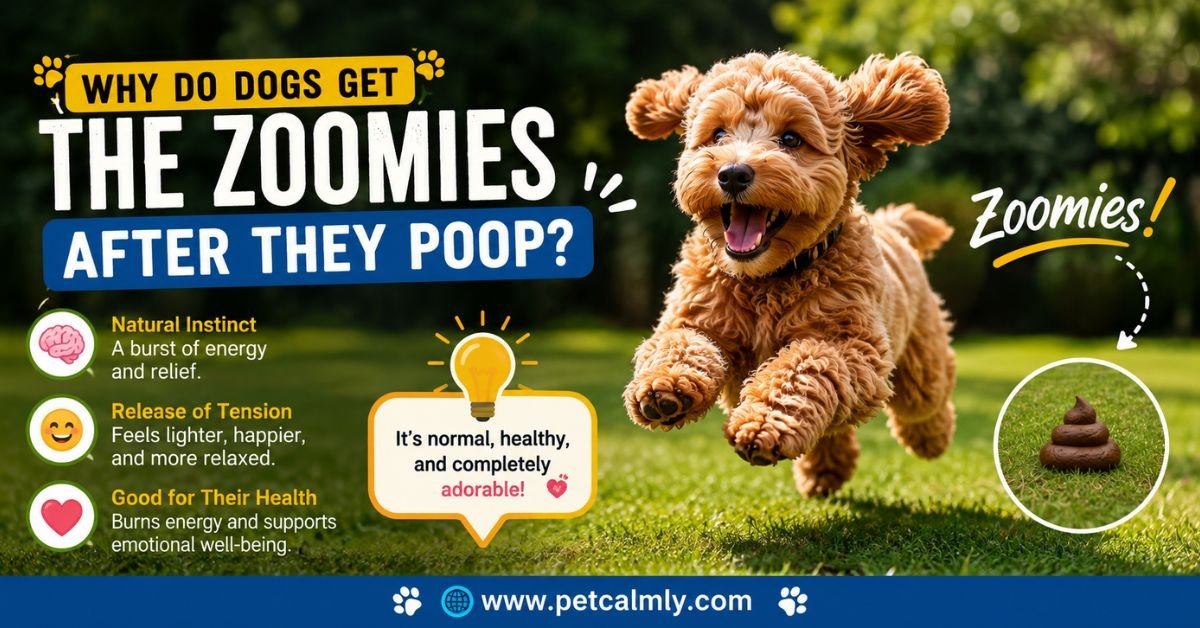
Dogs get the zoomies after pooping because of a combination of physical relief and neurological stimulation. Defecation triggers nerve endings in the colon and rectum, releases built-up tension, and temporarily stimulates their nervous system prompting sudden bursts of energy. This post-poop zoomie behavior is completely normal for most dogs and rarely indicates a health problem.
Introduction
If you’ve ever watched your dog take off running, jumping, and spinning in wild circles immediately after doing their business outside, you’ve witnessed the adorable chaos we call “zoomies.” For many dog owners, it’s one of those moments that feels both hilarious and slightly baffling. Why would your normally calm (or at least reasonably behaved) dog suddenly act like they’ve consumed an entire case of espresso?
The good news? This behavior is completely normal, happens to most dogs at some point, and it’s actually rooted in solid biological and behavioral science. Understanding why your dog does this can help you feel more confident about their health, plan better exercise routines, and maybe even predict when those post-potty sprints are coming.
Let’s break down what’s actually happening in your dog’s body and brain when they get the post-poop zoomies and what it means for their wellbeing.
What Are Zoomies, Anyway?
Before we dive into the post-poop specifics, it helps to understand what zoomies actually are.
Zoomies the technical term is Frenetic Random Activity Periods (FRAPs) are sudden bursts of frantic energy when dogs run, jump, spin, and play at high intensity for brief periods. Your dog might race from one end of your yard to the other, perform play bows, leap over obstacles, or just spin in circles with seemingly no purpose.
These episodes are usually:
- Brief (lasting seconds to a couple of minutes)
- Intense (high-energy movement without clear direction)
- Involuntary (your dog isn’t “choosing” to be wild it just happens)
- Followed by relaxation (your dog typically settles down afterward)
While zoomies can happen anytime, they’re especially common at specific moments:
- Right after waking up
- When a dog is excited about going outside
- During exciting transitions (a visitor arriving, playtime starting)
- After eating certain foods
- And yes immediately after pooping
Zoomies aren’t a sign of bad behavior or poor training. They’re a natural neurological response to stimulus or energy release. Think of them as your dog’s version of that feeling when you finally stretch after sitting still for hours.
Why Do Dogs Get the Zoomies After Pooping? The Science Explained
Here’s where it gets interesting. The post-poop zoom isn’t random or behavioral it’s physiological.
The Nerve Stimulation Theory
When your dog poops, they’re not just eliminating waste. The act of defecation involves significant physical activity and stimulation in the lower GI tract, colon, and rectum.
The rectal and colonic regions are packed with nerve endings. During defecation, muscular contractions and the physical passage of stool stimulate these nerves intensely. This sensory input travels through the vagus nerve and other neural pathways to the central nervous system, which can create a temporary surge in neurological activity.
For some dogs particularly those with sensitive nervous systems or younger, more reactive dogs this nerve stimulation is strong enough to trigger an immediate energy release. It’s like pressing a release valve on built-up pressure. Your dog’s brain interprets this as “I need to move NOW,” and the zoomies begin.
This theory explains why the timing is so consistent: it happens during or immediately after the act, not hours later.
The Physical Relief Hypothesis
Holding in stool requires muscular tension. Dogs maintain continence through the internal and external anal sphincters, which are engaged throughout the day until they have an opportunity to go outside.
When your dog successfully poops, that tension is suddenly released. It’s a full-body relief similar to the satisfaction you feel after finally using the bathroom when you’ve needed to go for a while.
This release can feel so good that your dog’s body responds with an immediate desire to move. The relief itself becomes a catalyst for activity. Think of it as your dog’s version of a good stretch and a satisfied sigh, except your dog expresses it through frantic sprinting.
The Behavioral and Psychological Component
Beyond the pure physiology, there’s also a behavioral element to post-poop zoomies.
Many dogs associate going outside with playtime and freedom. The sensory stimulation of being outdoors new smells, sounds, potential movement from other animals combined with the relief of having just pooped creates an ideal situation for excitement.
For some dogs, the act of successfully eliminating in the appropriate spot (especially if they’re house-trained and understand the routine) creates a sense of accomplishment. This positive reinforcement can trigger playful behavior.
Additionally, some dogs use post-poop activity as a way to communicate. In the wild, canines sometimes engage in territorial marking behaviors after elimination. While domesticated dogs don’t typically do this to the extent that wild canines do, some residual instinct to “patrol” the area after pooping might still trigger activity.
Is Post-Poop Zoomies Normal? What Every Dog Owner Should Know
Yes. Post-poop zoomies are completely normal.
The vast majority of dogs experience them at some point, and some dogs do it almost every time they defecate. You’ll see it more commonly in:
- Puppies and young dogs (under 3 years old) who have higher baseline energy levels
- Highly energetic breeds (herding dogs, sporting dogs, terriers)
- Dogs with more sensitive nervous systems who respond more dramatically to stimuli
- Healthy dogs with good digestive systems (the smoother and quicker the defecation, sometimes the more pronounced the response)
It’s actually a sign that your dog’s nervous system is functioning normally and responsively. The behavior typically becomes less intense as dogs age, though some older dogs continue to do a little trot or play bow after pooping.
What’s NOT Normal
While the zoomies themselves are normal, certain patterns around pooping behavior should get your attention:
- Excessive straining that doesn’t result in successful elimination
- Whining or signs of pain during or after defecation
- Bloody stools or stools with mucus
- Diarrhea that persists for more than a day or two
- Constipation lasting more than 48 hours
- Changes in defecation frequency (suddenly going much more or less often)
- Scooting (dragging their rear on the ground) that happens frequently and seems uncomfortable
These signs might indicate digestive issues, intestinal parasites, anal gland problems, or other health concerns that warrant a vet visit not just post-poop excitement.
The zoomies themselves? Not a concern. The pattern around them is what matters.
How to Safely Handle Your Dog’s Post-Poop Zoomies
Most of the time, your dog’s post-poop energy burst will resolve on its own. But there are ways to manage it safely, especially if your dog is prone to zoomies or if they happen in risky situations.
In the Backyard
If your dog does their zoomies in a safely fenced yard with nothing they can crash into or damage, you can just let them run it out. It’s actually good for them to burn off that energy naturally.
Pro tip: Stand back and stay still. Excited dogs often zoom toward their owner looking for engagement. If you’re stationary and calm, your dog will often self-regulate faster.
On-Leash Situations
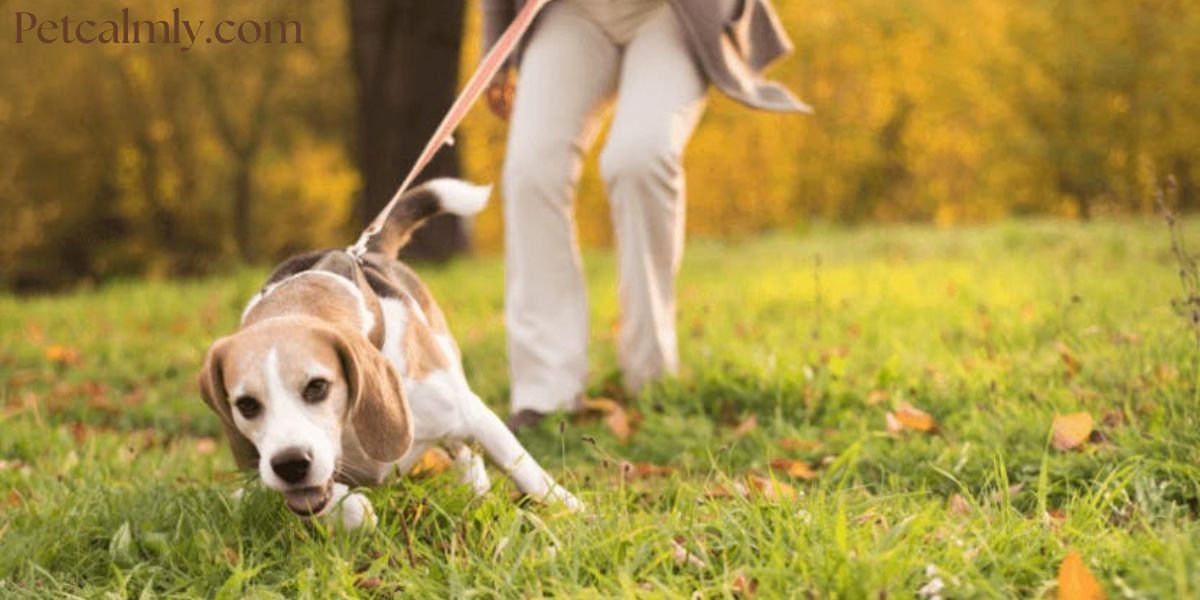
Post-poop zoomies on a leash can be problematic—your dog might suddenly lunge or jerk, potentially hurting themselves or pulling you off balance.
- Hold the leash firmly but don’t yank it. Let your dog move in small circles if they need to, but keep them safe.
- Move to an open area if possible so they’re not zigzagging around your legs.
- Use a longer leash (4–6 feet instead of a standard 4-footer) if your dog reliably stays nearby, giving them more room to move.
- Try a brief redirect. Some dogs respond well to a quick “sit” or “heel” command, which channels their energy into obedience rather than chaos.
For Dogs Prone to Injury
If your dog has mobility issues, joint problems, or is recovering from surgery, post-poop zoomies can be risky. Talk to your vet about:
- Creating a controlled space for elimination (small, enclosed area)
- Using a leash to limit explosive movement
- Redirecting to calmer activity immediately after
- Whether any medications or supplements might help with overexcitement
Managing Overstimulation
In rare cases, some dogs get too wound up. If your dog’s post-poop zoomies are so intense they’re injuring themselves, not calming down, or escalating into aggression or anxiety, that’s worth discussing with your vet or a certified professional dog trainer.
4 Common Mistakes Pet Owners Make
1. Getting Hyper Themselves
Dogs feed off your energy. If you laugh, squeal, or get excited when your dog does post-poop zoomies, you’re inadvertently rewarding and intensifying the behavior.
Better approach: Keep your response calm and neutral. This isn’t punishment—just maintaining a settled emotional state helps your dog regulate faster.
2. Punishing the Behavior
Some owners interpret zoomies as disobedience and try to correct their dog during or right after. This is counterproductive for several reasons:
- The behavior is involuntary and neurological, not a choice
- Punishment doesn’t address the underlying release of energy—it just creates anxiety
- Your dog can’t consciously control this response in the moment
Better approach: Redirect gently if needed, but accept that the behavior is normal and will pass on its own.
3. Assuming It Means Your Dog Needs More Exercise
Post-poop zoomies don’t necessarily mean your dog is under-exercised. It’s a specific neurological response, not a sign of pent-up energy. That said, a generally under-exercised dog might have more intense zoomies, so evaluating your dog’s overall activity level separately is still worth it.
4. Overlooking Digestive Issues
If your dog suddenly starts doing intense post-poop zoomies when they didn’t before, or if the zoomies are accompanied by other behavioral changes, it’s worth a quick vet check. Sometimes changes in this behavior can correlate with dietary changes or digestive adjustments.
When Should You Contact Your Vet?
Post-poop zoomies alone are never a reason to call the vet. But contact your veterinarian if you notice:
- Changes in defecation patterns (frequency, consistency, difficulty)
- Signs of discomfort during elimination
- Anal gland issues (scooting, odor, licking)
- Behavioral changes around pooping (anxiety, reluctance)
- Zoomies that are so intense your dog is injuring themselves or unable to calm down
- Recent changes in diet that coincide with a sudden increase in post-poop energy
These could indicate anything from dietary sensitivity to parasites to anal gland problems all things your vet can address.
How to Support Healthy Digestion and Regular Pooping Patterns
While post-poop zoomies aren’t a problem to “fix,” supporting your dog’s overall digestive health can help regulate their bathroom patterns and keep them comfortable.
Consistent Feeding Schedule
Dogs thrive on routine. Feed at the same times each day, and your dog’s digestive system will adapt. This typically leads to more predictable bowel movements and more efficient digestion overall.
High-Quality Diet
Digestive health starts with good nutrition. Dogs need:
- Adequate fiber (from whole grains, vegetables, or specialized fiber sources)
- Balanced protein (to support muscular function and tissue repair)
- Healthy fats (for nutrient absorption and inflammation management)
- Minimal artificial additives (which can irritate sensitive digestive systems)
A dog food that works well for your individual dog should result in firm, regular stools—not too frequent, not too infrequent.
Fresh Water Access
Hydration supports digestive motility. Make sure your dog has access to fresh water throughout the day, particularly around mealtimes.
Regular Exercise (Separately from Post-Poop Activity)
A well-exercised dog tends to have more regular, efficient digestion. Aim for at least one 20–30 minute walk daily, plus playtime, depending on your dog’s age and energy level. This isn’t about preventing zoomies it’s about overall health.
Avoid Sudden Dietary Changes
Switching foods too quickly can disrupt digestion and cause loose stools or constipation. If you’re changing your dog’s diet, do it gradually over 7–10 days, mixing increasing amounts of the new food with the old.
Frequently Asked Questions
1: Do all dogs get the zoomies after pooping?
No, not all dogs do—and that’s completely normal too. Puppies and young dogs are much more likely to have post-poop zoomies than senior dogs. Some adult dogs might do a little trot or stretch instead of full-on zoomies. Individual temperament, energy level, and nervous system sensitivity all play a role. If your dog doesn’t do post-poop zoomies, there’s nothing wrong with them.
2: Is there a way to predict when my dog will get the zoomies?
Often, yes. If your dog is prone to them, they usually happen within seconds to a couple of minutes of finishing defecation. Learning your dog’s pattern can help you be prepared—especially if you’re worried about safety on-leash. Some dogs are consistent every single time; others do it randomly.
3: Can I train my dog not to get the zoomies after pooping?
Not really—and you wouldn’t want to. The zoomies are an automatic neurological response, not a behavioral choice. It’s like asking someone not to blink. That said, you can redirect your dog’s energy if needed or manage the situation (open space, loose leash) so it’s safe. But trying to suppress the behavior entirely creates unnecessary frustration for both of you.
4: Are post-poop zoomies a sign my dog is sick?
No. Healthy zoomies are a normal sign of a responsive nervous system. However, if your dog’s entire pooping experience has changed—if they seem painful, straining excessively, or avoiding going outside then something might be off. The zoomies themselves aren’t the concern; changes in the overall pattern are worth investigating.
5: Why do puppies seem to get worse zoomies than adult dogs?
Puppies have underdeveloped nervous systems and higher baseline energy levels. They’re also more reactive to stimuli and haven’t yet learned to modulate their responses. As dogs mature (usually by 2–3 years), their nervous systems settle, and they have better control. Zoomies in puppies are peak chaos because everything triggers them, including the simple act of pooping.
6: Should I be concerned if my dog’s zoomies are happening less frequently as they age?
Not at all. This is a normal part of aging. Older dogs have calmer nervous systems, less overall energy, and sometimes joint issues that make wild running uncomfortable. A senior dog doing a little victory lap after pooping is healthy; expecting them to have the same intensity as a young dog would be unrealistic.
More Information About Pets, Please Visit Our Website: Does My Dog Know I Love Him?
How to Stop Dog Separation Anxiety Barking
How Do I Stop Dog Peeing in House?
Why do Dogs Stretch When They See You
How to Teach a Dog Recall
How to Train a Stubborn Dog
How to Stop Puppy Biting
Conclusion
Post-poop zoomies are one of dog ownership’s genuine delights hilarious, harmless, and a sign that your dog’s body is functioning normally. The sudden burst of energy and activity after defecation is driven by a combination of nerve stimulation, physical relief, and behavioral excitement.
In the vast majority of cases, this behavior requires zero intervention. Let your dog run it out in a safe space, stay calm yourself, and enjoy the moment. It’s actually pretty cool that you get to witness your dog’s body doing exactly what it’s designed to do.
The only time you need to worry is if the pooping experience itself has changed if there are signs of discomfort, changes in frequency, or other digestive issues. But the zoomies? Those are just your dog being a dog.