Short direct answer
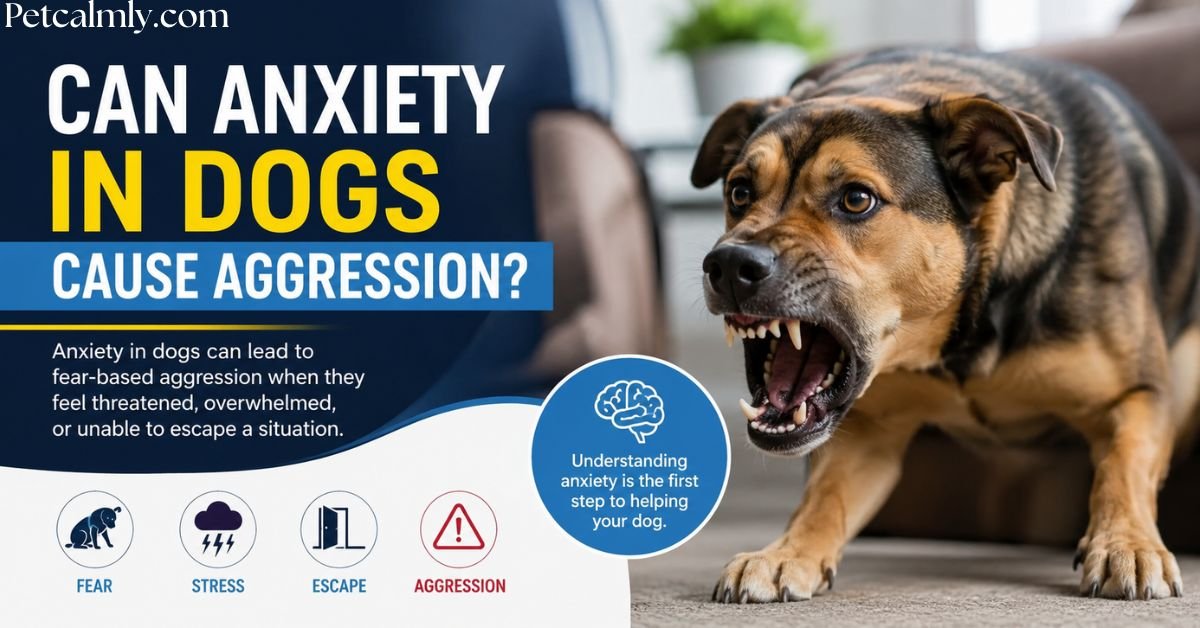
Yes, anxiety in dogs can absolutely cause aggression. A fearful, stressed, or anxious dog may react aggressively when they feel unsafe, overwhelmed, trapped, or unable to escape a situation. This aggression is often defensive rather than “mean” behavior. Common triggers include loud noises, separation anxiety, unfamiliar people, pain, overstimulation, or past traumatic experiences. Understanding the connection between anxiety and aggression helps pet owners respond safely, reduce stress, and support their dog with proper training, routine changes, and veterinary guidance when needed.
Why This Topic Matters to Dog Owners
Many dog owners feel shocked the first time their normally sweet dog growls, snaps, or bites. It can feel confusing and even heartbreaking. In many homes, the aggressive behavior seems to appear “out of nowhere,” but anxiety is often hiding underneath the surface.
A dog that feels nervous all the time may eventually react in ways that look aggressive. Some dogs bark intensely when visitors arrive. Others lunge during walks, guard spaces, or snap when touched unexpectedly. These reactions are often signs that the dog is emotionally overwhelmed rather than intentionally dangerous.
The good news is that anxious aggression can often improve with patience, proper management, training, and professional support. Learning to recognize the warning signs early can protect both your dog and the people around them.
In this guide, you’ll learn:
- How anxiety triggers aggression in dogs
- Common warning signs to watch for
- What anxious aggression actually looks like
- Mistakes owners accidentally make
- Safe ways to help your dog feel calmer
- When it’s time to contact a veterinarian or behavior professional
How Anxiety Leads to Aggression in Dogs
Anxiety changes how a dog processes the world around them. When a dog constantly feels stressed or threatened, their body stays in a heightened state of alertness.
Over time, this stress response can lead to defensive behaviors like:
- Growling
- Snapping
- Lunging
- Barking aggressively
- Resource guarding
- Biting
In many cases, aggression is the dog’s attempt to create distance from something they fear.
For example:
- A fearful dog may bark aggressively at strangers to keep them away.
- A dog with separation anxiety may panic and become reactive when restrained.
- A stressed dog may snap when touched during a tense moment.
This is sometimes called fear-based aggression or anxiety-driven aggression.
Important Thing to Understand
An anxious dog is not necessarily a “bad dog.”
Many aggressive reactions are rooted in:
- Fear
- Confusion
- Chronic stress
- Lack of confidence
- Previous negative experiences
That distinction matters because punishment often makes anxiety worse.
Common Types of Anxiety-Related Aggression
Different forms of anxiety can trigger different aggressive behaviors.
Fear Aggression
This is one of the most common forms.
The dog feels cornered, frightened, or unsafe and reacts aggressively to protect themselves.
Common triggers:
- Strangers
- Loud noises
- Sudden movements
- Children running
- Veterinary visits
- Unfamiliar dogs
Typical signs:
- Tail tucked
- Ears back
- Whale eye (showing white of eyes)
- Growling while backing away
- Snapping if approached further
Separation Anxiety and Aggressive Reactions
Dogs with severe separation anxiety may become distressed before their owner even leaves.
Some dogs:
- Bark aggressively at doors or windows
- Panic when confined
- Redirect frustration toward people or pets
This usually comes from emotional panic, not dominance.
Resource Guarding Linked to Stress
An anxious dog may become overly protective of:
- Food
- Toys
- Beds
- Owners
- Spaces
Stress can intensify guarding behaviors because the dog feels insecure.
For example, a nervous rescue dog may growl when someone approaches their food bowl because they fear losing access to important resources.
Redirected Aggression
Sometimes anxious dogs become overstimulated and redirect frustration onto the nearest target.
Example:
A dog barking at another dog through the window may suddenly snap at a nearby person who touches them.
This surprises many owners because the aggression appears unrelated, but the dog was already emotionally overloaded.
Signs Your Dog’s Aggression May Be Anxiety-Related
Aggression connected to anxiety usually includes stress signals before the reaction happens.
Early Warning Signs
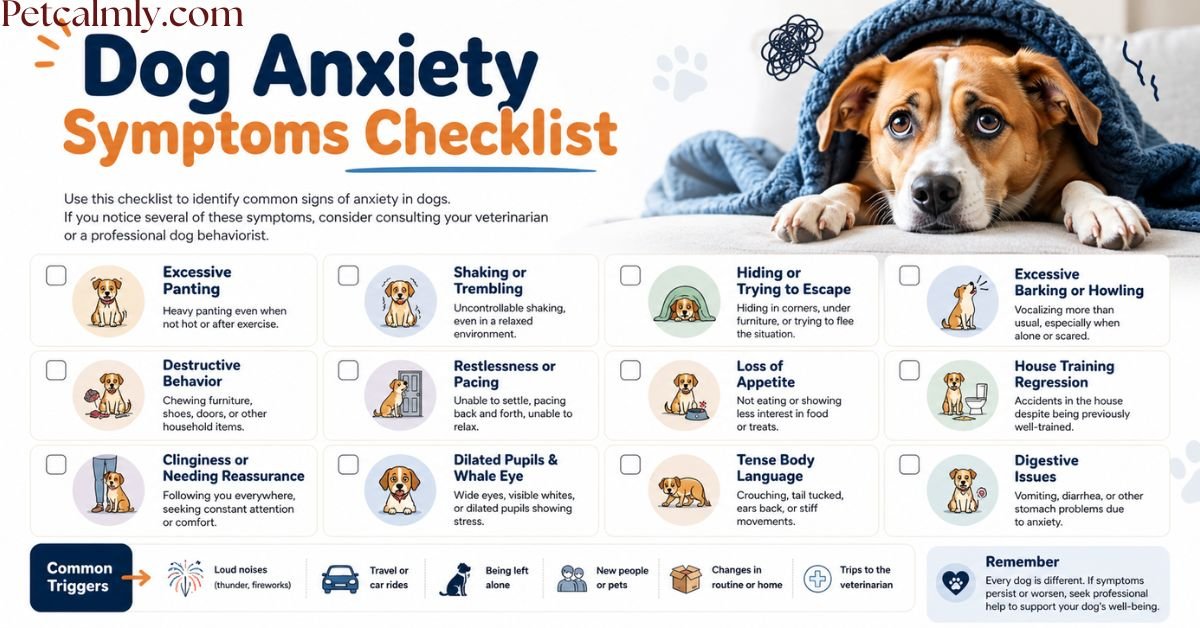
Watch for:
- Lip licking
- Yawning when not tired
- Pacing
- Trembling
- Panting indoors
- Avoiding eye contact
- Tail tucked
- Ears pinned back
- Excessive barking
- Hypervigilance
- Sudden freezing
Many owners miss these subtle signs until the dog escalates to growling or snapping.
Body Language Comparison Table
| Anxiety Signals | Aggressive Escalation Signs |
|---|---|
| Lip licking | Growling |
| Yawning repeatedly | Snapping |
| Pacing | Lunging |
| Trembling | Biting |
| Avoiding interaction | Air snapping |
| Tail tucked | Hard staring |
| Hiding | Showing teeth |
Dogs rarely jump directly to biting without earlier communication.
Common Situations That Trigger Anxiety Aggression
Visitors Entering the Home
Many anxious dogs feel trapped or overstimulated when strangers enter their space.
They may:
- Bark uncontrollably
- Charge the door
- Growl at guests
- Nip ankles
This often comes from fear and uncertainty.
Vet Visits
Veterinary clinics are overwhelming for many dogs.
Strong smells, unfamiliar handling, pain, and restraint can trigger defensive aggression even in otherwise friendly pets.
Grooming Sessions
Some dogs become anxious during:
- Nail trims
- Brushing
- Ear cleaning
- Bathing
A stressed dog may growl or snap because they feel vulnerable.
Walks Around Other Dogs
Leash reactivity is commonly connected to anxiety.
A dog that cannot create distance may:
- Bark
- Lunge
- Snarl
Many reactive dogs are actually fearful, not dominant.
Can Puppies Show Anxiety Aggression?
Yes. Puppies can develop anxiety-based aggression early in life.
Common causes include:
- Poor socialization
- Traumatic experiences
- Harsh punishment
- Genetics
- Fearful temperament
A puppy that constantly hides, startles easily, or growls when approached may already be struggling emotionally.
Early intervention matters because behaviors often become stronger with age.
Dog Breeds and Anxiety Sensitivity
Any dog can develop anxiety-related aggression, but some breeds are naturally more sensitive, alert, or reactive.
Examples often include:
- Border Collies
- German Shepherds
- Australian Shepherds
- Chihuahua mixes
- Cocker Spaniels
- Herding breeds
This does not mean these dogs are aggressive by nature. Many are simply highly sensitive to stress and environmental changes.
Personality, upbringing, training, and environment matter far more than breed alone.
4 Common Mistakes Owners Make
1: Punishing Growling
One of the biggest mistakes is punishing a dog for growling.
Growling is communication.
If owners suppress the warning signal without addressing the anxiety, the dog may skip growling and bite sooner next time.
2: Forcing Interactions
Many owners unintentionally overwhelm anxious dogs by:
- Forcing greetings
- Cornering them
- Allowing strangers to pet them
- Ignoring stress signals
This increases fear.
3: Using Harsh Training Methods
Yelling, leash corrections, intimidation, or physical punishment often worsen anxious aggression.
Fear-based behavior usually responds better to:
- Positive reinforcement
- Predictable routines
- Calm handling
- Confidence-building exercises
4: Ignoring Medical Causes
Pain and illness can increase anxiety and irritability.
Conditions that sometimes contribute include:
- Arthritis
- Ear infections
- Dental pain
- Neurological problems
- Hormonal disorders
A sudden behavior change should always be taken seriously.
What Should Pet Owners Do?
If your dog shows anxiety-related aggression, focus on safety, calm management, and reducing emotional stress.
Step 1: Identify Triggers
Start observing:
- What happens before the aggression?
- Who is involved?
- Where does it occur?
- How intense is the reaction?
Patterns often appear quickly.
Step 2: Reduce Stressful Situations
Avoid overwhelming your dog while working on behavior improvement.
Examples:
- Give space from strangers
- Use baby gates
- Walk during quieter hours
- Create a calm resting area
Management prevents repeated emotional overload.
Step 3: Reward Calm Behavior
Positive reinforcement is powerful.
Reward:
- Relaxed body language
- Quiet behavior
- Calm responses around triggers
Small improvements matter.
Step 4: Build Predictable Routines
Anxious dogs often feel safer with consistency.
Helpful routines include:
- Regular feeding times
- Structured walks
- Predictable bedtime
- Daily mental enrichment
Dogs thrive when life feels predictable.
Step 5: Provide Mental and Physical Exercise
Understimulated dogs may become more anxious and reactive.
Good outlets include:
- Sniff walks
- Food puzzles
- Training games
- Tug with rules
- Nose work activities
Mental enrichment can reduce stress significantly.
Helpful Daily Routine for Anxious Dogs
| Time | Activity |
|---|---|
| Morning | Calm walk with sniffing time |
| Midday | Puzzle feeder or chew |
| Afternoon | Short positive training session |
| Evening | Quiet play and decompression |
| Night | Calm sleep environment |
Routine helps anxious dogs feel more secure.
Safe Training Techniques That Often Help
Desensitization
This means exposing the dog to a trigger slowly at a safe intensity.
Example:
A reactive dog may first observe strangers from far away while remaining calm.
Counterconditioning
This changes emotional associations.
Example:
Every time the trigger appears, the dog receives something positive like treats.
Over time, fear may decrease.
Focus Exercises
Teaching cues like:
- “Look at me”
- “Touch”
- “Place”
can redirect nervous energy and improve confidence.
Products That May Help Anxious Dogs
Some dogs benefit from supportive calming tools.
Possible options include:
- Calming beds
- White noise machines
- Anxiety wraps
- Slow feeders
- Enrichment toys
- Pheromone diffusers
However, products alone rarely solve severe aggression issues.
When Should You Be Concerned?
Some behaviors require prompt professional attention.
Red Flags Include:
- Biting that breaks skin
- Aggression toward children
- Unpredictable attacks
- Sudden personality changes
- Guarding multiple resources
- Intense lunging on walks
- Aggression paired with pain signs
- Escalating reactions over time
If you feel unsafe around your dog, seek professional help immediately.
When to Contact a Veterinarian
A veterinarian should evaluate:
- Sudden aggression
- Severe anxiety
- Signs of pain
- Major behavioral changes
Medical issues can contribute to emotional instability.
Some dogs may also benefit from anxiety medication prescribed by a veterinarian. Medication is not a “shortcut.” In certain cases, lowering the dog’s anxiety level makes behavior training more effective and humane.
Should You Work With a Dog Trainer or Behaviorist?
Yes, especially if aggression is escalating.
Look for professionals who use:
- Positive reinforcement
- Fear-free methods
- Evidence-based behavior techniques
A qualified behavior professional can:
- Identify triggers
- Create a training plan
- Improve safety
- Reduce stress for both dog and owner
Avoid trainers who rely heavily on intimidation or punishment for fearful dogs.
Real-Life Example of Anxiety Aggression
A rescue dog named Max barked aggressively whenever guests entered the home. Visitors assumed he was dominant or territorial.
But his body language told a different story:
- Tail tucked
- Trembling
- Avoiding direct contact
- Retreating after barking
His owners began:
- Giving him distance from guests
- Rewarding calm behavior
- Using gradual exposure training
- Creating a quiet safe zone
Over several months, Max became calmer and stopped lunging at visitors.
This kind of progress is common when the underlying anxiety is addressed instead of only punishing the aggression.
Can Anxiety Aggression Be Prevented?
Not every case is preventable, but risk can often be reduced.
Prevention Tips
Socialize Puppies Carefully
Expose puppies to:
- Sounds
- People
- Environments
- Gentle handling
Positive early experiences matter.
Avoid Harsh Punishment
Fear-based methods may increase anxiety.
Respect Your Dog’s Comfort Level
Not every dog enjoys crowded environments or constant interaction.
Learn Canine Body Language
Recognizing stress early prevents escalation.
Support Emotional Health
Adequate sleep, enrichment, exercise, and routine all contribute to emotional stability.
Myths About Anxiety and Aggression in Dogs
Myth: Aggressive Dogs Are Always Dominant
Many aggressive dogs are actually fearful or insecure.
Myth: Growling Is Bad Behavior
Growling is communication and should not automatically be punished.
Myth: Anxious Dogs Just Need More Discipline
Punishment alone rarely fixes anxiety-driven aggression and may worsen fear.
Myth: Small Dogs Cannot Be Dangerous
Any dog can bite when severely stressed.
Frequently Asked Questions
1: Can fear make a dog aggressive?
Yes. Fear is one of the most common causes of aggression in dogs. A frightened dog may growl, bark, or bite to create distance from what scares them.
2: Do anxious dogs bite their owners?
Some anxious dogs may bite if they feel trapped, startled, or overwhelmed. Many bites happen after stress signals are missed or ignored.
3: Is aggression from anxiety treatable?
In many cases, yes. Training, stress reduction, management, and veterinary support can significantly improve anxiety-related aggression.
4: What is the difference between aggression and reactivity?
Reactivity usually involves overreactions like barking or lunging, while aggression involves intent to threaten or harm. The two can overlap.
5: Should I punish my dog for growling?
Punishing growling is generally not recommended. Growling is an important warning signal that tells you the dog is uncomfortable or stressed.
6: Can medication help anxious aggressive dogs?
Some dogs benefit from anti-anxiety medication prescribed by a veterinarian, especially when fear or panic is severe.
More Information About Pets, Please Visit Our Website: My Female Dog Is Hiding and Acting Strange
Conclusion
Yes, anxiety in dogs can cause aggression, and the connection is more common than many owners realize. Dogs often use aggressive behaviors as a way to protect themselves when they feel scared, stressed, trapped, or emotionally overwhelmed.
The most important step is learning to see the behavior as communication rather than stubbornness or spite. A dog that growls, lunges, or snaps may actually be struggling with fear underneath the surface.
With patience, safe management, consistent routines, positive training methods, and professional help when needed, many anxious dogs can become calmer and more confident over time.
Progress may happen gradually, but small improvements can make a huge difference in both your dog’s quality of life and your relationship together.