Short direct answer
If you’re wondering why is my cat not eating but acting normal, the most common reasons include stress, a recent change in routine, picky eating habits, mild digestive upset, dental discomfort, or food that has lost its appeal. Some cats continue to play, groom, and behave normally even when they’re eating less. However, if your cat refuses food for more than 24 hours (or even sooner for kittens, senior cats, or cats with existing health conditions), it’s important to contact your veterinarian. Cats can develop serious complications if they go too long without eating.
Introduction
Watching your cat sniff their food, walk away, and then jump onto the couch as if nothing is wrong can be confusing. They’re still greeting you at the door, chasing toys, or asking for attention so why won’t they eat?
The good news is that a cat acting normal while eating less doesn’t always mean there’s a medical emergency. Cats are creatures of habit, and even small changes in their environment or routine can affect their appetite.
At the same time, cats are remarkably good at hiding illness. A cat may seem perfectly fine until a health problem becomes more advanced. That’s why it’s important to pay attention not only to whether your cat is eating, but also how long they’ve refused food and whether any other subtle changes are developing.
In this guide, you’ll learn:
- The most common reasons cats stop eating but still act normal
- How to tell the difference between a temporary appetite loss and a serious problem
- What you can safely do at home
- When it’s time to call your veterinarian
By the end, you’ll have a much clearer idea of what your cat may be trying to tell you.
Why Is My Cat Not Eating But Acting Normal?
A cat can lose interest in food for several reasons while still behaving almost exactly like usual. Appetite and energy don’t always change at the same pace.
Many cats continue to:
- Play normally
- Jump onto furniture
- Use the litter box
- Groom themselves
- Purr and seek affection
- Explore the house
Yet they may quietly skip meals for a day or eat much less than usual.
This happens because appetite is influenced by many factors besides illness, including stress, smell, taste, routine, temperature, and emotional comfort.
The key question isn’t only “Is my cat acting normal?”
It’s also:
- How long has your cat gone without eating?
- Is your cat drinking water?
- Have they completely stopped eating or just reduced their food intake?
- Have you noticed any small changes in behavior that are easy to overlook?
Answering these questions helps determine whether the situation is likely temporary or needs prompt veterinary attention.
6 Common Reasons Your Cat Isn’t Eating but Seems Fine
1: Stress or Changes at Home
Cats often respond to stress by eating less.
Unlike dogs, many cats don’t show obvious signs of anxiety. Instead, appetite may be the first thing to change.
Common triggers include:
- Moving to a new home
- Rearranging furniture
- Visitors staying overnight
- Loud construction nearby
- A new baby
- Another pet joining the family
- Boarding or travel
- Changes in your work schedule
For some cats, even something as simple as moving the food bowl to another room can temporarily reduce their appetite.
What you can do
- Keep feeding times consistent.
- Offer meals in a quiet location.
- Avoid forcing your cat to eat.
- Maintain familiar routines whenever possible.
Many mildly stressed cats regain their appetite within a day once they feel secure again.
2: Your Cat Is Being Selective
Cats can become surprisingly particular about food.
Sometimes the issue isn’t hunger it’s preference.
Your cat may dislike:
- A new recipe
- A different protein source
- Food with a changed texture
- A new manufacturer formula
- Food that’s slightly stale
Cats rely heavily on their sense of smell. If food doesn’t smell appealing, they may simply refuse it.
This is especially common if you’ve recently switched brands without gradually mixing the old and new foods.
Helpful tip
If changing foods, introduce the new diet slowly over 7 to 10 days by mixing increasing amounts with the previous food.
3: The Food Has Lost Its Freshness
Cats have much stronger senses of smell than people.
Food that seems perfectly fine to you may smell stale to your cat.
Dry food can lose aroma after sitting open for weeks, while wet food becomes less appealing after spending too long in the bowl.
Try asking yourself:
- Has the food bag been open for a long time?
- Is the expiration date approaching?
- Has canned food been left out for over an hour?
- Was refrigerated food warmed slightly before serving?
Simply offering a fresh meal sometimes solves the problem.
4: Mild Digestive Upset
A temporary stomach upset may reduce appetite while your cat otherwise behaves normally.
Possible causes include:
- Eating grass
- Hairballs
- Minor digestive irritation
- Eating too quickly
- Trying unfamiliar treats
In these situations, cats often:
- Drink water
- Rest comfortably
- Continue normal activities
- Begin eating again within a day
However, repeated vomiting, diarrhea, or prolonged refusal to eat should never be ignored.
5: Your Cat Ate Somewhere Else
Outdoor cats or indoor cats with access to multiple caregivers may already be full.
This happens more often than many owners realize.
Your cat could have eaten:
- At a neighbor’s house
- During outdoor roaming
- Extra treats from another family member
- Leftover human food
- Food from another pet’s bowl
If appetite suddenly changes but body weight remains stable, consider whether your cat may be getting meals elsewhere.
6: Hot Weather Can Reduce Appetite
Cats naturally eat less during warmer months.
Higher temperatures can lower calorie needs, especially in less active indoor cats.
You might notice your cat:
- Eating smaller meals
- Sleeping more during the afternoon
- Becoming more active after sunset
- Drinking extra water
As long as your cat continues eating something, stays hydrated, and behaves normally, mild seasonal appetite changes are usually not concerning.
Medical Reasons a Cat May Stop Eating While Still Acting Normal
Some health problems begin subtly. Cats often hide discomfort extremely well, making appetite loss one of the earliest clues.
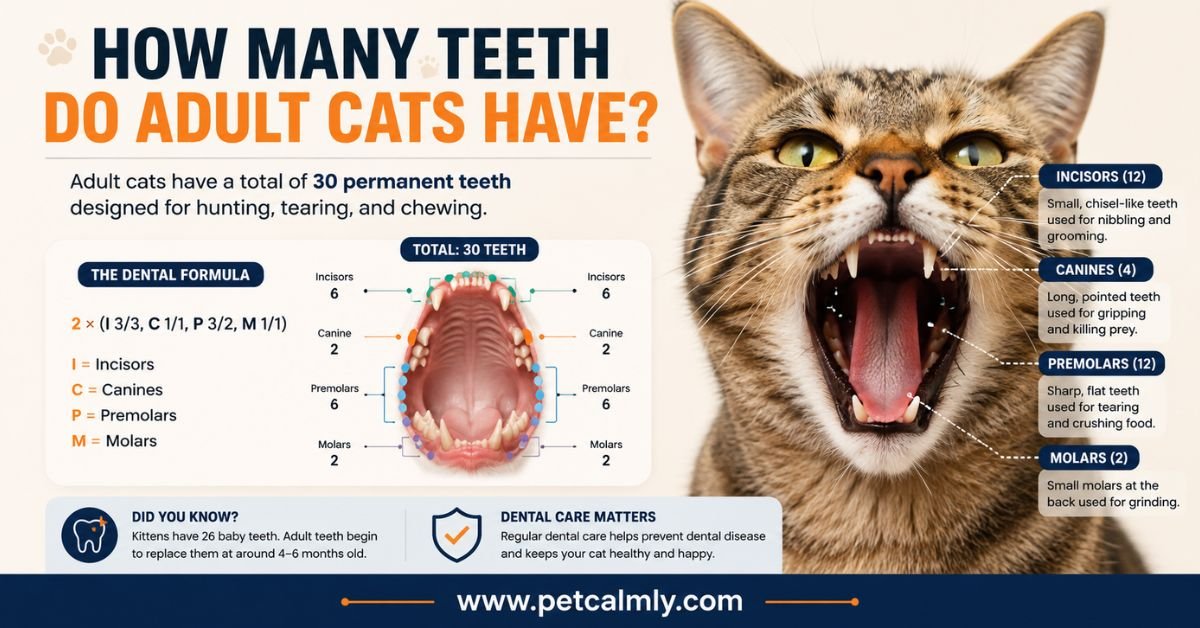
Dental Problems
Dental pain is one of the most overlooked causes of appetite loss.
Your cat may approach the bowl enthusiastically but hesitate once chewing becomes uncomfortable.
Look for:
- Dropping food
- Chewing on one side
- Bad breath
- Pawing at the mouth
- Preferring soft food
Many cats continue acting completely normal despite significant dental disease.
Early Digestive Illness
Small digestive issues don’t always affect a cat’s energy immediately.
Examples include:
- Mild stomach inflammation
- Constipation
- Early intestinal irritation
- Food intolerance
The appetite often changes before other symptoms become obvious.
Mild Upper Respiratory Infection
Cats rely heavily on smell to recognize food.
A slightly stuffy nose may reduce appetite without making your cat appear seriously sick.
You might notice:
- Mild sneezing
- Slight watery eyes
- Quiet sniffles
- Less interest in food than usual
Warming wet food slightly can sometimes make the aroma stronger and encourage eating.
Pain That’s Easy to Miss
Cats instinctively hide pain.
A cat with mild arthritis, a small injury, or internal discomfort may still:
- Jump normally
- Purr
- Sleep peacefully
- Greet family members
Yet they may quietly eat less because discomfort reduces their appetite.
Early Kidney or Liver Disease
Some chronic illnesses begin gradually.
Loss of appetite may appear before:
- Weight loss
- Vomiting
- Increased thirst
- Reduced activity
This is one reason veterinarians recommend an examination whenever appetite changes persist for more than a day or two, especially in older cats.
How Long Can a Cat Go Without Eating?
The answer depends on your cat’s age, health, and body condition.
| Situation | Recommended Action |
|---|---|
| Missed one meal but acting normal | Monitor closely and offer fresh food. |
| Eating much less for 24 hours | Contact your veterinarian for advice. |
| Completely refuses food for over 24 hours | Schedule a veterinary examination promptly. |
| Kitten refuses food | Seek veterinary care the same day. |
| Senior cat or cat with diabetes, kidney disease, or other medical conditions | Contact your veterinarian immediately if appetite suddenly drops. |
One important reason not to wait too long is that cats can develop hepatic lipidosis (fatty liver disease) after prolonged periods without adequate food, particularly if they are overweight. This condition can become life-threatening and requires prompt veterinary treatment.
Quick Comparison: Harmless vs. Concerning Appetite Loss
| Usually Less Concerning | Needs Veterinary Attention |
| Missed one meal | No food for more than 24 hours |
| Recent household changes | Repeated vomiting |
| Recently switched food | Diarrhea with appetite loss |
| Still drinking water | Difficulty swallowing |
| Active and playful | Extreme lethargy |
| Appetite returns within a day | Rapid weight loss |
| Eating smaller portions | Yellow gums or eyes, labored breathing, or signs of severe pain |
Remember, no online guide can diagnose your cat. If something feels unusual or your instincts tell you your pet isn’t quite themselves even if the changes are subtle it’s always reasonable to seek veterinary advice early. Prompt attention often leads to simpler treatment and better outcomes.
Signs You Should Never Ignore if Your Cat Isn’t Eating
A healthy adult cat may occasionally skip a meal without it being a serious problem. However, appetite loss combined with certain symptoms can signal an underlying illness that needs prompt veterinary care.
Contact your veterinarian as soon as possible if your cat refuses food and also shows any of the following signs:
- Vomiting more than once
- Frequent diarrhea
- Difficulty breathing
- Drooling or pawing at the mouth
- Difficulty swallowing
- Sudden weight loss
- Extreme tiredness or hiding
- Fever or warm ears and paws
- Pale or yellow gums
- Bloated or painful abdomen
- Drinking much more or much less than usual
- Straining to urinate or not urinating
These symptoms suggest that something more than simple picky eating or temporary stress may be affecting your cat.
Important: Kittens, senior cats, pregnant cats, and cats with diabetes, kidney disease, or liver disease should be examined much sooner if they stop eating.
What Should You Do if Your Cat Is Not Eating but Acting Normal?
If your cat seems comfortable, alert, and continues drinking water, you can usually monitor them closely for a short period while encouraging them to eat.
Here’s a safe step-by-step approach.
Step 1: Check for Simple Causes
Before assuming your cat is sick, look for recent changes.
Ask yourself:
- Did I switch food recently?
- Has anything changed in the house?
- Has my cat been outside?
- Has another family member given treats?
- Is the food fresh?
- Has feeding time changed?
Sometimes the answer is surprisingly simple.
Step 2: Encourage Eating
You don’t want to force-feed your cat unless specifically instructed by your veterinarian.
Instead, try making meals more appealing.
Helpful ideas include:
- Offer fresh wet food.
- Warm wet food for a few seconds to enhance the smell.
- Feed in a quiet, low-stress location.
- Wash food bowls thoroughly.
- Try a different bowl if your cat dislikes deep dishes.
- Remove uneaten food after about 20–30 minutes.
Avoid offering large amounts of human food just to tempt your cat. Rich or seasoned foods may upset their stomach further.
Step 3: Monitor Water Intake
Hydration is just as important as food.
Watch for signs your cat is still drinking normally.
You can encourage water intake by:
- Refilling bowls with fresh water daily.
- Placing multiple water bowls around the home.
- Trying a pet water fountain if your cat prefers running water.
- Feeding moisture-rich canned food if they will eat it.
Dehydration can develop quickly, especially during warm weather.
Step 4: Watch the Litter Box
The litter box often provides valuable clues.
Monitor whether your cat is:
- Urinating normally
- Passing stool regularly
- Straining
- Producing diarrhea
- Showing signs of constipation
Changes in bathroom habits often accompany medical conditions affecting appetite.
Step 5: Keep a Simple Record
If your cat doesn’t improve quickly, a written record can help your veterinarian.
Track:
| What to Monitor | Why It Matters |
|---|---|
| Time of last meal | Helps determine how long appetite has been reduced. |
| Amount eaten | Shows whether appetite is improving or worsening. |
| Water intake | Identifies possible dehydration. |
| Vomiting or diarrhea | Helps narrow possible causes. |
| Energy level | Indicates whether illness may be progressing. |
| Bathroom habits | Provides clues about digestive and urinary health. |
Common Mistakes Cat Owners Should Avoid
When a cat stops eating, it’s natural to worry. However, a few common mistakes can make the situation worse.
Waiting Too Long
Cats are different from many other pets.
Going without enough food for an extended period can lead to serious health complications, especially in overweight cats.
If your cat has completely stopped eating for over 24 hours, it’s safest to contact your veterinarian.
Constantly Changing Foods
Switching foods several times in one day may confuse your cat even more.
Instead:
- Offer one or two suitable options.
- Give your cat time to investigate.
- Avoid repeatedly replacing the bowl every few minutes.
Consistency often works better than constant changes.
Giving Unsafe Human Foods
Many foods that seem harmless to people are unsafe for cats.
Avoid offering:
- Onions
- Garlic
- Chocolate
- Grapes
- Raisins
- Alcohol
- Caffeinated drinks
- Foods containing xylitol
- Highly seasoned leftovers
These foods can cause serious illness.
Ignoring Dental Problems
Many owners assume their cat is simply being picky.
In reality, dental pain may make chewing uncomfortable.
If your cat repeatedly approaches food but walks away, or only licks gravy without chewing, a dental examination is worthwhile.
How to Help Prevent Appetite Loss in Cats
While not every illness can be prevented, healthy routines reduce the likelihood of appetite problems.
Feed a Consistent Diet
Cats thrive on routine.
Try to:
- Feed meals at the same times each day.
- Avoid unnecessary food changes.
- Store dry food in an airtight container.
- Use fresh canned food.
Reduce Household Stress
Cats appreciate predictable environments.
Helpful habits include:
- Providing hiding spots.
- Keeping litter boxes clean.
- Introducing new pets gradually.
- Maintaining daily routines.
- Giving each cat its own feeding space in multi-cat homes.
Schedule Regular Veterinary Checkups
Routine examinations can detect health problems before obvious symptoms appear.
Senior cats especially benefit from regular wellness visits and bloodwork because chronic diseases often develop gradually.
Monitor Weight Regularly
A gradual decrease in weight may be easier to notice on a monthly basis than day to day.
Consider weighing your cat every month using the same scale whenever possible.
Unexpected weight loss deserves veterinary attention, even if your cat still seems happy.
A Real-Life Example
Imagine your normally food-loving indoor cat suddenly ignores breakfast.
They still greet you at the door, chase their favorite feather toy, and curl up beside you on the couch.
At first glance, everything seems fine.
You remember, however, that two days ago you rearranged the living room and introduced a new automatic vacuum. Your cat has also been spending more time hiding during the afternoon.
You move their food bowl to a quieter room, warm a small portion of wet food, and give them space. By evening, they begin eating again.
In another situation, a cat may continue acting friendly but refuses every meal for more than a day and starts drooling slightly. A veterinary examination reveals a painful tooth infection.
Both cats appeared “normal” at first but the underlying reasons were very different. This is why observing the whole picture, rather than focusing on one symptom, is so important.
When Should You Call a Veterinarian?
Although mild appetite loss can sometimes resolve on its own, certain situations should never be ignored.
Arrange a veterinary visit if:
- Your cat refuses all food for more than 24 hours.
- A kitten skips multiple meals.
- Your senior cat suddenly loses interest in food.
- Your cat has repeated vomiting or diarrhea.
- There is blood in vomit or stool.
- Your cat struggles to breathe.
- Your cat appears painful.
- Your cat rapidly loses weight.
- Appetite repeatedly comes and goes.
- You simply feel something isn’t right.
Trust your observations. You know your cat better than anyone else, and subtle changes can be meaningful.
Frequently Asked Questions
1: Why is my cat not eating but still drinking water?
This can happen due to stress, food preferences, mild digestive upset, dental discomfort, or the early stages of illness. If your cat continues refusing food for more than 24 hours, it’s best to contact your veterinarian.
2: Can a cat act normal even when sick?
Yes. Cats are well known for hiding pain and illness. Appetite changes are often one of the first noticeable signs that something may be wrong.
3: Should I force-feed my cat?
No. Force-feeding can increase stress and may be unsafe unless specifically recommended by your veterinarian. Focus on encouraging eating while arranging veterinary care if appetite does not return.
4: Is my cat just being picky?
Possibly. Some cats become selective after a food change or when food has become stale. However, persistent refusal to eat should never be dismissed as simple fussiness without considering medical causes.
5: How long is too long for a cat to go without eating?
A healthy adult cat that completely refuses food for over 24 hours should be evaluated by a veterinarian. Kittens, senior cats, and cats with chronic medical conditions should be seen even sooner.
6: What food can encourage a cat to eat?
Many cats respond well to fresh, aromatic wet food that has been warmed slightly. Offering familiar flavors in a quiet environment may also help. If your cat still refuses food, seek veterinary advice rather than continually changing diets.
More Information About Pets, Please Visit Our Website: Why Is My Cat Hiding Suddenly?
How to Trim Cat Nails at Home
How to Help a Constipated Kitten Naturally
Conclusion
If you’ve been asking, “Why is my cat not eating but acting normal?”, remember that the answer isn’t always straightforward. Sometimes the cause is as simple as stress, a food preference, or a minor digestive upset. Other times, a hidden dental problem or an early medical condition may be responsible.
The most important thing is to look at the whole picture. Pay attention to how long your cat has gone without eating, whether they’re drinking water, using the litter box normally, and showing any additional symptoms.
When in doubt, don’t wait too long to ask your veterinarian for advice. Cats are experts at hiding illness, and early treatment is often simpler, less stressful, and more effective than waiting until symptoms become severe.
By observing your cat closely and responding promptly when something changes, you’re giving them the best chance to stay healthy and happy.