Short direct answer
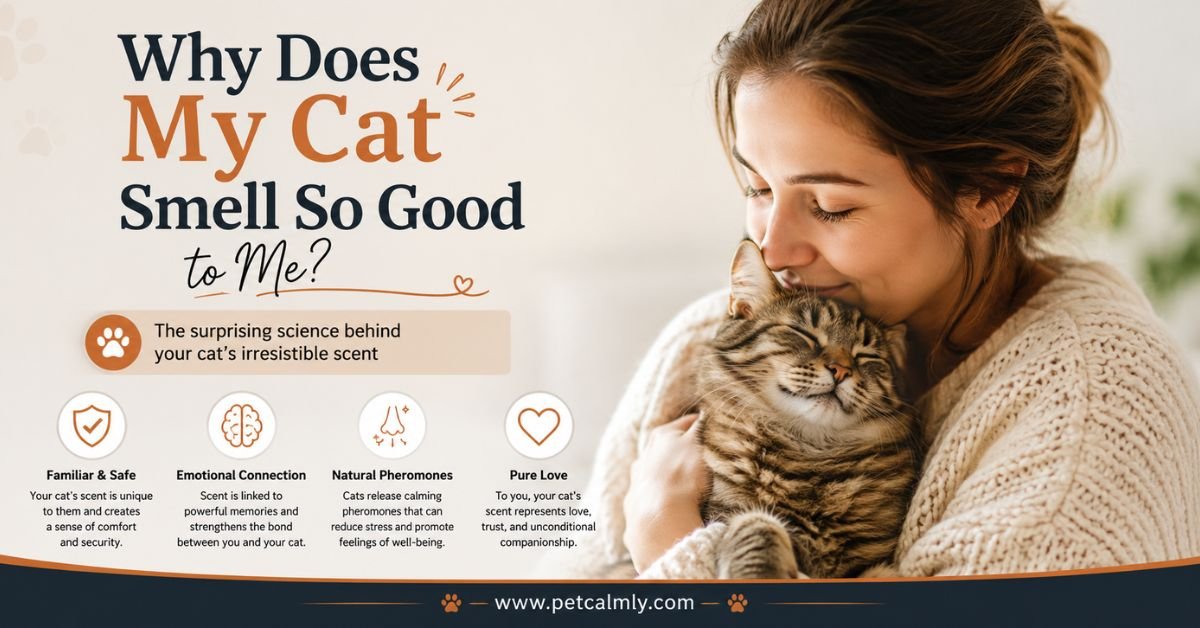
If you’ve ever buried your face in your cat’s fur and thought, “Why does my cat smell so good to me?“ you’re not alone. Many cat owners genuinely enjoy the natural scent of their feline companions. In most cases, it’s a combination of your cat’s excellent grooming habits, natural skin oils, familiar pheromones, and the emotional bond you share. Your brain also associates your cat’s scent with comfort, safety, and affection, making it smell especially pleasant to you even if other people don’t notice the same thing.
Introduction
Cat owners often joke about becoming addicted to the smell of their pets. Whether it’s the warm scent behind your cat’s ears, the top of their head, or the soft fur along their back, many people find it surprisingly comforting.
This isn’t just your imagination.
A healthy cat often has a naturally clean, mild scent because cats spend a large part of their day grooming themselves. Unlike many dogs, healthy indoor cats rarely develop a strong body odor. Combined with your emotional attachment, this creates a scent that feels uniquely comforting.
If you’re wondering why your cat smells so good while another person’s cat doesn’t, or why your own cat seems to have a favorite “good-smelling spot,” there are real biological and behavioral reasons behind it.
In this guide, you’ll learn:
- Why your cat’s scent feels so comforting
- The science behind feline smell and human perception
- Whether it’s normal to love your cat’s natural scent
- Factors that influence how your cat smells
- When a change in odor may signal a health problem
- Practical ways to keep your cat smelling naturally fresh
By the end, you’ll understand why this common experience is completely normal and why your cat’s scent is often another part of the special bond you share.
Why Does My Cat Smell So Good to Me?
Many cat owners describe their cat’s scent as warm, clean, comforting, or even slightly sweet. While every cat has its own unique smell, several factors work together to create that pleasant scent.
Your Cat Is Naturally Very Clean
Cats are among the cleanest companion animals.
Most healthy cats spend 30–50% of their waking hours grooming themselves. Their rough tongues remove dirt, loose fur, saliva, and debris before odors have a chance to build up.
Regular grooming helps:
- Remove oils that collect dirt
- Spread natural skin oils evenly
- Keep the coat soft
- Reduce bacteria on the fur
- Maintain a fresh, neutral smell
This is one reason indoor cats often smell cleaner than many people expect.
You Associate Your Cat with Comfort
One of the biggest reasons your cat smells wonderful is actually your brain.
Humans build powerful emotional associations with familiar scents.
Over time, your brain links your cat’s natural smell with:
- Relaxing on the couch
- Feeling safe at home
- Affection and companionship
- Stress relief
- Positive daily routines
As a result, your cat’s scent can trigger feelings of happiness and calm before you consciously recognize the smell itself.
This is similar to how a favorite blanket, childhood home, or familiar perfume can instantly bring back comforting memories.
Cats Produce Natural Skin Oils
Healthy cats produce small amounts of skin oils called sebum.
These oils:
- Protect the skin
- Keep fur healthy
- Prevent excessive dryness
- Carry each cat’s individual scent
When evenly distributed through grooming, these oils create the subtle smell that many owners enjoy.
A healthy coat shouldn’t smell greasy or strong it usually has only a faint, clean scent.
Your Cat’s Diet Plays a Role
Nutrition affects skin health, coat quality, and body odor.
Cats eating a balanced, high-quality diet often have:
- Healthier skin
- Shinier fur
- Less oily buildup
- Better overall coat condition
Poor nutrition may contribute to:
- Greasy fur
- Dry skin
- Increased dandruff
- Unpleasant odors over time
While food isn’t the only factor, it does influence how healthy your cat’s coat feels and smells.
Indoor Cats Stay Cleaner
Cats that spend most of their time indoors are exposed to fewer odor-causing substances.
They avoid:
- Mud
- Standing water
- Decaying plants
- Wildlife
- Garbage
- Vehicle oils
- Outdoor pollutants
Instead, they usually smell like:
- Fresh bedding
- Clean blankets
- Sun-warmed fur
- Their favorite sleeping spots
Many owners notice their cat develops a gentle “home” scent that becomes comforting over time.
Is It Normal to Think Your Cat Smells Good?
Absolutely.
Enjoying your cat’s natural scent is surprisingly common.
Many owners affectionately describe sniffing the top of their cat’s head, neck, or shoulders because it feels calming and reassuring.
This doesn’t necessarily mean your cat smells objectively amazing to everyone else. Rather, your brain has learned to recognize your cat’s unique scent as something positive.
Several psychological and biological factors contribute to this experience.
Emotional Bonding Changes Scent Perception
Humans don’t experience smells in isolation.
The brain processes scent alongside emotions and memories.
When you have a close relationship with your cat, familiar smells become tied to:
- Daily routines
- Positive interactions
- Relaxation
- Feelings of love and attachment
Because of this connection, your cat’s scent may feel uniquely pleasant to you.
Familiar Smells Feel Safe
People naturally become comfortable with scents they encounter frequently in positive environments.
Your cat is part of your home.
Their scent gradually becomes part of what your brain recognizes as:
- Safe
- Familiar
- Predictable
- Comforting
That’s why many owners miss their cat’s smell while traveling or after being away for several days.
Every Cat Has a Unique Scent
Just like people, every cat has its own subtle scent profile.
This depends on factors including:
- Genetics
- Skin oils
- Grooming habits
- Diet
- Living environment
- Overall health
- Age
Some cats naturally have softer-smelling fur, while others may have a slightly warmer or sweeter scent.
Neither is necessarily healthier they’re simply different.
What Makes Cats Smell Pleasant?
Healthy cats don’t usually smell like perfume or shampoo.
Instead, owners often describe their scent as:
- Warm
- Fresh
- Soft
- Slightly sweet
- Powdery
- Clean laundry-like
- Sun-warmed blanket
- Fresh cotton
Several natural factors contribute to this subtle aroma.
Excellent Self-Grooming
Cats groom themselves multiple times throughout the day.
Their rough tongues act like tiny brushes, helping remove:
- Dirt
- Loose hair
- Food particles
- Dust
- Dead skin
This constant cleaning helps prevent odors from developing.
Healthy Skin
Healthy skin supports:
- Balanced oil production
- Healthy hair follicles
- Reduced bacterial growth
- Strong skin barrier
When skin stays healthy, unpleasant smells are much less likely to develop.
Clean Living Environment
Cats that live in a clean home often smell fresher because they aren’t constantly exposed to unpleasant odors.
Regularly cleaning:
- Bedding
- Blankets
- Cat trees
- Scratching posts
- Litter boxes
can help your cat’s coat stay fresh.
Dirty sleeping areas, on the other hand, may transfer odors to your cat’s fur over time.
Sunbathing Can Change a Cat’s Smell
Many owners notice that cats smell especially pleasant after lying in a sunny window.
Warmth can subtly enhance the natural scent of clean fur and skin oils, giving your cat a cozy, “sun-warmed” aroma that many people find comforting.
Why Some Cats Smell Better Than Others
Not every cat smells exactly the same.
Several factors influence an individual cat’s natural scent.
| Factor | Effect on Smell |
|---|---|
| Grooming habits | Better grooming usually means a fresher coat. |
| Diet | Healthy nutrition supports healthy skin and fur. |
| Indoor vs. outdoor lifestyle | Indoor cats often stay cleaner. |
| Coat length | Long-haired cats may trap odors if grooming is difficult. |
| Health status | Healthy cats generally have little to no body odor. |
| Dental health | Mouth odor can affect how a cat seems to smell overall. |
| Skin condition | Healthy skin produces a cleaner natural scent. |
| Environment | Bedding, litter, and home cleanliness influence coat odor. |
Age Can Affect a Cat’s Natural Smell
Kittens often have a softer, milder scent because their coats are exceptionally clean and fine.
Adult cats typically maintain a pleasant smell as long as they are healthy and continue grooming normally.
Senior cats, however, may develop changes in scent if they experience:
- Reduced grooming due to arthritis
- Dental disease
- Kidney problems
- Skin infections
- Difficulty reaching certain areas
A noticeable change in an older cat’s odor isn’t always a normal part of aging and may warrant a veterinary checkup.
Does Breed Matter?
Breed has less impact on scent than many people assume.
While coat type can influence how easily dirt or oils accumulate, a healthy cat of any breed should not have a strong body odor.
For example:
- Short-haired cats may dry faster after grooming and trap less debris.
- Long-haired cats require more maintenance to prevent mats that can hold moisture and odors.
- Hairless breeds produce more skin oils, so they often need regular bathing to stay fresh.
Overall, health, grooming habits, diet, and environment play a much larger role than breed alone.
The Science Behind Why Your Cat Smells So Good to You
Loving the way your cat smells isn’t simply a quirky habit it has roots in biology, psychology, and the close relationship humans develop with their pets. While scientists are still learning about the complex ways people perceive scent, we know that familiar smells can trigger powerful emotional responses.
Your cat’s natural scent is unique, and your brain learns to recognize it as part of someone important in your life.
How Your Brain Connects Your Cat’s Scent with Positive Emotions
Smell is closely linked to the parts of the brain that process memory and emotion.
Unlike some of our other senses, scent information reaches areas involved in emotional processing very quickly. That’s why certain smells can instantly remind you of childhood, a favorite vacation, or someone you love.
The same thing can happen with your cat.
Over weeks, months, and years of living together, your brain begins connecting your cat’s scent with experiences such as:
- Quiet evenings together
- Petting sessions
- Playtime
- Relaxation after work
- Comfort during stressful moments
- Daily routines that make you happy
Eventually, simply smelling your cat may create a sense of calm before you consciously think about it.
This emotional association is one reason many owners say their cat “smells like home.”
Familiar Scents Become Comforting
Humans naturally adapt to familiar smells.
A scent that might seem neutral to someone else can become deeply comforting when it’s associated with positive experiences.
For example, many cat owners notice they miss their cat’s scent after:
- Returning from vacation
- Moving to a new home
- Spending time away for work
- Boarding their cat temporarily
The smell isn’t necessarily stronger it simply represents familiarity and emotional security.
Do Cats Have Their Own Unique Natural Scent?
Yes.
Every healthy cat has an individual scent, much like people have their own natural body odor.
This scent comes from a combination of:
- Skin oils
- Saliva spread during grooming
- Natural microorganisms that live harmlessly on the skin
- Diet
- Coat type
- Environment
Although these scents are subtle, cats can easily recognize one another by smell.
Humans may not consciously notice every difference, but people who spend a lot of time with their pets often learn to recognize their own cat’s scent.
Why Your Cat Doesn’t Smell Like Other Cats
If you’ve ever met another cat and thought, “Mine smells completely different,” you’re probably right.
Even cats living in the same household develop individual scent profiles.
Small differences come from:
- Individual skin chemistry
- Grooming style
- Favorite sleeping spots
- Household scents
- Diet
- Health
- Age
This uniqueness helps explain why your own cat’s scent feels so familiar and comforting.
Do Cats Produce Pheromones?
Yes but not in the way many people imagine.
Cats naturally produce pheromones, which are chemical signals used primarily for communication with other cats.
These pheromones are released from glands located around the:
- Cheeks
- Chin
- Lips
- Forehead
- Tail base
- Paw pads
When your cat rubs against you, furniture, or doorways, they’re depositing these scent signals.
Humans don’t consciously smell feline pheromones the way cats do, but your cat’s overall scent may still become associated with those affectionate interactions.
Why Cats Rub Their Face on You
When your cat gently bumps or rubs their face against your hand or legs, they’re doing more than asking for attention.
This behavior can mean:
- “You’re part of my family.”
- “This is my safe place.”
- “I trust you.”
- “I’m leaving my scent here.”
Many owners notice that the top of a cat’s head or cheeks often smell especially pleasant. These areas contain scent glands and are frequently groomed, helping them stay clean while carrying your cat’s natural scent.
Why Does My Cat’s Head Smell So Good?
This is one of the most common questions cat owners ask.
The top of your cat’s head often smells particularly nice because several factors come together there.
Frequent Grooming
Cats regularly groom around the face and head, helping keep the fur clean and free of debris.
Natural Skin Oils
Healthy skin produces a small amount of protective oil that keeps the coat soft without creating a greasy odor.
Scent Glands
The forehead and cheeks contain scent glands that contribute to your cat’s individual smell.
Less Contact with Dirty Surfaces
Compared with paws or the underside of the body, the top of the head usually stays relatively clean throughout the day.
Together, these factors create the mild, warm scent that many owners love.
Why Does My Cat Smell Sweet?
Some healthy cats naturally have a faintly sweet scent.
Owners often compare it to:
- Warm cereal
- Fresh linen
- Baby powder
- Sun-warmed blankets
- Soft cotton
- Clean fabric
In many cases, this is completely normal.
Possible reasons include:
- Healthy skin
- Regular grooming
- Clean indoor environment
- Natural coat oils
- Minimal exposure to dirt
A subtle sweetness is generally nothing to worry about if your cat is otherwise healthy.
When a Sweet Smell Isn’t Normal
Although uncommon, an unusually strong or sudden sweet smell can sometimes accompany certain medical conditions.
If your cat also has symptoms such as:
- Drinking much more water
- Weight loss
- Poor appetite
- Vomiting
- Lethargy
- Changes in breathing
schedule a veterinary examination promptly.
A pleasant natural scent is normal, but a dramatic change in odor deserves attention.
Why Indoor Cats Often Smell Better Than Outdoor Cats
Many people notice that indoor cats have a cleaner, softer scent.
There are several practical reasons.
Less Exposure to Dirt
Outdoor cats encounter:
- Soil
- Plants
- Standing water
- Dust
- Wildlife
- Trash
- Vehicle exhaust
- Rain and mud
Indoor cats avoid many of these odor sources.
Cleaner Sleeping Areas
Most indoor cats spend their time on:
- Beds
- Blankets
- Cat trees
- Sofas
- Window perches
If these areas are cleaned regularly, they help your cat maintain a fresh-smelling coat.
Better Coat Maintenance
Indoor cats are often:
- Brushed more frequently
- Monitored for parasites
- Fed consistent diets
- Checked for skin problems sooner
These factors all contribute to healthier skin and a cleaner coat.
How Grooming Keeps Cats Smelling Fresh
Cats are famous for their grooming habits, and for good reason.
Self-grooming isn’t just about appearance it plays an essential role in maintaining healthy skin and reducing odors.
A healthy cat may groom after:
- Eating
- Waking up
- Playing
- Using the litter box
- Being petted
- Feeling mildly stressed
- Before settling down to sleep
Each grooming session helps remove tiny particles that could otherwise cause unpleasant smells.
What Happens During Grooming?
When a cat licks its coat, the rough surface of the tongue acts almost like a natural brush.
Grooming helps:
- Remove loose fur
- Eliminate dead skin cells
- Spread protective oils evenly
- Reduce tangles
- Remove dust
- Keep the coat smooth
This constant maintenance is one reason healthy cats rarely develop a noticeable body odor.
Does Your Cat’s Diet Affect Their Smell?
Yes—although perhaps not as dramatically as many people think.
Nutrition supports healthy skin, which in turn influences the condition of the coat.
Cats eating balanced diets often have:
- Softer fur
- Healthier skin
- Less dandruff
- Better oil balance
- Reduced skin irritation
On the other hand, poor nutrition may contribute to:
- Dry skin
- Excessive shedding
- Dull fur
- Greasy coat
- Secondary skin problems
Diet alone won’t make your cat smell like flowers, but it can help maintain the healthy skin that contributes to a naturally pleasant scent.
Can Stress Change the Way a Cat Smells?
Sometimes.
Stress itself doesn’t usually create a strong body odor, but it can affect behaviors that influence scent.
For example, a stressed cat may:
- Groom less than usual
- Overgroom certain areas
- Spend less time cleaning after eating
- Develop greasy fur over time
In some cases, stress-related digestive upset or accidents outside the litter box may also contribute to unusual odors.
If your cat suddenly smells different and is also hiding, avoiding food, acting withdrawn, or showing other behavioral changes, it’s worth looking for the underlying cause rather than assuming the odor is harmless.
Can You Safely Smell Your Cat?
For most healthy indoor cats, enjoying their natural scent during normal cuddles is perfectly fine.
However, it’s wise to keep a few simple precautions in mind:
- Avoid putting your face directly into your cat’s mouth or nose.
- Don’t sniff areas that are dirty or soiled.
- Wash your hands after cleaning the litter box or handling waste.
- Respect your cat’s body language if they move away, flatten their ears, or swish their tail, give them space.
- If your cat has a contagious skin condition or your veterinarian advises limiting close contact, follow those recommendations.
Enjoying your cat’s scent should always go hand in hand with safe, respectful interactions that keep both you and your feline companion comfortable.
When Your Cat’s Smell Changes: What’s Normal and What Isn’t
While a healthy cat usually has a mild, clean scent, a sudden change in odor shouldn’t be ignored. Cats are excellent at grooming themselves, so noticeable smells often signal that something in their health, hygiene, or environment has changed.
The key is to pay attention to new, persistent, or unusually strong odors, especially if they’re accompanied by changes in your cat’s behavior.
Why Does My Cat Suddenly Smell Different?
A cat’s scent can change for many reasons. Some are harmless, while others may require veterinary care.
Common causes include:
- A dirty or dusty environment
- Rolling in something with a strong smell
- Changes in diet
- Reduced grooming
- Dental problems
- Skin infections
- Ear infections
- Anal gland issues
- Urine or feces on the fur
- Certain medical conditions
If the change is temporary and your cat otherwise seems healthy, monitor them closely. If the odor lasts more than a day or two, worsens, or comes with other symptoms, it’s best to schedule a veterinary visit.
Common Cat Odors and What They May Mean
The table below can help you understand whether a particular smell is likely harmless or worth investigating.
| Smell | Possible Cause | Should You Be Concerned? |
|---|---|---|
| Mild, clean scent | Healthy skin and grooming | No |
| Warm or slightly sweet | Natural coat oils | Usually not |
| Bad breath | Dental disease or mouth infection | Yes |
| Fishy odor | Anal glands | Often yes |
| Sour smell | Wet fur, skin irritation, infection | Yes if persistent |
| Musty smell | Dirty bedding or poor grooming | Monitor |
| Strong urine smell | Urine on the coat or urinary problems | Yes |
| Rotten smell | Wound or skin infection | Veterinary care needed |
Remember, your cat should never have an overpowering body odor.
Signs That Your Cat’s Smell Could Indicate a Health Problem
A smell alone doesn’t always mean your cat is sick, but it becomes more concerning when paired with other symptoms.
Contact your veterinarian if you notice:
- Loss of appetite
- Weight loss
- Increased thirst
- Vomiting
- Diarrhea
- Excessive scratching
- Hair loss
- Skin redness
- Lumps or sores
- Ear discharge
- Difficulty grooming
- Lethargy
- Changes in litter box habits
- Persistent bad breath
The earlier a problem is identified, the easier it often is to treat.
Why Bad Breath Should Never Be Ignored
Many owners assume that bad breath is normal in cats.
It isn’t.
Healthy cats may have a slight food-related smell after eating, but persistent foul breath often points to:
- Plaque buildup
- Gingivitis
- Tooth decay
- Mouth ulcers
- Infected teeth
- Kidney disease
- Diabetes (in some cases)
Dental disease is one of the most common health problems seen in adult cats, making regular oral care an important part of overall wellness.
Skin Problems That Can Change Your Cat’s Smell
Healthy skin has very little odor.
If bacteria or yeast begin to overgrow, however, the smell can become noticeable.
Possible signs include:
- Greasy fur
- Flaky skin
- Red patches
- Scabs
- Hair loss
- Frequent scratching
- Excessive licking
- Crusty areas
- Unpleasant odor from one specific spot
These symptoms should be evaluated by a veterinarian rather than treated with home remedies alone.
Why Older Cats May Develop a Different Smell
Senior cats often remain clean and well-groomed, but aging can make grooming more difficult.
Conditions such as arthritis may reduce flexibility, preventing older cats from reaching every part of their body.
As a result, you might notice:
- Greasier fur
- Mats
- Food around the mouth
- Urine stains
- Dandruff
- Mild body odor
Regular brushing and routine veterinary checkups can help keep senior cats comfortable and clean.
Mistakes That Can Make Your Cat Smell Worse
Many owners unintentionally contribute to odor problems without realizing it.
Avoid these common mistakes.
1. Neglecting the Litter Box
A dirty litter box can transfer odors to your cat’s paws and fur.
Aim to:
- Scoop daily.
- Replace litter regularly.
- Wash the litter box with mild soap and water.
- Keep the surrounding area clean.
2. Skipping Regular Brushing
Even short-haired cats benefit from brushing.
Brushing helps:
- Remove loose fur
- Reduce shedding
- Prevent mats
- Distribute natural oils
- Remove dust and dirt
Long-haired cats especially need consistent grooming to prevent trapped debris and odors.
3. Using Strong Fragrances
Avoid spraying your cat with perfumes, air fresheners, or scented grooming products designed for humans.
These products can:
- Irritate sensitive skin
- Trigger stress
- Encourage excessive grooming
- Mask underlying health problems instead of addressing them
A healthy cat should smell pleasant naturally without artificial fragrances.
4. Ignoring Dental Care
Poor oral hygiene affects more than just breath.
Dental disease can contribute to:
- Difficulty eating
- Chronic pain
- Weight loss
- Infection
- Overall poor health
Ask your veterinarian about safe ways to support your cat’s dental health, such as brushing, dental diets, or approved dental treats.
5. Waiting Too Long to Address Grooming Changes
If your cat suddenly stops grooming, don’t assume they’re simply getting lazy.
Reduced grooming may be linked to:
- Pain
- Obesity
- Arthritis
- Illness
- Stress
A sudden decline in grooming deserves attention, especially if your cat’s coat begins to look greasy or unkempt.
How to Help Your Cat Smell Naturally Fresh
The goal isn’t to make your cat smell like perfume it’s to support their natural cleanliness and overall health.
Here are some simple habits that make a real difference.
Feed a Balanced Diet
Healthy nutrition supports:
- Skin health
- Coat quality
- Normal oil production
- Overall wellness
Choose a complete, balanced cat food appropriate for your cat’s life stage, and always provide access to fresh water.
Brush Your Cat Regularly
Brushing removes:
- Loose hair
- Dirt
- Dead skin
- Small tangles before they become mats
It also gives you a chance to check for:
- Fleas
- Ticks (if your cat goes outdoors)
- Skin bumps
- Scabs
- Hair loss
Keep Bedding Clean
Wash your cat’s favorite blankets, beds, and soft toys regularly.
Fresh bedding helps reduce:
- Dust
- Skin flakes
- Hair buildup
- Environmental odors
A clean sleeping area also supports healthier skin and fur.
Maintain a Clean Home Environment
Vacuuming carpets, cleaning upholstery, and wiping down cat trees can prevent odors from building up around your home and transferring to your cat’s coat.
Schedule Routine Veterinary Checkups
Regular wellness exams help detect problems before they become serious.
Your veterinarian can identify issues such as:
- Dental disease
- Ear infections
- Skin disorders
- Parasites
- Weight changes
- Chronic illnesses
Early treatment often prevents unpleasant odors from developing.
Should You Bathe Your Cat?
In most cases, healthy cats do not need regular baths.
Cats are highly effective self-groomers and usually keep their coats clean without assistance.
A bath may be appropriate if your cat:
- Gets into a sticky or toxic substance
- Has a medical condition requiring medicated shampoo
- Is unable to groom due to age or illness
- Has severe diarrhea or urine on the coat
- Is advised by a veterinarian to bathe
If a bath is necessary:
- Use a shampoo specifically formulated for cats.
- Rinse thoroughly.
- Dry your cat gently.
- Keep them warm until completely dry.
Avoid bathing too often, as frequent washing can strip the skin of its natural oils and lead to dryness.
When Should You Worry About Your Cat’s Smell?
Most pleasant, mild scents are perfectly normal.
However, you should arrange a veterinary visit if your cat develops:
- A sudden, strong odor with no obvious cause
- Persistent bad breath
- A foul smell from the ears
- A fishy odor from the rear end
- A rotten smell from the skin
- A strong urine smell that doesn’t go away
- Odor accompanied by vomiting, lethargy, weight loss, or appetite changes
Trust your instincts. If your cat smells noticeably different and something seems “off,” it’s better to have them examined than to wait for the problem to worsen.
What Should Pet Owners Do?
If your healthy cat naturally smells pleasant, there’s usually nothing you need to change.
Instead, focus on maintaining the habits that support good health.
Healthy Cat Scent Checklist
✔ Feed a balanced, high-quality diet.
✔ Provide fresh water every day.
✔ Scoop the litter box daily.
✔ Wash bedding regularly.
✔ Brush your cat consistently.
✔ Monitor changes in grooming habits.
✔ Check your cat’s mouth, ears, and skin during grooming sessions.
✔ Keep up with routine veterinary examinations.
✔ Avoid unnecessary perfumes or scented products.
✔ Pay attention to sudden changes in odor.
These simple steps help your cat stay comfortable while preserving the clean, natural scent that many owners love.
More Information About Pets, Please Visit Our Website: How to Give Eye Drops to a Cat
How Many Teeth Do Adult Cats Have?
Cat Eye Infection Home Treatment
Cat Breathing Fast While Sleeping
Cat Diarrhea Treatment at Home
Frequently Asked Questions
1: Why does my cat smell so good to me but not to other people?
Your experience is completely normal. Your brain connects your cat’s unique scent with positive memories, affection, and feelings of safety. Because you’ve spent so much time together, your cat’s smell becomes familiar and comforting. Other people may simply notice a clean cat, while you perceive a much richer and more pleasant scent due to your emotional bond.
2: Why does my cat’s head smell especially nice?
The top of a cat’s head often has a pleasant scent because it’s a clean, well-groomed area that contains scent glands around the forehead and cheeks. Healthy skin oils and frequent grooming help create the mild, warm smell that many owners enjoy.
3: Is it normal to sniff my cat?
For most healthy indoor cats, yes. Many owners naturally enjoy the comforting scent of their pets during cuddles. Just be sure to respect your cat’s boundaries, avoid putting your face directly near their mouth or nose, and wash your hands after handling the litter box or cleaning up accidents.
4: Why does my kitten smell like baby powder?
Many kittens have a very soft, clean scent because of their fine fur, healthy skin, and frequent grooming. Owners often describe this natural smell as powdery or sweet. As long as your kitten is healthy and the odor isn’t unusually strong or accompanied by other symptoms, it’s generally considered normal.
5: Why did my cat suddenly stop smelling good?
A sudden change in your cat’s scent can happen for several reasons, including poor grooming, dental disease, skin infections, urine on the fur, ear infections, or changes in overall health. If the new odor lasts more than a day or two or comes with symptoms such as lethargy, poor appetite, or vomiting, contact your veterinarian.
6: Can my cat’s diet affect how they smell?
Yes. A complete and balanced diet supports healthy skin and a shiny coat, which can help your cat maintain its naturally clean scent. While food won’t make your cat smell like perfume, proper nutrition contributes to healthy skin oils and overall coat condition.
Key Takeaways
If you only remember a few things from this guide, make them these:
- Healthy cats naturally have very little body odor because they groom themselves frequently.
- Your emotional bond with your cat makes their familiar scent feel especially comforting.
- Every cat has a unique natural scent influenced by grooming, skin oils, diet, health, and environment.
- Indoor cats often smell cleaner because they’re exposed to fewer odor-causing substances.
- A sudden or unpleasant change in your cat’s smell can sometimes indicate a health problem that deserves veterinary attention.
- The best way to keep your cat smelling fresh is to support their overall health rather than relying on baths or scented products.
Conclusion
If you’ve ever wondered, “Why does my cat smell so good to me?”, the answer is a combination of biology, behavior, and the special relationship you share.
Cats are naturally clean animals. Their careful grooming, healthy skin, and subtle natural oils create a mild scent that’s often pleasant on its own. Over time, your brain begins to associate that scent with companionship, comfort, and the feeling of being at home. That’s why something as simple as cuddling your cat can feel so calming.
At the same time, it’s important to remember that a healthy cat should smell subtle, not strong. A noticeable change in odor especially if it’s accompanied by bad breath, greasy fur, skin irritation, or changes in behavior shouldn’t be ignored. Paying attention to these changes allows you to catch potential health problems early and keep your feline friend feeling their best.
The good news is that maintaining your cat’s natural freshness doesn’t require complicated grooming routines or heavily scented products. A nutritious diet, regular brushing, a clean environment, proper dental care, and routine veterinary checkups are usually all that’s needed to support a healthy coat and skin.
In the end, loving the way your cat smells is just another expression of the close bond you share. For many pet owners, that familiar scent becomes one of the quiet comforts of everyday life a reminder that home is often where a happy, healthy cat is waiting.