Short direct answer
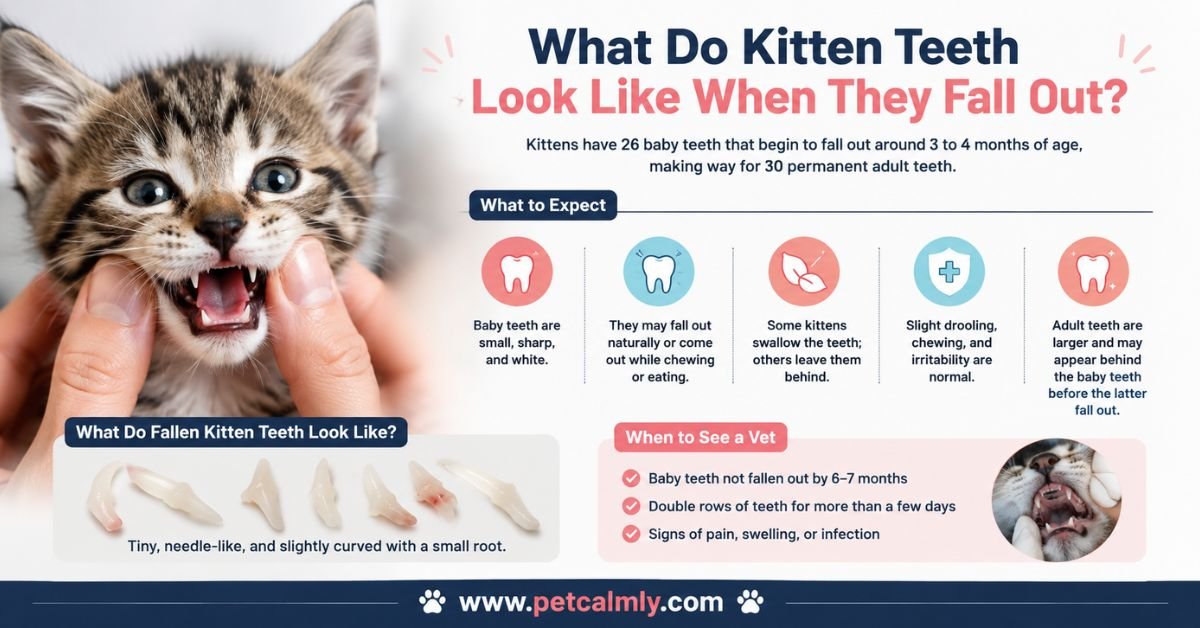
If you’re wondering what do kitten teeth look like when they fall out, the answer is simple: they are tiny, sharp, white, and resemble miniature rice grains with pointed tips. Some look like tiny needles with a small hollow root, while others appear as little curved fangs. Many cat owners never actually find these baby teeth because kittens often swallow them while eating or grooming, which is completely normal and harmless.
Losing baby teeth usually starts around 3 to 4 months of age and continues until about 6 to 7 months, making room for a full set of adult teeth.
Introduction
One day your playful kitten is happily chewing on toys, and the next you notice a tiny white tooth on the floor—or perhaps a small spot of blood on a favorite toy. It’s easy to wonder whether something is wrong.
In most cases, it’s actually a healthy milestone.
Just like human children, kittens naturally lose their baby teeth as they grow. This stage is part of normal development, although it often surprises first-time cat owners because the teeth are incredibly small and easy to miss.
Many people search for what do kitten teeth look like when they fall out because they aren’t sure whether they’ve found a baby tooth, whether bleeding is normal, or whether their kitten needs veterinary care.
This guide answers those questions in plain English. You’ll learn what baby teeth actually look like, when they fall out, what behaviors to expect during teething, and how to tell the difference between normal tooth loss and a problem that deserves a veterinarian’s attention.
By the end, you’ll know exactly what to expect throughout your kitten’s teething journey.
Understanding Kitten Baby Teeth
Before recognizing a fallen tooth, it helps to understand what your kitten is losing.
Baby teeth, also called deciduous teeth or milk teeth, are temporary teeth that help kittens begin eating solid food and learning normal chewing behavior. These teeth are much smaller and finer than adult teeth because they’re designed for a growing mouth.
A kitten has:
| Age | Teeth Present |
|---|---|
| Birth | No visible teeth |
| 2–4 weeks | Baby incisors begin appearing |
| 3–6 weeks | Baby canines and premolars erupt |
| Around 8 weeks | All 26 baby teeth are usually present |
| 3–7 months | Baby teeth gradually fall out |
| Around 6–7 months | Most kittens have all 30 adult teeth |
This natural replacement process allows stronger adult teeth to emerge without overcrowding the mouth.
What Do Kitten Teeth Look Like When They Fall Out?
Many owners expect baby teeth to look like tiny human teeth, but kitten teeth are much more delicate.
A fallen kitten tooth is usually:
- Bright white or creamy white
- Extremely small often only a few millimeters long
- Sharp and needle-like
- Slightly curved, especially the canine teeth
- Smooth and glossy
- Very lightweight
- Easy to mistake for a grain of rice or a tiny claw clipping
If the tooth falls out naturally, it may still have a tiny root attached. Sometimes the root has already begun dissolving before the tooth loosens, making it appear shorter or hollow.
The appearance also depends on which tooth has fallen out.
Baby Incisors
These front teeth are the smallest.
They usually look like:
- Tiny white chips
- Miniature rice grains
- Small pegs with pointed edges
Because they’re so tiny, they can disappear into carpet fibers or bedding almost immediately.
Baby Canines
The canine teeth are the easiest to recognize.
They resemble:
- Tiny vampire fangs
- Curved white needles
- Small hooks
- Sharp miniature tusks
If you happen to find one, it’s often the tooth owners recognize first.
Baby Premolars
Premolars are slightly broader.
They may have:
- Small pointed ridges
- A wider chewing surface
- Tiny multiple cusps
- A flatter appearance than canine teeth
Since they’re located farther back in the mouth, they’re less commonly found after falling out.
Why Most Cat Owners Never Find Fallen Kitten Teeth
One of the biggest surprises is how rarely people actually see baby teeth.
That’s completely normal.
Most kittens swallow loose teeth while:
- Eating kibble
- Drinking water
- Grooming themselves
- Playing
- Sleeping
The swallowed teeth pass naturally through the digestive system without causing harm.
Other baby teeth simply disappear into:
- Blankets
- Carpet
- Cat trees
- Soft furniture
- Litter
- Bedding
This is why many owners never witness a single tooth falling out even though their kitten develops perfectly healthy adult teeth.
Finding one or two baby teeth is exciting but not finding any is even more common.
When Do Kitten Teeth Usually Fall Out?
Knowing the timeline helps you recognize whether your kitten is developing normally.
Although every kitten grows at a slightly different pace, most follow a predictable schedule.
3–4 Months
The first baby incisors begin loosening.
You may notice:
- More chewing
- Mild drooling
- Small gaps appearing between front teeth
- Tiny spots of blood on chew toys
4–5 Months
Canine teeth often begin falling out.
This stage usually brings:
- Increased chewing
- Slight gum sensitivity
- Adult canine teeth starting to emerge
Some kittens briefly have both baby and adult canine teeth visible at the same time.
5–6 Months
Most premolars are replaced.
Adult teeth continue erupting across the mouth.
Chewing behavior often peaks during this stage.
6–7 Months
By this age, most kittens have:
- Lost all baby teeth
- Developed 30 permanent adult teeth
- Stronger jaws
- Reduced teething discomfort
From this point onward, dental care becomes an important lifelong habit.
Signs Your Kitten Is Losing Baby Teeth
Finding a tooth isn’t the only clue.
Many kittens show subtle changes that indicate teething is underway.
Common signs include:
- Chewing on toys more frequently
- Gnawing furniture corners
- Biting fingers during play
- Mild drooling
- Slightly red gums
- Tiny amounts of blood on toys
- Temporary reluctance to chew hard food
- Increased curiosity about textured objects
- Brief periods of gum sensitivity
Most kittens continue eating, playing, climbing, and sleeping normally despite these minor changes.
That’s because teething is usually more uncomfortable than painful.
Is It Normal to See a Little Blood?
Yes.
A tiny amount of blood is one of the most common concerns among new kitten owners.
You might notice:
- Pink saliva
- Small blood spots on toys
- Light staining on a blanket
- A pinpoint of blood where a tooth came out
This happens because the tooth separates from the gum as the adult tooth pushes upward.
Small amounts of bleeding usually stop quickly without any treatment.
Heavy bleeding, continuous bleeding, or significant swelling is not considered normal and should be evaluated by a veterinarian.
Why Adult Teeth Push Baby Teeth Out
Many owners wonder why kittens lose teeth in the first place.
The answer lies beneath the gums.
As your kitten grows, permanent teeth begin developing below the baby teeth. Gradually, these adult teeth put gentle pressure on the roots of the baby teeth.
Instead of being pulled out, the roots slowly dissolve through a natural process called root resorption. Once enough of the root has disappeared, the baby tooth becomes loose and eventually falls out with everyday activities like chewing or grooming.
This efficient process allows the stronger adult tooth to take its proper place without disrupting your kitten’s ability to eat or play.
Understanding this natural transition can make the entire teething phase feel much less worrying for first-time cat owners.
Why Do Kittens Lose Their Baby Teeth?
Watching your kitten lose teeth can feel alarming at first, but it’s actually a sign that they’re growing exactly as they should.
Baby teeth are only temporary. As your kitten matures, adult teeth develop beneath the gums and gradually replace them. Adult teeth are larger, stronger, and designed to last for life with proper dental care.
The process happens naturally and usually doesn’t require any treatment. In fact, many kittens go through the entire teething stage with little more than a few extra chewing sessions and occasional mild gum discomfort.
Think of baby teeth as “placeholders.” They help kittens learn to eat solid food and practice normal biting and chewing until their permanent teeth are ready.
What Happens Inside Your Kitten’s Mouth During Teething?
Teething is a gradual process rather than a single event.
Here’s what typically happens:
- Adult teeth begin developing beneath the gums.
- The roots of the baby teeth slowly dissolve.
- Baby teeth loosen over time.
- Normal chewing or play causes the loose teeth to fall out.
- Adult teeth continue erupting into their final positions.
This process can take several weeks, which is why you may notice changing behaviors throughout your kitten’s fourth to sixth month.
Common Kitten Teething Behaviors
Many owners first notice behavioral changes before they ever see a missing tooth.
Fortunately, most of these behaviors are completely normal.
Increased Chewing
One of the biggest signs of teething is chewing.
Your kitten may suddenly become interested in:
- Cardboard boxes
- Cat toys
- Soft blankets
- Table legs
- Shoe laces
- Fingers during play
- Fabric edges
Chewing helps relieve pressure on sore gums while loose teeth work their way out.
Providing safe chew toys can redirect this behavior away from furniture and household items.
More Biting During Play
Some owners worry their kitten has become aggressive.
Usually, that’s not the case.
Teething kittens often bite because:
- Their gums itch.
- Their mouths feel uncomfortable.
- Biting provides temporary relief.
- They haven’t yet learned bite inhibition.
Instead of punishment, calmly redirect biting toward an appropriate toy.
Consistent redirection teaches better habits without creating fear.
Mild Drooling
A little extra saliva is common during teething.
You may notice:
- Damp fur around the mouth
- Wet chew toys
- Small amounts of clear drool
Drooling should remain mild.
Excessive drooling, thick saliva, foul odor, or difficulty swallowing deserves veterinary attention.
Temporary Changes in Appetite
Some kittens briefly prefer softer foods.
For example, a kitten that normally crunches dry kibble may suddenly:
- Eat more slowly
- Choose wet food first
- Drop pieces of kibble
- Pause while chewing
These changes usually last only a few days.
As the new teeth settle into place, appetite typically returns to normal.
Pawing at the Mouth
Occasionally, kittens rub their face or paw gently at their mouth.
This can happen because:
- A loose tooth feels strange.
- Gums are slightly irritated.
- New teeth are erupting.
Brief, occasional pawing is generally harmless.
Repeated scratching, crying, or inability to close the mouth normally should be checked by a veterinarian.
How Long Does Kitten Teething Last?
Many owners are relieved to learn that teething doesn’t last forever.
Here’s a general timeline:
| Kitten Age | What Happens |
|---|---|
| 2–8 weeks | Baby teeth erupt |
| 3–4 months | Baby incisors begin falling out |
| 4–5 months | Canine teeth loosen and adult teeth appear |
| 5–6 months | Premolars are replaced |
| 6–7 months | Most kittens have all adult teeth |
Some kittens finish slightly earlier or later.
Small differences in timing are usually nothing to worry about.
How to Help a Teething Kitten Feel More Comfortable
Although teething is normal, there are simple ways to make your kitten more comfortable.
Offer Safe Chew Toys
Chewing is one of the healthiest ways for kittens to relieve sore gums.
Choose toys that are:
- Soft but durable
- Designed for kittens
- Easy to clean
- Large enough that they cannot be swallowed
Avoid objects with small detachable pieces.
Rotate toys regularly to keep them interesting.
Feed Soft Food When Needed
If your kitten seems uncomfortable chewing hard kibble, temporarily offering wet food can help.
Some owners also soften kibble with warm water for a few minutes.
There’s usually no need to permanently change diets.
Once teething discomfort improves, most kittens return to their normal food without difficulty.
Schedule Gentle Play Sessions
Play provides both exercise and distraction.
Interactive toys allow kittens to:
- Bite appropriate objects
- Burn energy
- Reduce frustration
- Avoid chewing household belongings
Wand toys, plush toys, and lightweight balls are excellent choices.
Keep Dangerous Items Out of Reach
A teething kitten explores the world with its mouth.
Protect your kitten by keeping these items away:
- Electrical cords
- Rubber bands
- String
- Hair ties
- Plastic bags
- Sewing supplies
- Small children’s toys
These objects can cause choking or intestinal blockage if swallowed.
Is It Normal for Adult Teeth and Baby Teeth to Be Present Together?
Yes.
During teething, you may briefly notice two teeth occupying what seems like the same spot.
This often happens with the canine teeth.
For a short period, you’ll see:
- One smaller baby tooth
- One larger adult tooth growing beside it
This stage can last several weeks.
Eventually, the baby tooth should loosen and fall out naturally.
If the baby tooth remains firmly attached after the adult tooth has fully erupted, it may be considered a retained baby tooth.
We’ll discuss this condition in the next section.
Should You Pull Out a Loose Kitten Tooth?
No.
Even if a tooth looks ready to fall out, avoid removing it yourself.
Pulling on a tooth can:
- Cause pain
- Damage the surrounding gum tissue
- Break the tooth
- Introduce bacteria
- Increase the risk of infection
Loose baby teeth almost always fall out on their own while eating or playing.
Patience is usually the safest approach.
What If Your Kitten Swallows a Baby Tooth?
This happens far more often than most owners realize.
Fortunately, it’s rarely a problem.
A swallowed baby tooth is:
- Extremely small
- Naturally passed through the digestive system
- Unlikely to cause choking
- Usually digested or eliminated without any signs
Most veterinarians consider swallowing baby teeth completely normal.
There’s generally no need for treatment unless your kitten shows unrelated symptoms like repeated vomiting, difficulty swallowing, or loss of appetite.
Can Teething Make a Kitten Act Differently?
Absolutely.
Just like young children, kittens may become slightly fussier while new teeth come in.
Some common personality changes include:
- Becoming clingier
- Wanting more playtime
- Sleeping slightly more
- Seeking extra attention
- Chewing more than usual
- Becoming temporarily less interested in hard treats
These changes are usually mild and short-lived.
Once adult teeth finish erupting, most kittens return to their usual routines.
Signs of Healthy Teething
Knowing what’s normal can provide peace of mind.
Healthy teething usually includes:
✔ Loose baby teeth
✔ Bright white emerging adult teeth
✔ Mild chewing
✔ Small amounts of drooling
✔ Brief gum redness
✔ Normal energy levels
✔ Continued eating and drinking
✔ Playful behavior
Even if your kitten seems mildly uncomfortable, they should still act like a curious, energetic kitten most of the time.
Myths About Kitten Teeth
New cat owners often hear conflicting advice online.
Let’s clear up a few common myths.
Myth 1: Every Baby Tooth Must Be Found
False.
Most baby teeth are swallowed or lost without owners ever seeing them.
Myth 2: Bleeding Means Something Is Wrong
False.
A tiny amount of bleeding is expected when a tooth falls out.
Heavy or ongoing bleeding is different and should be checked.
Myth 3: Teething Makes Kittens Sick
False.
Normal teething should not cause:
- Fever
- Severe lethargy
- Persistent vomiting
- Major weight loss
If these symptoms occur, another illness is likely responsible.
Myth 4: Pulling Loose Teeth Helps
False.
Baby teeth are designed to fall out naturally.
Trying to remove them yourself can create unnecessary complications.
Practical Checklist for Cat Owners During Teething
Use this simple checklist to support your kitten through this stage:
- Provide safe chew toys every day.
- Keep electrical cords and small objects out of reach.
- Watch for normal chewing and mild drooling.
- Offer softer food if chewing seems uncomfortable.
- Brush adult teeth once your veterinarian recommends starting dental care.
- Check your kitten’s mouth occasionally without forcing it open.
- Continue regular veterinary wellness visits.
These small habits help encourage healthy dental development while reducing stress for both you and your kitten.
When Should You Worry About a Kitten Losing Teeth?
Although losing baby teeth is a normal part of growing up, there are times when dental changes deserve closer attention. Knowing the difference between healthy teething and a dental problem can help you act quickly if your kitten needs veterinary care.
Most kittens continue eating, playing, and behaving normally while their teeth change. If your kitten seems seriously uncomfortable or develops unusual symptoms, it’s worth scheduling an examination.
Below are the most important warning signs to watch for.
Signs Your Kitten May Need to See a Veterinarian
Persistent Bleeding
A tiny spot of blood after a tooth falls out is completely normal.
However, contact your veterinarian if you notice:
- Bleeding that lasts longer than several minutes
- Blood dripping from the mouth
- Repeated bleeding without a loose tooth
- Large amounts of blood on toys or bedding
Persistent bleeding could indicate gum injury, infection, or another dental problem.
Severe Bad Breath
Kittens usually have a mild, clean-smelling breath.
A strong, unpleasant odor can suggest:
- Gum infection
- Food trapped around a tooth
- A retained baby tooth
- Dental disease
- An injury inside the mouth
Bad breath that appears suddenly shouldn’t be ignored.
Difficulty Eating
Teething may make chewing uncomfortable for a day or two, but your kitten should still be willing to eat.
Call your veterinarian if your kitten:
- Refuses food for more than 24 hours
- Cries while chewing
- Drops food repeatedly
- Cannot pick up food
- Loses noticeable weight
Young kittens can become dehydrated or develop low blood sugar more quickly than adult cats, so prolonged appetite loss should always be taken seriously.
Swollen Face or Jaw
Facial swelling is never considered a normal part of teething.
Possible causes include:
- Tooth root infection
- Oral abscess
- Injury
- Foreign object lodged in the mouth
Any swelling around the mouth, cheeks, or jaw deserves prompt veterinary attention.
Broken Teeth
Sometimes an active kitten chips or fractures a tooth while playing or chewing something hard.
A broken tooth may look:
- Split
- Jagged
- Shorter than normal
- Pink in the center
- Discolored
Even if your kitten seems comfortable, broken teeth should be evaluated because the inner pulp may become infected.
What Is a Retained Baby Tooth?
One of the most common dental problems in young cats is a retained baby tooth.
This happens when:
- The adult tooth erupts.
- The baby tooth fails to fall out.
- Both teeth remain in the mouth together.
Instead of one tooth occupying a space, there are two.
Retained baby teeth are most commonly seen in the canine teeth.
Why Retained Baby Teeth Matter
Keeping both teeth may not seem like a big problem, but it can create several issues.
These include:
- Crowded teeth
- Food becoming trapped
- Plaque buildup
- Gum inflammation
- Bite misalignment
- Earlier dental disease
If the baby tooth doesn’t loosen naturally, your veterinarian may recommend removing it so the adult tooth can settle into the correct position.
How Can You Tell If a Baby Tooth Is Retained?
You might notice:
- Two canine teeth side by side
- An adult tooth growing behind a smaller tooth
- Persistent baby teeth after six to seven months of age
- Food collecting between crowded teeth
Don’t attempt to remove a retained tooth yourself.
A veterinarian can determine whether extraction is necessary.
What Should Healthy Adult Teeth Look Like?
Once teething is complete, your kitten should have 30 permanent teeth.
Healthy adult teeth are:
- Bright white
- Smooth
- Firmly attached
- Free of cracks
- Evenly spaced
- Surrounded by pink gums
Adult teeth are noticeably larger than baby teeth and have thicker roots for lifelong chewing.
Checking your cat’s mouth every few weeks helps you become familiar with what’s normal.
4 Common Mistakes Cat Owners Make During Teething
Many dental problems are preventable with the right care.
Here are some mistakes to avoid.
1: Pulling Loose Teeth
It can be tempting to remove a tooth that’s barely attached.
Resist the urge.
Removing teeth at home can:
- Damage developing adult teeth
- Tear the gums
- Cause unnecessary pain
- Increase infection risk
Nature usually takes care of the process on its own.
2: Ignoring Persistent Baby Teeth
Some owners assume the extra tooth will eventually fall out.
Sometimes it does.
Sometimes it doesn’t.
If both baby and adult teeth remain after your kitten reaches about seven months of age, schedule a dental examination.
3: Offering Unsafe Chew Items
Not everything safe for dogs is appropriate for kittens.
Avoid giving:
- Bones
- Antlers
- Hard plastic objects
- Rocks
- Cooked bones
- Extremely hard chew toys
These items can fracture developing teeth.
Instead, choose products specifically designed for kittens or cats.
4: Skipping Dental Care Until Adulthood
Dental care doesn’t start when problems appear.
Healthy habits are easiest to establish while your cat is young.
Even simple routines like gently touching your kitten’s mouth or introducing a pet-safe toothbrush can make future brushing much easier.
How to Care for Your Kitten After Baby Teeth Fall Out
Once permanent teeth begin appearing, it’s a great time to focus on lifelong dental health.
Start a Dental Routine Early
Many cats resist tooth brushing simply because they weren’t introduced to it as kittens.
Start slowly.
For example:
Week 1:
- Let your kitten sniff the toothbrush.
- Reward calm behavior.
Week 2:
- Touch the lips gently.
- Offer praise.
Week 3:
- Introduce pet-safe toothpaste.
- Allow your kitten to taste it.
Week 4:
- Brush just one or two teeth for a few seconds.
Building positive experiences now can make dental care much easier throughout adulthood.
Feed a Balanced Diet
Healthy teeth depend on overall nutrition.
Choose a complete, balanced kitten food that supports healthy growth.
Fresh water should always be available to help maintain good oral health.
Unless your veterinarian recommends it, avoid homemade diets that may lack essential nutrients.
Schedule Regular Veterinary Checkups
Routine wellness visits allow your veterinarian to:
- Monitor adult tooth eruption
- Check bite alignment
- Identify retained baby teeth
- Spot early dental disease
- Answer questions before small issues become larger problems
Preventive care is often simpler and less expensive than treating advanced dental problems later.
What Should Pet Owners Do During the Teething Stage?
If your kitten is currently losing teeth, follow these practical steps.
Daily Checklist
✔ Provide safe chew toys.
✔ Keep dangerous chewing hazards out of reach.
✔ Check your kitten’s appetite.
✔ Watch for excessive bleeding.
✔ Look for adult teeth replacing baby teeth.
✔ Continue regular play and enrichment.
✔ Avoid pulling loose teeth.
✔ Contact your veterinarian if something seems unusual.
Most kittens need little more than patience, supervision, and plenty of appropriate things to chew.
Conclusion
If you’ve been asking, “What do kitten teeth look like when they fall out?”, you can feel reassured that what you’re seeing or not seeing is usually part of normal development.
Those tiny, needle-like baby teeth are easy to miss, and many kittens swallow them without any problems. While teething can lead to extra chewing, mild gum irritation, and a little blood now and then, most kittens continue to eat, play, and explore as usual.
Your role as a pet owner is simple: provide safe chew toys, keep an eye on your kitten’s mouth, and know the signs that indicate something isn’t quite right. With a little patience and routine dental care, your kitten’s 30 permanent teeth will soon replace those temporary baby teeth, setting the stage for a healthy smile throughout adulthood.
More Information About Pets, Please Visit Our Website: Cat Constipation Home Remedy
Why Is My Cat Losing Hair and Weight?
How to Give Eye Drops to a Cat
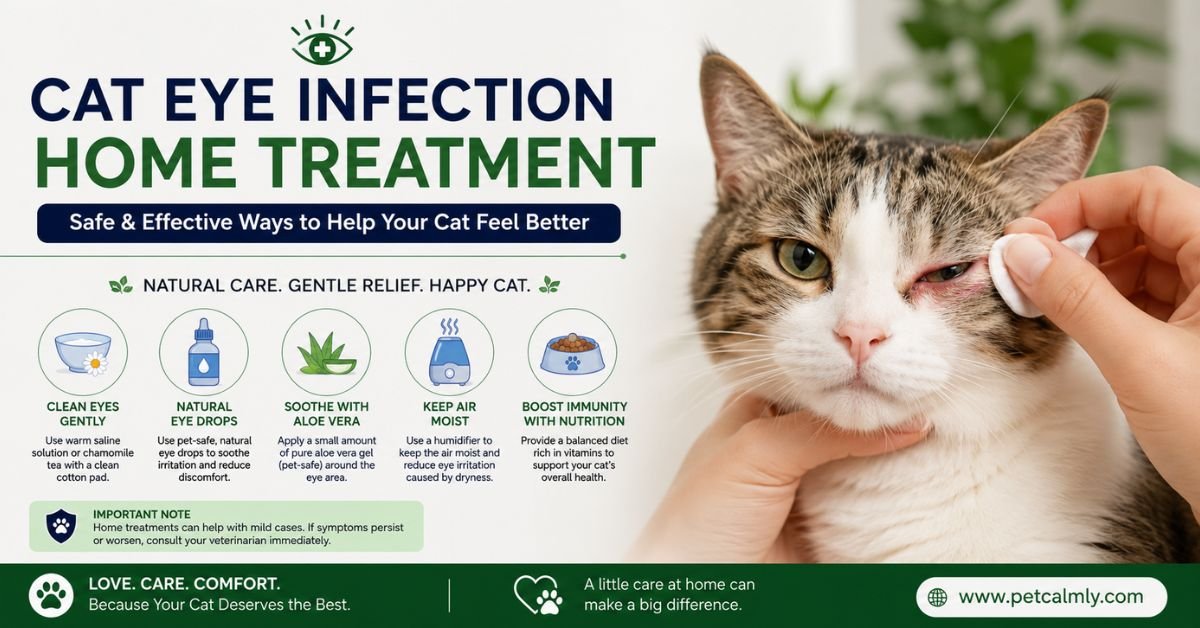
Cat Eye Infection Home Treatment
Frequently Asked Questions
1. What do kitten teeth look like when they fall out?
Kitten baby teeth are tiny, bright white, and very sharp. They often look like miniature rice grains, tiny needles, or little vampire fangs. Canine teeth are the easiest to recognize because they’re longer and slightly curved, while the front incisors are so small they’re easy to overlook.
2. Is it normal if I never find my kitten’s baby teeth?
Yes, it’s completely normal. Most kittens swallow their baby teeth while eating, playing, or grooming themselves. The teeth are so small that they usually pass through the digestive system without causing any problems. Many cat owners never find a single fallen tooth.
3. At what age do kittens lose their baby teeth?
Most kittens begin losing their baby teeth between 3 and 4 months of age. The process usually continues until they are around 6 to 7 months old, by which time they typically have all 30 permanent adult teeth.
4. Should I pull out a loose kitten tooth?
No. Even if a baby tooth appears ready to fall out, you shouldn’t remove it yourself. Pulling a tooth can damage the surrounding gum tissue or developing adult tooth. In nearly all cases, the tooth will fall out naturally while your kitten eats or plays.
5. Is bleeding normal when a kitten loses a tooth?
A small amount of bleeding is normal. You may notice a tiny spot of blood on a toy or a little pink saliva immediately after a tooth falls out. However, heavy bleeding, bleeding that doesn’t stop, or significant swelling should be examined by a veterinarian.
6. What if my kitten still has baby teeth after the adult teeth come in?
This may be a retained baby tooth. When both the baby tooth and adult tooth remain in the mouth together, food and plaque can become trapped, increasing the risk of dental problems. If the baby tooth hasn’t fallen out by around 6 to 7 months of age, schedule a veterinary dental examination.