
Short direct answer
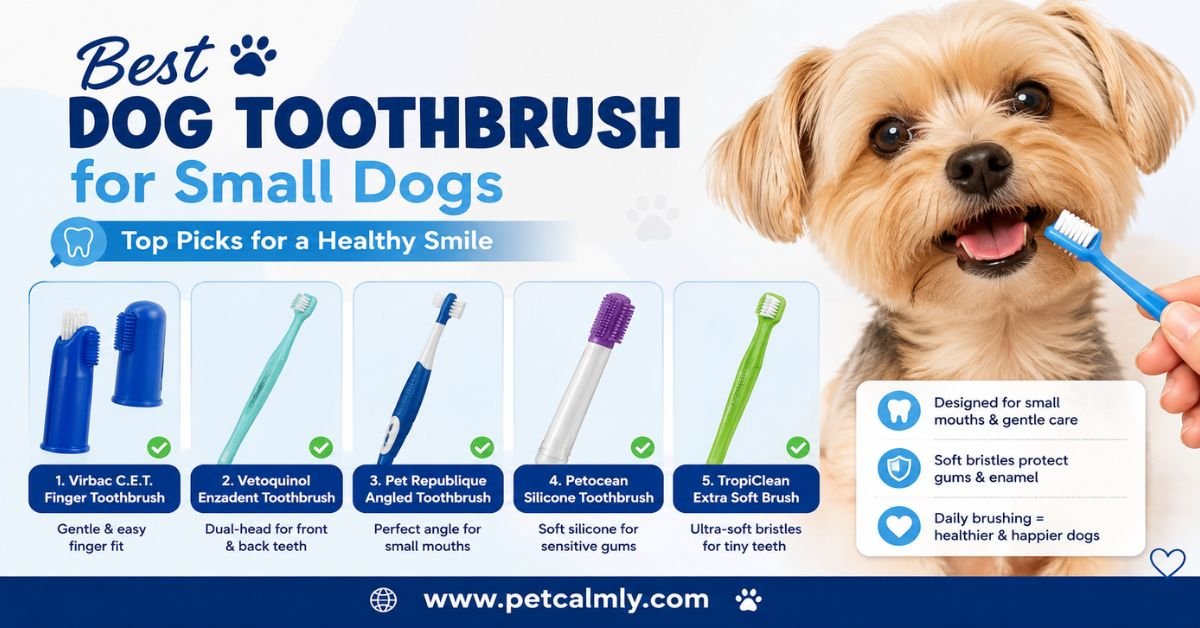
The best dog toothbrush for small dogs combines soft, gentle bristles, a compact head that fits comfortably in a small dog’s mouth, and a non-slip grip for easier handling. Top options include the Virbac C.E.T. Enzymatic Toothbrush for its proven effectiveness, the Petsmile Professional Series for electric brushing, and the Oxyfresh Curved Toothbrush for its thoughtful small-dog design. Your small dog’s individual tolerance, mouth sensitivity, and temperament should guide your final choice not every toothbrush works for every dog. The goal isn’t perfection; it’s consistency and making dental care feel calm and manageable for both you and your pet.
Small Dogs, Big Dental Challenges
Small dog owners often discover an uncomfortable truth: their pint-sized companions are prone to dental problems that larger dogs rarely experience. Plaque buildup, tartar accumulation, and gum disease develop faster in small dog breeds, sometimes with limited warning signs. Yet many small dog owners feel hesitant about starting a brushing routine because they worry about hurting their dog, choosing the wrong tool, or struggling with a resistant pup.
This guide walks you through everything you need to know to select and use the right toothbrush for your small dog—and actually stick with it. You’ll learn what makes small dog mouths different, which features matter most, and how to transform dental care from a source of stress into a calm, manageable part of your routine.
Why Small Dogs Face Unique Dental Health Risks
Small dog breeds encounter dental challenges that their larger counterparts rarely face. Understanding why helps you appreciate why dental care matters so much and why the right toothbrush is genuinely important.
Crowded Teeth and Retention Issues
Small dog breeds often have cramped tooth spacing. Their teeth grow at normal size, but their mouths are disproportionately small, creating overlapping, crowded teeth that trap food and bacteria more easily than evenly spaced teeth. This crowding also makes it harder for their natural saliva to reach all tooth surfaces and keep the mouth clean.
Additionally, small dogs are more likely to retain puppy teeth alongside adult teeth—a condition called retained deciduous teeth. Extra teeth in already crowded spaces create even more surfaces for plaque to accumulate. While your vet should address retained teeth, regular brushing helps prevent the complications that follow from poor oral hygiene in these high-risk mouths.
Accelerated Plaque and Tartar Buildup
Small dog breeds develop plaque at a faster rate than large breeds. Research suggests this may be related to their metabolism and how their immune systems function, but the practical reality is clear: a small dog’s teeth deteriorate more rapidly without consistent care.
Tartar doesn’t just make teeth look discolored it harbors bacteria that inflame gums, leading to periodontal disease. Once tartar forms, brushing won’t remove it (only professional cleaning can), which is why prevention through daily brushing is so crucial.
Gum Disease and Tooth Loss Risk
By age three, most small dog breeds show some signs of periodontal disease if their teeth haven’t been professionally cleaned and maintained. Untreated gum disease doesn’t just affect the mouth it can contribute to heart, kidney, and liver complications as your dog ages.
Small dogs are statistically more likely to experience tooth loss later in life. Regular brushing isn’t just about appearance; it directly impacts your small dog’s long-term health and quality of life.
What to Look for in a Small Dog Toothbrush: Essential Features Explained
Not all toothbrushes work equally well for small mouths. These specific features matter when you’re choosing the right tool for your tiny companion.
Bristle Softness and Quality
The bristles should be soft softer than human toothbrush bristles. Small dogs have more sensitive gum tissue proportionally, and firm bristles can cause micro-tears and discomfort that makes your dog resist brushing.
Look for nylon bristles specifically labeled as “soft” or “extra soft,” or those with a gentle, tapered design that collapses slightly against the gum line. Some premium toothbrushes use rubberized or silicone bristles that feel gentler to sensitive mouths.
Avoid stiff or medium-bristle brushes marketed for human use. They’re too harsh for your dog’s delicate tissues.
Brush Head Size and Proportion
The brush head should be small enough to easily access the back molars without triggering your dog’s gag reflex. A general guideline: the brush head should be roughly the width of your small dog’s muzzle or smaller. For Chihuahuas, Pomeranians, or toy-breed dogs, you’re looking at brush heads under one inch wide.
A head that’s too large feels invasive and makes your dog anxious. A properly sized head lets you reach all tooth surfaces while keeping your dog calm.
Handle Design and Grip
You’ll be holding this toothbrush for several minutes, ideally daily. A non-slip grip that feels comfortable in your hand reduces hand fatigue and gives you better control. Look for handles with rubberized sections or ergonomic curves rather than smooth plastic that slips in wet conditions.
For people with arthritis or hand weakness, angled or bent handles can reduce wrist strain. Some small dog owners prefer wider handles because they provide better leverage in a small dog’s squirming mouth.
Bristle Density and Configuration
Some toothbrushes have bristles arranged in a flat, dense pattern. Others feature angled bristles or a rounded brush head. For small dogs, slightly angled or curved bristle patterns often work better because they reach the gum line more naturally without requiring you to manipulate the brush at awkward angles.
Denser bristles aren’t necessarily better they can sometimes feel more uncomfortable to sensitive gums. Look for medium density with a soft bristle composition rather than ultra-dense, firm bristles.
Evaluating Manual Versus Electric Toothbrushes for Small Dogs
Many small dog owners wonder whether they should invest in an electric toothbrush or stick with manual brushing. Both have legitimate advantages and drawbacks for small dogs specifically.
Manual Toothbrushes: Control and Accessibility
Manual toothbrushes remain the most popular choice for small dog owners because they offer complete control. You can adjust pressure, angle, and speed based on your dog’s reactions moment by moment. This adaptability is especially valuable for small dogs who are anxious or sensitive about having their mouths touched.
Manual brushes are also more affordable, don’t require charging, and work reliably every time. For small dogs who tolerate brushing but remain somewhat resistant or tense, the slow, gentle pace of manual brushing often feels less threatening than vibration or oscillation.
The downside: manual brushing requires good technique. Poor technique reduces effectiveness. You need to hold the brush at the right angle (45 degrees to the gum line), use gentle circular motions, and reach all tooth surfaces consistently—every single time.
Electric Toothbrushes: Consistency and Efficiency
Electric toothbrushes, particularly those designed for pets, deliver consistent brush strokes without relying on your technique. The brush oscillates or vibrates hundreds of times per minute, which is often more effective at removing plaque than manual motions, even when you have good form.
For small dogs who’ve already accepted brushing, an electric toothbrush can be highly effective. Some dogs actually tolerate them well, and the vibration may feel less intrusive than the manual motions required with traditional brushes.
The challenges with electric toothbrushes for small dogs include:
- Vibration anxiety: Some small dogs find the vibration startling or overwhelming
- Size limitations: Pet electric toothbrushes still often have brush heads larger than ideal for tiny mouths
- Cost: Quality electric pet toothbrushes cost significantly more ($50–$150+ versus $5–$15 for manual brushes)
- Battery and charging: They require charging and don’t work if the battery dies
- Introduction difficulty: Anxious small dogs often need to build tolerance to vibration gradually
For most small dogs, manual brushing is the more practical starting point. Once your small dog becomes fully comfortable with the brushing routine, you can explore electric options. Some owners successfully transition their pets to electric brushes after several months of manual brushing.
Top Dog Toothbrush Recommendations for Small Dog Breeds
These recommendations prioritize features that matter specifically for small mouths: appropriate size, bristle gentleness, and designs that accommodate anxious or sensitive temperaments.
Best Overall: Virbac C.E.T. Enzymatic Toothbrush
The Virbac C.E.T. remains the most recommended toothbrush by veterinarians and dental specialists because it works reliably with the C.E.T. enzymatic toothpaste (containing glucose oxidase, lactoperoxidase, and lactoferrin—enzymes that help break down plaque-forming bacteria).
Why it works for small dogs:
- Compact brush head fits easily in small dog mouths
- Soft, tapered bristles are gentle on sensitive gums
- Dual-layer bristle design reaches both tooth surfaces and gum line
- Inexpensive and widely available
- Designed specifically for dogs (not adapted from human models)
The brush head is substantially smaller than most human toothbrushes, making it genuinely appropriate for toy breeds and small dogs. The bristles have a gentle spring to them rather than feeling rigid.
Price point: $3–$5 per brush. Many owners buy several so they can replace them regularly.
Best for: Small dogs of all temperaments, especially those new to brushing or with sensitive gums. Works equally well for puppies and senior small dogs.
Best for Electric Brushing: Petsmile Professional Series
If you want to explore electric brushing without committing to a huge investment or complicated device, the Petsmile Professional Series offers a middle ground. It’s designed specifically for dogs with a smaller, oscillating brush head that actually fits a small dog’s mouth.
Why it works for small dogs:
- Pet-specific design rather than human toothbrush adaptation
- Oscillation is less intense than vibration, often less startling to sensitive dogs
- Brush head size is genuinely small
- Cordless and rechargeable
- Comes with enzymatic toothpaste designed to work with the brush
Price point: $40–$60 depending on the bundle.
Best for: Small dogs who’ve already accepted manual brushing and are ready to try something more advanced. Dogs who don’t have severe anxiety around vibration. Owners willing to invest more for potentially better plaque removal.
Note: Introduce the electric brush gradually. Let your dog see it, hear it (turned on but not in the mouth), and feel it on their paws before attempting to brush teeth.
Best for Sensitive Gums: Oxyfresh Curved Toothbrush
The Oxyfresh Curved Toothbrush stands out because its angled design specifically accounts for the natural angle of dog teeth and gums. It’s not designed to mimic human tooth-brushing mechanics but to work with canine oral anatomy.
Why it works for small dogs:
- Curved design reduces the angle you need to manipulate the brush at
- Soft bristles with good density
- Smaller head compared to most human toothbrushes
- Reasonably priced
- Works well with enzymatic toothpastes
Price point: $4–$7.
Best for: Small dogs with history of gum sensitivity, dogs who’ve had negative dental experiences, and owners who want a brush that’s genuinely designed around dog anatomy rather than adapted from human products.
Budget-Friendly Option: Petosan Double-Headed Toothbrush
For small dog owners on a tight budget, the Petosan Double-Headed Toothbrush offers solid value. It has bristles on two angles, which some owners find helpful for reaching different tooth surfaces, though others don’t notice much difference.
Price point: $2–$4.
Best for: Trying brushing for the first time without much financial investment. Owners who want to buy extras so they can practice technique without worrying about brush life.
How to Introduce Your Small Dog to Tooth Brushing Successfully
The right toothbrush matters far less than your approach to introducing brushing. Many small dog owners encounter resistance not because the brush is wrong, but because they’ve moved too quickly or created anxiety around the experience.
Start Weeks Before You Actually Brush Teeth
Dental anxiety doesn’t appear out of nowhere—it usually develops from moving too fast. Successful small dog owners invest several weeks in desensitization before the first actual brushing.
Week one approach:
- Handle your dog’s mouth gently during normal play, lifting the lip just slightly to see teeth
- Let them get comfortable with you touching their mouth without any tool involved
- Make this playful and rewarding, not clinical or forced
- Offer treats afterward
Week two approach:
- Show your dog the toothbrush without opening their mouth
- Let them sniff and investigate it
- Touch the brush gently to their front teeth while they’re calm (not during brushing motion)
- Reward calm behavior
Week three approach:
- Apply a small amount of enzymatic toothpaste to the brush
- Rub it gently on the front teeth of your relaxed dog
- Most dogs like the taste of enzymatic toothpaste
- Do this for 5–10 seconds, then stop
Week four approach:
- Begin very gentle brushing motions on just the front teeth
- Keep sessions to 10 seconds maximum
- Gradually increase duration over several sessions
This might sound slow, but it prevents the behavioral resistance that makes brushing impossible later. Small dogs who’ve had a single negative experience often retain the anxiety for months.
Make Brushing Calm and Predictable
Small dogs thrive on routine and calm energy. Your demeanor directly affects theirs.
Set up for success:
- Choose a consistent time each day when your dog is already calm (after exercise, before bedtime)
- Use a quiet, comfortable location where your dog feels safe
- Avoid struggling or forcing—if your dog becomes anxious, stop immediately and try again the next day
- Keep your own energy calm and patient (dogs sense frustration)
Use High-Value Rewards
For small dogs who remain hesitant, use rewards that matter to them specifically. This isn’t bribery—it’s creating a positive association with an important health behavior.
Effective rewards for reluctant small dogs:
- Small pieces of cheese or chicken (given after brushing)
- A few seconds with a favorite toy (immediately after)
- Praise and attention (many small dogs care more about your approval than treats)
- A special treat they only get after brushing
Brush at the Right Angle
Most small dog owners place the brush perpendicular to the tooth, but the correct angle is 45 degrees, with the bristles aimed at where the tooth meets the gum line. Use gentle circular motions in this area this is where plaque actually forms.
The chewing surfaces of the teeth are much easier to keep clean (chewing helps naturally), so you’re primarily concerned with the gum line and the inside surfaces of teeth.
Building and Maintaining a Realistic Dental Care Routine
Buying the best toothbrush means nothing if you don’t use it consistently. Most small dog owners struggle not with the tool but with creating a sustainable routine they actually stick with.
Daily Brushing Is Ideal, But Not Always Realistic
Veterinary dentists recommend daily brushing for optimal results. That said, realistically, many small dog owners manage consistent brushing 3–5 times per week and still see significant improvements in dental health.
If daily brushing feels like a struggle:
- Start with three times weekly and build from there
- Any brushing is infinitely better than no brushing
- Even two days weekly of proper brushing beats zero
- Consistency matters more than frequency—five days weekly is better than sporadic daily attempts that lead to burnout
Make Brushing Part of Your Evening Routine
Small behavior changes stick when they’re anchored to existing habits. Many successful small dog owners brush teeth right after the evening walk, right before bed, or immediately after dinner. This creates a clear trigger that reminds you without requiring extra willpower.
Keep Your Toothbrush Accessible
Store the toothbrush in a visible location where you’ll see it during your routine—on the bathroom counter, by the dog bed, or on a shelf in the kitchen. When tools are hidden away, they become easy to forget.
Replace Your Toothbrush Regularly
Toothbrush bristles become worn and less effective after 4–6 weeks of regular use. Many small dog owners buy several brushes at once so they can replace them without disrupting routine. Worn bristles are less effective and may irritate gums.
Track Your Progress
Many owners find it helpful to mark a calendar or use a habit-tracking app for brushing sessions. Seeing your consistent effort accumulate provides motivation and lets you identify patterns in when you’re most likely to skip.
Red Flags: Common Small Dog Dental Problems and When to See Your Vet
Regular brushing prevents many dental problems, but small dogs can still develop issues that require professional attention. Knowing what to watch for helps you catch problems early when they’re most treatable.
Signs Your Small Dog Needs Veterinary Attention
Immediate dental concerns (contact your vet promptly):
- Bad breath that seems worse than usual or has a foul quality beyond typical “dog breath”
- Visible tartar buildup (brown or yellow crusty material on teeth)
- Swelling or redness of the gums
- Bleeding from the mouth or blood-tinged drool
- Loose or missing teeth
- Your dog resisting touch on one side of the mouth (possible pain or infection)
- Behavioral changes related to eating—dropping food, chewing on only one side, or eating more slowly
Non-emergency but important concerns:
- Retained baby teeth alongside adult teeth
- Slight gum redness or minor inflammation
- Mild plaque buildup despite brushing
Why Small Dogs Need Professional Cleanings Anyway
Even with excellent home brushing, most small dogs benefit from professional veterinary dental cleanings annually or biennially (every 1–2 years). Professional cleaning removes tartar that brushing can’t address and allows your vet to assess for issues below the gum line.
Don’t interpret brushing as a replacement for professional care it’s a supplement that reduces how frequently your dog needs professional intervention and helps you catch problems early.
Tartar Vs. Plaque: Understanding the Difference
Plaque is the soft, sticky film that brushing removes. Tartar is hardened plaque that’s accumulated calcium from saliva and is cemented to the tooth. Brushing absolutely works to prevent plaque and tartar formation, but once tartar forms, only professional scaling removes it.
This is why starting brushing early (in puppyhood or early in your small dog’s life) makes such a difference you’re preventing the mineral accumulation that becomes irreversible.
Troubleshooting: When Your Small Dog Resists Brushing
If you’ve introduced brushing gradually and your small dog still seems resistant, these troubleshooting approaches sometimes help break through the resistance.
Your Small Dog Finds the Toothbrush Itself Threatening
Some dogs respond better to different brush types. If your small dog tolerates a finger brush (a small rubber brush that fits on your finger) better than a traditional toothbrush, start there. Once comfortable with mouth handling via the finger brush, many dogs transition to a standard brush more easily.
Finger brushes let you control pressure more precisely and often feel less invasive to dogs than even a small traditional brush.
Gum Sensitivity or Previous Mouth Pain
Small dogs with a history of dental disease, previous extractions, or mouth trauma sometimes carry genuine anxiety about mouth handling. Work with your vet if you suspect pain is the cause. An oral exam might reveal sensitivity you’re not aware of.
For dogs with prior trauma, the introduction process takes even longer—sometimes 8–12 weeks instead of 4. Patience is essential.
Temperament-Based Resistance
Some small dog breeds (Chihuahuas and other toy breeds are sometimes prone to this) have more sensitive, anxious temperaments generally. A dog who’s anxious about many things may need extra time and reassurance around dental care.
In these cases:
- Work with incredibly high-value rewards
- Keep sessions even shorter initially (5 seconds of contact)
- Consider having a partner help so one person keeps your dog calm while the other brushes
- Accept that brushing may never feel completely comfortable—and that’s okay if you’re still achieving consistency
You’re Moving Too Quickly
If resistance suddenly increases, you’ve likely moved too fast. Backtrack to a previous step where your dog was comfortable and spend more time there. Some small dogs need two full weeks just on the step of letting you touch their mouth gently.
Toothpaste Matters Too: Choosing the Right Product for Your Small Dog
The best toothbrush works best when paired with toothpaste designed for dogs. Human toothpaste is often toxic to dogs (fluoride at certain concentrations can be harmful), so dog-specific toothpaste is essential.
Enzymatic Toothpastes vs. Traditional Formulas
Enzymatic toothpastes contain glucose oxidase and other natural enzymes that actively break down the bacteria that form plaque. These work synergistically with brushing to increase effectiveness. Examples include C.E.T. Enzymatic and Oxyfresh products.
Traditional dog toothpastes rely primarily on abrasives to mechanically remove plaque alongside brushing. Both types work, but enzymatic formulas offer a modest efficiency advantage for small dogs prone to plaque buildup.
Flavors That Appeal to Small Dogs
Most dog toothpastes come in flavors like chicken, beef, or vanilla that appeal to dogs. Small dogs generally tolerate or even enjoy these flavors, which helps with initial acceptance of the brushing routine.
Never use human mint-flavored toothpaste (it can cause gastrointestinal upset in dogs). Dog-specific toothpastes avoid problematic ingredients.
Non-Fluoride Is Safer
Dog toothpastes should be fluoride-free or contain only trace amounts of fluoride that are safe if swallowed (since dogs can’t rinse and spit like humans). The enzymatic action and mechanical brushing do the real work—fluoride isn’t necessary and higher concentrations can be toxic if ingested regularly.
Frequently Asked Questions
1: How often should I brush my small dog’s teeth?
Daily brushing is ideal if you can manage it, but 3–5 times weekly still provides significant dental health benefits. Even twice-weekly brushing is far better than nothing. Consistency matters more than frequency—maintaining a realistic schedule you’ll actually follow beats sporadic intense efforts.
2: Can I use a human toothbrush on my small dog?
Human toothbrush bristles are generally too firm for dogs’ sensitive gum tissue. The brush heads are also typically too large for small dog mouths. Dog-specific toothbrushes are inexpensive (often under $5) and designed appropriately—worth the minor investment to do this right.
3: My small dog absolutely refuses brushing. Do I have other options?
If brushing truly seems impossible, discuss alternatives with your vet:
- Enzymatic toothpastes (without brushing, they’re less effective but offer some benefit)
- Water additives designed to reduce plaque
- Dental treats and chews (not a substitute for brushing but a helpful supplement)
- More frequent professional cleanings
- However, most small dogs can eventually tolerate brushing with proper introduction and patience. Refusal often means the pace was too quick rather than a truly impossible situation.
4: Should I be concerned if my small dog’s breath is bad?
Some level of “dog breath” is normal. However, if your small dog’s breath suddenly smells worse than usual or has a particularly foul quality, this often indicates plaque, tartar, or gum disease. Contact your vet to assess whether professional cleaning is needed.
5: Do dental treats and chews actually work?
Dental treats help through mechanical action (chewing) and added enzymes. However, they don’t reach all tooth surfaces the way brushing does, especially below the gum line where periodontal disease starts. Treats are a useful supplement but not a replacement for brushing and occasional professional cleaning.
6: At what age should I start brushing my small dog’s teeth?
You can begin introducing a puppy to tooth handling and eventually brushing around 8–12 weeks old once all deciduous (baby) teeth have erupted. Early introduction makes the habit normal and less scary. Adult small dogs can start brushing at any age, though introduction takes longer if they haven’t had prior exposure.
More Information About Pets, Please Visit Our Website: Best Dog Treats for Dental Care
Dog Coat Care Products
What Is the Most Common Disease in Dogs?
Bad Breath in Dogs Home Remedies
Best Pet Hygiene Products Expert Reviews
What Are the Best Dental Products for Dogs?
How to Keep Dog Teeth Clean Without Brushing
How to Keep Dog Teeth Healthy
How to Clean Dog’s Teeth at Home Without a Vet Dentist
How to Keep Dog Teeth Healthy Without Brushing
Creating Your Small Dog’s Long-Term Oral Health Plan
Selecting the right toothbrush is important, but it’s just one piece of a complete dental health strategy. Here’s how to think about your small dog’s oral care holistically.
The Three-Part Approach
Part one: Daily home care (toothbrushing) This removes plaque before it hardens into tartar and establishes a routine your small dog learns to tolerate.
Part two: Professional cleanings Your vet (usually under anesthesia) removes tartar, checks for problems below the gum line, and extracts teeth that are too damaged to save. Small dogs typically need cleanings annually or biennially, depending on their natural predisposition to plaque.
Part three: Supplements and preventive products Enzymatic toothpastes, water additives, and dental treats offer modest additional benefits. They’re not replacements for brushing and professional care but helpful supplements.
The Cost-Benefit Reality
Professional dental cleaning in small dogs costs $300–$800, while daily toothbrushing is essentially free (brushes are inexpensive). Preventing even one professional cleaning through consistent brushing justifies the minimal effort required.
Beyond money, regular brushing makes your small dog healthier. Periodontal disease contributes to heart, kidney, and liver issues. Preventing infection and maintaining healthy teeth extends your dog’s life and quality of life in measurable ways.
Conclusion
The “best” dog toothbrush for your small dog is the one you’ll actually use consistently. Perfection isn’t the goal progress is. Whether you choose a professional-grade enzymatic brush or a simple rubber option, what matters is that you’re addressing your small dog’s real dental health needs with realistic, sustainable effort.
Start with the introduction process rather than jumping into daily brushing. Build the foundation of trust and calm around mouth handling. Use the toothbrush that feels right in your hand and appropriate for your dog’s mouth size. And remember that you’re not alone in finding small dog dental care challenging—this is genuinely difficult work that benefits from patience and persistence.
Your small dog’s long-term health and quality of life depend partly on the care you provide today. Every brushing session, even the imperfect ones, moves your small dog toward healthier teeth, fresher breath, and fewer complications down the road.